
Looking for a new TV can feel overwhelming, but you don’t need to be a tech guru to make a solid choice. In this guide we’ll break down the core things you should check – screen size, resolution, panel type, and the cables that actually matter. By the end you’ll know which model fits your room and budget, and how to hook it up without any guesswork.
First up, screen size. A good rule of thumb is to sit at a distance that’s 1.5 to 2.5 times the diagonal measurement. That means a 65‑inch TV looks best from about 8‑10 feet away. If you have a smaller living room, a 55‑inch panel will give you a crisp picture without forcing you to the back of the room.
Next, resolution. 4K offers four times the pixels of 1080p, so you’ll see finer detail, especially on larger screens. The jump is most noticeable when you watch HDR content or play next‑gen games. If most of your media is still 1080p, a good upscaler in the TV can smooth things out, but you’ll get the biggest bang for your buck with a true 4K panel.
Panel technology matters too. QLED shines with bright rooms and punchy colors, while OLED (or its cheaper cousin, Crystal UHD) delivers deeper blacks and wider viewing angles. Think about where you watch – a sun‑filled lounge favors QLED, a dim home theater leans toward OLED‑style displays.
Don’t forget smart features. Built‑in streaming apps, voice control, and quick‑launch shortcuts can turn a plain screen into a full entertainment hub. Make sure the TV’s operating system feels smooth and that your favorite services are supported out of the box.
Now that you’ve picked a model, let’s get it talking to your other gear. The most common stumbling block is HDMI. A standard HDMI 2.0 cable will handle 4K at 60 Hz, which covers most movies and games. If you plan to use a next‑gen console or want 4K at 120 Hz, look for HDMI 2.1 – often marketed as “8K HDMI” but fully backward compatible.
Checking a cable’s specs is easy: the cable’s packaging (or the label on the connector) should mention “HDMI 2.0” or “HDMI 2.1”. If you can’t find it, a quick online search of the brand and model will confirm the version. No need to buy pricey gold‑plated cables unless you run a professional setup.
Audio can be simple too. Most TVs send sound through an optical output or HDMI ARC/eARC to a soundbar or receiver. ARC works fine for stereo or Dolby Digital; eARC is needed only if you want lossless formats like Dolby Atmos.
Finally, calibrate your picture. Most TVs ship with a vivid or dynamic preset that looks flashy but can wash out detail. Switch to a “Standard” or “Cinema” mode, adjust brightness so black isn’t gray, and set the contrast so whites stay white without clipping. A few minutes of tweaking makes every show look closer to the creator’s intent.
With the right size, panel, and cables, your new TV will feel like a custom‑built home cinema without the hassle. Browse our current deals, compare specs side‑by‑side, and you’ll be streaming, gaming, and binge‑watching in no time. Happy watching!
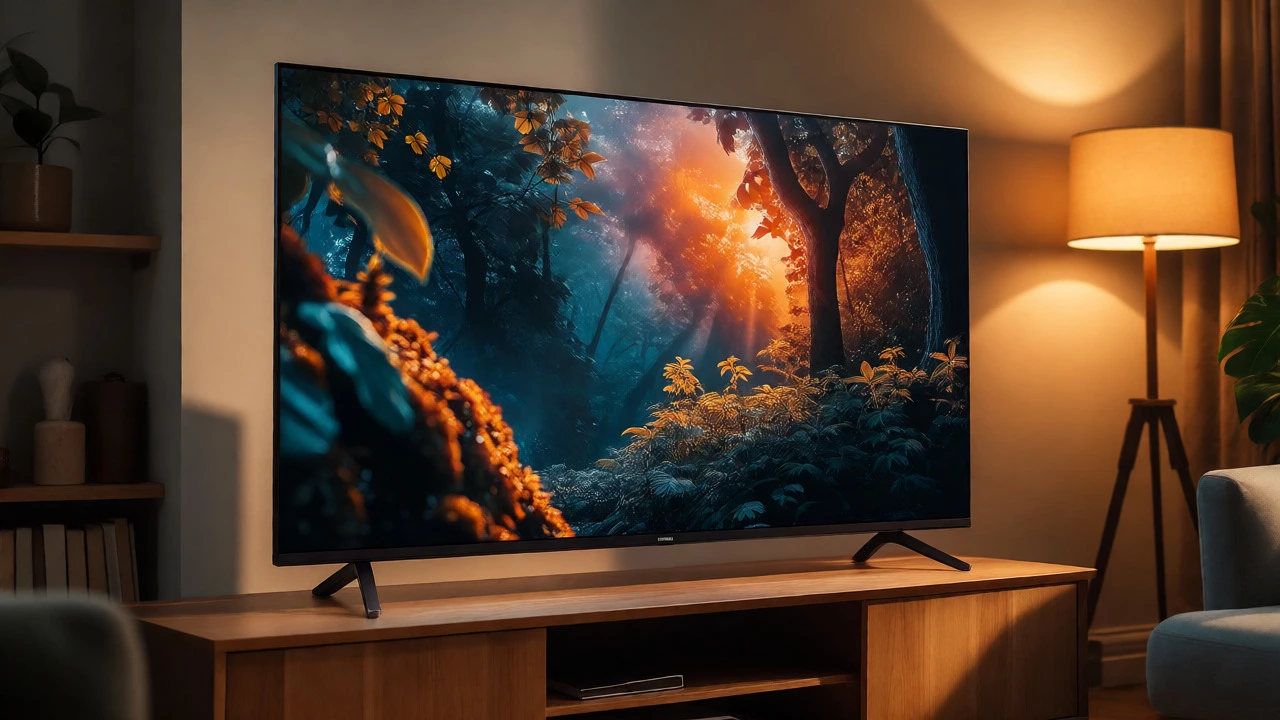
Discover which TV brands have the fewest breakdowns and software bugs. We compare Sony, LG, Samsung, and budget options to help you find the most reliable smart TV.

Discover how your 4K TV handles standard HD and SD content. Learn about upscaling technology, optimal picture settings, and why regular TV still looks great on modern screens.
Wondering if Roku charges a monthly fee? Discover the truth about Roku costs, free channels, and hidden subscription pitfalls in our detailed guide.
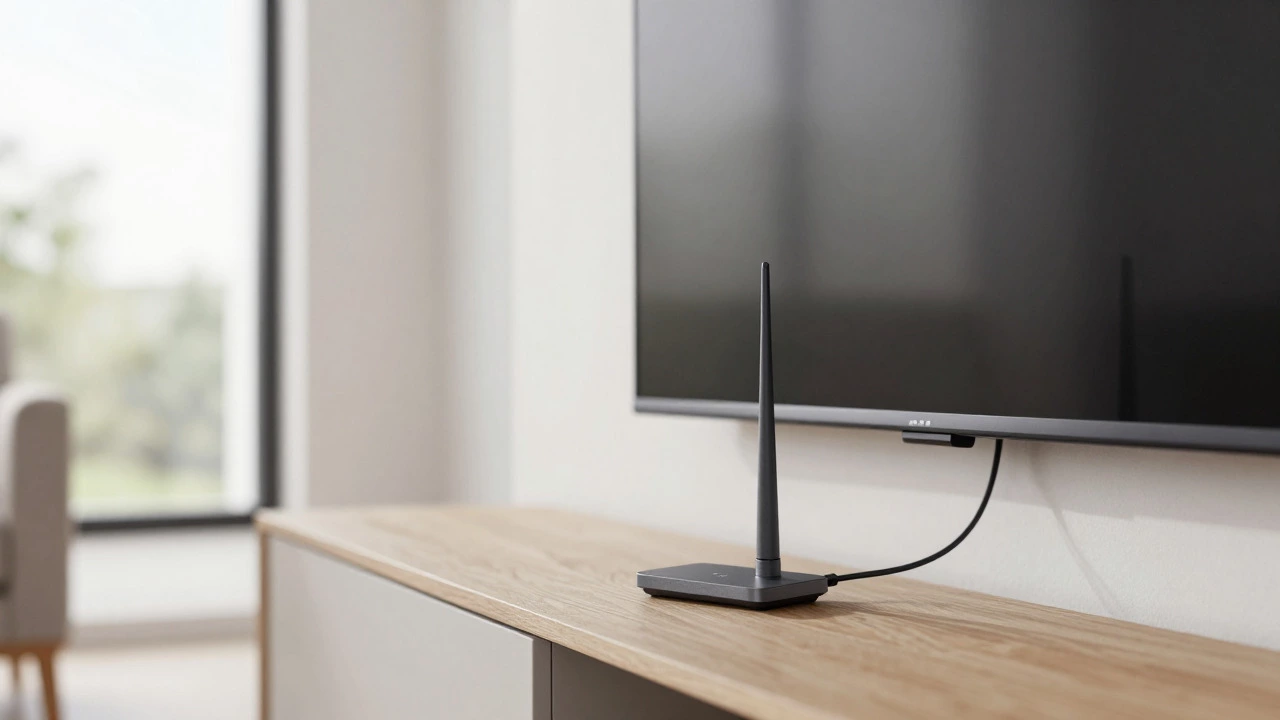
Learn how to watch ABC, NBC, and CBS on Roku using either a free digital antenna or a live TV streaming service. We compare costs, setup steps, and reliability for 2026.
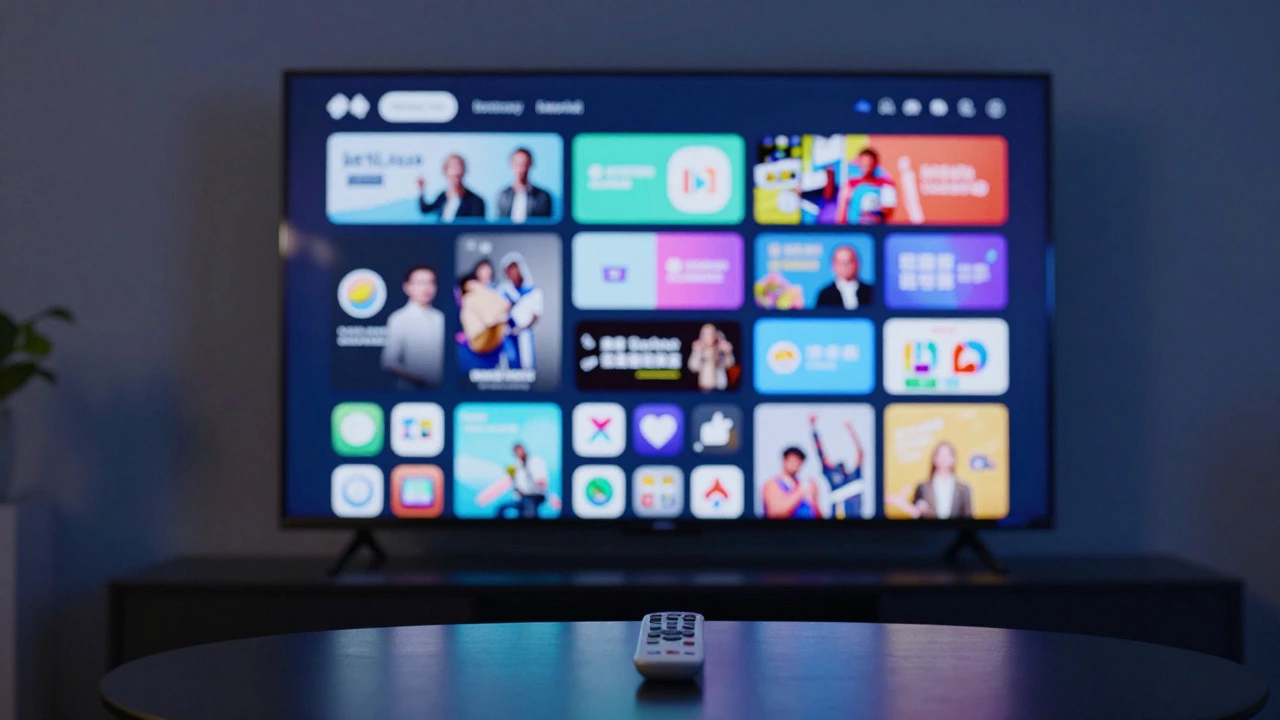
Discover the hidden downsides of Roku TV, including aggressive ads, cluttered interfaces, and varying hardware quality. Learn who should avoid it and what to look for before buying.
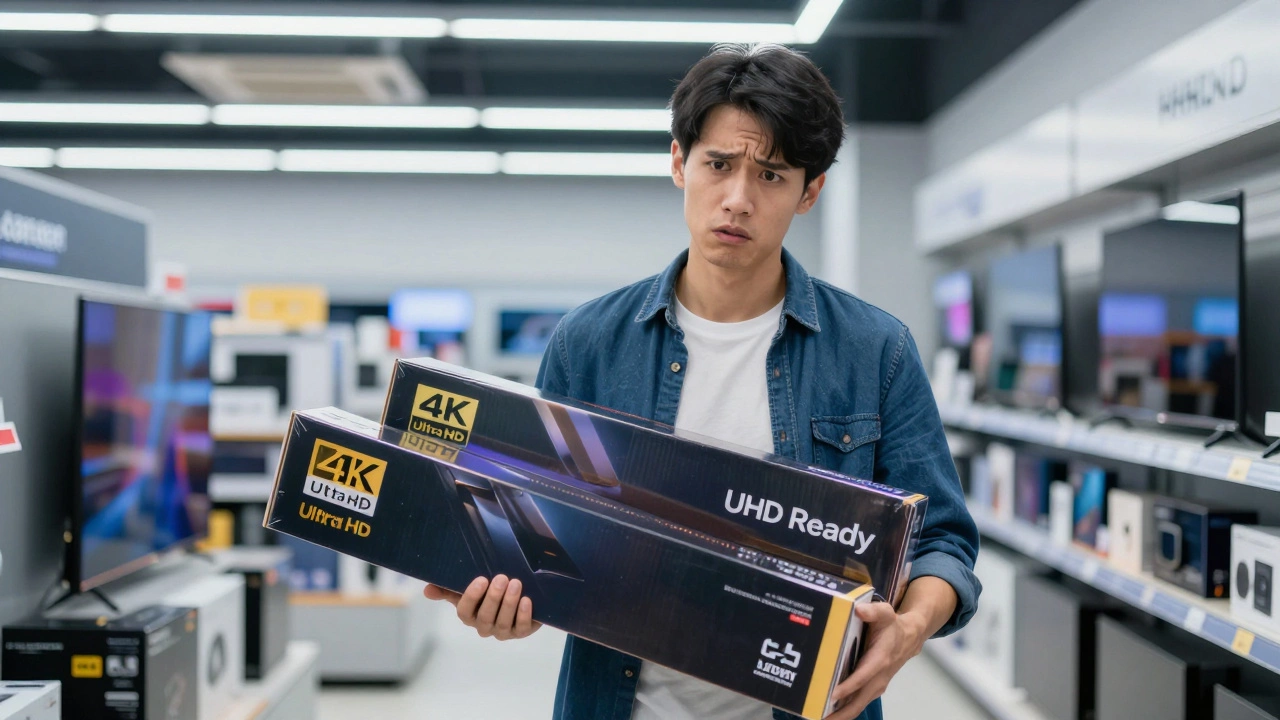
Confused by 4K vs UHD TV labels? They are the same resolution. Learn the real differences in panel tech, HDR, and refresh rates to pick the best TV for your room.
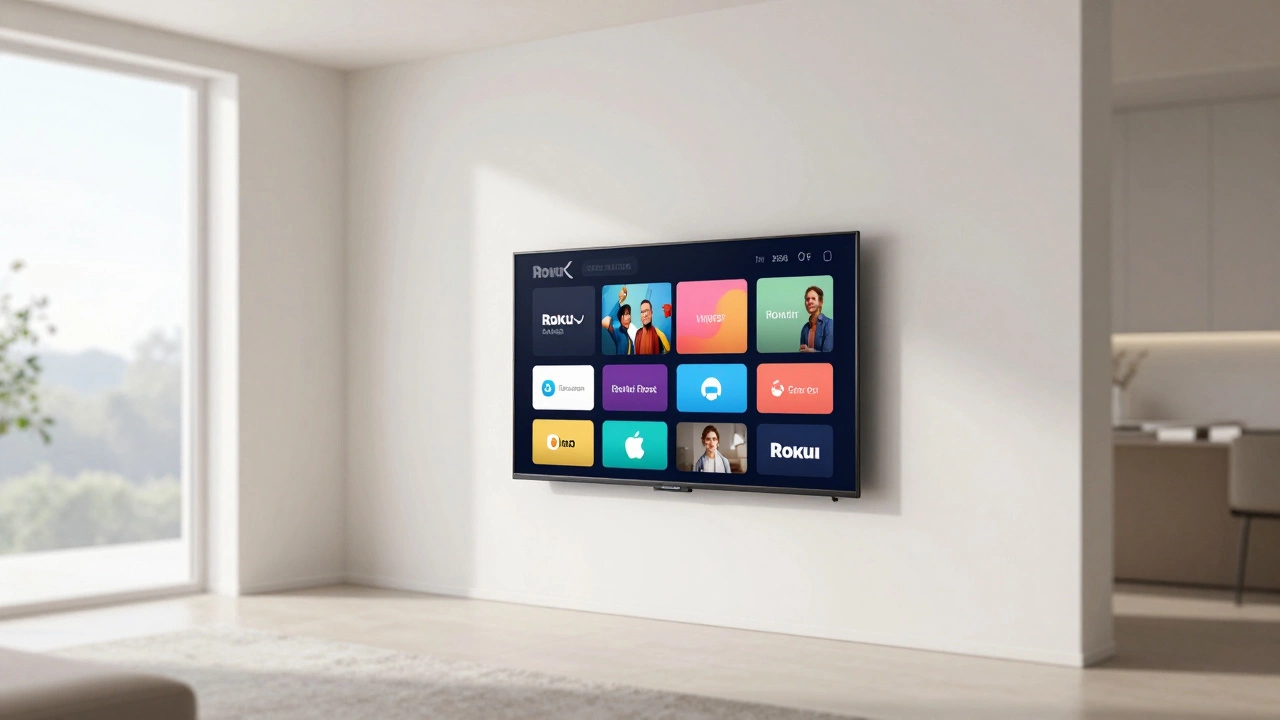
Wondering if Roku TVs are actually good? We break down the software, picture quality, and value to help you decide if it's the right smart TV for your home.
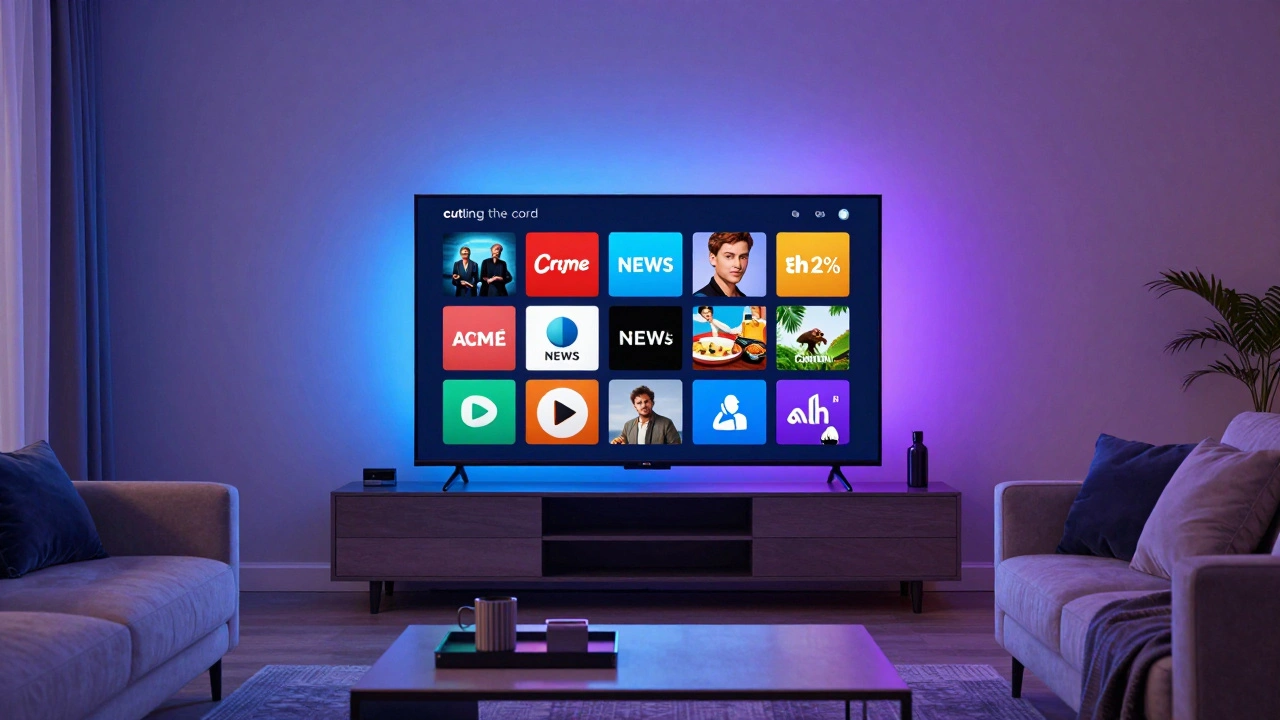
Wondering which streaming device offers the most free channels? We compare Roku, Fire TV, and Google TV to find the best free TV experience for 2026.
Wondering which TV brand actually lasts? We compare Sony, Samsung, and LG to find the most reliable smart TVs and explain how to make your screen last a decade.
OLED and QLED TVs both deliver stunning 4K picture quality, but they work in very different ways. OLED offers perfect blacks and vibrant colors, while QLED shines in bright rooms and larger sizes. Here's what you really need to know in 2026.
Find out which TV brand is most reliable in 2026 for 4K televisions. Based on real-world failure rates, LG leads in durability, followed by Sony and Samsung. Learn what makes a TV last and which brands to avoid.
Samsung is the number one TV brand in 2026 thanks to its balanced mix of picture quality, smart features, and long-term reliability. Learn how it compares to LG, Sony, TCL, and Hisense.