
Smart TV Reliability Estimator
Select your preferences to see which brand aligns best with your needs for a trouble-free viewing experience.
Your Preferences
You just spent $1,200 on a new smart TV, and three months later, the screen flickers or the Wi-Fi refuses to connect. It’s frustrating, right? We all want a television that simply works-every day, for years-without turning into a tech support nightmare. The truth is, not all brands are created equal when it comes to longevity and software stability.
If you’re tired of hearing horror stories about dead pixels, laggy interfaces, or panels that fade after two years, you’re in the right place. We’ve dug into repair data, user forums, and industry reports to figure out which TVs actually hold up over time. Spoiler alert: it’s rarely the most expensive model that lasts the longest.
The Short Answer: Who Wins on Reliability?
Before we break down the details, here is what you need to know if you’re short on time:
- Sony consistently ranks highest for hardware durability and panel quality, with fewer reported backlight failures than competitors.
- LG offers the best balance of premium performance and reliability, particularly in their OLED lineup, though early OLEDs had burn-in risks (now largely mitigated).
- TCL and Hisense have improved dramatically in recent years, offering budget-friendly options with surprisingly low failure rates, though their software updates can be slower.
- Samsung has seen a slight dip in reliability scores due to complex smart features and occasional Tizen OS bugs, but their hardware remains robust.
- Roku TV models (made by various manufacturers like TCL) offer the most stable software experience, minimizing "bricked" TV scenarios.
What Actually Breaks on Modern TVs?
To understand which TVs have the least problems, you first need to know what typically goes wrong. It’s rarely the picture itself that dies first. Instead, issues usually fall into three buckets:
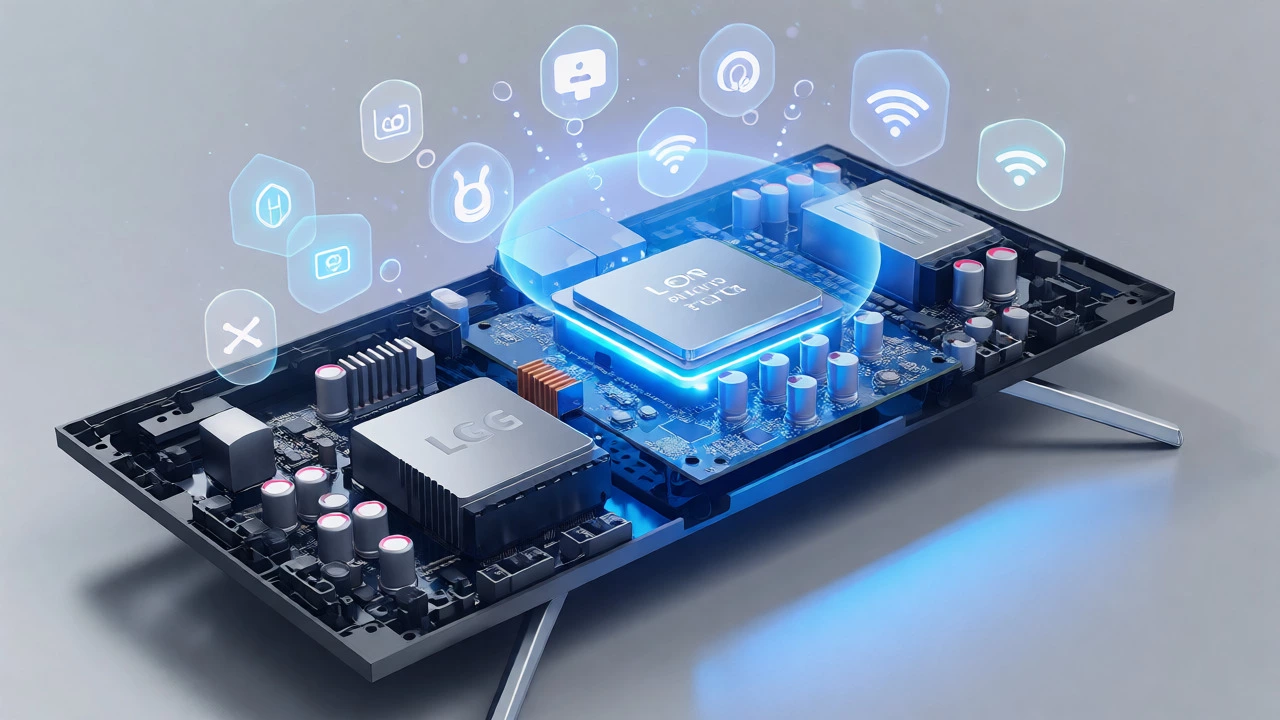
- Power Supply Failures: This is the most common hardware issue. Capacitors blow, and the TV won’t turn on. This happens across all brands but is slightly more frequent in cheaper, mass-produced units from lesser-known brands.
- Software Glitches: Apps crash, the interface freezes, or the TV fails to wake from sleep mode. This is where operating systems like Android TV and Tizen often face criticism for bloatware and slow updates.
- Panel Degradation: For OLED TVs, this means burn-in (ghost images). For LED/LCDs, it’s backlight bleeding or dimming zones failing. High-end panels generally resist this better than entry-level ones.
When we look at repair statistics from major electronics retailers and warranty claim data, power supply issues account for nearly 40% of early TV deaths. Software issues account for another 30%. That leaves only 30% for actual panel defects. So, when you ask "which TV has the least problems," you’re really asking two questions: "Which TV has the most stable software?" and "Which TV has the most durable power components?"
Brand-by-Brand Reliability Breakdown
Let’s get specific. Here is how the major players stack up based on current market data and user feedback as of late 2026.
| Brand | Hardware Durability | Software Stability | Common Issues | Best For |
|---|---|---|---|---|
| Sony | High | Moderate-High | Remote control connectivity; occasional Android TV lags | Purists who prioritize picture quality and build quality |
| LG | High | Moderate | WebOS updates can be slow; older OLED burn-in risks | Gamers and movie buffs wanting deep blacks |
| Samsung | High | Moderate-Low | Tizen OS bugs; app crashes; remote pairing issues | Smart home integration and bright-room viewing |
| TCL / Hisense | Moderate | Moderate | Slower firmware updates; plastic chassis feels cheap | Budget-conscious buyers wanting good value |
| Roku TV | Moderate-High | High | Hardware varies by manufacturer; limited advanced features | Cord-cutters who hate complicated menus |
Sony: The Gold Standard for Hardware
Sony doesn’t always win on price, but they almost always win on reliability. Their Bravia series uses high-quality internal components that resist heat stress better than many competitors. Heat is the enemy of electronics, and Sony’s thermal management designs help extend the life of capacitors and processors.
However, Sony’s use of Google TV (formerly Android TV) can be a double-edged sword. While the hardware is rock solid, the software can feel bloated. You might experience occasional stuttering when switching between apps, but these are rarely fatal errors. If you buy a Sony, you’re buying a tank. Just expect to navigate a few extra menus to find your settings.
LG: OLED King with Caveats
LG dominates the OLED market, and their WebOS platform is generally smoother than Samsung’s Tizen or Sony’s Google TV. LG’s C-series and G-series TVs are legendary for their color accuracy and contrast.
The main reliability concern with LG has historically been burn-in. Early OLEDs were fragile, leaving ghost images of news tickers or game HUDs permanently on the screen. By 2026, LG’s pixel-shift technology and automated cleaning cycles have reduced this risk significantly. Unless you watch the same static channel for 10 hours a day, every day, for five years, you’re likely fine. Still, if you plan to use your TV as a PC monitor, keep an eye on static elements.
Samsung: Great Screens, Buggy Software
Samsung makes beautiful screens. Their QLED and Neo QLED panels are incredibly bright and resistant to burn-in. But let’s talk about the elephant in the room: Tizen OS.
Samsung’s proprietary operating system is powerful but prone to glitches. Users frequently report issues with Bluetooth remotes disconnecting, apps failing to load, or the TV refusing to turn off completely (leading to standby power drain). While Samsung pushes frequent updates, some users feel the software complexity introduces more points of failure than necessary. If you stick to basic streaming apps, you’ll likely avoid the worst bugs. If you try to customize everything, brace yourself for occasional troubleshooting.
TCL and Hisense: The Budget Champions
Don’t dismiss TCL and Hisense just because they cost less. In the last five years, their build quality has skyrocketed. Failure rates for their mid-range models are now comparable to premium brands.
The trade-off isn’t hardware reliability-it’s software support. These brands often stop pushing security patches and feature updates sooner than Sony or LG. A TCL TV bought today might still work perfectly in five years, but its Netflix app might become unsupported. However, since most people replace their TVs every 5-7 years anyway, this rarely matters. Plus, many TCL models come with Roku TV built-in, which adds a layer of software stability.
Roku TV: The Software Safety Net
It’s worth highlighting Roku TV specifically. It’s not a TV brand per se, but an operating system licensed to manufacturers like TCL, Sharp, and Hitachi.
Why does this matter for reliability? Because Roku OS is famously simple. There are fewer background processes, fewer complex features to break, and a massive developer community ensuring apps stay updated. If you buy a TCL TV with Roku, you’re getting decent hardware backed by one of the most stable software platforms available. For pure reliability without frills, this combo is hard to beat.
How to Choose a TV That Won’t Let You Down
Knowing the brands is step one. Step two is knowing what to look for on the spec sheet to ensure longevity.
- Avoid Ultra-Thin Designs: Thinner TVs have less space for heat dissipation. Overheating kills components faster. Look for models with a bit of depth-they often run cooler and last longer.
- Check Warranty Terms: Most brands offer a standard one-year warranty. Some, like Sony and Vizio, occasionally offer extended warranties or have reputations for honoring claims easily. Always register your product immediately upon purchase.
- Prefer Models with Replaceable Parts: Check if the TV has accessible HDMI ports. If one port breaks, can you fix it cheaply? Or do you need a full board replacement? Simpler designs are easier to repair.
- Consider a Streaming Stick: If you’re worried about smart TV software becoming obsolete, buy a dumb TV (or a reliable brand) and plug in an Apple TV 4K or Nvidia Shield. This decouples your video source from your display hardware. When the TV’s software slows down, you just swap the $50 stick, not the $1,000 TV.
Common Myths About TV Reliability
There’s a lot of noise online. Let’s clear up a few misconceptions.
Myth 1: Expensive TVs Last Longer. False. A $3,000 flagship TV has more complex components (like mini-LED backlights or advanced processors) that can fail. A $500 1080p TV has fewer things to go wrong. Complexity increases the probability of failure, even if the consequences of failure are higher on a premium set.
Myth 2: OLEDs Burn In Easily. Outdated. Modern OLED panels from LG and Samsung use sophisticated algorithms to shift pixels subtly over time. Burn-in is now rare for normal viewing habits. Static content (news channels, sports scoreboards) is the main culprit. Mix up your content, and you’re safe.
Myth 3: Extended Warranties Are Always Worth It. Not necessarily. Many TV failures happen within the first year (covered by manufacturer warranty) or after year five (when you should probably upgrade anyway). Extended warranties often exclude accidental damage and have strict claim processes. Read the fine print before paying extra.
Final Verdict: Which Should You Buy?
If you want the absolute least problems, here’s my recommendation based on different needs:
- For Pure Reliability: Go with a Sony X90L or X95L series. Excellent build, great support, and minimal hardware complaints.
- For Best Value & Stability: Get a TCL QM8 or QM7 with Roku TV. Great picture, stable software, low price.
- For Premium Picture with Low Risk: Choose an LG C3 or C4 OLED. Avoid the super-thin G-series if you’re worried about heat, but otherwise, these are workhorses.
- For Simplicity: Any Roku-branded TV (even from lesser-known makers) will give you the smoothest, bug-free smart experience.
Remember, no TV is perfect. But by choosing brands with proven track records and avoiding overly complex features you don’t need, you can significantly reduce the chance of ending up with a brick in your living room.
Do smart TVs really become obsolete quickly?
Yes, but mostly in terms of software. Apps like Netflix or Disney+ may stop supporting older operating systems after 5-7 years. However, the hardware itself usually lasts much longer. Using an external streaming device can extend the useful life of your TV by keeping the software current.
Is OLED less reliable than LED?
Historically, yes, due to burn-in risks. Today, modern OLEDs are very reliable for typical usage. They lack the backlight components that often fail in LED TVs, so while they have unique risks, they don't necessarily fail more often overall. Just avoid displaying static images for hours daily.
Which TV brand has the best customer service?
Sony and Vizio tend to receive positive marks for ease of warranty claims. Samsung and LG have large support networks but can sometimes be bureaucratic. Smaller brands like TCL rely heavily on retailer returns policies rather than direct manufacturer service.
Does screen size affect reliability?
Not directly. A 55-inch TV and a 75-inch TV from the same line use similar internal components. Larger screens are heavier and more prone to physical damage during transport or mounting, but electrically, they are equally reliable.
Are cheaper TVs more likely to break?
Generally, yes. Cheaper TVs use lower-grade capacitors and thinner plastics that degrade faster under heat. However, the difference is narrowing. Mid-range models from TCL or Hisense offer near-premium reliability at half the price.