
Did you know the right mix of kitchen appliances can shave minutes off your daily routine and keep your budget happy? Whether you’re fitting a brand‑new flat‑pack kitchen or swapping out an old fridge, the choices you make today shape how you cook tomorrow. Below you’ll get straight‑to‑the‑point advice on picking the best gadgets, getting real value from bundles, and timing your purchases right around cabinet work.
Start with the three workhorses most homes need: a refrigerator, a cooking appliance (oven, hob or microwave), and a small‑goods helper like an air fryer or kettle. Look for energy‑rating labels – an A+++ fridge will use far less power than a cheap B model, and the savings add up over years. Check the interior capacity; a 300‑litre fridge fits a family of four without constant re‑ordering, while a 450‑litre unit may waste space.
Don’t overlook smart features. A fridge with a built‑in temperature sensor or a microwave that lets you set cooking time by weight can actually speed up meals. But only pay extra if you’ll use it. A simple countertop air fryer that reaches 200°C works just as well for most recipes, while a high‑price model with a rotating basket may sit idle.
Buying appliances in a bundle sounds like a win, but you need to compare the bundle price with the sum of individual deals. Look for promotions that include free delivery or installation – those hidden costs often make a bundle cheaper. If you’re already ordering a fridge, see if the retailer offers a discount on a matching freezer or a dishwasher.
Timing matters, too. Retailers push bundle offers around major holidays (Black Friday, Boxing Day) and during the spring ‘home‑refresh’ season. Sign up for price alerts on the items you want and wait for a dip before committing to a bundle. Remember, you can always negotiate: ask the sales rep to drop the price of one item if you’re buying three or more.
One practical tip: write down the exact models you need, then copy the total price into a spreadsheet. When a bundle appears, plug the numbers in and see the real savings. If the difference is less than £30, you probably won’t benefit much, especially after factoring in extra storage for appliances you might never use.
Finally, check the return policy. Some bundles lock you into a single retailer for all items, making it harder to return a faulty piece later. A flexible return window protects you if an appliance underperforms.
With these basics, you can walk into a store or browse online knowing exactly what you need, when to bundle, and how to avoid hidden costs. Your kitchen will be ready for anything – from quick breakfasts to weekend feasts – without breaking the bank.

Discover the best months to buy kitchen appliances. Learn why September beats Black Friday for big savings on fridges, dishwashers, and bundles.
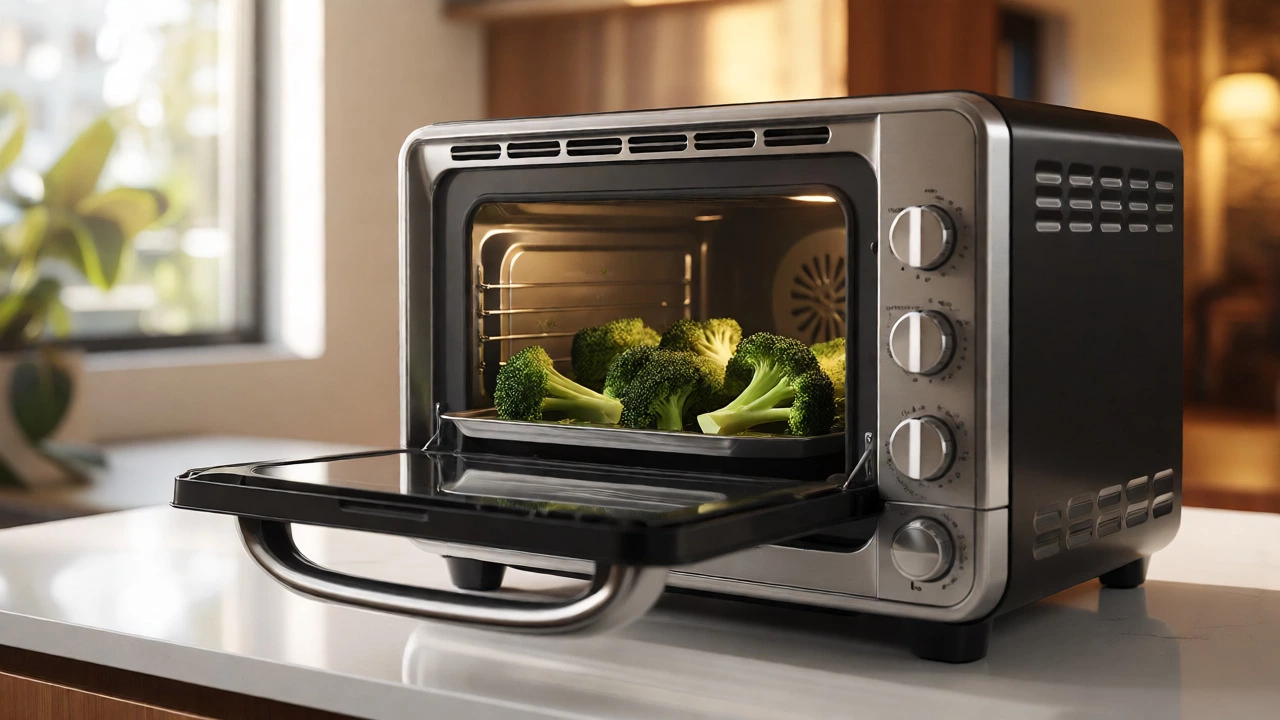
Discover the gadgets replacing air fryers in 2026. We compare steam convection ovens, multi-cookers, and smart toaster ovens to help you choose the best kitchen upgrade.

Discover the best months to buy freezers in 2026. We break down Black Friday, January clearance, and summer sales to help you save up to 40% on chest and upright freezers.
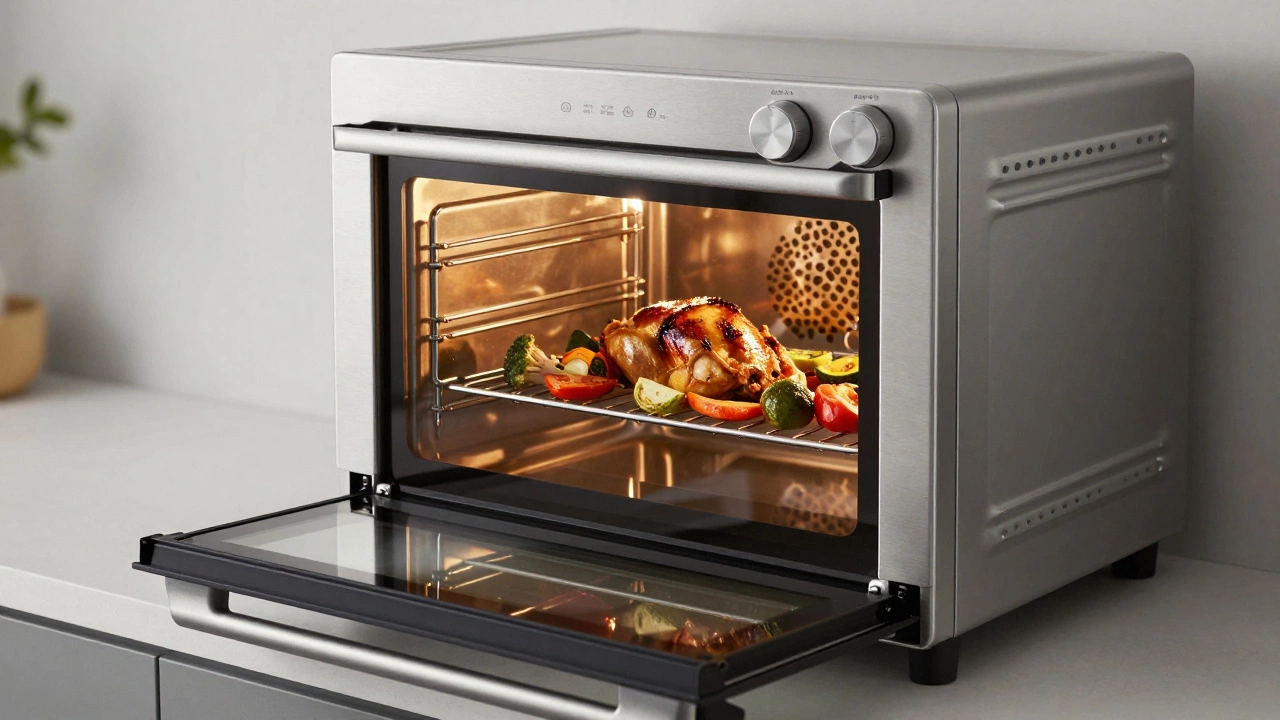
Discover the best healthy alternatives to the air fryer, including convection ovens, steamers, and slow cookers. Learn which appliance maximizes nutrient retention and fits your lifestyle.
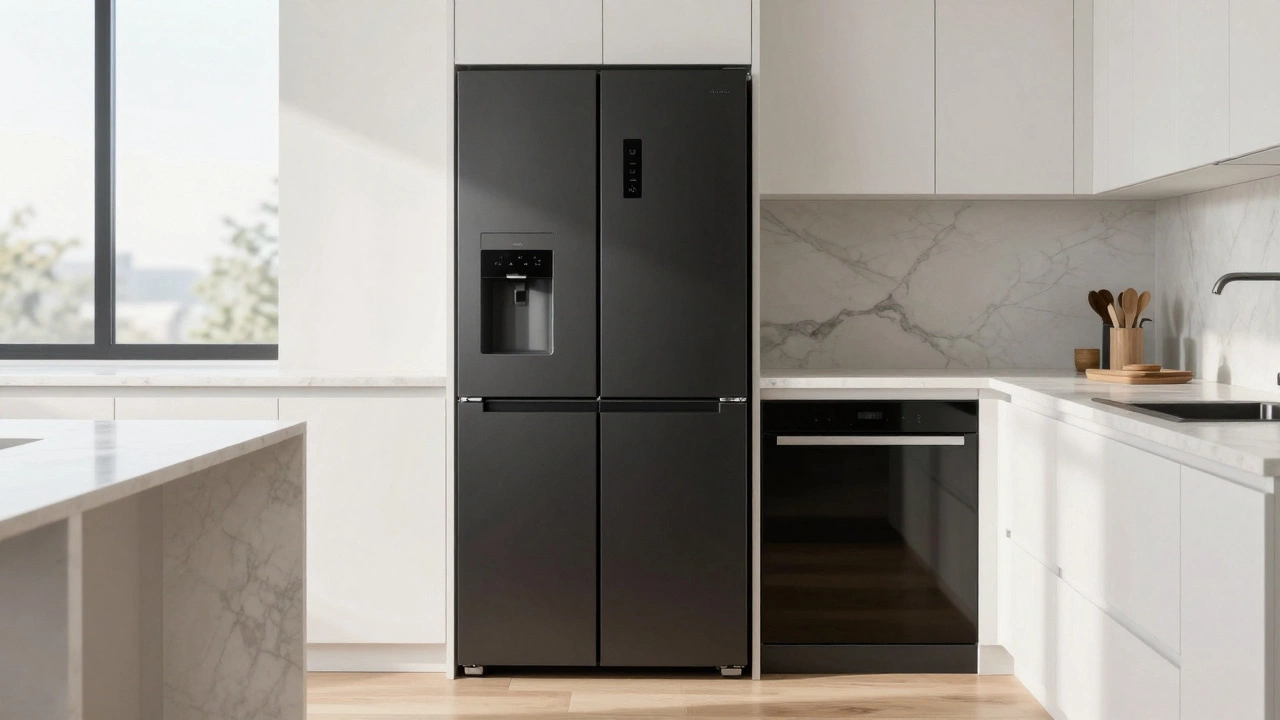
Discover the top appliance color trends for 2024. From the rise of matte black and the return of white to integrated designs, learn which finishes suit your kitchen style and budget.
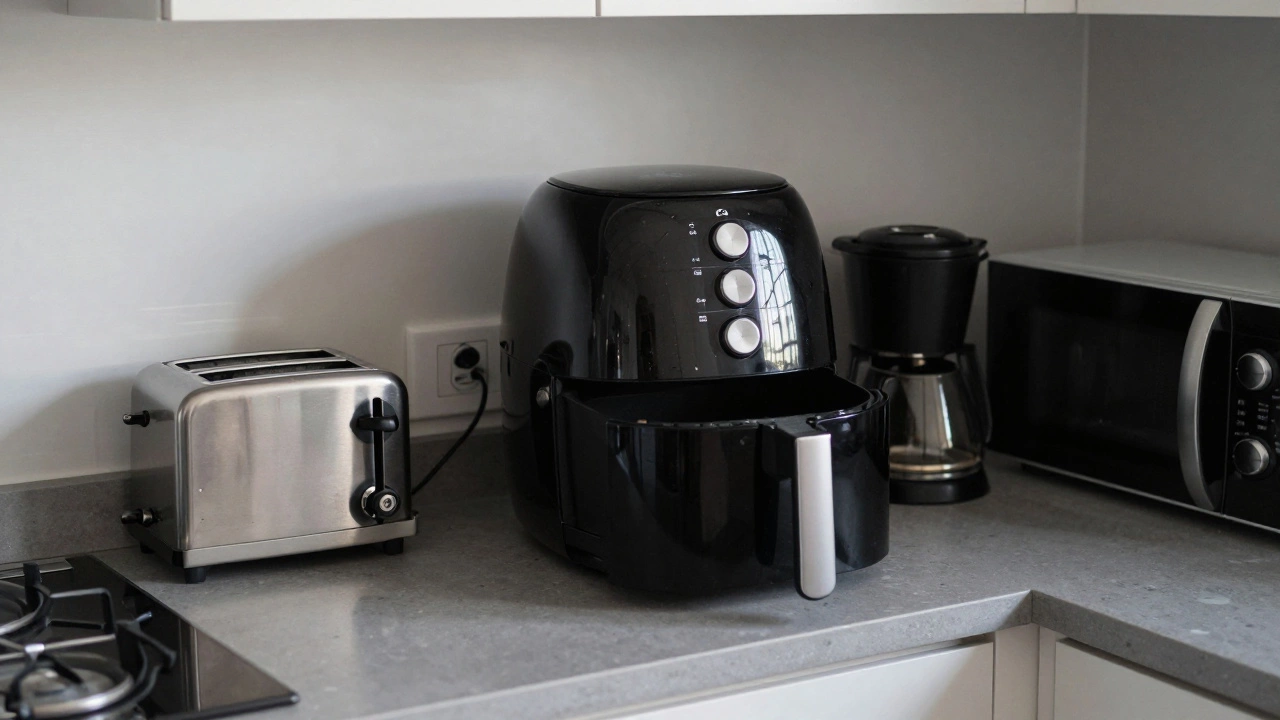
Discover the real disadvantages of air fryers, including capacity limits, dry food textures, noise, and cleaning hassles. Learn if an air fryer fits your kitchen lifestyle.
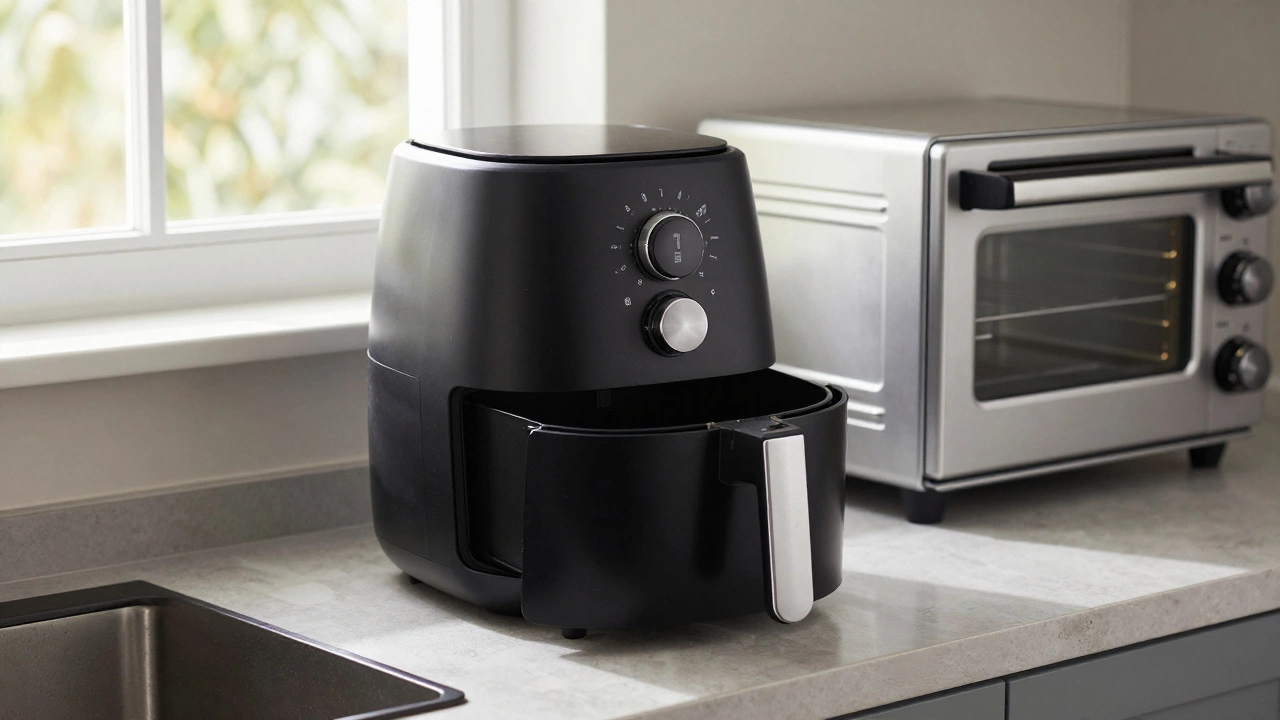
Discover why many households are abandoning air fryers in 2026. From capacity limits and cleanup hassles to better multi-function alternatives, learn the real reasons behind the trend's decline.
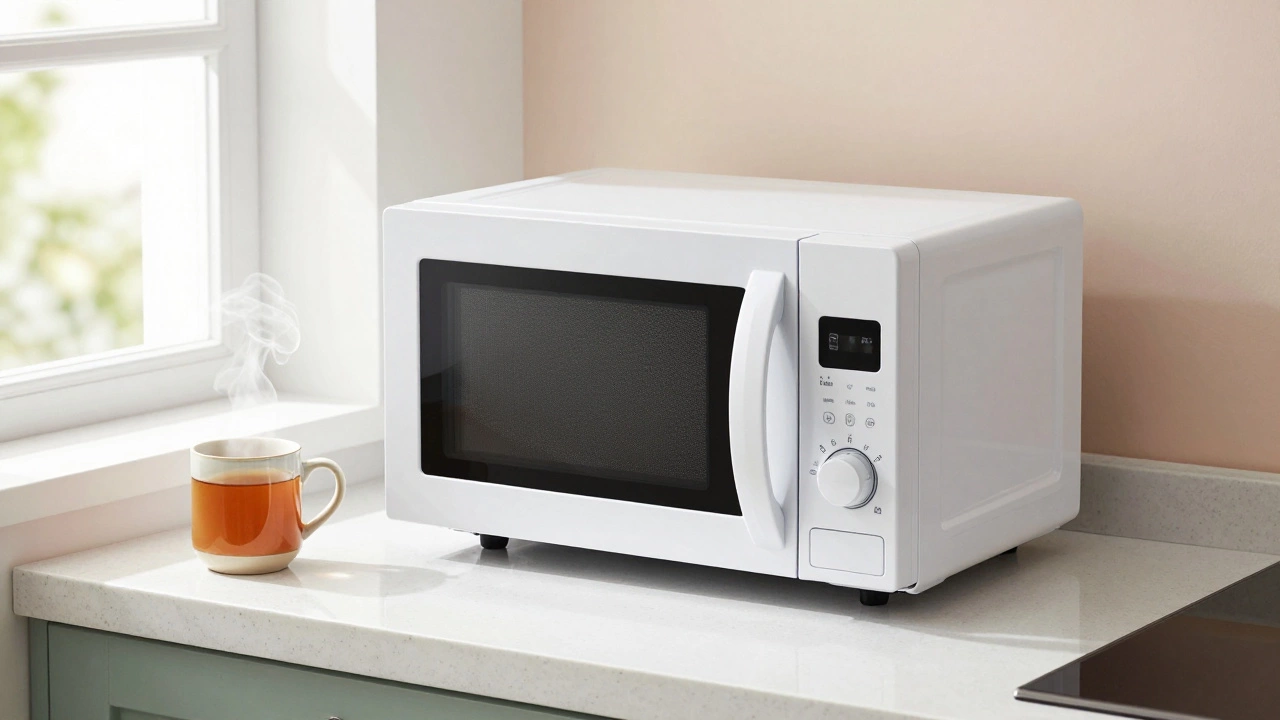
Not sure which microwave size fits a two-person household? Learn the difference between compact, mid-size, and large models to find your kitchen's perfect match.
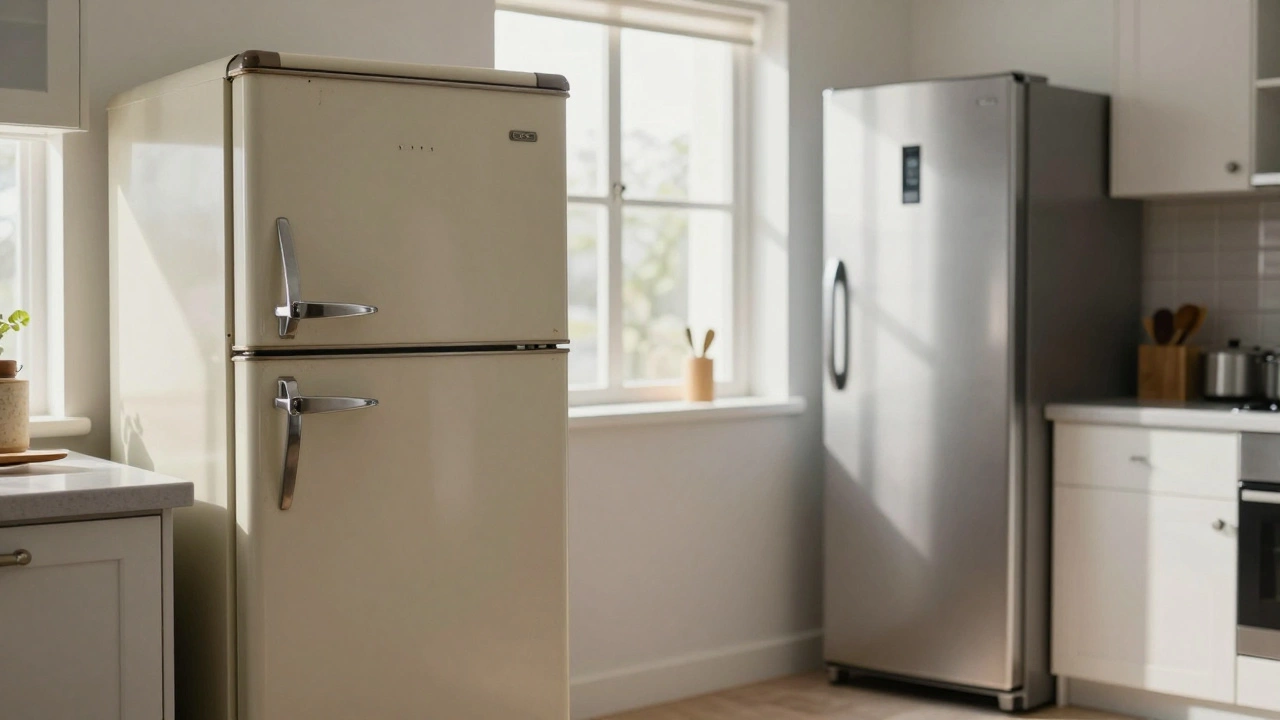
Wondering which appliance brands actually last? Explore the truth about luxury vs. budget reliability, the smart appliance trap, and the top brands for longevity.
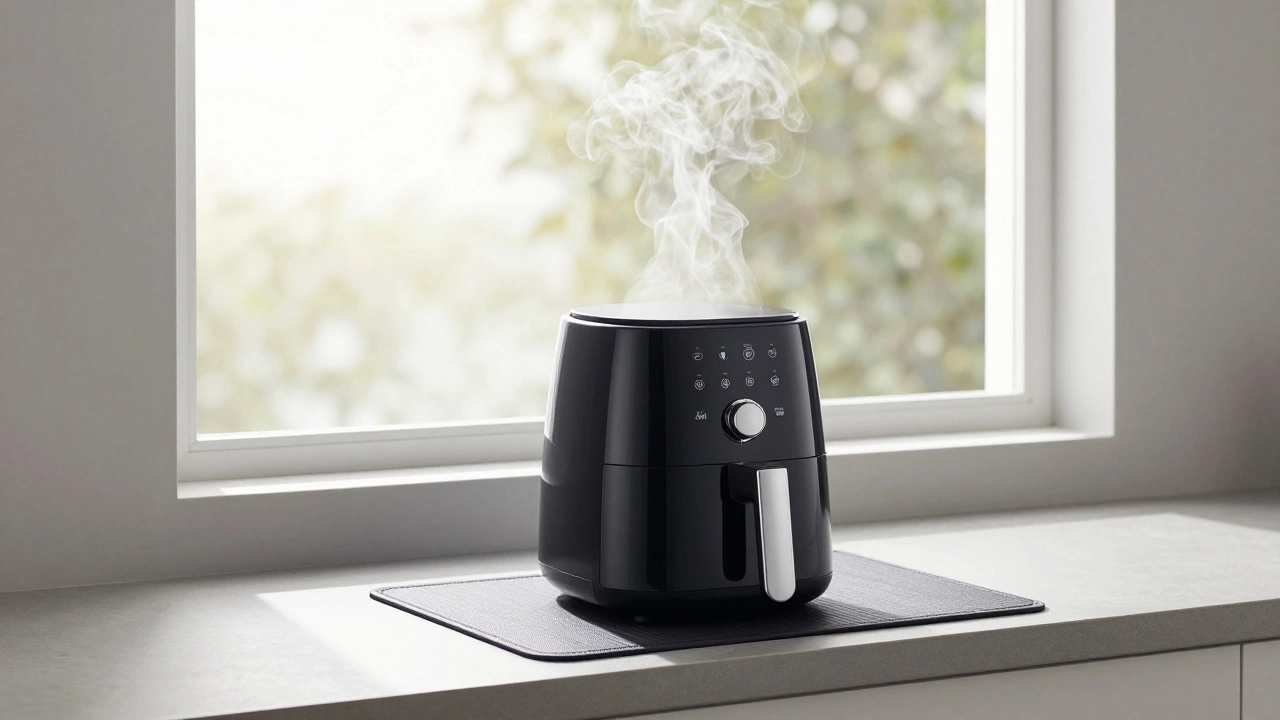
Stop your air fryer from making your whole house smell like a deep fryer. Learn about smoke points, hidden grease, and the best ways to deodorize your kitchen.
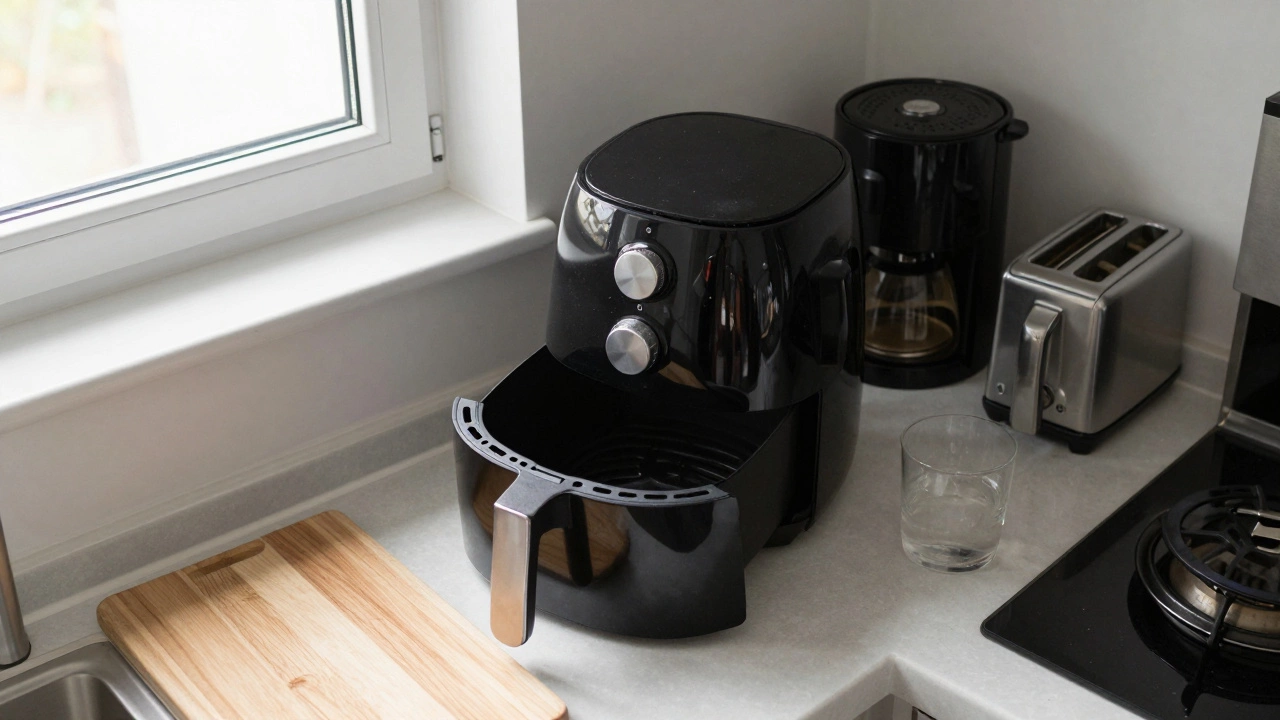
Discover the honest downsides of air fryers, from limited capacity and peeling coatings to high energy use and kitchen clutter. Is the hype worth it?
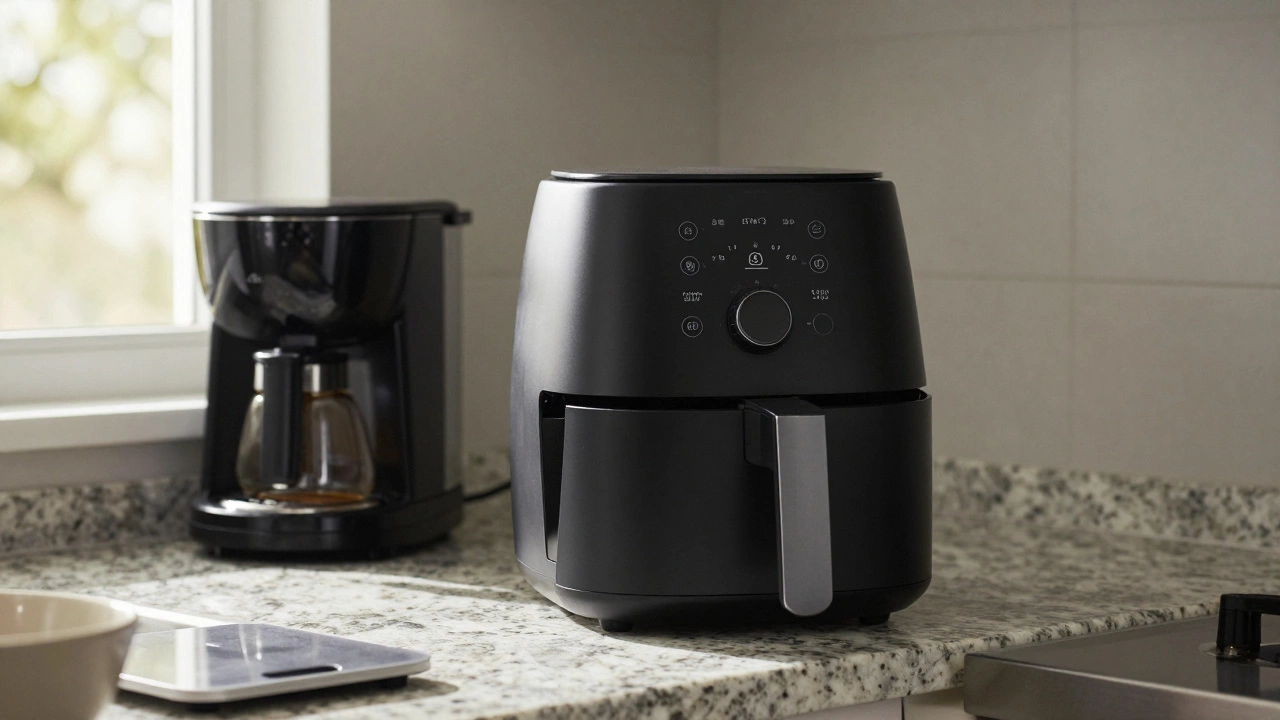
Determine if an air fryer fits your kitchen budget and lifestyle. We compare costs, space needs, and cooking results to help you decide.