
Air Fryer Oil & Odor Risk Checker
Select the oil you plan to use and your intended cooking temperature to check the risk of smoke and lingering odors.
Quick Fixes for Air Fryer Odors
- Move the unit closer to a window or under a vent.
- Clean the grease tray after every single use.
- Use a smoke point-appropriate oil (like avocado oil).
- Deep clean the heating element monthly.
- Run a lemon-water cycle to neutralize odors.
The Hidden Culprit: Old Grease and Carbonized Food
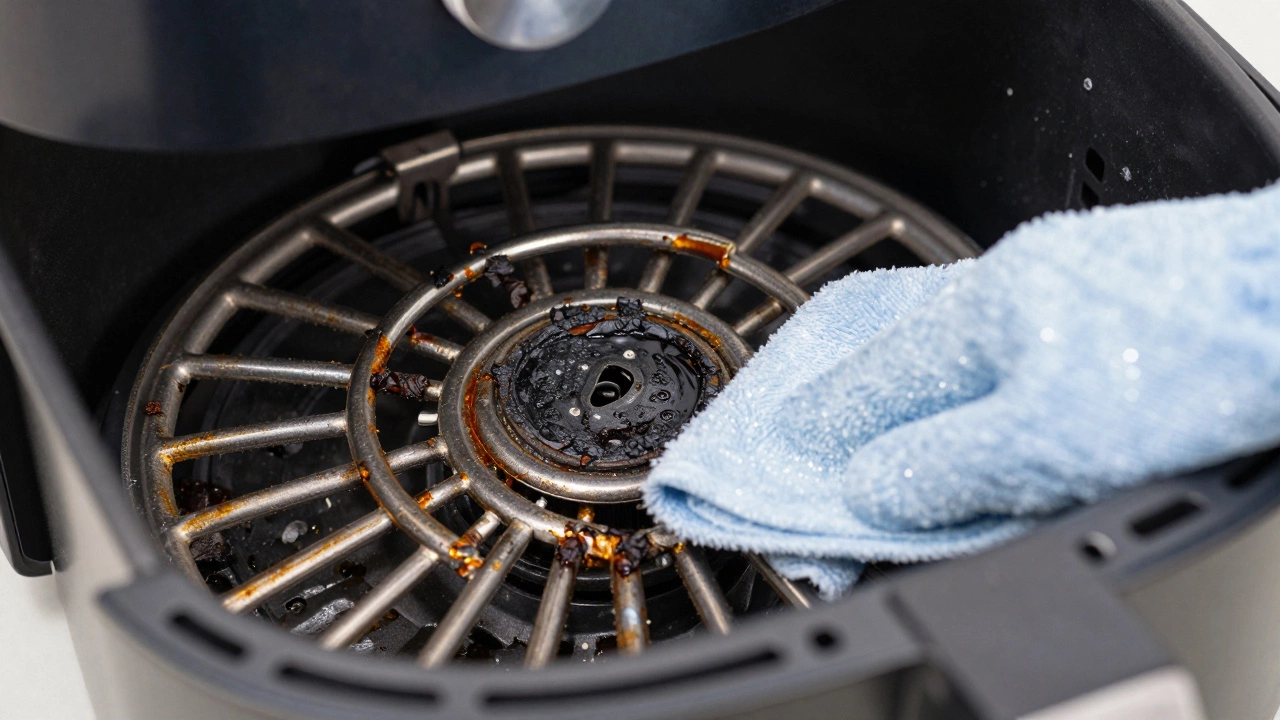
If your house smells like burnt plastic or old fish even when you're cooking potatoes, you've got a buildup problem. Most people just wipe the basket, but grease splashes upward during the high-speed air circulation. This grease lands on the heating element-that coil at the top-and bakes on over time. Every time you turn the machine on, you're essentially reheating old, rancid oil. This creates a "burnt" smell that permeates the entire home.
To fix this, wait for the unit to cool completely. Turn it upside down and use a damp cloth with a bit of dish soap to gently scrub the coil. If the grease is really stuck, a paste of baking soda and water works wonders. If you don't do this at least once a month, the carbonized oil will continue to off-gas into your kitchen.
The Smoke Point Struggle
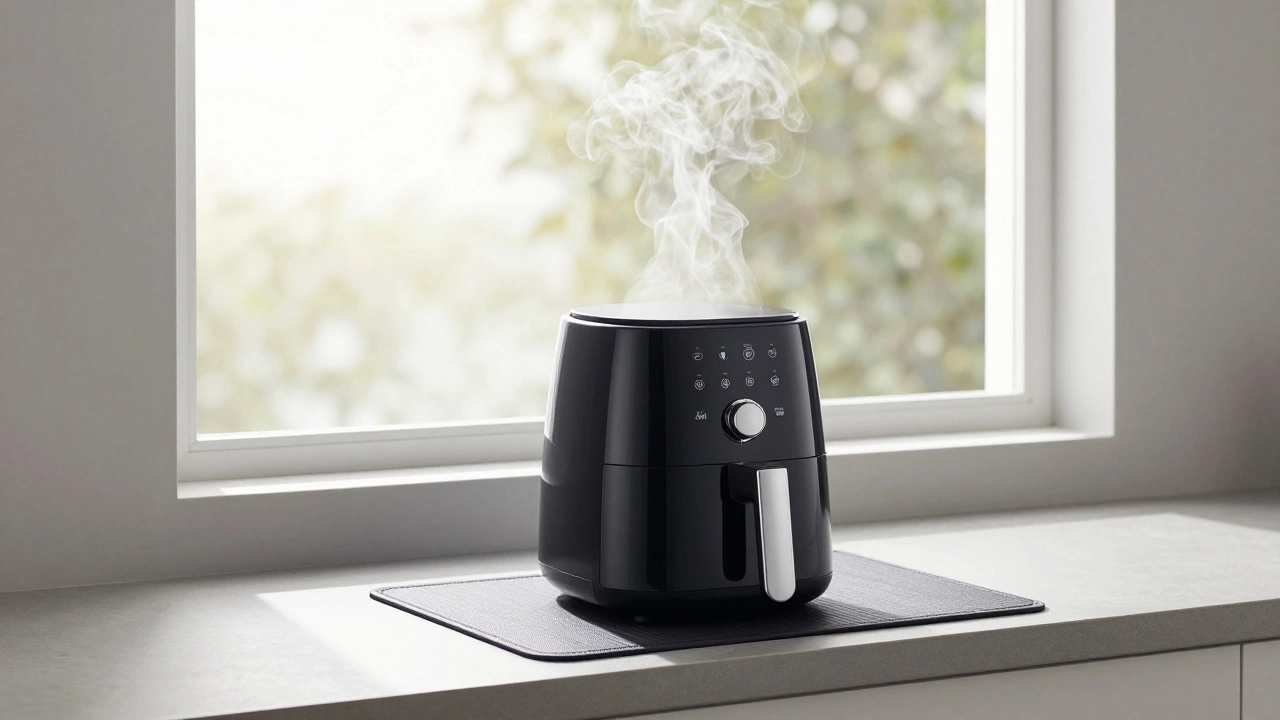
Ever notice a thin veil of smoke coming out of the top of your machine? That's usually because of the oil you're using. Many people reach for extra virgin olive oil because it's healthy, but that oil has a low smoke point-the temperature at which oil stops shimmering and starts burning. When oil burns, it releases acrolein, a pungent chemical that makes your eyes sting and your house smell like a campfire.
Switch to oils with higher thresholds. Avocado Oil is a champion here, handling temperatures up to 520°F. Canola Oil is also a solid, budget-friendly choice. Using a spray bottle to apply a light mist rather than pouring oil into the basket also prevents a pool of fat from smoking at the bottom.
| Oil Type | Smoke Point | Smell Risk | Best Use Case |
|---|---|---|---|
| Extra Virgin Olive Oil | ~325-375°F | High | Low-temp roasting |
| Canola Oil | ~400-450°F | Low | General frying |
| Avocado Oil | ~520°F | Very Low | High-heat crisping |
| Butter | ~300-350°F | Medium | Short bursts of flavor |
Ventilation Mistakes You're Probably Making
Where is your air fryer sitting? If it's tucked into a corner or pushed right up against a wall, the exhaust vent is likely blowing all those scented particles directly onto your wallpaper or cabinets. Air fryers work by blowing hot air out the back. If that air has nowhere to go, it swirls around the room, carrying tiny droplets of atomized grease with it.
The best setup is to place your fryer on a heat-resistant mat near an open window. If you have a Range Hood or a powerful exhaust fan, move the unit under it. Even if it's not a built-in stove, the suction of a vent fan can pull those odorous particles out of the house before they settle into your furniture. If you're in a small apartment, simply cracking a window and using a small desk fan to push air outward can make a massive difference.
Dealing with the "New Machine" Smell
If you just bought a new unit and it smells like chemicals or burning plastic, don't panic. This is caused by the protective coatings used during manufacturing. When these coatings hit 400°F for the first time, they off-gas. This is why many manufacturers suggest a "burn-in" period.
To clear this out quickly, run the empty air fryer at its highest temperature for about 20 minutes while the kitchen is well-ventilated. Don't put food in it yet. This clears out the factory residue. If the smell persists after three or four high-heat runs, then you might actually have a defective wiring issue, and you should contact the manufacturer for a replacement.
Natural Deodorizing Techniques
Sometimes, even a clean machine holds onto the scent of yesterday's salmon. To reset the flavor profile, you can use a natural deodorizer. Fill the basket with a small amount of water and a few slices of fresh lemon. Run it at 350°F for 5-10 minutes. The steam helps loosen any remaining grease, and the citric acid neutralizes the alkaline odors left behind by fish or garlic.
Another pro tip: avoid using heavy aerosol non-stick sprays. Many of these contain lecithin or other additives that leave a sticky residue on the non-stick coating. This residue doesn't just peel the coating; it burns and creates a chemical smell that is nearly impossible to remove without a full deep clean.
The Role of Air Purifiers in a Greasy Kitchen
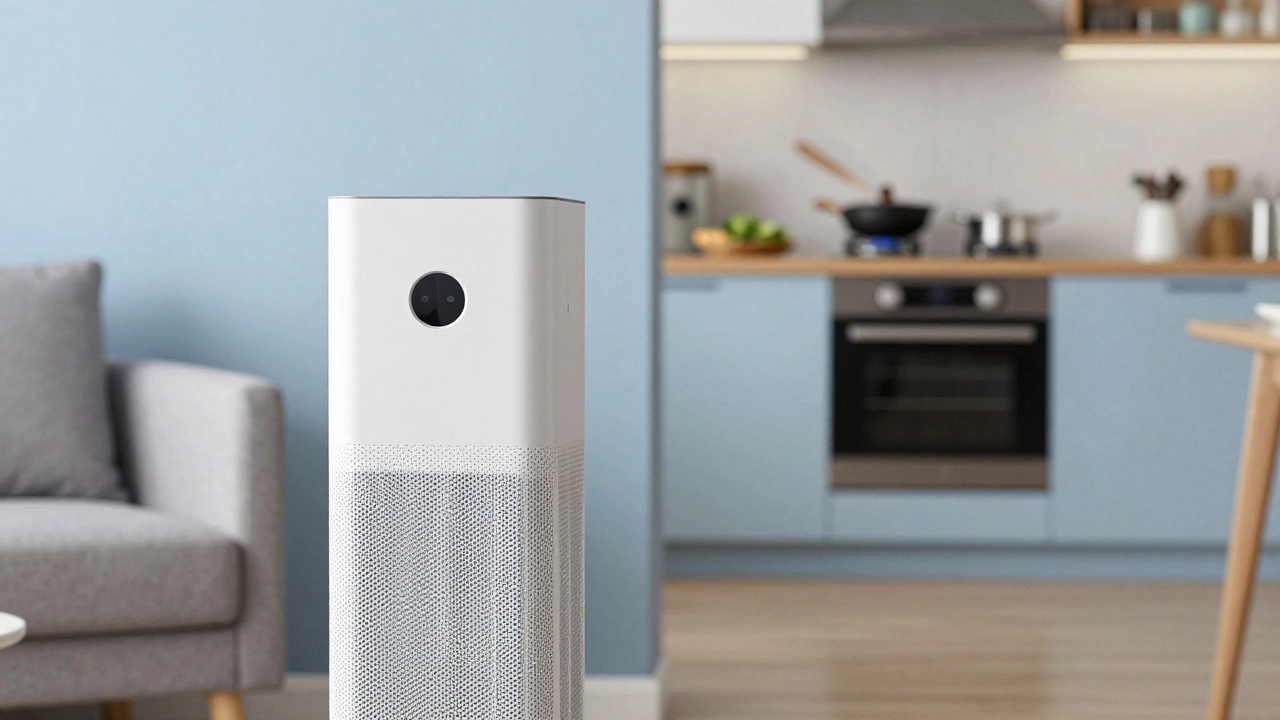
If you cook with your air fryer daily, a standard open window might not be enough. This is where a HEPA Filter combined with an Activated Carbon Filter comes into play. While HEPA filters catch the tiny particles of burnt food, the carbon filter is what actually "grabs" the gas molecules that cause the smell.
Place your purifier in the room adjacent to the kitchen. If you put it too close to the air fryer, the grease particles can actually clog the expensive HEPA filter, making it useless. By placing it a few feet away, it can scrub the air as it drifts from the kitchen into the rest of the house, preventing the "fryer smell" from migrating to your bedroom.
Is it normal for an air fryer to smell like plastic the first time I use it?
Yes, it is very common. This is usually due to manufacturing oils or protective coatings on the heating element. Run the machine empty at a high temperature for 20 minutes in a well-ventilated room to burn off these residues. If the smell lasts more than a week, it may be a defect.
Why does my air fryer smell like fish even when I'm cooking vegetables?
This happens because grease from the fish has splattered onto the heating element or the inner walls of the machine. When you cook anything else, that old fish oil reheats and releases its scent. You need to clean the heating element and the ceiling of the air fryer chamber.
Can I use vinegar to get rid of the smell?
Yes, a mixture of water and white vinegar is great for scrubbing the basket and tray. However, don't run vinegar in the machine at high heat unless it's heavily diluted, as the strong acidic fumes can be overwhelming. Lemon slices are generally a more pleasant alternative for steaming.
Does the type of food I cook affect how long the smell stays?
Absolutely. Foods high in sulfur (like broccoli, cabbage, or garlic) and oily fish (like salmon) release volatile organic compounds that cling to fabrics. Using a higher-smoke-point oil and better ventilation can reduce this effect.
Should I be worried if my air fryer is producing a lot of smoke?
A little bit of steam is normal, but thick smoke usually means you've used too much oil, the oil has a too-low smoke point, or there is food debris on the heating element. Turn it off immediately, let it cool, and clean the unit before using it again.
Next Steps for a Smell-Free Kitchen
If you've followed the cleaning and ventilation tips and your house still smells, it's time to evaluate your hardware. Some older or cheaper models have poor insulation or low-quality plastics that off-gas more than premium versions. If you're in the market for an upgrade, look for models with a dedicated "deodorize" function or those with higher-grade stainless steel interiors.
For those who live in small apartments without a vent, consider investing in a dedicated kitchen air purifier. Focus on models that specifically advertise "VOC removal" or have thick charcoal filters. Pairing this with a strict "clean after every use" rule will keep your home smelling like a home, not a fast-food joint.