
Appliance Longevity & Value Estimator
Investment Analysis Tool
Fill in the details and click calculate to see the longevity analysis.
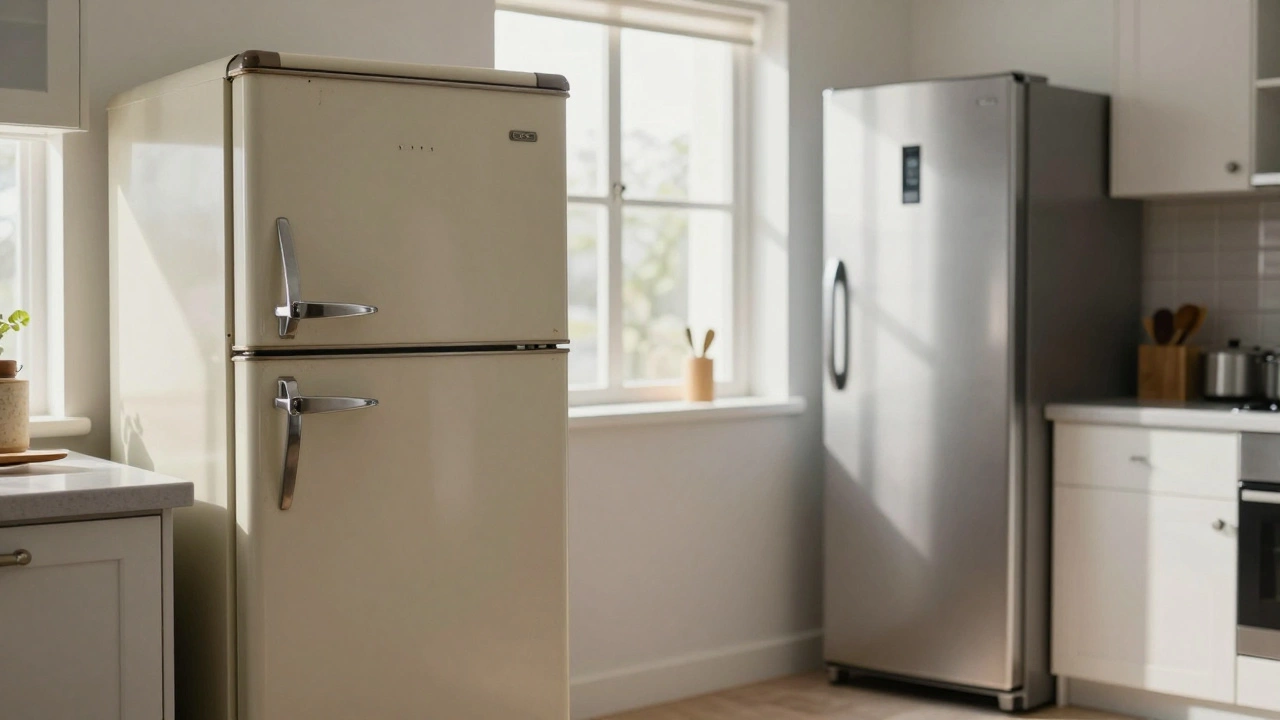
To get a handle on this, we need to talk about Appliance Lifespan, which is the expected number of years a home machine functions before the cost of repair exceeds the cost of replacement. While a cheap microwave might last three years, a high-end range could last twenty. The goal is to find the longest lasting appliance brands that offer a high return on your investment over a decade or more.
The Quick Verdict on Longevity
- Best for Overall Durability: Miele and Bosch (especially the 800 series).
- Best for Ease of Repair: Whirlpool and Maytag.
- Best High-End Investment: Sub-Zero and Wolf.
- Worst for Long-Term Value: Brands with excessive "smart" touchscreens that fail before the motor does.
The Reliability Spectrum: Luxury vs. Mass Market
When you're shopping for a bundle, you'll see a massive gap between "consumer grade" and "professional grade." Consumer brands like Samsung or LG focus on features-think screens on the fridge or AI-driven cycles. These are great for the first two years, but every single electronic sensor is a potential point of failure. Professional brands, on the other hand, prioritize thermal mass and mechanical simplicity.
Miele is a powerhouse in this category. They are one of the few companies that test their machines for a 20-year lifespan. Their dishwashers use heavy-duty stainless steel tubs and high-grade pumps that don't warp under heat. If you want something that lasts, look for brands that use more metal and less plastic in the internal plumbing.
Then you have the "workhorse" brands. Whirlpool and Maytag aren't usually the flashiest, but they win on a different metric: repairability. When a Maytag washer breaks, any technician in the country has the part in their truck. A high-end European brand might require a specialist to fly in a part from Germany, meaning your appliance stays broken for three weeks. Longevity isn't just about not breaking; it's about how quickly you can get it running again.
Breaking Down Lifespans by Appliance Type
Not all appliances age the same way. A refrigerator is basically a sealed box with a compressor, while a dishwasher is a chaotic mix of water, heat, and moving arms. You can't apply the same brand logic to both.
Refrigerators: The most durable units avoid "through-the-door" ice dispensers. That's where the most leaks and electrical shorts happen. Sub-Zero is widely considered the gold standard here because they use separate compressors for the freezer and fridge, meaning if one fails, your food doesn't all spoil at once. Most standard fridges last 10-14 years, but a Sub-Zero can easily push 20+ with basic maintenance.
Dishwashers: Look for brands that use a Stainless Steel Tub. Plastic tubs warp over time and leak. Bosch has a reputation for incredibly tight tolerances and a leak-protection system that actually works. A typical Bosch 800 series dishwasher often outperforms competitors in longevity tests because of its superior drainage system.
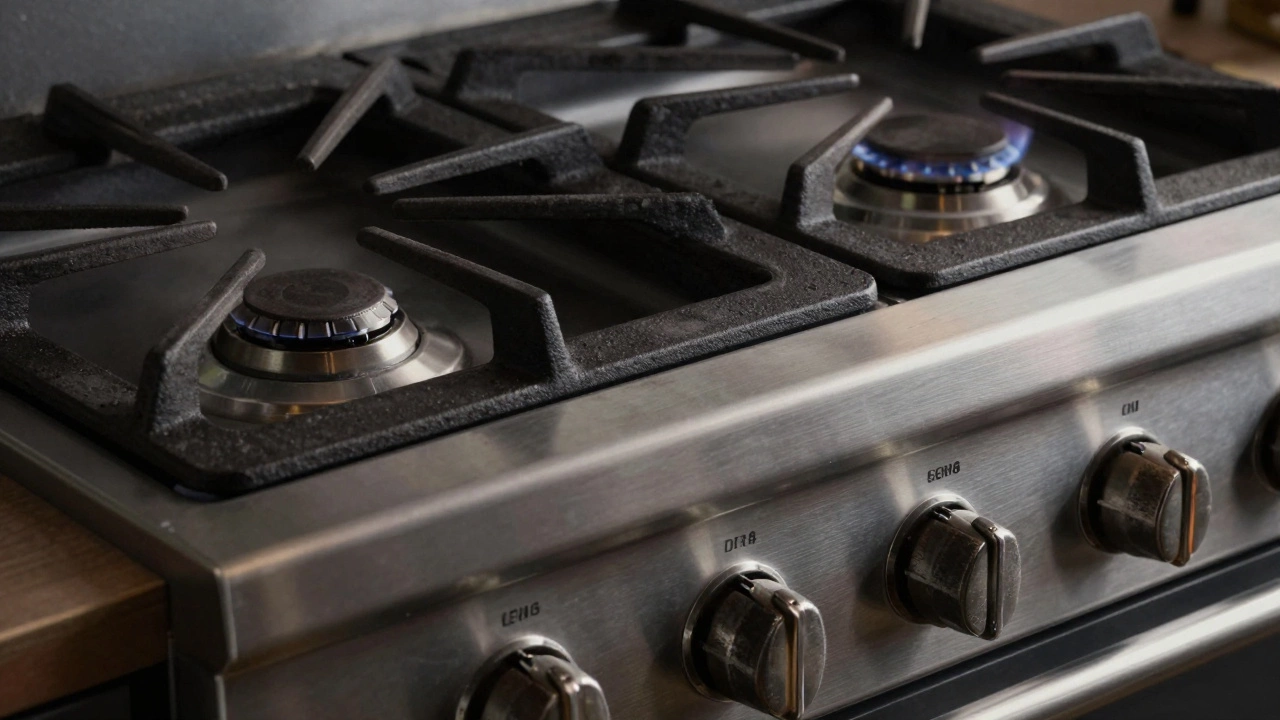
Ranges and Ovens: This is where Wolf excels. They build their ovens like tanks. In a world of thin sheet metal, Wolf uses heavy-duty cast iron grates and thick insulation. While a budget electric range might last 12 years, a professional gas range from Wolf can last 25 years if the burners are cleaned and maintained.
| Appliance | Budget Brands (Avg Years) | Mid-Range (Avg Years) | Luxury (Avg Years) |
|---|---|---|---|
| Refrigerator | 7 - 11 | 12 - 15 | 20+ |
| Dishwasher | 6 - 9 | 10 - 12 | 15 - 20 |
| Washing Machine | 8 - 11 | 11 - 14 | 15+ |
| Oven/Range | 10 - 13 | 15 - 18 | 25+ |
The "Smart Appliance" Trap
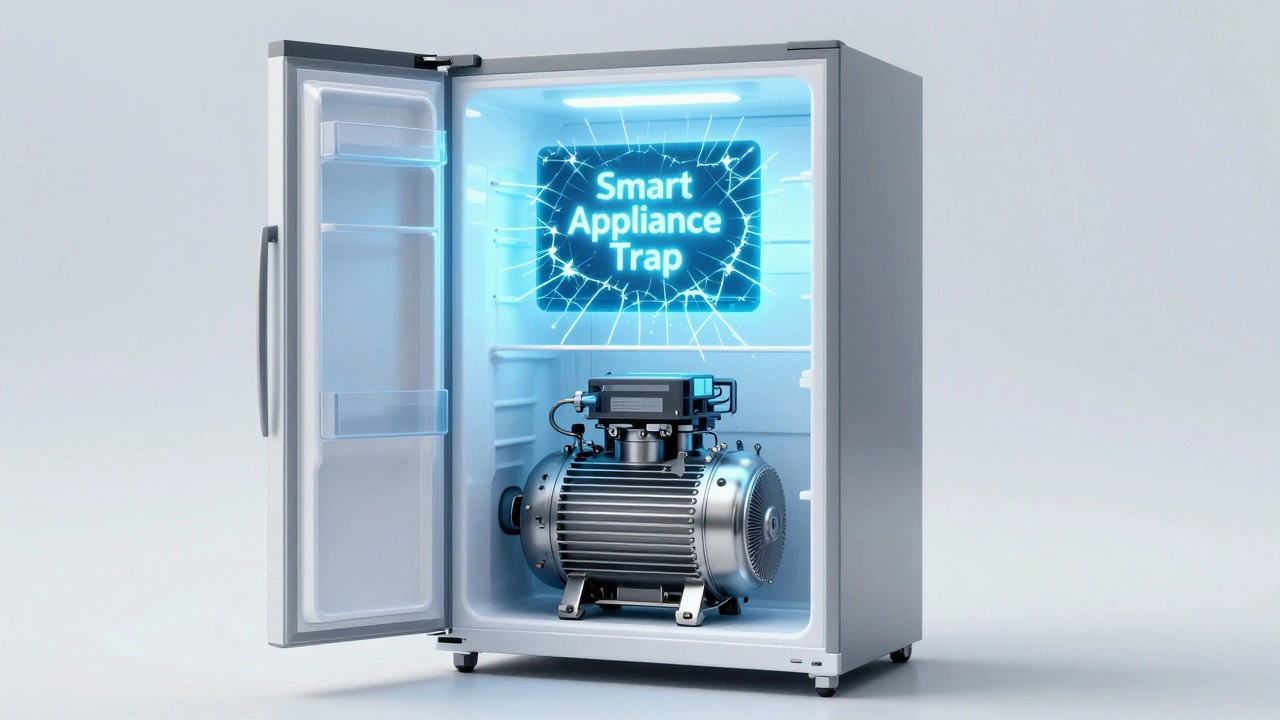
Here is a hard truth: the more a brand talks about "AI-powered" or "Smart Home Integration," the shorter the lifespan likely is. Why? Because software becomes obsolete long before hardware does. You might have a fridge with a perfectly good compressor, but the motherboard controlling the touchscreen dies, and the manufacturer no longer supports that software version. Suddenly, you have a 5,000-dollar brick.
If you're buying for the long haul, prioritize mechanical knobs over touchscreens. A physical dial is a simple electrical connection; a touch panel is a complex circuit board vulnerable to moisture and heat. When you're looking at a kitchen bundle, ask yourself: "Does this feature actually improve the cooking, or is it just a gadget?"
How to Make Any Brand Last Longer
The brand is only half the battle. Even a Miele will die early if you treat it poorly. Most "premature failures" are actually maintenance failures. For example, most people never clean their refrigerator condenser coils. When those coils get dusty, the compressor has to work twice as hard to move heat, which kills the motor years ahead of schedule.
In the dishwasher, the most common cause of death is a clogged filter. If you don't clear the debris, the pump strains and eventually burns out. Similarly, overloading a washing machine-especially high-efficiency front loaders-puts immense pressure on the bearings. If you hear a loud "roaring" sound during the spin cycle, your bearings are going, and that's usually a death sentence for the machine.
Pro tip: Use the right detergents. Using too many "pods" in a dishwasher can cause a buildup of residue that corrodes the seals. Stick to high-quality powders or gels and run a vinegar rinse once a month to keep the internals clean.
Choosing Your Bundle: The Strategy
If you're buying a full suite of appliances, you don't have to stick to one brand. Many people do this for the "best of all worlds" approach. You might get a Bosch dishwasher for the reliability, a Whirlpool fridge for the easy repairs, and a Wolf range for the raw power. If you do insist on a single-brand bundle for the matching look, go with a mid-to-high range brand like KitchenAid or GE Profile, which usually offer a better balance of parts availability and build quality than the ultra-budget lines.
Check the warranty, but don't rely on it. A 10-year warranty on a compressor is great, but it doesn't cover the labor to replace it. Some brands offer a limited warranty that sounds impressive but leaves you paying $600 in labor for a "free" part. Always check the availability of authorized service technicians in your specific city before committing to a luxury European brand.
Do expensive appliances always last longer?
Not necessarily. There is a difference between "luxury" (fancy features and design) and "professional" (heavy-duty components). A luxury brand with a lot of electronics may actually fail faster than a mid-range, simple-design machine. However, professional-grade brands like Sub-Zero or Miele generally do use higher-quality materials that outlast consumer models.
Which brand is best for a budget but still durable?
Whirlpool and Maytag are generally the best bets for budgets. They aren't the most energy-efficient or high-tech, but their designs are proven over decades, and they are the easiest for any technician to fix. This makes them a safer long-term bet than a budget-priced high-tech brand.
Why are modern appliances failing faster than old ones?
There are two main reasons: electronics and planned obsolescence. Old appliances were purely mechanical; new ones rely on printed circuit boards (PCBs) that can be fried by a single power surge. Additionally, many manufacturers have moved toward lighter materials and thinner metals to reduce costs, which reduces the overall structural lifespan.
Are induction cooktops more durable than gas?
Gas ranges are generally more durable because they have fewer electronic components. An induction cooktop relies on complex electromagnetic coils and cooling fans. While induction is faster and safer, the electronics are more prone to failure over a 15-year period compared to a simple gas burner.
Does a longer warranty mean a better product?
Not always. Some brands offer long warranties on a single part (like the compressor) while the rest of the machine is only covered for one year. Always look at the "full system" warranty and check customer reviews regarding the manufacturer's responsiveness to those warranty claims.
Next Steps for Your Purchase
If you're ready to buy, start by listing your "must-have" features. If a touchscreen is a must-have, accept that you're trading some longevity for convenience. If durability is your primary goal, look for a professional-grade unit with minimal digital interfaces. Before signing the contract, call a local appliance repair shop and ask them which brands they see the most often-and which ones they hate working on. They'll give you the real-world truth that a salesperson won't.