

Kitchen Appliance Deal Finder
Select an appliance below to see the optimal buying window and why.
Secondary Option:
You walk into a store or scroll through an online retailer, eyeing that shiny new dishwasher or the high-end stand mixer you’ve been drooling over. The price tag makes your wallet flinch. You know there’s a better time to buy, but when exactly? Is it Black Friday? January clearance? Or is there a secret window most people miss?
Here’s the truth: timing matters more than you think. Buying kitchen appliance bundles at the wrong time can cost you hundreds of dollars extra. But nail the timing, and you could save enough to cover dinner for a month-or even upgrade to a fancier model for the same price.
The Golden Window: Why September Rules
If you only remember one thing from this article, make it this: September is often the best month to buy major kitchen appliances. Why? It’s all about the retail cycle. Manufacturers release their new models in early fall, just before the holiday shopping season kicks into high gear. To clear out the old inventory, retailers slash prices on current models. This isn’t just a minor discount; we’re talking 15% to 30% off on big-ticket items like refrigerators, ovens, and dishwashers.
This phenomenon is known as "model year rollover." Unlike tech gadgets that update every few months, major appliances stick with a design for several years. When the 2027 models hit shelves in late August or September, the 2026 models become obsolete overnight-at least in the eyes of marketing departments. Retailers don’t want to carry last year’s stock into the holidays, so they pass those savings to you.
| Appliance Type | Best Month | Secondary Best | Reason |
|---|---|---|---|
| Refrigerators | September - October | May | New model releases & summer cooling demand drop |
| Dishwashers | September - October | January | Clearance of previous year's models |
| Ranges/Ovens | September - October | February | Holiday prep demand ends, new lines launch |
| Microwaves | November (Black Friday) | July | High-volume gift item discounts |
| Small Appliances | November | January | Gift-giving season promotions |
Don’t Ignore May: The Summer Shift
While September is king for major appliances, May holds a special place for specific categories. Think air conditioners, ceiling fans, and sometimes refrigerators. Why? Because as temperatures rise in North America, demand for cooling appliances spikes. But here’s the counter-intuitive part: retailers anticipate this surge and stock up heavily in April and May. They also know that many homeowners are tackling spring renovations. To compete for these renovation budgets, stores offer aggressive promotions on built-in appliances during this window.
If you’re replacing a fridge that died unexpectedly in June, you might pay full price. But if you plan ahead and buy in May, you catch the wave of "pre-summer" sales. These aren’t always clearance events; they are strategic marketing pushes to capture customers who are upgrading their kitchens before hosting summer barbecues.
The Myth of Black Friday: Good for Small, Not Always Big
Everyone knows November brings Black Friday deals. And yes, you will find discounts. But are they the *best* discounts? For small appliances-blenders, coffee makers, toaster ovens-yes. These items are popular gifts, so retailers go all-in on volume sales. You might snag a $200 stand mixer for $140. That’s a solid win.
But for large appliances? It’s trickier. Many "doorbuster" deals on fridges and washers come with caveats. Sometimes the discount is smaller than what you’d see in September. Other times, the deal is tied to financing offers that lock you into long-term debt. Plus, delivery slots around the holidays are notoriously hard to book. If you buy a dishwasher on Black Friday, you might not get it installed until January. If you need it now, that delay could be worth more than the $50 you saved.

January Clearance: The Post-Holiday Dump
After the holidays, warehouses are stuffed with returned items and unsold inventory. January is prime time for finding open-box deals. If you don’t mind a scratch on the side panel or a missing manual, you can score significant savings. However, selection is picky. You’ll likely find weird colors or discontinued models. If you have a custom kitchen layout that requires a specific width or finish, January might leave you empty-handed. But if you’re flexible, dig deep. You might find a barely-used premium model at mid-range prices.
How to Spot a Real Deal vs. Fake Discounts
Retailers love playing games with pricing. They might raise the "list price" just to mark it down later. How do you know if you’re actually saving money? Use history trackers. Websites like CamelCamelCamel for Amazon or PriceHistory for other retailers track price changes over time. Check the price three months ago. If it was lower then, today’s "sale" is a lie.
Also, look beyond the sticker price. Consider the total cost of ownership. Does the bundle include free delivery? Installation? Haul-away services? A $1,000 fridge with $200 in hidden fees is worse than a $1,100 fridge with everything included. In Vancouver, where narrow staircases and tight corners are common, professional installation can save you hours of headache-and potential damage to your walls.
Strategic Bundling: The Hidden Savings Hack
Sometimes, buying individual appliances separately costs more than buying them together. Retailers push kitchen appliance bundles to increase average order value. If you’re renovating a whole kitchen, ask about package deals. Even if you don’t need everything at once, some stores allow you to hold items in storage for a fee. Calculate the per-unit cost. If a washer-dryer combo saves you 10%, take it. But beware of bundling low-quality add-ons. Don’t buy a cheap microwave just because it comes "free" with a fancy oven. You’ll end up replacing it in six months anyway.
Vancouver Specifics: Local Nuances
Living in Vancouver adds a layer of complexity. Our damp climate affects how quickly appliances degrade, especially rust-prone parts in dishwashers and dryers. This means replacement cycles might be shorter here than in drier regions. Keep an eye on maintenance costs when comparing models. Also, local regulations regarding energy efficiency standards are strict. Ensure any appliance you buy meets BC Hydro’s rebate eligibility criteria. Often, the slightly more expensive model qualifies for a $50-$100 rebate, effectively lowering its net cost below cheaper, inefficient alternatives.
Checklist Before You Buy
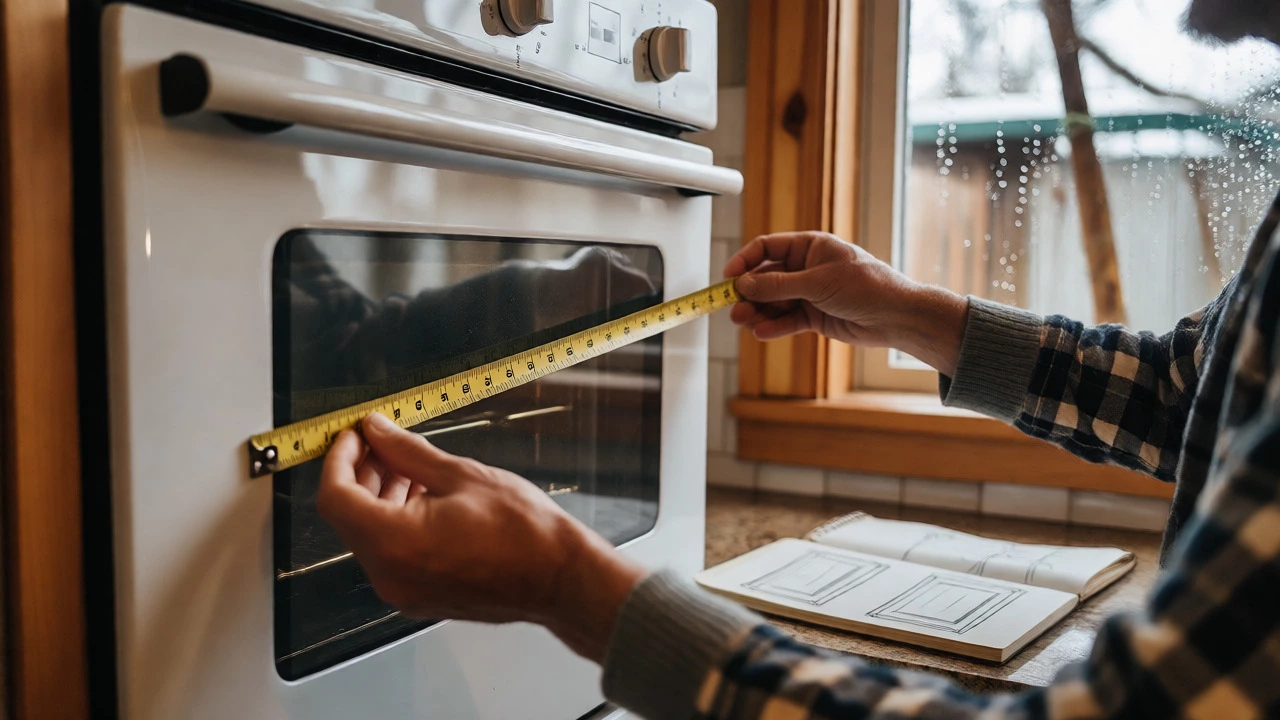
- Measure Twice: Confirm width, height, and depth. Include door swing space.
- Check Energy Ratings: Look for ENERGY STAR certification. Calculate annual operating costs.
- Verify Warranty: Does the manufacturer warranty start at purchase or delivery? Get it in writing.
- Delivery Fees: Ask if stairs incur extra charges. In older Vancouver homes, this is common.
- Return Policy: Know the restocking fee percentage if you change your mind.
Is Black Friday really the cheapest time to buy a refrigerator?
Not necessarily. While Black Friday offers good discounts on small appliances, major appliances like refrigerators are often cheaper in September and October due to new model releases clearing out old stock. Additionally, delivery availability is much better in the fall than during the holiday rush.
Can I negotiate the price of kitchen appliances?
Yes, especially at independent appliance stores or when buying multiple items. Large chain retailers have less flexibility, but you can often waive delivery fees or get extended warranties for free. Always ask, "Is this the best price you can offer today?" particularly if you're paying cash or using a competitor's quote.
What is the best month to buy a dishwasher?
September and October are ideal. This aligns with the industry-wide model year rollover, where retailers discount previous year's models to make room for new inventory. January is another option for open-box or clearance units, though selection may be limited.
Do kitchen appliance bundles actually save money?
They can, but you must calculate carefully. Compare the bundle price against the sum of individual prices. Be wary of bundles that include low-quality items just to justify the package. If you need all the items in the bundle, the savings are usually real. If you don't, you might be paying for things you'll never use.
Should I wait for New Year's sales for appliances?
New Year's sales are decent for small appliances and electronics, but less effective for major built-ins. By January, the best models from the previous year are sold out. You're left with leftovers. Unless you are flexible on color or features, September remains the superior choice for major purchases.