
Healthy Cooking Appliance Finder
What matters most to you?
Why this is right for you:
Discover Your Perfect Match
Select your cooking goals on the left to find the healthiest appliance for your lifestyle.
You bought the air fryer because it promised crispy food with less oil. It worked-for a while. But now you’re wondering if there’s a better way. Maybe you’re tired of the plastic smell, the small capacity, or the fact that “air frying” is just aggressive hot air blowing over your food. You want something healthier, cleaner, and perhaps more versatile. The good news? There are several excellent alternatives that deliver on health without sacrificing taste.
The truth is, an air fryer is a compact countertop convection oven that circulates hot air to cook food quickly. While it reduces oil usage by up to 80% compared to deep frying, it still relies on high-heat cooking methods that can create harmful compounds like acrylamide in starchy foods. If your goal is true health optimization, looking beyond the air fryer opens up a world of gentler, nutrient-preserving cooking technologies.
Why Look Beyond the Air Fryer?
Before jumping into alternatives, let’s address why you might want to switch. Air fryers are convenient, but they have limitations. First, the high temperatures (often 400°F/200°C) can degrade heat-sensitive nutrients like vitamin C and certain B vitamins. Second, the rapid drying effect can make food tough if not monitored closely. Third, many models use non-stick coatings that can release toxic fumes if overheated or scratch easily.
If you’re aiming for a diet rich in whole foods, preserving nutrients, and minimizing processed ingredients, other appliances offer superior results. Let’s explore the best healthy alternatives to the air fryer, ranked by their health benefits and versatility.
1. Convection Oven: The Full-Size Powerhouse
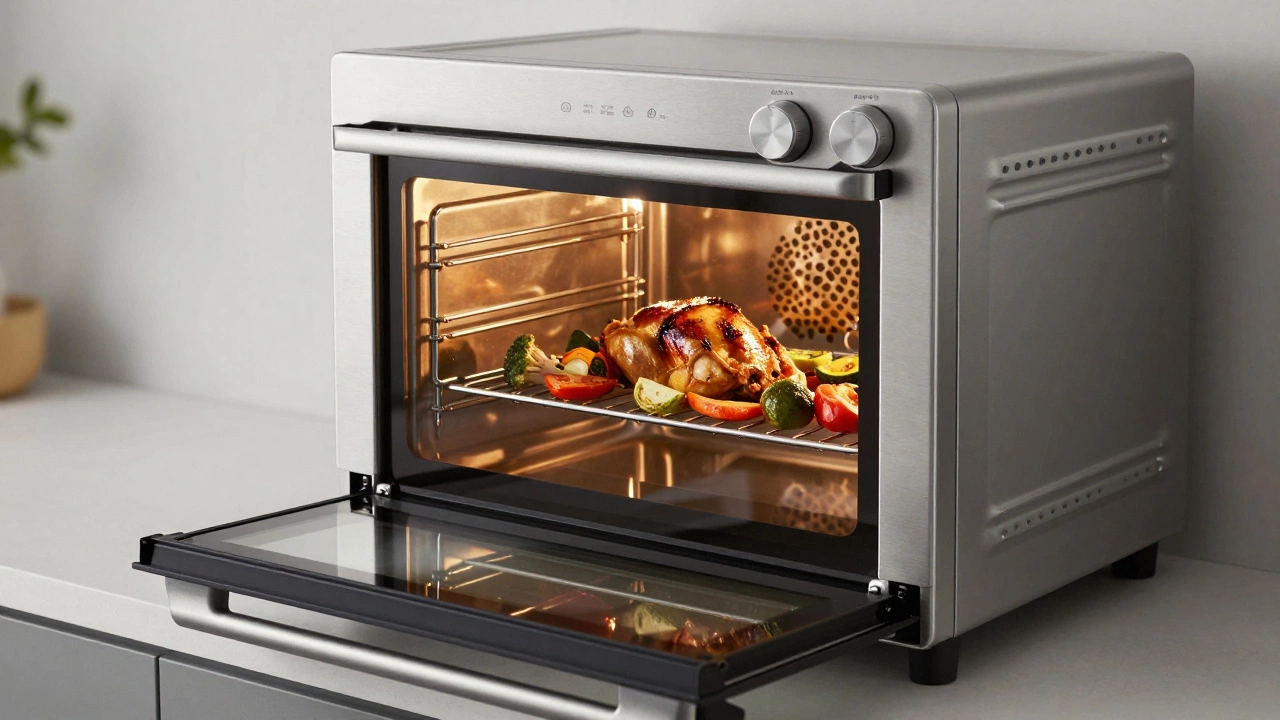
A convection oven is a standard oven equipped with a fan that circulates hot air for even cooking. Think of it as a big brother to the air fryer. Most modern ovens have a convection setting, and standalone countertop convection ovens exist too.
Health Benefits:
- Nutrient Preservation: Cooks at similar temperatures to air fryers but often with more precise control, allowing you to lower temps slightly while maintaining crispiness.
- No Plastic Parts: High-quality convection ovens use stainless steel or enamel interiors, eliminating concerns about plastic leaching.
- Versatility: Roast vegetables, bake fish, cook whole chickens-all in one appliance without needing multiple gadgets.
Best For: Families who cook large meals and want consistent results without preheating delays.
| Feature | Convection Oven | Air Fryer |
|---|---|---|
| Capacity | Large (multiple racks) | Small (single basket) |
| Material Safety | Stainless Steel/Enamel | Non-stick Coating/Plastic |
| Energy Efficiency | Moderate | High (for small portions) |
| Nutrient Retention | High (with temp control) | Moderate (high heat) |
2. Steamer: The Nutrient Guardian
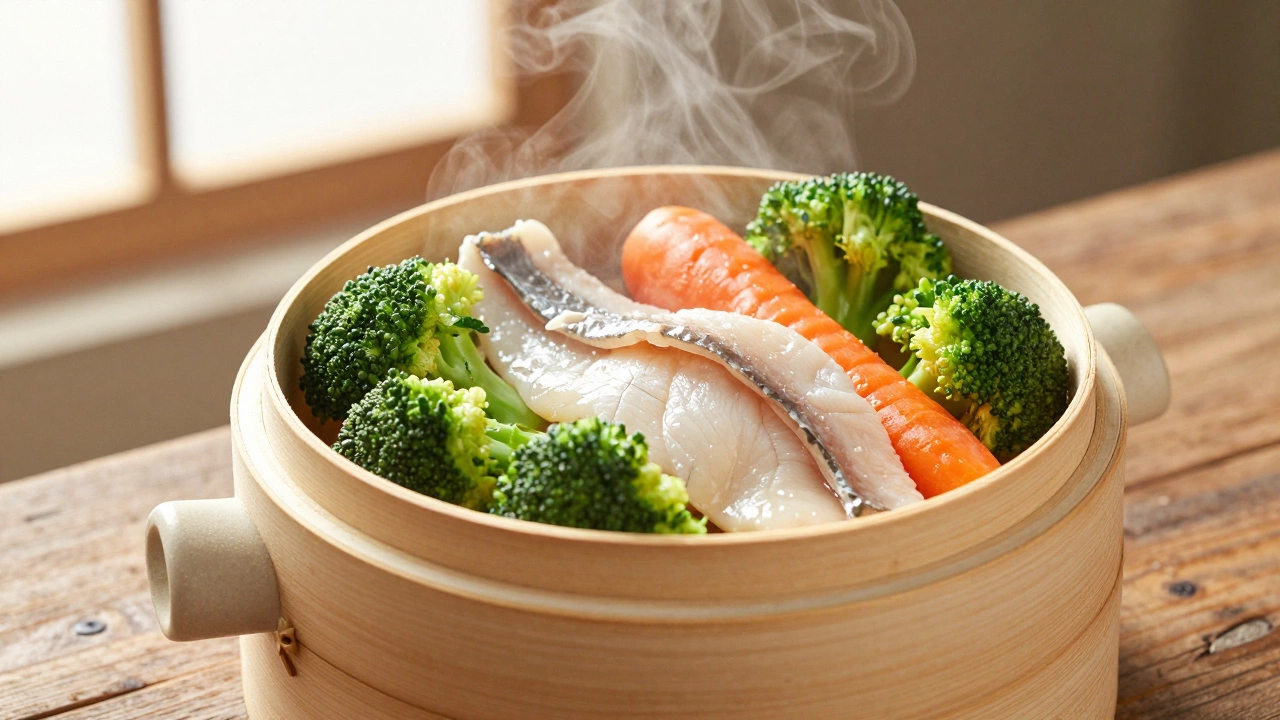
If your primary concern is maximizing nutrient intake, a steamer is an appliance that cooks food using steam generated from boiling water. Steaming is one of the healthiest cooking methods because it uses low temperatures (around 212°F/100°C) and no added fats.
Health Benefits:
- Maximum Nutrient Retention: Studies show steaming preserves up to 90% of water-soluble vitamins like vitamin C and folate, compared to boiling which can lose up to 50%.
- No Harmful Compounds: Low heat means no acrylamide formation, no Maillard reaction browning that can produce advanced glycation end products (AGEs).
- Hydration: Keeps food moist without adding butter or oil.
Best For: Cooking vegetables, fish, chicken breasts, and dumplings. Ideal for meal prep where texture and nutrition matter most.
Pro Tip: Use a bamboo steamer basket inside a regular pot if you don’t want to buy a dedicated electric steamer. Bamboo is natural, durable, and adds a subtle aroma.
3. Slow Cooker: Gentle and Flavorful
A slow cooker is an electrical appliance used for simmering food at low temperatures over long periods. Also known as a crockpot, it’s perfect for soups, stews, and braised meats.
Health Benefits:
- Tenderizes Lean Meats: Makes tough cuts affordable and palatable without adding fat.
- Flavor Development: Long cooking times allow spices and herbs to infuse deeply, reducing the need for salt or sugar.
- Minimal Supervision: Set it and forget it-no risk of burning or overcooking due to high heat.
Best For: Busy professionals who want home-cooked meals ready when they get home. Great for batch cooking and freezing.
4. Sous Vide Machine: Precision Cooking
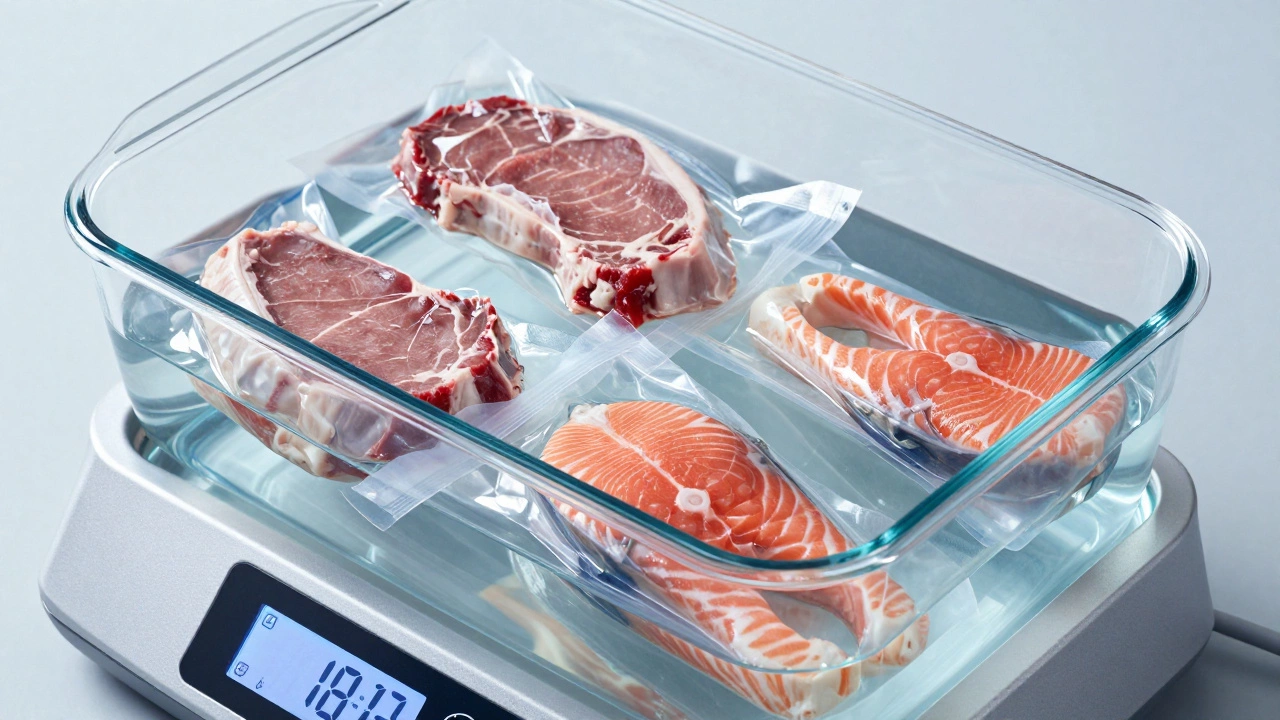
Sous vide is a method of cooking food in vacuum-sealed bags immersed in a temperature-controlled water bath. While technically a technique, sous vide machines have become popular countertop appliances.
Health Benefits:
- Exact Temperature Control: Prevents overcooking, ensuring proteins remain tender and juicy without charring.
- No Added Fats Needed: Food cooks in its own juices, so you don’t need oil or butter.
- Consistency: Every bite is perfectly cooked, reducing waste from dry or burnt portions.
Best For: Health-conscious individuals who eat a lot of meat, fish, or eggs and want restaurant-quality results at home.
5. Non-Stick Pan with Olive Oil: Simple and Effective
Sometimes, the simplest solution is the best. A high-quality non-stick pan made with ceramic or granite coating allows you to sauté vegetables and proteins with minimal oil.
Health Benefits:
- Control Over Ingredients: You decide exactly how much oil to use-often just a teaspoon.
- Quick Cooking: Preserves crunch and color in vegetables better than prolonged baking.
- Affordability: No need to buy expensive gadgets; a good pan lasts years.
Best For: Everyday cooking, stir-fries, scrambled eggs, and quick weeknight dinners.
How to Choose the Right Alternative
Selecting the right appliance depends on your cooking habits, dietary goals, and kitchen space. Here’s a quick decision guide:
- If you prioritize nutrient retention: Go with a steamer or sous vide machine.
- If you cook for a family: A convection oven or slow cooker offers larger capacity.
- If you want convenience: An air fryer alternative like a multi-cooker (Instant Pot style) combines pressure cooking, steaming, and sautéing.
- If you’re on a budget: Invest in a good non-stick pan and learn basic techniques.
Frequently Asked Questions
Is an air fryer actually unhealthy?
Not inherently, but it can be. Air fryers reduce oil usage significantly compared to deep frying, which is a plus. However, high-heat cooking can create acrylamide in starchy foods like potatoes and bread. Additionally, some air fryer baskets contain non-stick coatings that may degrade over time. Using them occasionally is fine, but relying on them exclusively isn’t the healthiest approach.
Which appliance retains the most nutrients?
Steaming is widely considered the best method for retaining nutrients. Because it uses lower temperatures and doesn’t submerge food in water, vitamins and minerals stay intact. Sous vide is also excellent for preserving nutrients in meats and fish due to precise temperature control.
Can I replace my air fryer with a convection oven?
Yes, absolutely. A convection oven performs the same function as an air fryer-circulating hot air to cook food quickly. The main difference is size. A convection oven can handle larger quantities and has more durable materials. Just adjust cooking times slightly since ovens take longer to preheat.
Are slow cookers safe for daily use?
Yes, slow cookers are very safe. They operate at low temperatures (usually between 170°F-280°F), which prevents bacterial growth. As long as you start with fresh ingredients and avoid leaving food out at room temperature for extended periods, slow cooking is a healthy and convenient option.
Do I need special pans for healthy cooking?
Not necessarily, but investing in a high-quality non-stick pan can help. Look for ceramic or granite-coated options that are free from PTFE and PFOA. These coatings allow you to cook with minimal oil, reducing calorie intake without sacrificing flavor.