
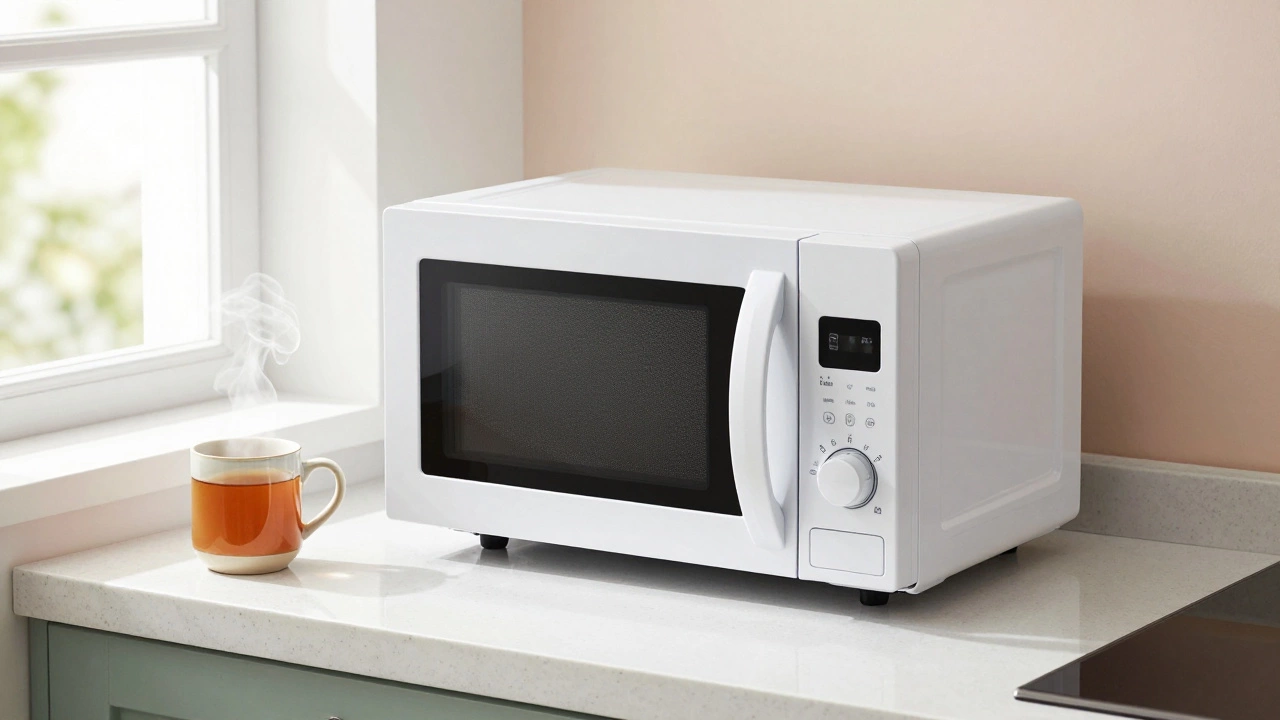
Microwave Size Finder for Couples
Answer a few questions about your lifestyle to find the recommended microwave size.
--
Please enter your details above.
- 0.7 to 0.9 cu ft: Perfect for reheating coffee, small bowls, and single servings.
- 1.1 to 1.6 cu ft: The "sweet spot" for most couples; fits standard plates and larger containers.
- 1.7+ cu ft: Only necessary if you use the microwave as your primary oven.
- Key Metric: Always measure your largest dinner plate before buying.
Understanding Microwave Capacity
When you look at a spec sheet, you'll see capacity listed in cubic feet (cu ft). This is essentially the volume of the interior. However, volume can be deceiving. A long, shallow microwave might have the same cubic footage as a square, deep one, but your square glass Tupperware won't fit in the shallow one.
For a two-person household, Microwave Oven is an electric oven that uses microwave radiation to heat food quickly. Most couples find that they land in the mid-size range, but your specific lifestyle determines if you can go smaller.
The Compact Choice: 0.7 to 0.9 Cubic Feet
If you live in a small apartment in a city like Vancouver or New York where counter space is a premium, a compact model is tempting. These are usually designed for dorms or offices, but they work for couples who primarily use the appliance for "quick hits."
Think about your habits. If you only use the microwave to melt butter, warm up a cup of tea, or heat a small bowl of soup, 0.7 cu ft is plenty. The downside? You'll likely find that your favorite 11-inch ceramic plate won't rotate. When a plate hits the walls of the Turntable (the rotating glass plate inside), it stops spinning. This leads to those annoying cold spots in your food where the middle is frozen but the edges are lava.
The Couple's Sweet Spot: 1.1 to 1.6 Cubic Feet
For 90% of couples, a mid-size microwave is the right call. Specifically, the 1.1 cu ft mark is where usability jumps significantly. At this size, you can fit a full-sized dinner plate and most standard rectangular containers without them getting stuck.
If you and your partner often share a large dish or prepare "TV dinners" for two, aiming for 1.2 to 1.5 cu ft gives you breathing room. You won't have to rearrange your food every two minutes to make sure it's heating evenly. This range also typically offers more Wattage, which is the measure of power. A 0.7 cu ft model might only have 700 watts, while a 1.1 cu ft model often hits 1,000 to 1,100 watts, meaning your food heats up faster and more consistently.
| Size (cu ft) | Best For | Typical Plate Fit | Power (Watts) |
|---|---|---|---|
| 0.7 - 0.9 | Small apartments, reheating liquids | Small/Medium | 700 - 900W |
| 1.1 - 1.6 | Average couples, meal prep | Large/Standard | 1000 - 1200W |
| 1.7+ | Large families, primary cooking | Extra Large | 1200W+ |
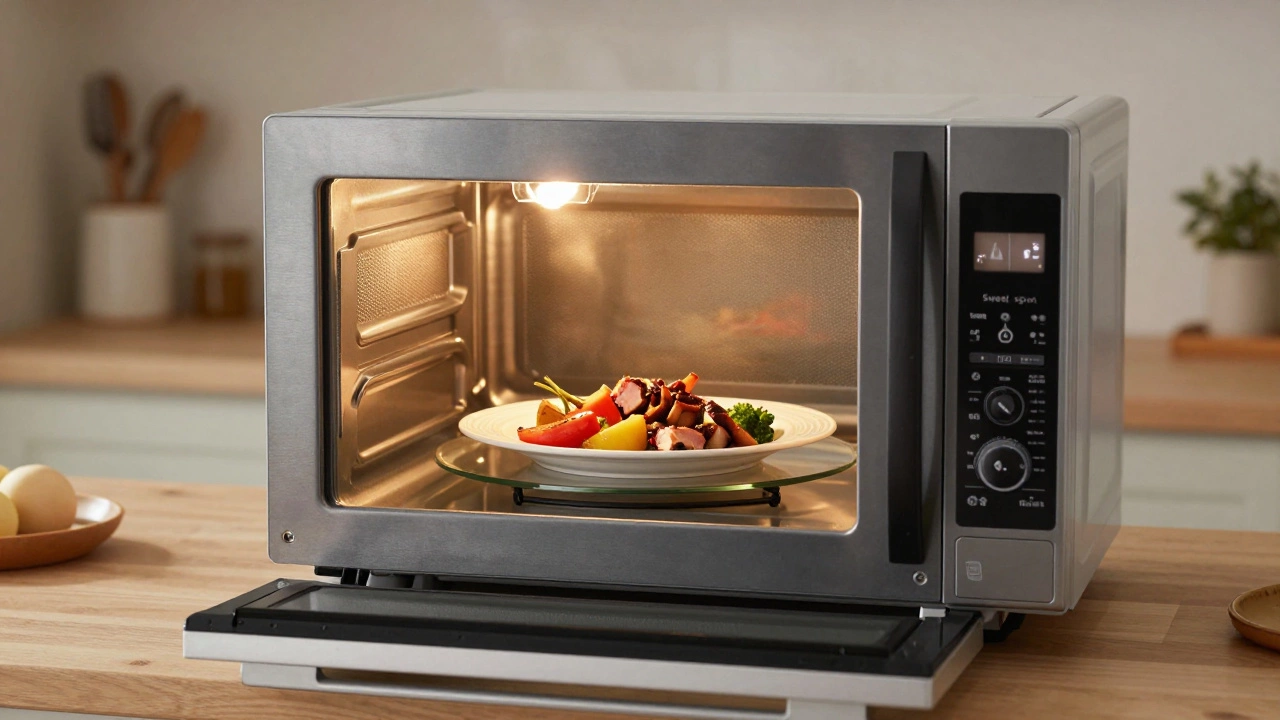
When to Go Big: 1.7 Cubic Feet and Above
You might be thinking, "Why not just get the biggest one?" The problem is physical footprint. A full-size microwave takes up a massive amount of real estate. However, if you don't have a traditional oven or if you frequently cook large casseroles, the jump to 1.7+ cu ft makes sense.
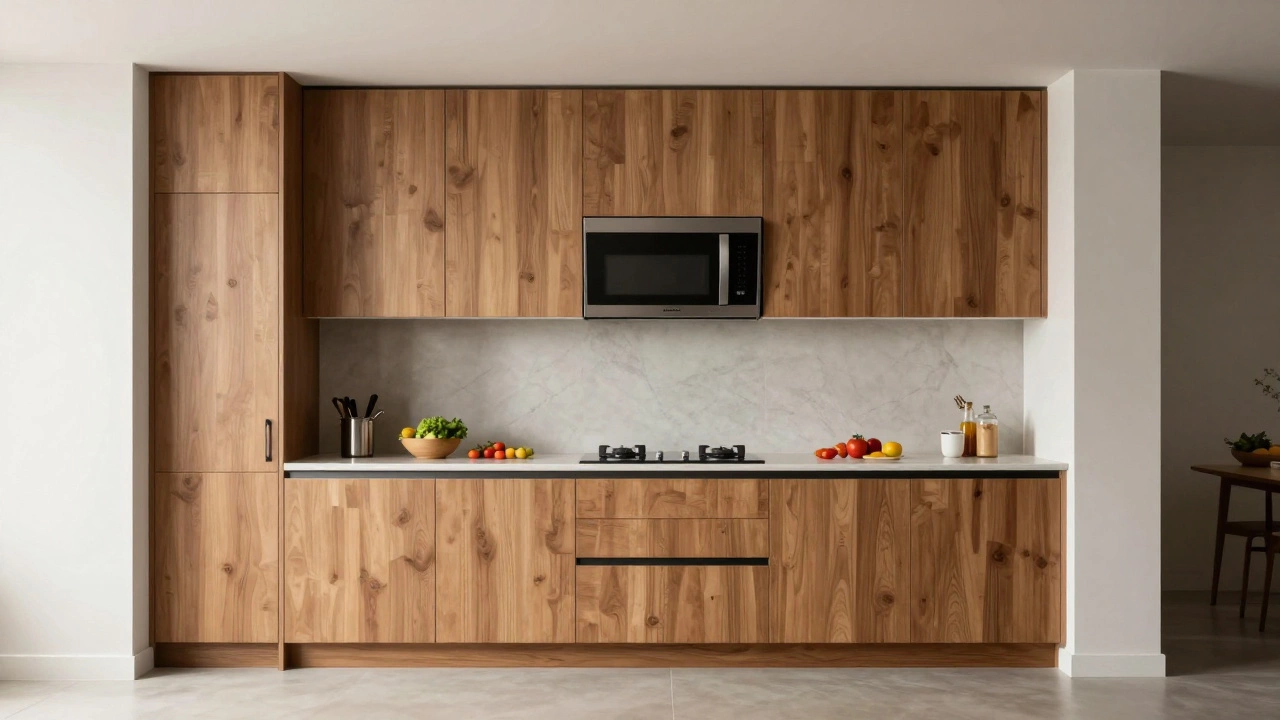
These larger units often come as Over-the-Range Microwaves, which save counter space by hanging under your cabinets. If you're choosing this route, you get the capacity of a large unit without losing your prep area. Just be careful-these can be harder to reach for shorter people and require professional installation to handle the venting.
Beyond Size: Features That Actually Matter
Size is the headline, but the a few other things will determine if you actually like using the machine. First, look at the Inverter Technology. Traditional microwaves pulse power (e.g., 50% power is actually 100% power half the time). Inverters provide a steady stream of low power, which is a lifesaver when you're trying to soften cream cheese or defrost meat without cooking the edges.
Another detail is the control panel. For two people, a simple "30-second" button is usually more valuable than a complex menu of 20 preset foods. You'll likely use the manual timer 95% of the time. If you frequently defrost frozen ingredients, check if the machine has a weight-based defrost setting rather than just a time-based one; it prevents the dreaded "half-frozen, half-boiled" chicken breast.
Common Pitfalls to Avoid
The biggest mistake people make is ignoring the exterior dimensions. A 1.1 cu ft microwave might fit your plate, but does it fit under your upper cabinets? Always measure the height of the gap between your counter and your cabinets. Remember that microwaves need air. If you jam a unit into a tight cubby without an inch of space around the vents, the Magnetron (the component that generates the microwaves) will overheat, and the machine will burn out years before its time.
Also, consider the noise. Some smaller, cheaper units have loud, rattling fans that can be annoying in an open-concept living space. If you're sensitive to noise, look for models with better insulation or higher brand ratings for quiet operation.
Making the Final Decision
To pick the right one, do a quick audit of your kitchen. Find the largest bowl or plate you use daily. Measure its diameter. If it's over 10 inches, skip the 0.7 cu ft models entirely. If you frequently heat up two plates at once (which is rare but happens), you'll need to look at the 1.6+ range.
For most of us, a best microwave size for couples is roughly 1.1 to 1.3 cubic feet. It's the perfect balance: it doesn't dominate the room, but it doesn't force you to eat your pasta out of a tiny ramekin. It's the utility player of the kitchen-reliable, efficient, and just big enough to handle the daily grind of two people sharing a space.
Can two people fit their meals in a 0.7 cu ft microwave?
Yes, but you'll likely have to heat your meals one after the other. These units are too small to fit two standard plates side-by-side, and even a single large plate might struggle to rotate, leading to uneven heating.
Is a 1.1 cu ft microwave too big for a small kitchen?
Usually not. While it's larger than a compact model, the trade-off in functionality-like being able to fit a standard dinner plate-usually outweighs the few extra inches of counter space it occupies.
What is the difference between wattage and cubic feet?
Cubic feet refers to the physical size (volume) of the inside of the microwave. Wattage refers to the cooking power. A larger microwave generally has higher wattage, meaning it can heat food faster and more effectively.
Should I get a countertop or over-the-range microwave?
If you have plenty of counter space, a countertop model is cheaper and easier to replace. If your kitchen is tiny, an over-the-range model saves space and often includes a vent fan for your stove, though it is more expensive to install.
Do I really need a microwave with an inverter?
It's not a necessity, but it's a huge quality-of-life upgrade. Inverters allow for true low-power cooking, which prevents food from overcooking on the edges while remaining cold in the center.
Next Steps and Troubleshooting
If you've already bought a microwave that feels too small, try using smaller, deeper bowls rather than wide plates to maximize the turntable's efficiency. If you find your food isn't heating evenly, try the "ring method"-push the food to the edges of the plate and leave a hole in the middle.
For those moving into a new place, always check the voltage of the outlets in the kitchen. Most standard microwaves work on a normal 120V outlet, but some high-end, full-size models require dedicated circuits to avoid tripping your breaker every time you pop some popcorn.