
Air Fryer Worth It Calculator
Fill out the form to see if an Air Fryer is right for you, or if you should skip it and save counter space.
For a few years, it felt like everyone had one. You couldn’t walk into a kitchen without seeing that boxy, plastic appliance sitting on the counter. But lately, the conversation has shifted. Instead of asking where to buy the best model, people are asking why they’re storing theirs in the garage. Is the air fryer trend finally over? Or is this just a natural correction after a massive hype cycle?
The short answer is yes, many people are moving on. But it’s not because the technology failed. It’s because the novelty wore off, the limitations became obvious, and better alternatives entered the market. If you’re standing in an aisle wondering if you should buy one, or staring at your own gathering dust, here is the real story behind the decline.
The Novelty Wore Off: Why We Bought Them in the First Place
To understand why people are leaving, we have to look at why they arrived. Around 2018 and 2019, Air Fryers were marketed as magic health devices. The pitch was simple: get crispy food with little to no oil. For people trying to eat healthier during the pandemic lockdowns, when cooking at home became a daily routine, this was irresistible.
They were also cheap. You could pick up a decent model for under $50. They fit on any counter. They cooked frozen fries faster than a conventional oven. It was the perfect storm for a viral product. Social media influencers posted videos of golden-brown wings and crispy broccoli, creating a sense of FOMO (fear of missing out). If you didn’t have one, you were missing out on easy, healthy meals.
But here’s the thing about convenience gadgets: they only stay convenient until you realize they aren’t solving a fundamental problem. Once the initial excitement faded, users started noticing the friction points. The cleanup was annoying. The capacity was tiny. And frankly, the food often tasted... fine. Not amazing. Just okay.
The Capacity Problem: Great for One, Terrible for Families
This is the number one reason cited by former owners. Most standard air fryers hold between 3 to 5 quarts. That sounds enough until you try to cook dinner for four people. You can fit maybe two chicken breasts or a handful of fries. If you want more, you have to cook in batches.
Cooking in batches kills the "quick meal" promise. By the time you finish the second batch, the first batch is cold. So you have to reheat it. Now you’ve spent 40 minutes making what should have been a 15-minute meal. For single people or couples, this isn’t a dealbreaker. But for families, it’s a logistical nightmare.
Larger models exist, often called "dual zone" or XL air fryers. These can hold 8 to 10 quarts. But they are huge. They take up half your countertop space. And they cost significantly more-often $150 to $300. At that price point, consumers start comparing them to other appliances, which leads us to the next issue.
The Countertop Space War
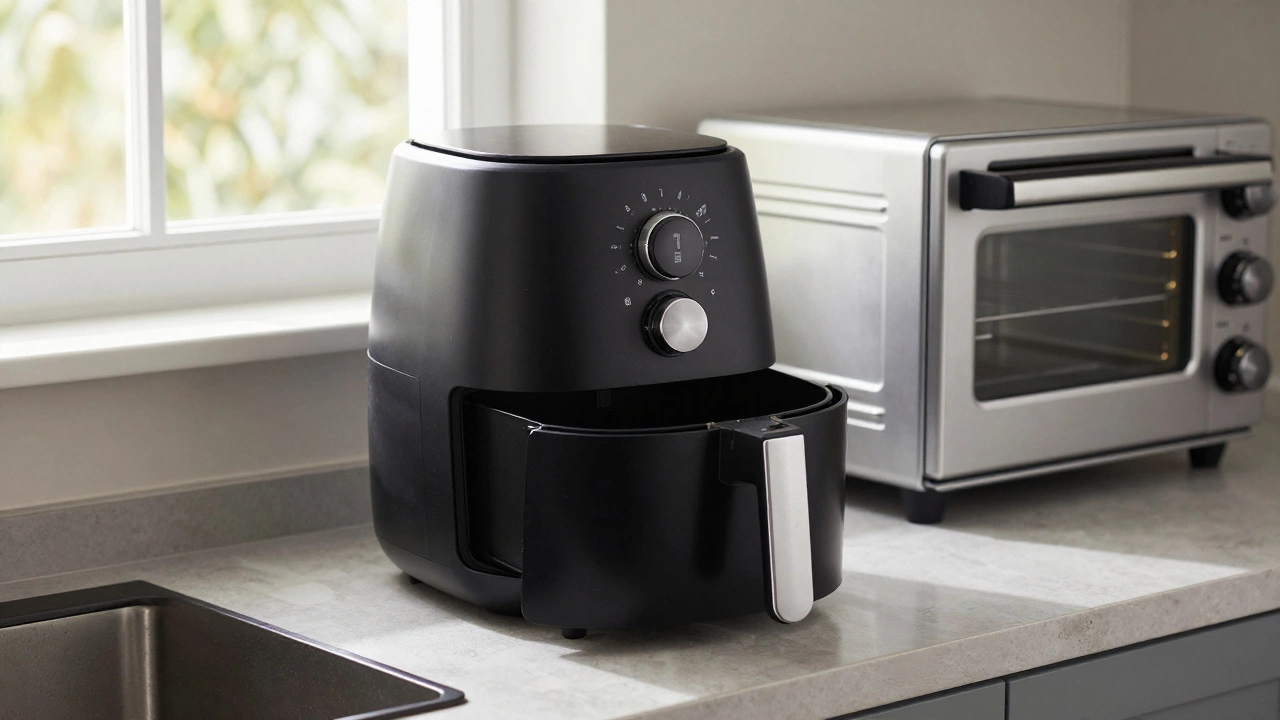
Kitchen counters are prime real estate. In smaller apartments and homes, every square inch matters. An air fryer is bulky. It’s deep. It sticks out. And once you put it there, you rarely move it because it’s heavy and full of grease traps.
People are realizing they don’t need another dedicated machine for one specific task. This is part of a broader trend toward multi-function appliances. Why have a toaster, a microwave, an air fryer, and a dehydrator when one device can do all those things? The rise of the Countertop Convection Oven has directly impacted air fryer sales. Brands like Breville, Cuisinart, and Ninja offer ovens that air fry, bake, roast, and toast. They take up similar space but offer five times the utility.
If you already own a good convection oven, an air fryer is redundant. It does the same thing-circulating hot air-but on a smaller scale. Many people are ditching the standalone air fryer to reclaim counter space, opting instead for a larger, more versatile oven that fits their lifestyle better.
The Cleanup Hassle Nobody Talks About
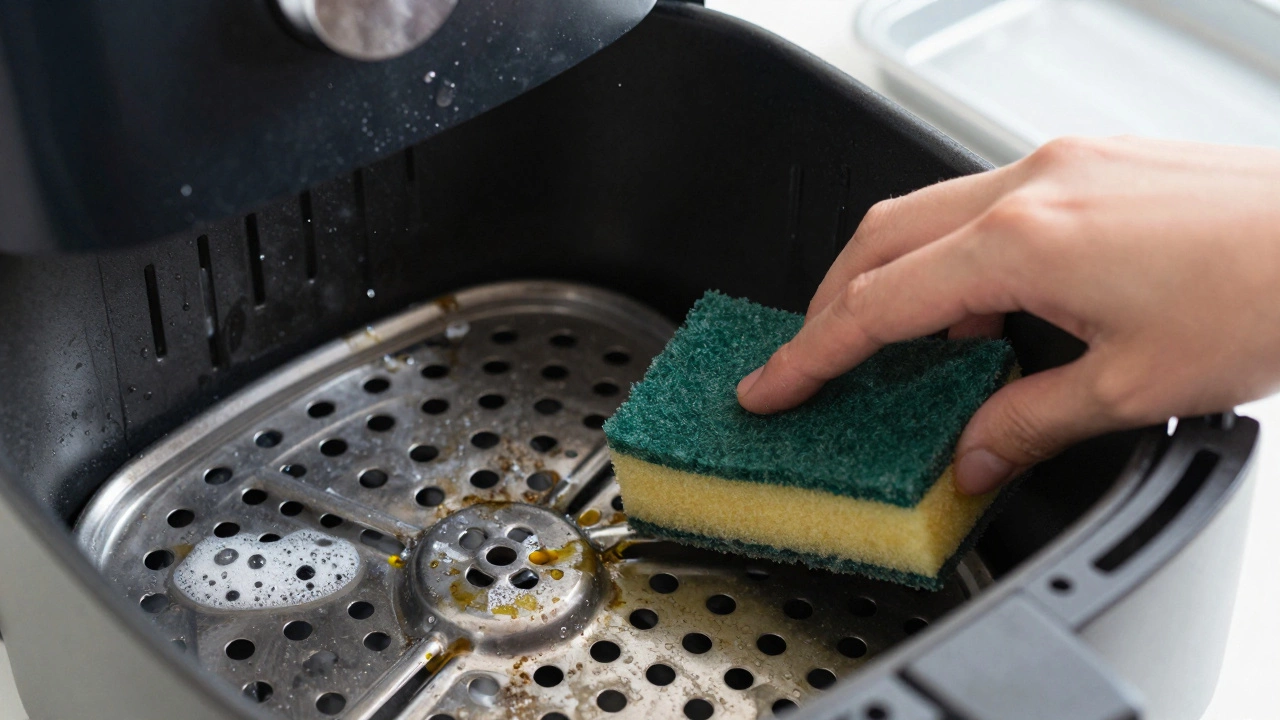
Social media posts show the finished dish. They don’t show the basket. Air fryer baskets are coated with non-stick material, usually Teflon or a ceramic alternative. While easy to clean initially, these coatings degrade over time. Scratches appear. Food sticks. Grease builds up in the crevices of the rack.
You can’t always throw the basket in the dishwasher. Many manufacturers recommend hand washing to preserve the coating. Hand washing a greasy, perforated metal basket is tedious. You have to scrub between the holes. If you forget to wash it immediately, the oil hardens. Suddenly, your "quick" snack required a ten-minute scrub session.
Compare this to a sheet pan in the regular oven. You line it with parchment paper. When you’re done, you toss the paper. Done. No scrubbing. No waiting for the basket to cool down before handling it. For many home cooks, the trade-off of slightly longer cook time in a regular oven is worth the reduction in cleanup effort.
Better Alternatives Have Emerged
The market has evolved. Ten years ago, air fryers were the only game in town for rapid air circulation. Today, options abound.
| Appliance | Best For | Capacity | Cleanup Difficulty | Cost Range |
|---|---|---|---|---|
| Standalone Air Fryer | Small snacks, reheating leftovers | Low (3-5 qt) | Medium (basket scrubbing) | $30 - $100 |
| Convection Oven | Families, baking, roasting | High (Full size) | Low (Sheet pans) | Built-in |
| Countertop Toaster Oven | Versatility, small kitchens | Medium (4-6 slices) | Low (Tray removal) | $80 - $300 |
| Air Fryer Lid | Space savers, cast iron owners | Depends on pan | Medium (Lid + Pan) | $50 - $80 |
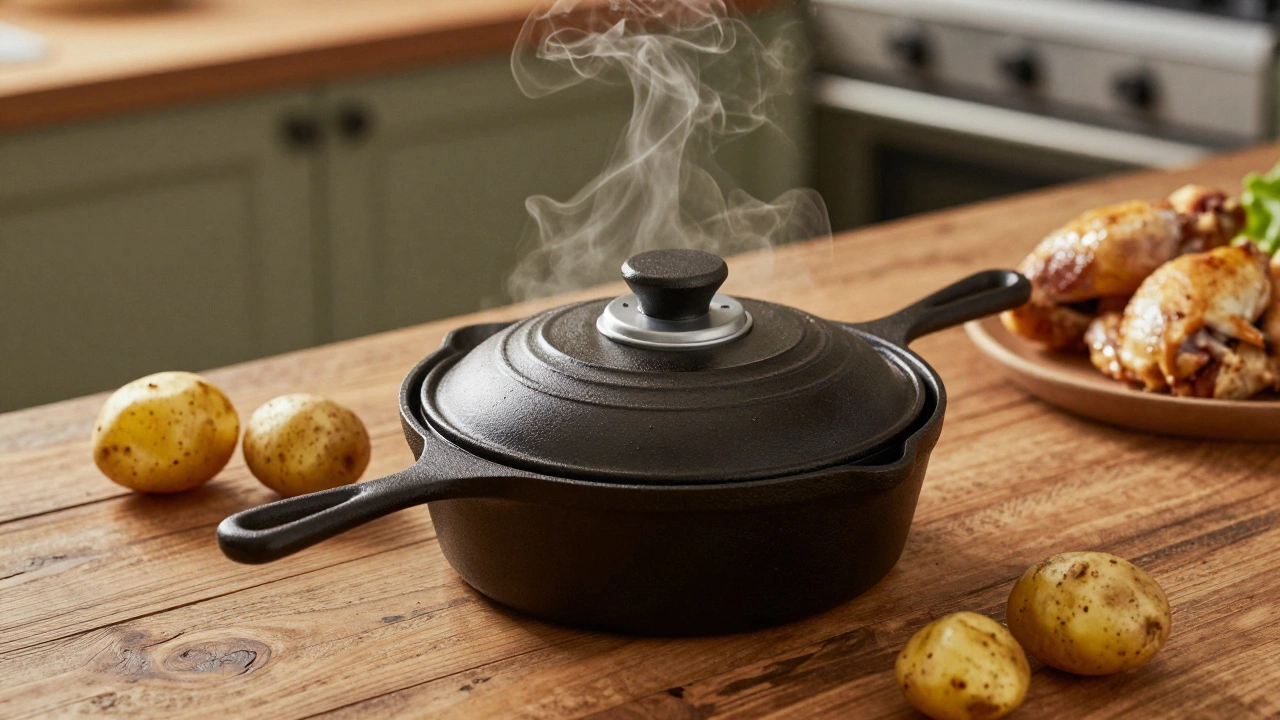
One interesting innovation is the Air Fryer Lid. These are lids that convert your existing Dutch oven or cast iron skillet into an air fryer. A fan sits on top, circulating heat. This appeals to minimalists who already own great cookware. It eliminates the need for a separate plastic basket and saves counter space entirely. If you love cooking in cast iron, this is a compelling alternative that keeps your favorite pans while adding air-fry functionality.
Additionally, modern microwaves with "grill" or "convection" modes have improved drastically. Some high-end microwaves can crisp food surprisingly well. For someone who just wants to reheat pizza or cook frozen veggies quickly, a quality microwave might suffice, rendering the air fryer obsolete.
Health Concerns and Acrylamide
While air frying is generally healthier than deep frying because it uses less oil, recent studies have raised questions about acrylamide formation. Acrylamide is a chemical that forms in starchy foods when cooked at high temperatures. It’s classified as a probable human carcinogen.
Some research suggests that air frying can actually produce higher levels of acrylamide in certain foods, like french fries, compared to boiling or steaming, because of the intense, direct heat exposure. While the amounts are still within safe limits for occasional consumption, health-conscious consumers are becoming more informed. They’re realizing that "air fried" doesn’t automatically mean "healthy." It’s still processed, high-heat cooking. This nuance has dampened the enthusiasm for some buyers who bought the appliance primarily for health reasons.
Is It Still Worth Buying?
So, should you join the exodus? Not necessarily. It depends on your cooking habits.
You should keep or buy an air fryer if:
- You live alone or with one other person.
- You eat a lot of frozen convenience foods (fries, nuggets, wings).
- You want to reheat leftovers to make them crispy again (pizza, fried chicken).
- You don’t have a convection oven feature in your main oven.
You should skip it if:
- You cook for a family of three or more.
- You have limited counter space.
- You already own a countertop convection oven.
- You hate cleaning non-stick baskets.
- You mostly cook fresh vegetables and meats from scratch (a regular oven or skillet works fine).
The decline of the air fryer isn’t a failure of the product. It’s a maturation of the market. Consumers are smarter now. They value versatility, space efficiency, and ease of cleanup over a single gimmick. The air fryer served its purpose: it introduced millions of people to the benefits of rapid air circulation. Now, that technology is being integrated into better, more robust appliances. The standalone box is fading, but the cooking method is here to stay.
Are air fryers going out of style in 2026?
Yes, standalone air fryers are losing popularity. Sales have plateaued or declined as consumers shift toward multi-function countertop ovens and built-in convection features. The technology remains useful, but the dedicated appliance is seen as redundant by many.
What is the best alternative to an air fryer?
A countertop convection toaster oven is the best alternative. It offers air frying capabilities along with baking, broiling, and toasting. For those with cast iron skillets, an air fryer lid is a space-saving option.
Do air fryers produce harmful chemicals?
Air frying can produce acrylamide, especially in starchy foods like potatoes, due to high-heat cooking. However, levels are generally considered safe by health authorities. Using less oil makes it healthier than deep frying, but it is not a "health food" method.
Why do people complain about air fryer cleanup?
The perforated baskets trap grease and food particles. Non-stick coatings wear down over time, causing food to stick. Hand washing is often required to maintain the coating, which is more tedious than wiping down a smooth tray or using parchment paper in a regular oven.
Can I use my regular oven to air fry?
If your oven has a "convection" setting, yes. Convection ovens circulate hot air similarly to air fryers. You may need to adjust the temperature slightly lower and check food earlier, but the results are comparable for most recipes.