
You've spent a paycheck on a massive 4K screen, but the real question isn't about the picture quality-it's about how many years you'll actually get before a line of dead pixels appears or the backlight decides to quit. Most of us just hope for the best, but the reality is that some brands build their hardware to be disposable, while others focus on sustainable engineering. If you're tired of the "three-year itch" where your electronics start failing right after the warranty expires, you need to look at the actual build quality and panel types rather than just the marketing fluff.
Quick Takeaways on TV Longevity
- LED/LCD TVs generally outlast OLEDs in terms of pure years, though they lose brightness faster.
- Sony often leads in long-term software support and high-grade capacitors.
- LG and Samsung dominate the market but have more variance in panel reliability across their budget lines.
- Heat is the #1 killer of TVs; proper ventilation can add 2-3 years to any brand's life.
The Real Truth About TV Lifespans
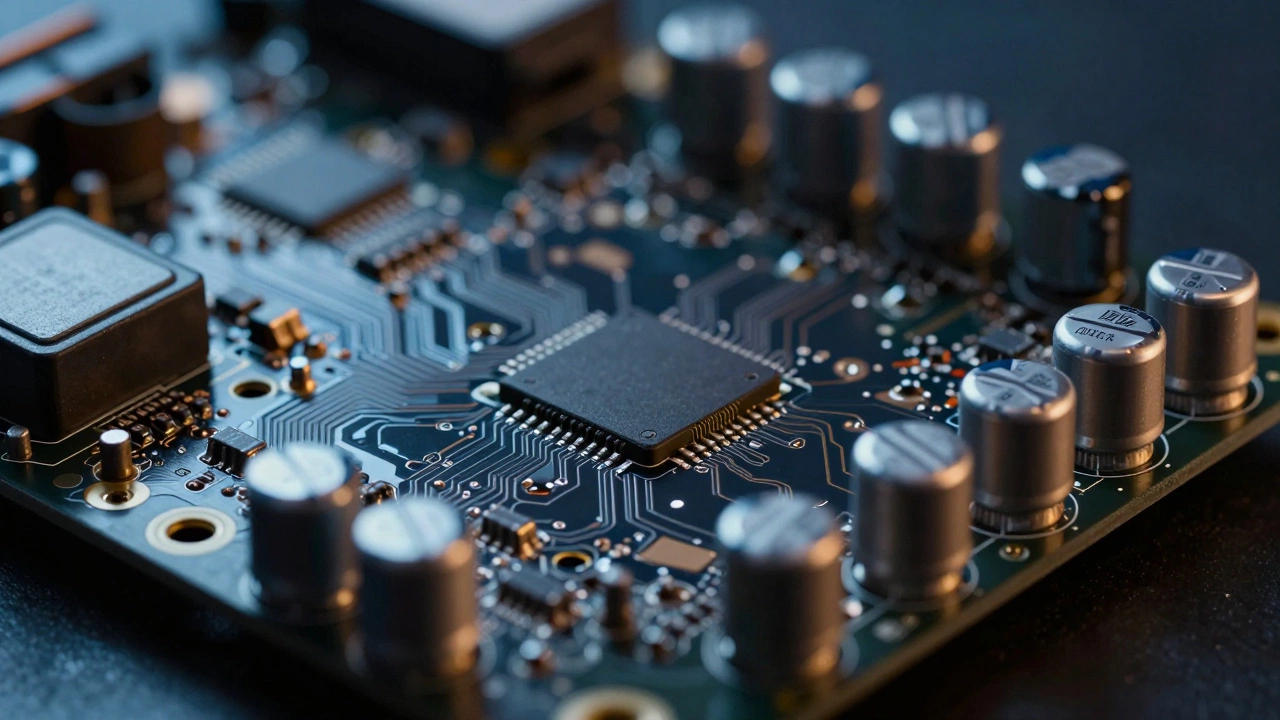
Before picking a brand, you have to understand that a Smart TV is a complex assembly of a display panel, a motherboard (main board), and a power supply unit . When a TV "dies," it's rarely the whole thing. Usually, it's one specific component. For instance, a blown capacitor on the power board can make a TV look dead, but a technician can fix that in twenty minutes. However, if the panel itself develops "burn-in" or vertical lines, you're essentially looking at a very expensive piece of electronic waste.
On average, a modern TV lasts between 7 and 10 years. But there is a huge gap between a budget brand and a premium one. Cheap sets use lower-grade capacitors that dry out faster under heat. Premium sets use higher-rated components that can handle voltage spikes and heat dissipation much better. If you want a TV that lasts a decade, you can't buy the cheapest option at the big-box store; you're paying for the components that keep the machine running.
Comparing the Big Players: Sony, Samsung, and LG
When we talk about reliability, these three giants operate differently. Sony is often cited by repair technicians as having better quality control on their internal boards. They tend to use more robust components that resist overheating. If you're looking for the longest lasting TV brands, Sony's high-end Bravia line is a strong contender because they don't rush their hardware cycles as aggressively as some competitors.
Samsung is the king of variety. Their QLED technology is a massive win for longevity. Because QLEDs use a quantum dot layer over an LED backlight, they don't suffer from the organic degradation that hits OLEDs. A Samsung QLED can stay bright for a decade without the colors shifting or the image fading. However, their budget Crystal UHD series is a different story-they are built for price, not for the long haul.
LG praticamente invented the modern OLED (Organic Light Emitting Diode) market. While LG OLEDs have stunning contrast, organic materials naturally decay. This is where the "lifespan" conversation gets tricky. An LG OLED might have a perfect motherboard, but the pixels themselves have a finite number of hours. To combat this, LG uses "pixel shifting" and "screen savers" to prevent burn-in, but physically, an LED TV will always outlast an OLED in a side-by-side marathon.
| Brand/Tech | Expected Lifespan | Main Weak Point | Best For... |
|---|---|---|---|
| Sony (High-End) | 8-12 Years | Price premium | Long-term stability |
| Samsung QLED | 7-11 Years | Backlight bleed | Bright rooms & durability |
| LG OLED | 5-8 Years | Pixel burn-in | Cinematic quality |
| Budget Brands (TCL/Hisense) | 3-6 Years | Panel failure/Software lag | Short-term value |
The Battle of the Panels: LED vs. OLED vs. Mini-LED
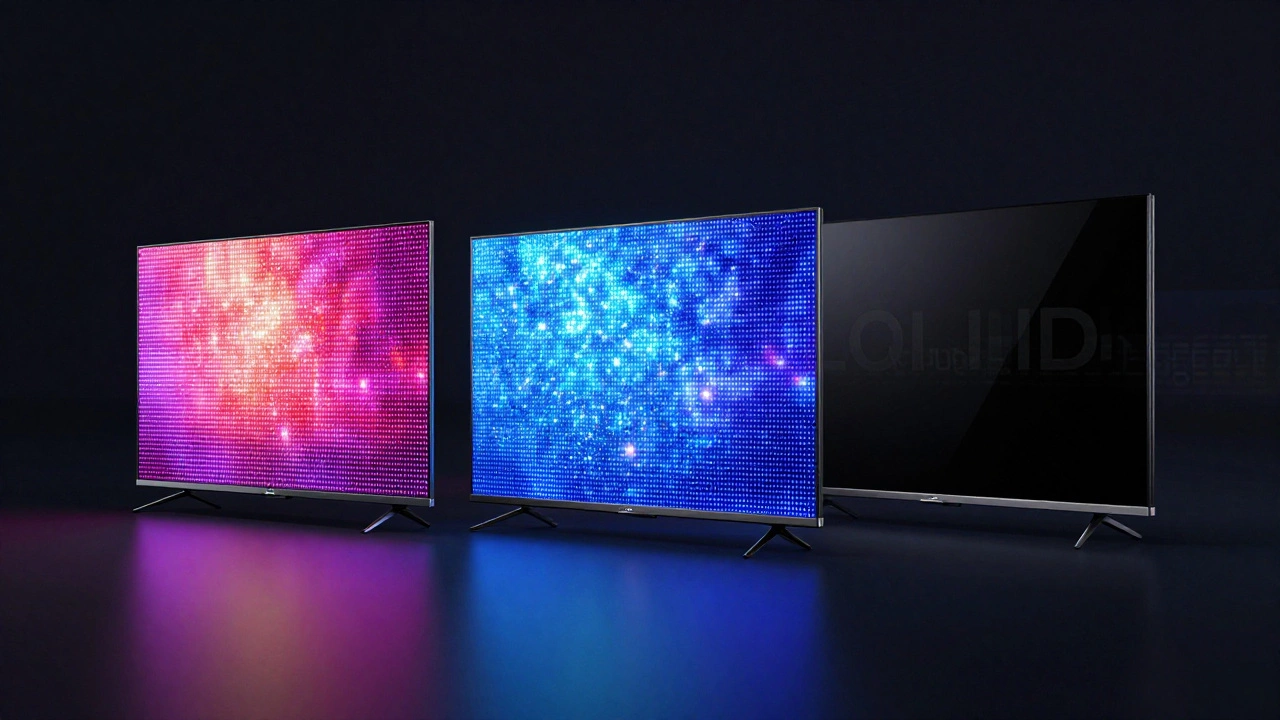
If your goal is sheer longevity, the type of panel matters more than the logo on the front. LED TV (which are actually LCDs with LED backlighting) are the tortoises of the TV world. They are slow to evolve but last forever. The backlight is separate from the pixels, so even if the brightness dips slightly over ten years, the image remains stable.
Then you have Mini-LED, which is the current gold standard for those who want OLED-like blacks without the anxiety of burn-in. Mini-LEDs use thousands of tiny LEDs. Because they aren't organic, they don't "wear out" in the same way. If you're gaming for 10 hours a day with static HUDs (like health bars and maps), a Mini-LED TV from Samsung or Sony will drastically outlast an OLED.
OLEDs are for the purists. Yes, they are beautiful, but you are essentially buying a product with a built-in expiration date. While LG has made huge strides in "MLA" (Micro Lens Array) technology to make pixels more efficient, the physics of organic carbon remains the same: it breaks down over time. If you plan to keep your TV for 15 years, avoid OLED entirely.
Hidden Killers: Why Your TV Actually Dies
It's rarely just "bad luck." Most TV failures are caused by a few specific environmental factors. Heat is the biggest enemy. If you've ever tucked your TV into a tight recessed wall nook without airflow, you've effectively shortened its life by 30%. The heat builds up behind the panel, cooking the capacitors on the main board.
Another silent killer is power instability. In cities with old electrical grids or areas prone to surges, the power supply unit (PSU) takes the hit. A high-end Sony TV is more likely to survive a minor spike than a budget set, but no TV is immune. Using a Surge Protector isn't just a suggestion; it's a requirement if you want your investment to last.
Then there's the "Smart" part of the Smart TV. The hardware (the screen) often outlasts the software. You might have a perfectly functioning 4K panel, but the built-in apps become slow and unsupported after five years. This is why I always recommend using an external Streaming Device (like an Apple TV or Nvidia Shield). By offloading the processing to a separate box, you reduce the heat load on the TV's internal motherboard and can simply upgrade the box every few years without replacing the whole screen.
How to Maximize Your TV's Life
You don't have to be a technician to make your TV last longer. A few simple habits can keep your panel pristine. First, stop leaving your TV on a news channel all day. Static banners and tickers are the primary cause of burn-in on OLEDs and can cause uneven wear on LEDs. Turn it off when you're not watching.
Second, adjust your brightness. Running your backlight at 100% all the time is like redlining your car engine on the highway. It works, but it wears the components down faster. Dropping your backlight to 70-80% is barely noticeable in a dim room but significantly reduces the heat and stress on the LEDs.
Third, keep it clean-but not with window cleaner. Ammonia-based cleaners can strip the anti-reflective coating off your screen, which doesn't "kill" the TV, but it ruins the viewing experience. Use a dry microfiber cloth. If it's really dirty, a tiny bit of distilled water is all you need.
Does a more expensive TV always last longer?
Generally, yes, but not always. You are paying for better materials (like Japanese capacitors in Sony sets) and tighter quality control. However, a high-end OLED will still have a shorter theoretical lifespan than a mid-range LED because of the organic nature of the pixels. Pay more for the build quality, but choose the panel tech based on how long you intend to keep the TV.
Is there a brand that is objectively the most reliable?
Sony is widely regarded by repair professionals for having the most durable internal hardware. However, Samsung's QLED line is the most reliable choice for those who want high brightness and zero risk of burn-in over a 10-year period. Budget brands like TCL and Hisense have improved, but they still show higher failure rates in their power boards after 3-4 years.
Can I replace the screen if it breaks?
Technically yes, but practically no. The panel is the most expensive part of the TV, often costing 80% of the price of a new unit. If your screen cracks or develops permanent lines, it is almost always cheaper to buy a new TV than to replace the panel. This is why protecting your TV from physical impact and power surges is critical.
Do extended warranties actually make sense for TVs?
They depend on the tech. For an OLED, a warranty that covers burn-in is very valuable. For a standard LED, it's often a gamble. Most failures happen either in the first year (manufacturing defect) or after year seven (natural wear). The "middle years" are usually safe, so you might be paying for coverage you'll never use.
Why do my TV's colors start to look yellow or blue over time?
This is called "phosphor degradation" or "LED shift." As the LEDs age, their color temperature changes. This is more common in cheaper LED TVs where the backlight isn't as stable. Premium brands use more consistent LED arrays that maintain their color accuracy for much longer.
What to Do When Your TV Starts Acting Up
If you notice your TV is flickering or taking a long time to boot up, don't panic. Most of these issues are software-related. A full factory reset can often clear the cache and stop the motherboard from overheating due to zombie processes in the OS. If the issue is a physical image problem, like a dark patch in the corner, that's usually a failing backlight strip.
For those who are handy, many TVs are surprisingly modular. You can often find the part number on the internal power board and order a replacement from a reputable electronics supplier. Replacing a power board is a straightforward job involving a few screws and a ribbon cable. However, never open your TV if it's still under warranty, as you'll void the agreement immediately. If you're out of warranty and the cost of repair is more than 50% of a new TV, it's time to recycle and upgrade.