
Robot Vacuum Value & Cost Estimator
Answer these questions to see if a robot vacuum is actually a good investment for your home, or if you're better off with a traditional model.
🏠 Your Home Profile
💰 Financial Estimates
Total 3-Year Cost Comparison
Verdict & Recommendation
Detailed Cost Breakdown (3 Years)
Robot Vacuum Expenses
Traditional Vacuum Expenses
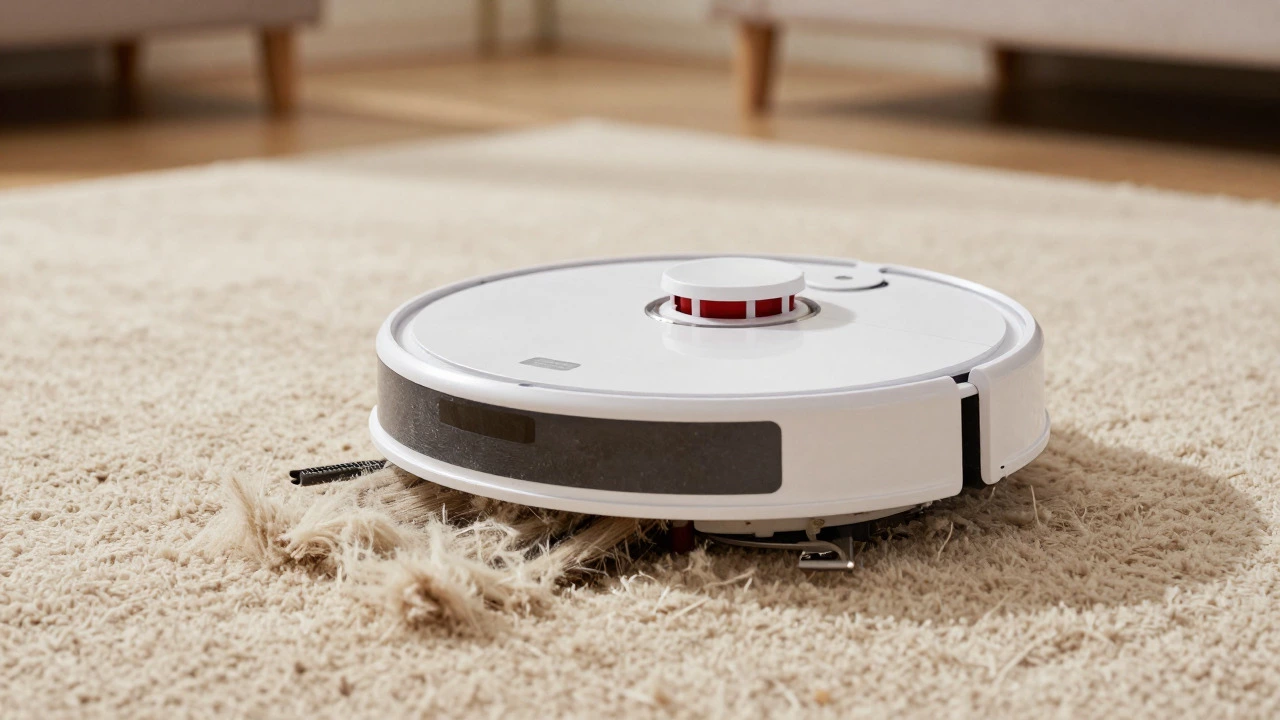
You see them everywhere: sleek, disc-shaped devices promising to keep your floors spotless while you sleep. But before you hand over $800 or more for a robot vacuum is an autonomous floor-cleaning device that navigates a home using sensors and LiDAR to map rooms and avoid obstacles. While convenient, it often struggles with high-pile carpets, pet hair tangling, and precise edge cleaning compared to traditional upright vacuums., ask yourself if the convenience is actually worth the trade-offs. For many households, especially those with specific flooring types or heavy debris loads, these machines can be frustrating rather than helpful. This isn't about bashing technology; it’s about looking at the real-world scenarios where a robot vacuum fails to deliver on its promise of effortless cleanliness.
The Carpet Problem: Why Suction Power Isn't Enough
If your home features plush, high-pile carpet, a robot vacuum might be a waste of money. Most models rely on rotating brushes and moderate suction power designed for hard floors like hardwood, tile, or laminate. When they encounter thick carpet fibers, the brushes can get clogged quickly, reducing suction efficiency by up to 40%. You end up running the machine multiple times a day just to pick up surface dust, leaving deeper dirt trapped in the pile. Traditional upright vacuums, with their powerful motors and adjustable height settings, handle this task far more effectively in a single pass. If you have kids who play outside or pets that shed heavily on rugs, you’ll likely find yourself reaching for the manual vacuum anyway, rendering the robot redundant.
Pet Hair: The Tangle Trap
Pet owners often buy robot vacuums specifically to manage shedding, but this is where many models fail spectacularly. Long-haired dogs and cats produce hair that wraps tightly around the main roller brush. Without regular, meticulous cleaning of the brush assembly, the motor strains, battery life drops, and suction weakens. Some newer models use dual rubber rollers to reduce tangling, but even these aren’t immune to severe matting after a few weeks of daily use. You need to budget time for weekly brush maintenance, which negates some of the "hands-off" appeal. If you have a Golden Retriever or a Persian cat, consider whether the hassle of untangling wet-look hair from plastic gears is truly less work than using a standard vacuum with a pet tool attachment.
Navigational Nightmares and Obstacle Avoidance
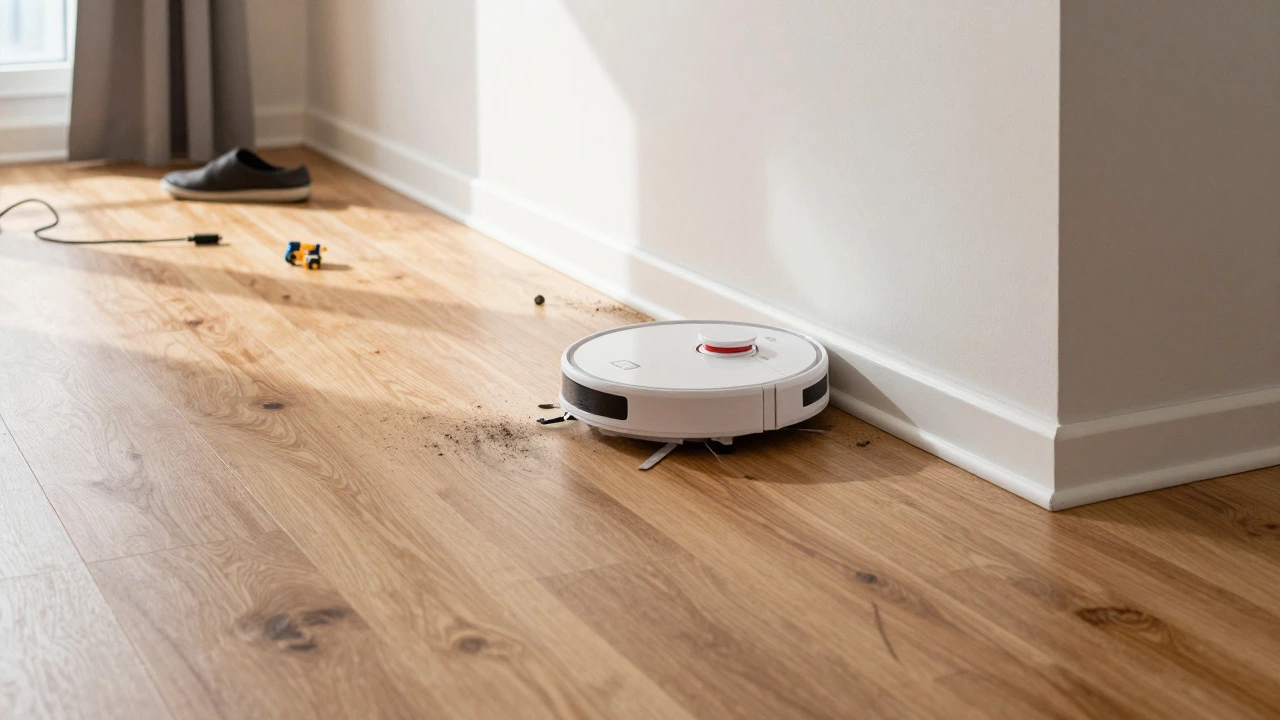
Modern robots use LiDAR (Light Detection and Ranging) to map your home, but they still struggle with common household items. Shoes, charging cables, socks, and small toys are frequent culprits. A stray cable can wrap around the wheels, stopping the entire unit mid-clean. Worse, some robots treat low furniture as walls, meaning they won’t clean under coffee tables or beds unless the clearance is sufficient. If your living room is cluttered with kids’ toys or loose cords, you’ll spend significant time picking things up before every run. The "set it and forget it" marketing doesn’t account for the reality of messy homes. You might find yourself doing more pre-cleaning preparation than actual vacuuming.

Maintenance Costs and Hidden Expenses
The initial purchase price is just the beginning. Robot vacuums require consumable parts that add up quickly. Filters need replacing every 3-6 months, side brushes last 2-3 months, and main rollers degrade faster if used on mixed surfaces. High-quality replacement filters can cost $15-$25 each, and proprietary batteries are expensive, often ranging from $60 to $100. Compare this to a standard bagged vacuum, where you only buy bags and occasionally replace a belt. Over three years, the cost of maintaining a premium robot vacuum can exceed the price of a mid-range upright model. Additionally, if the navigation sensor breaks or the wheel gets stuck, repair costs can be prohibitive, sometimes approaching half the value of the unit. Always check warranty terms; many manufacturers exclude damage caused by "user error," which includes tripping over cables or hitting heavy objects.
Edge Cleaning and Corner Coverage
One of the most consistent complaints about robot vacuums is their inability to clean edges and corners effectively. Due to their circular shape, they miss the strips of floor right next to baseboards and in tight corners. Some models feature oscillating side brushes to help, but these often just push dust into the corner rather than sucking it up. If you have long baseboards or intricate molding, you’ll need to manually vacuum these areas afterward. For people who care about visual cleanliness, seeing a line of dust along the wall defeats the purpose of automated cleaning. This limitation means the robot is not a complete solution but rather a supplementary tool for open floor spaces.
| Feature | Robot Vacuum | Traditional Upright Vacuum |
|---|---|---|
| High-Pile Carpet Performance | Poor to Moderate | Excellent |
| Pet Hair Management | Frequent Tangles | Easy Brush Roll Cleaning |
| Edge/Coverage Accuracy | Misses Edges/Corners | Full Edge Contact |
| Initial Cost | $300 - $1,000+ | $100 - $400 |
| Ongoing Maintenance Cost | High (Filters, Batteries) | Low (Bags, Belts) |
| User Effort Required | Pre-Clean Clutter, Post-Clean Check | Manual Operation |
When Should You Actually Skip the Robot?
Consider skipping the robot vacuum if your home has mostly high-pile carpet, if you have large pets that shed excessively, or if your living spaces are small and cluttered. In these scenarios, the investment yields diminishing returns. Instead, invest in a high-quality cordless stick vacuum or a robust upright model. These tools offer better suction, easier maintenance, and full coverage without the need for constant supervision. Robot vacuums shine in homes with predominantly hard floors, minimal clutter, and no large pets. They are excellent for daily maintenance dusting, but they rarely replace the deep clean provided by a manual vacuum. Recognizing this distinction helps you make a financial decision based on actual needs rather than marketing hype.
Frequently Asked Questions
Are robot vacuums bad for hardwood floors?
Generally, no. Most modern robot vacuums use soft bristles or rubber rollers that are gentle on hardwood. However, ensure the water tank is empty if using a mop function to prevent excessive moisture, which can warp wood over time. Regular inspection of the wheels ensures they don't scratch the surface.
How much do robot vacuum maintenance parts cost per year?
Expect to spend between $50 and $100 annually on filters and brushes for average usage. Battery replacements may occur every 2-3 years, adding another $60-$100 to the total cost. Cheaper models often have shorter-lived components, increasing long-term expenses.
Can a robot vacuum replace a traditional vacuum completely?
For most homes, no. Robots are best for daily light maintenance. You will still need a traditional vacuum for deep cleaning carpets, handling large debris, and reaching edges and corners thoroughly. Think of the robot as a helper, not a replacement.
What is the biggest drawback of LiDAR navigation?
LiDAR requires clear lines of sight. It can struggle in very dark rooms or around reflective glass surfaces, potentially causing mapping errors. It also adds height to the unit, preventing it from fitting under low furniture like sofas or beds with less than 7 inches of clearance.
Is it worth buying a cheap robot vacuum under $300?
Often, no. Budget models typically lack reliable mapping, resulting in random bouncing patterns that waste battery and miss spots. They also tend to have weaker suction and poorer obstacle avoidance. If you buy one, set expectations for basic dust pickup only, and expect higher maintenance frequency.