
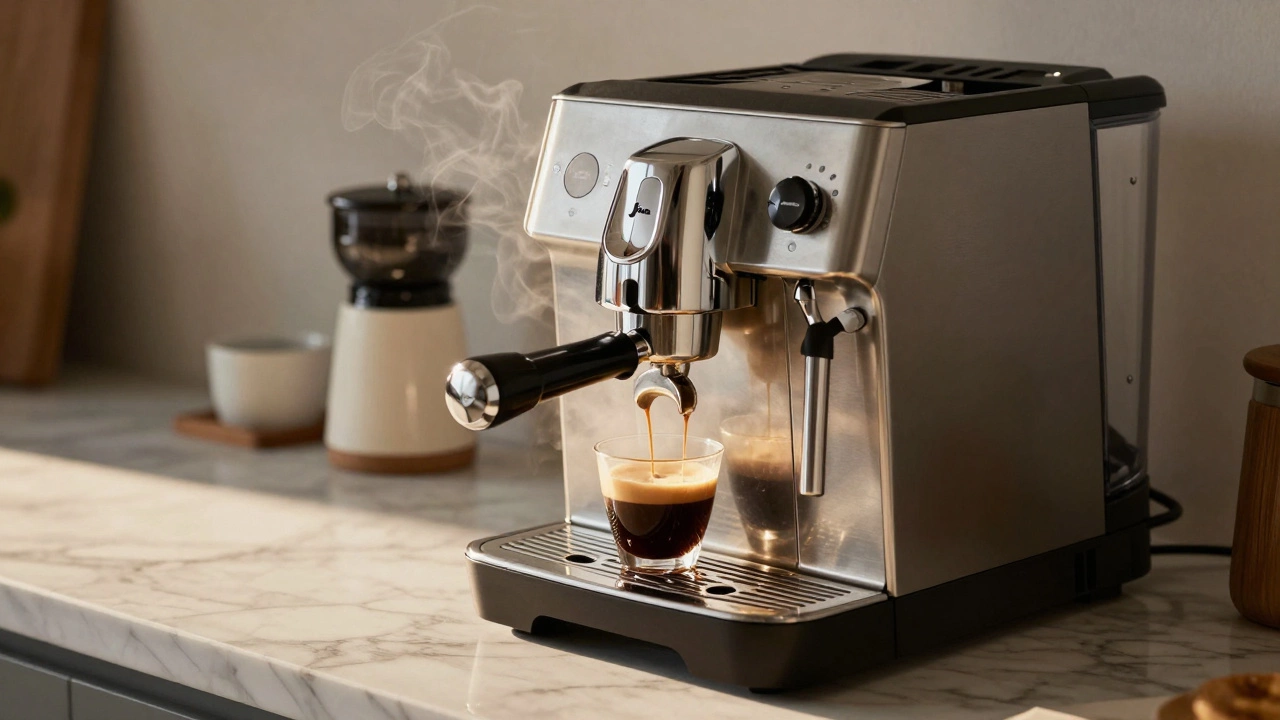
Jura Coffee Machine Cost Calculator
Cost Comparison Tool
Compare the true cost of a Jura coffee machine versus a budget model over 12 years.
Results
Ever looked at a Jura coffee machine and thought, ‘Why is this thing so expensive?’ You’re not alone. A Jura can cost three, four, even five times more than a basic espresso machine from a big-box store. But here’s the truth: you’re not just paying for a coffee maker. You’re paying for precision engineering, years of Swiss design, and a system built to last decades-not just a few years.
It’s Built Like a Swiss Watch
Jura machines don’t use off-the-shelf parts. Every component-from the pump to the grinder-is designed in-house and made to exacting standards. The gear-driven grinding system in a Jura S8 isn’t a cheap plastic motor spinning a blade. It’s a precision ceramic burr grinder with adjustable settings, calibrated to grind just the right amount of coffee for each cup, every time. That kind of engineering doesn’t come cheap. And it’s not just about performance-it’s about durability. Many Jura owners report machines running flawlessly for 12 to 15 years. Compare that to a $300 machine that starts leaking or grinding inconsistently after three years.Full Automation, No Compromises
Most automatic coffee machines let you pick espresso, cappuccino, or latte. Jura does that-and then some. A Jura E8 can brew a single espresso, then automatically clean the group head, rinse the milk system, and prepare a second drink with zero input from you. It knows when the water tank is low, when the bean container needs refilling, and even when the filter needs replacing. It adjusts brew temperature and pressure based on the coffee type you select. This level of automation requires dozens of sensors, proprietary software, and a control board that costs more than most entry-level coffee makers. And yes, that adds up.The Milk System Is a Whole Separate Machine
If you drink milk-based drinks, you know how messy and finicky milk systems can be. Most machines have a simple steam wand you have to clean by hand. Jura uses a fully automated PULSEXtraction milk system. It heats, froths, and dispenses milk automatically, then rinses itself with hot water after every use. No scrubbing. No clogs. No sour milk buildup. The tubing, nozzle, and cleaning mechanism inside are made from food-grade, antimicrobial materials designed to resist bacteria. This system alone adds $200-$400 to the cost of the machine. But for people who make a latte every morning, it’s not an extra-it’s a necessity.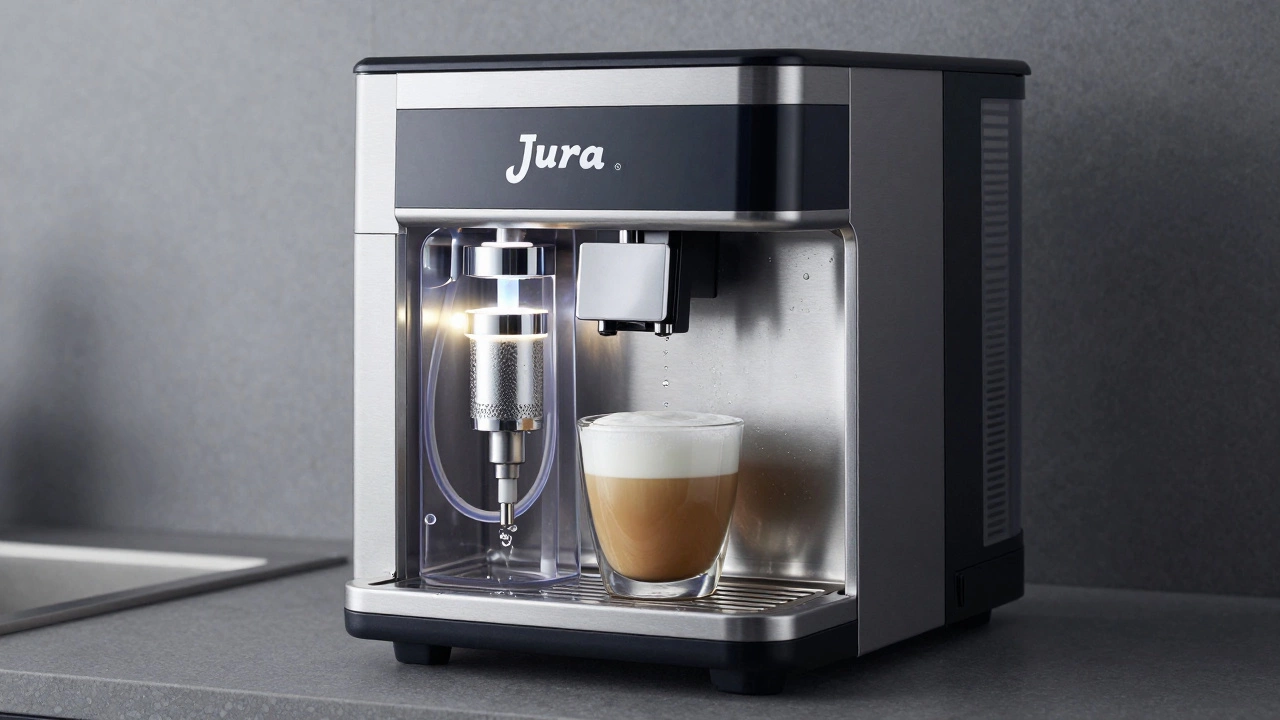
Design That Doesn’t Sacrifice Function
Jura doesn’t just look good. Every curve, button, and display is engineered for real use. The touchscreen on a Jura Z8 isn’t a glossy plastic panel that smudges and fades. It’s a high-contrast, backlit interface that works with wet fingers and in dim kitchens. The water tank is designed to slide in smoothly, even when full. The drip tray? It’s wide, deep, and removable without tipping. These aren’t small details-they’re the result of hundreds of user tests and real-world feedback from baristas and home users alike. That kind of refinement takes time, money, and patience.You’re Paying for Swiss Quality, Not Just a Brand
Switzerland isn’t known for cheap electronics. It’s known for reliability. Jura is based in Niederbuchsiten, Switzerland, and every machine is assembled there. That means strict labor standards, environmental regulations, and quality control at every step. You won’t find Jura machines made in factories where workers are paid $2 an hour and quality checks are done once per shift. Jura’s production line includes 30+ quality checkpoints before a machine leaves the factory. That’s not marketing fluff-it’s how they keep their failure rate below 1.2%, according to their internal service logs.Software Updates That Actually Matter
Most coffee machines are dead on arrival the moment you unbox them. Jura machines get updates. Not just firmware patches-real feature upgrades. In 2024, Jura released a software update for the E8 and E6 models that added a new ‘Slow Brew’ mode for lighter roasts, improved the milk frothing algorithm, and added voice feedback for maintenance alerts. That’s not something you get from a $500 machine. That’s software development, testing, and customer support teams working year-round. And you get it for free.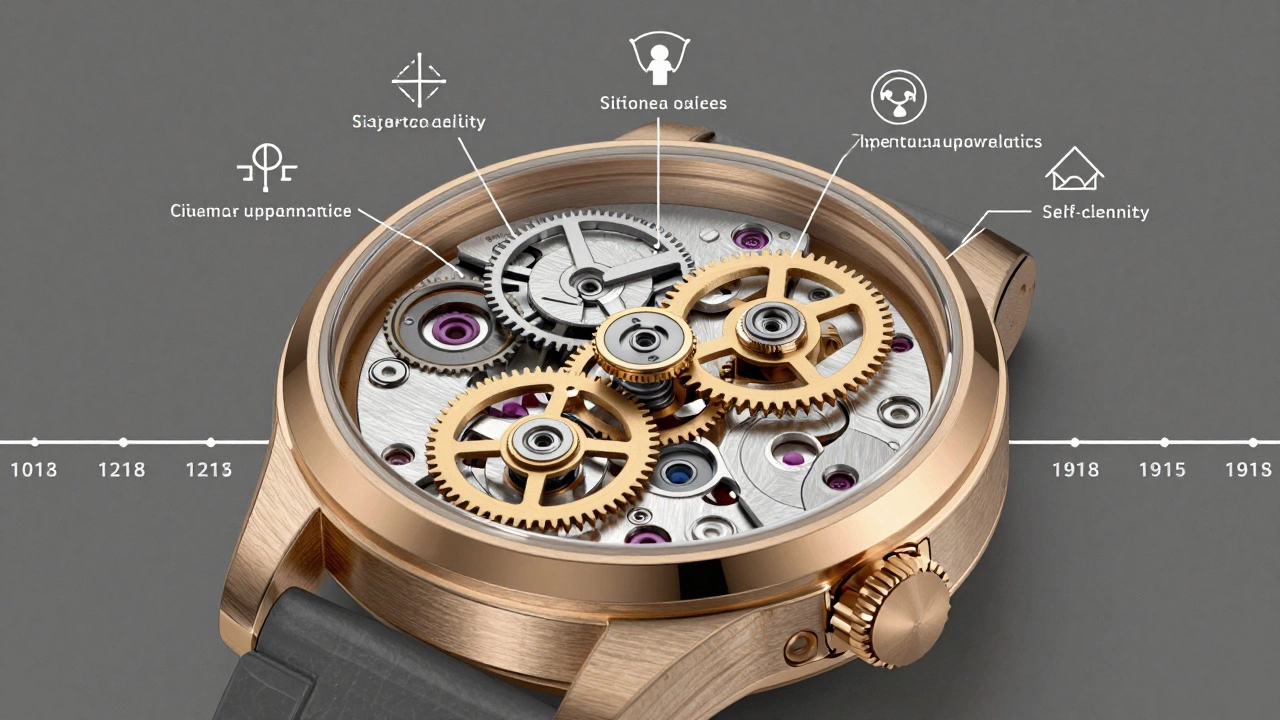
The Cost of Ownership Is Lower Than You Think
Let’s do the math. A $1,200 Jura lasts 12 years. That’s $100 a year. A $400 machine lasts 4 years? That’s $100 a year too-but you’re replacing it three times. And that’s not counting the time you spend cleaning, fixing, or buying new parts. Jura machines use fewer replacement parts over time. The grinder doesn’t need replacing. The pump lasts longer. The cleaning cycles are automated, so you don’t buy descaling tablets every month. When you factor in durability, convenience, and reduced maintenance, the total cost of ownership often beats cheaper models.It’s Not for Everyone-But It’s Perfect for This Person
If you make one cup of coffee a week and don’t care about crema or temperature consistency, a Jura is overkill. But if you drink two or three espresso-based drinks daily, value your mornings, hate cleaning, and want something that just works-then the price makes sense. Think of it like buying a Tesla instead of a Honda Civic. You’re paying more upfront for performance, automation, and longevity. And if you use it daily, the difference becomes obvious.What You Get That Cheaper Machines Don’t
- One-touch brewing for 10+ drink types, with custom strength and temperature settings
- Self-cleaning milk system that eliminates manual scrubbing
- Real-time maintenance alerts via app or display
- Software updates that add features years after purchase
- 3-year warranty with free technical support from Swiss-based experts
- Grinder that doesn’t need replacement for 10+ years
- Build quality that survives daily use, spills, and hard water
There’s no magic here. Jura is expensive because it does more, lasts longer, and requires less work from you. If you’re tired of replacing coffee machines every few years, or if your morning ritual matters to you, the price isn’t a barrier-it’s an investment.
Are Jura coffee machines worth the money?
Yes-if you drink coffee daily and value convenience, consistency, and longevity. Jura machines cost more upfront but save you time, money on replacements, and frustration over cleaning. Many users report using the same machine for over a decade. If you’re okay with a $500 machine that breaks in 3 years, then no. But if you want a machine that works like clockwork for 10+ years, Jura is one of the few that delivers.
Why are Jura machines more expensive than De’Longhi or Breville?
De’Longhi and Breville use more plastic parts, mass-produced components, and simpler automation. Jura uses Swiss-made ceramic grinders, fully automated milk systems, and proprietary software developed over 20+ years. Jura machines are assembled in Switzerland with stricter quality controls. Breville’s machines are great for casual users, but Jura is built for daily, high-volume use without compromise.
Do Jura machines need frequent servicing?
Not if you follow the maintenance alerts. Jura machines notify you when to descale, replace the water filter, or clean the milk system. Most users only need professional servicing every 5-7 years, if at all. The machines are designed to be low-maintenance. Compare that to cheaper models that need descaling every month and often develop leaks or clogs.
Can I get a Jura on sale?
Yes, but not often. Jura doesn’t run deep discounts like Amazon or Best Buy. You’ll find the best deals during major holidays-Black Friday, Cyber Monday, or Swiss National Day in August. Authorized dealers sometimes offer free shipping, extended warranties, or free accessories like a grinder or cleaning kit. Avoid third-party sellers offering ‘rock-bottom’ prices-they often sell refurbished or imported units without warranty.
Is there a cheaper alternative that’s almost as good?
The closest is the Siemens EQ.900 series, which shares many Jura components since both are made by the same parent company. But it’s sold under a different brand and rarely available outside Europe. In North America, the Gaggia Accademia or Miele KM 6350 are solid mid-range options, but they don’t match Jura’s automation, software updates, or milk system. If you want true premium performance, Jura still leads.
If you’ve been eyeing a Jura but hesitated because of the price, ask yourself this: how much time, money, and frustration have you spent replacing cheaper machines? Now imagine waking up to a perfect espresso every morning-with zero cleanup. That’s not a luxury. It’s a better way to start your day.