
Air Purifier Needs & Specification Calculator
Your Profile
Recommended Specifications
Based on a sq ft room.
Enter your details to see if you need an air purifier and what specs to look for.
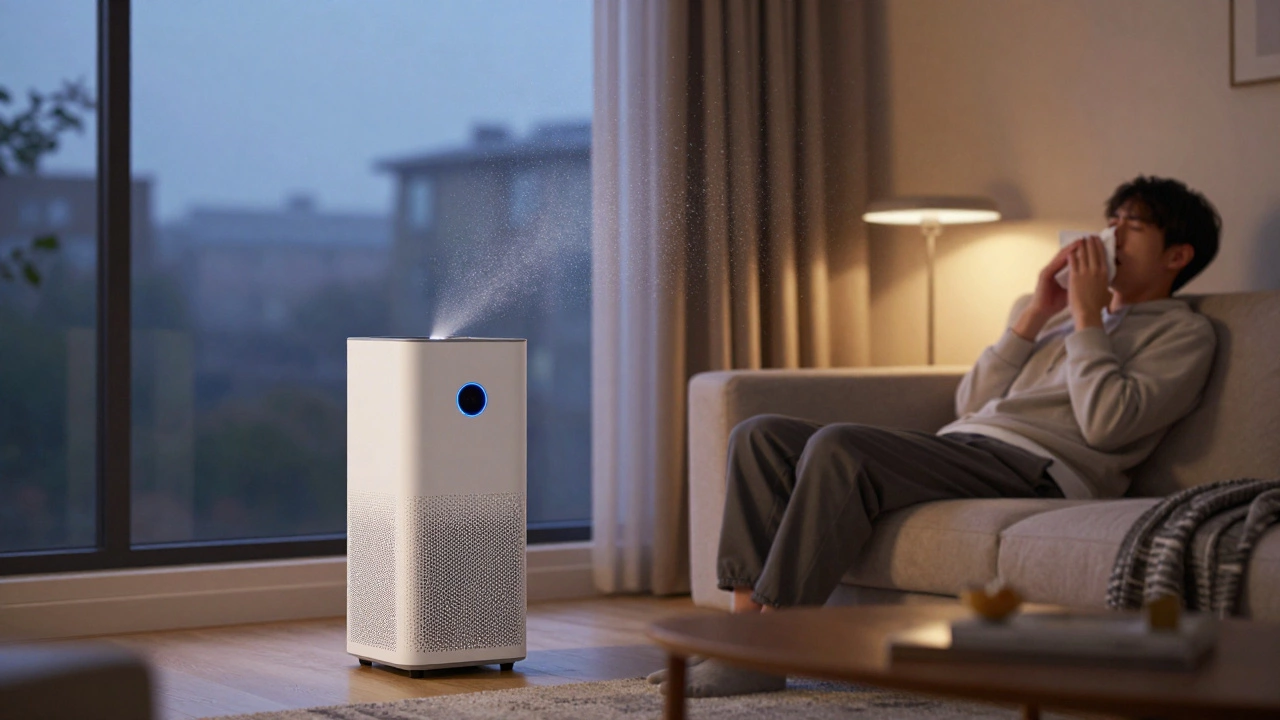
Imagine coming home after a long day, expecting your living room to be a sanctuary. Instead, you sneeze within minutes. Your eyes water, and that familiar tightness in your chest kicks in. For millions of people, this isn't just bad luck; it's a symptom of poor indoor air quality. We spend roughly 90% of our lives indoors, yet the air inside our homes can be two to five times more polluted than the air outside.
This is where air purifiers come into play. But do you actually need one? The market is flooded with devices promising crystal-clear air, but buying one is a waste of money if you don't fall into a specific high-risk category. Understanding who benefits most from these machines helps you decide whether it’s a luxury or a necessity for your health.
The Allergy Sufferer: Living with Invisible Triggers
If you have seasonal or year-round allergies, an air purifier is less of a gadget and more of a medical aid. Pollen, pet dander, and dust mites are microscopic invaders that float freely in your home. Even if you keep windows closed, these particles hitch a ride on your clothes, shoes, and hair.
Standard HVAC systems often struggle to catch these tiny allergens. A central vacuum might pull some dust, but it doesn't continuously scrub the air. An effective HEPA filter (High-Efficiency Particulate Air) captures 99.97% of particles as small as 0.3 microns. This includes pollen grains and cat dander. For someone whose life is dictated by antihistamines and nasal sprays, removing these triggers from the bedroom air alone can drastically reduce symptoms overnight.
Consider Sarah, a teacher in Vancouver. She loves her golden retriever but suffers from severe dog allergies. By running a portable HEPA unit in her bedroom at night, she reduced her morning congestion by half. She didn't give up her dog; she just changed the air she breathed while sleeping.
Asthma Patients: Preventing Attacks Before They Start
Asthma is a chronic condition where the airways narrow and swell, producing extra mucus. Triggers vary wildly, but common culprits include mold spores, dust mites, and outdoor pollutants like vehicle exhaust that seep indoors. For asthmatics, clean air isn't about comfort; it's about safety.
Studies consistently show that using air cleaners with true HEPA filters reduces asthma exacerbations. It lowers the frequency of rescue inhaler use. The key here is placement. You want the purifier in the room where you spend the most time, typically the bedroom. The goal is to create a low-allergen zone. If you sleep in cleaner air, your lungs stay calmer throughout the day.
It’s also worth noting that not all "purifiers" help asthma. Some cheap models release ozone, which is actually harmful to lung tissue. Always check for certifications like AHAM Verifide or Energy Star to ensure the device is safe for respiratory conditions.
Pet Owners: Managing Dander and Odors
We love our pets, but they shed constantly. Dog and cat dander consists of tiny flakes of skin that carry proteins known to cause allergic reactions. These particles are lightweight and stay suspended in the air for hours. They settle on furniture, carpets, and bedding, creating a reservoir of allergens that gets kicked back up every time you walk across the room.
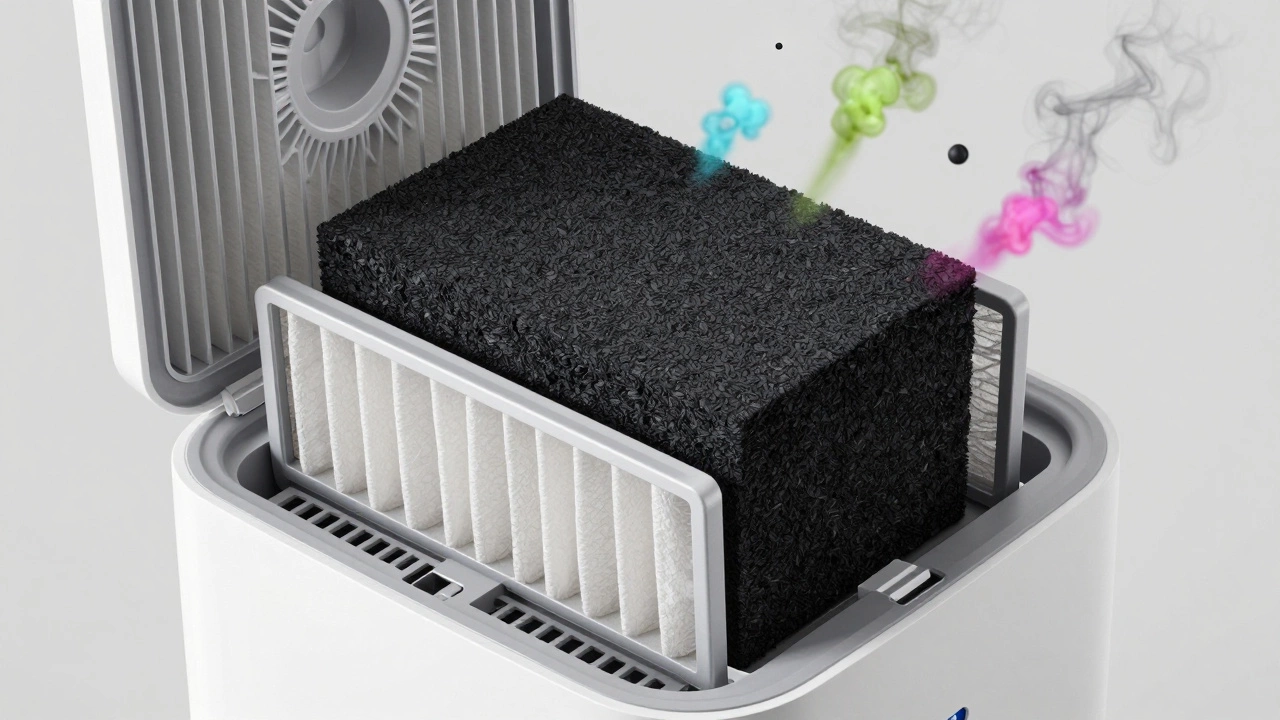
An air purifier acts as a continuous sweeper for the air. While regular grooming and vacuuming are essential, they only address surface-level dirt. The air purifier handles what’s floating. Additionally, many units feature activated carbon filters. These are crucial for pet owners because they adsorb volatile organic compounds (VOCs) responsible for those lingering "wet dog" smells or litter box odors. Without the carbon layer, you might still breathe clean air, but your nose will know your cat was there.
Residents of Urban Areas and Wildfire Zones
Where you live dictates your air quality. If you reside in a dense city, your home is bombarded by particulate matter from traffic, industry, and construction. PM2.5-particles smaller than 2.5 micrometers-are particularly dangerous because they penetrate deep into the lungs and even enter the bloodstream.
In regions prone to wildfires, like parts of Canada and the western United States, the situation becomes critical during fire season. Smoke infiltration can turn a healthy home into a hazardous environment within hours. During these periods, sealing windows and doors is step one. Step two is deploying high-CADR (Clean Air Delivery Rate) air purifiers. CADR measures how quickly a unit cleans the air. In a smoke emergency, you need high numbers. A standard bedroom unit won’t cut it; you need powerful machines capable of exchanging the room’s air multiple times per hour.
Newborns and Infants: Protecting Developing Lungs
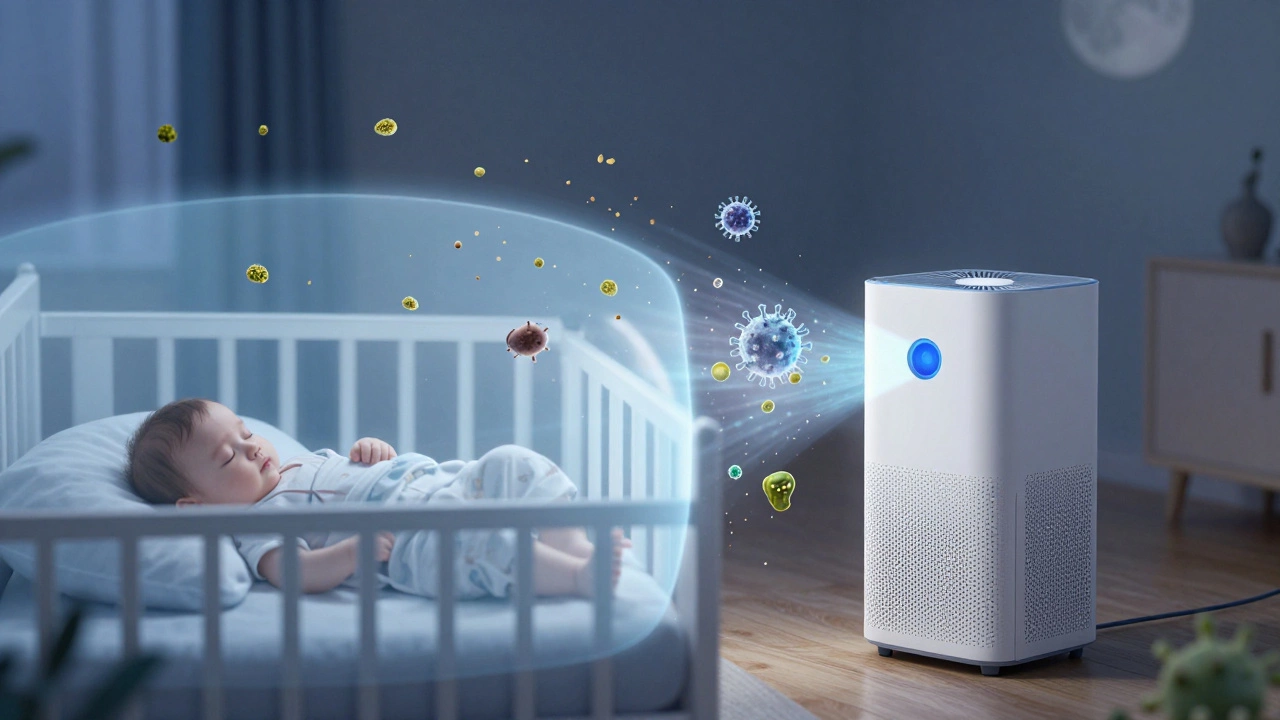
Babies breathe faster than adults-about 30 to 60 breaths per minute compared to an adult’s 12 to 20. This means they inhale more pollutants relative to their body weight. Their immune systems and respiratory tracts are still developing, making them highly susceptible to environmental irritants.
For parents, the nursery is a prime location for an air purifier. It helps remove secondhand smoke residues, dust mites, and potential viral particles. While no device guarantees a germ-free environment, reducing the overall bioburden in the air can support a healthier start. Look for quiet models, as noise levels can disrupt sleep for both baby and parent. Decibel ratings below 40dB on low settings are ideal for nighttime use.
Seniors and Those with Compromised Immune Systems
As we age, our lung capacity decreases, and our immune responses slow down. Seniors are more vulnerable to airborne illnesses like influenza and RSV. Similarly, individuals undergoing chemotherapy or living with immunodeficiencies face higher risks from airborne pathogens.
While HEPA filters primarily target particles, some advanced models incorporate UV-C light or ionization technologies to neutralize bacteria and viruses. However, efficacy varies widely. The consensus among health experts is that mechanical filtration (HEPA) remains the gold standard for safety. For this demographic, the goal is risk reduction. Creating a sterile-ish bubble in the main living area can provide peace of mind and potentially lower exposure to circulating germs.
People with Chemical Sensitivities and Migrant Smokers
Volatile Organic Compounds (VOCs) are gases emitted from certain solids or liquids. Sources include paints, cleaning supplies, pesticides, building materials, and even new furniture. People with Multiple Chemical Sensitivity (MCS) or general sensitivities can experience headaches, nausea, and fatigue from these invisible pollutants.
Activated carbon is the only effective defense against VOCs. Standard HEPA filters do nothing for gases. If you recently renovated, bought new carpeting, or live near a gas station, a purifier with a thick carbon bed is essential. It physically traps these chemical molecules before you inhale them. Note that carbon filters fill up faster than HEPA filters and need regular replacement to remain effective.
| User Group | Primary Threat | Recommended Filter Type | Key Benefit |
|---|---|---|---|
| Allergy Sufferers | Pollen, Dust Mites | True HEPA | Reduces sneezing, itching, congestion |
| Asthmatics | Mold, Exhaust, Dander | True HEPA + Pre-filter | Fewer attacks, less medication needed |
| Pet Owners | Dander, Odors | HEPA + Activated Carbon | Cleaner air, neutralized smells |
| Urban/Wildfire Residents | PM2.5, Smoke | High CADR HEPA | Protection from toxic outdoor pollution |
| New Parents | Viruses, Dust | HEPA (Quiet Mode) | Protects developing infant lungs |
| Chemical Sensitives | VOCs, Fumes | Thick Activated Carbon | Removes gaseous pollutants |
Choosing the Right Device for Your Needs
Not all air purifiers are created equal. If you fall into one of the categories above, you need to look beyond marketing fluff. Here is what matters:
- CADR Rating: Check the Clean Air Delivery Rate for dust, pollen, and smoke. Higher is better. Match the CADR to your room size. A general rule is that the CADR should be at least two-thirds of the square footage of the room.
- Filter Type: Ensure it says "True HEPA." Avoid "HEPA-type" or "HEPA-like," which are weaker imitations. If you have odor issues, verify the carbon filter weight. Lightweight carbon mats do little; heavy charcoal blocks work.
- Noise Level: You will likely run this 24/7. Check decibel ratings. A unit that sounds like a jet engine on high speed is useless if you can’t sleep with it on low.
- Maintenance Cost: Filters are recurring expenses. Calculate the annual cost of replacements before buying. Some premium units have filters costing over $100 per year.
Don’t fall for gimmicks like ionizers unless they are part of a hybrid system with proper filtration. Standalone ionizers can produce ozone, which irritates lungs. Stick to mechanical filtration for proven results.
Conclusion: Is It Worth It?
If you are perfectly healthy, live in a rural area with fresh air, have no pets, and don’t mind a little dust, an air purifier might be unnecessary. But for the groups identified above, it is a significant investment in daily quality of life. It transforms your home from a passive container into an active shield against the invisible threats lurking in the air. The right machine, placed correctly, can mean the difference between a good night’s sleep and a restless one, between breathing easy and reaching for an inhaler.
Do air purifiers really work for allergies?
Yes, but only if they use True HEPA filters. Standard filters let through microscopic allergens like pollen and dust mite feces. A True HEPA filter traps 99.97% of particles down to 0.3 microns, significantly reducing allergy triggers in the immediate room.
Can an air purifier replace my HVAC system?
No, they serve different purposes. Your HVAC system heats and cools your entire house, while an air purifier focuses on cleaning the air in a specific room. For best results, use both. Change your HVAC filters regularly, and use a portable purifier in rooms where you spend the most time, like the bedroom.
How big of a room can one air purifier handle?
Check the manufacturer’s recommended room size, but be skeptical. Marketing often inflates these numbers. A safer bet is to look at the CADR rating. As a rule of thumb, divide the room's square footage by 2.16 to find the minimum CADR needed for four air changes per hour. Buy a unit slightly larger than necessary for quieter operation.
Are ozone-generating air purifiers safe?
Generally, no. The EPA warns that ozone generators can harm human health, especially for people with asthma. Ozone is a lung irritant. Avoid standalone ionizers and ozone generators. Stick to mechanical filtration methods like HEPA and carbon, which do not emit harmful byproducts.
How often should I change the filter?
It depends on usage and air quality. Typically, pre-filters should be washed or replaced every 1-3 months. HEPA and carbon filters usually last 6-12 months. If you have pets, smoke, or live in a polluted area, replace them more frequently. Many modern units have indicator lights to alert you when it’s time.
Do air purifiers help with COVID-19 or flu viruses?
They can help reduce the concentration of virus-laden aerosols in the air, lowering transmission risk. HEPA filters capture these particles effectively. However, they are not a substitute for vaccination, masking, or ventilation. Think of them as an additional layer of protection, not a cure-all.