
Washer Capacity Calculator
Calculate Your Laundry Needs
Find out if your washer can handle your heaviest loads
Capacity Guide
What you need to know about washer capacity
- 4.5+ cubic feet: Ideal for king-size comforters and multiple heavy items
- 5.0+ cubic feet: Best for large households with heavy loads
- 3.8 cubic feet: Max load: ~12 lbs (typically 1-2 sets of bedding)
- 4.2-4.4 cubic feet: Can handle moderate heavy loads but struggle with bulky items
- Always check the manufacturer's weight limit (not just cubic feet)
Results
Enter your laundry details to see results
If you’re wrestling with bulky comforters, muddy work boots, or stacks of towels that won’t fit in your current washer, you’re not alone. Many people assume all washing machines are built the same-but they’re not. The right washer for heavy loads can save you time, reduce wear on your clothes, and even cut down on energy bills. The wrong one? You’ll be stuck doing double loads, dealing with unbalanced drums, or worse-ending up with a broken machine before the warranty expires.
Front Load vs. Top Load: The Real Difference for Heavy Loads
When it comes to heavy loads, front load washers dominate. They use gravity and tumbling action to clean clothes, which means they don’t rely on an agitator. That’s a big deal. Agitators in traditional top load washers can snag fabrics and twist them into knots, especially with thick items like quilts or denim. Front loaders also use less water and spin faster, pulling out more moisture before the dryer cycle. That’s why most laundromats use front load machines-they’re built for endurance.
But not all front loaders are created equal. Some budget models still struggle with balance when you throw in a king-size comforter. Look for models with a drum capacity of at least 4.5 cubic feet. Machines like the LG WM4000CW and Samsung WF45R6100AW regularly handle loads over 20 pounds without vibrating across the floor. These units use direct drive motors that are quieter and more reliable than belt-driven systems. They also have sensors that automatically adjust water levels based on load size, so you’re not wasting energy on a half-full drum.
Top load washers with impellers (not agitators) are a decent middle ground. Brands like Whirlpool and Maytag offer high-capacity impeller models with 5.0 cubic feet or more. They’re easier to load than front loaders-you don’t have to bend down-and they can handle bulky items without the same risk of drum imbalance. But they still use about 20% more water than front loaders, and their spin speeds are slower, meaning clothes come out wetter. If you have back issues or live in a small space where bending is hard, a high-capacity top load with no agitator might be your best bet.
Capacity Matters More Than You Think
Don’t fall for the marketing hype of “large capacity” if the actual cubic feet are under 4.2. A washer labeled as 5.0 cubic feet might only be usable for 18-20 pounds of laundry. That’s because manufacturers count the total drum volume, not the usable space after accounting for the inner tub, baffles, and water displacement.
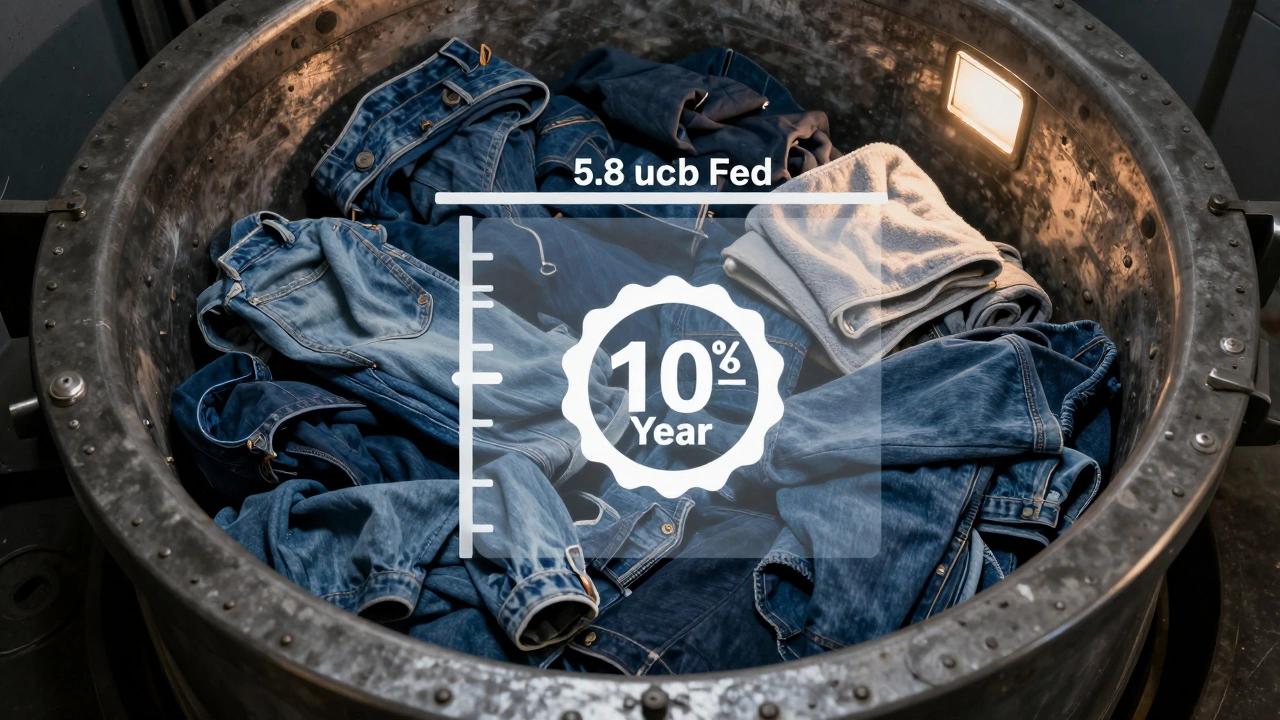
For heavy loads-think winter coats, multiple pairs of jeans, or a full set of bed linens-you need at least 4.5 cubic feet. If you regularly wash king-size comforters, aim for 5.0 or higher. The LG WM9000HWA, for example, has a 5.8 cubic foot drum and can handle up to 25 pounds of laundry in a single cycle. That’s enough for two full sets of bedding plus a few towels. Compare that to a 3.8 cubic foot machine, which maxes out around 12 pounds. You’ll end up doing two or three loads just to get through a weekend’s laundry.
Also, check the manufacturer’s weight limit. Some machines say “up to 20 lbs” but only recommend 15 lbs for heavy fabrics. That’s a red flag. If you’re washing work clothes covered in dirt or oil, you need a machine built to handle the extra weight and friction. Look for models that list “heavy-duty” or “tough soil” cycles as standard features.
Spin Speed and Drying Efficiency
Spin speed isn’t just about noise-it’s about how much water gets pulled out of your clothes. Front load washers with 1400 RPM or higher extract significantly more moisture than those at 1000 RPM. That means less time in the dryer, lower energy bills, and less wear on your dryer’s heating elements. For heavy items like towels or blankets, every extra 100 RPM matters. A 1400 RPM spin can reduce drying time by up to 30 minutes per load.
Some machines, like the Bosch WAT28400UC, offer a “Max Extract” mode that increases spin speed even further for bulky loads. This is especially useful if you live in a humid climate like Vancouver, where clothes take longer to air dry. If you’re using a dryer, faster spin speeds can cut your energy use by 15-20% over the year. That’s more than $50 in savings on a typical household’s annual electricity bill.
Drum Material and Build Quality
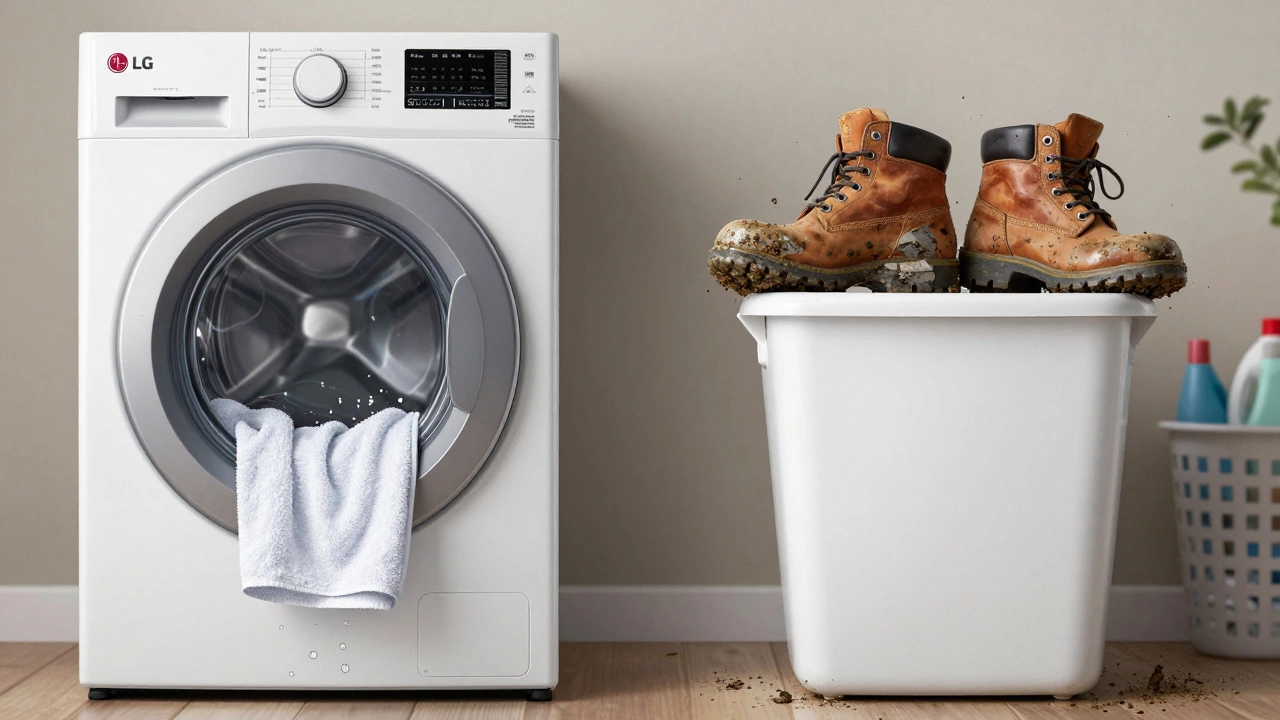
The drum inside your washer takes a beating. Heavy fabrics like denim, canvas, and fleece are abrasive. Cheap drums made of thin plastic or low-grade stainless steel can dent, warp, or rust over time. Look for washers with stainless steel drums that are at least 1.5mm thick. Higher-end models use reinforced drums with anti-vibration padding built into the casing.
Also, check the motor type. Belt-driven motors are cheaper but wear out faster under heavy use. Direct drive motors, like those from LG and Samsung, connect directly to the drum without belts or pulleys. They’re quieter, more reliable, and handle heavy loads better. LG’s Inverter Direct Drive motor comes with a 10-year warranty on the motor alone-something you won’t find on most budget machines.
Special Cycles for Heavy Loads
A standard “Normal” cycle won’t cut it for muddy work pants or greasy gym clothes. Look for washers with dedicated heavy-duty cycles. These cycles use longer wash times, higher water temperatures, and stronger agitation patterns to break down tough stains and dirt.
Some models, like the Maytag MVWB965HC, have a “Deep Clean” cycle that adds extra rinse steps and increases spin speed automatically when it detects a heavy load. Others, like the GE Profile PWE23KSKSS, include a “PowerWash” mode that sprays water directly onto clothes during the cycle for extra scrubbing power. These features aren’t gimmicks-they’re engineered for real-world use.
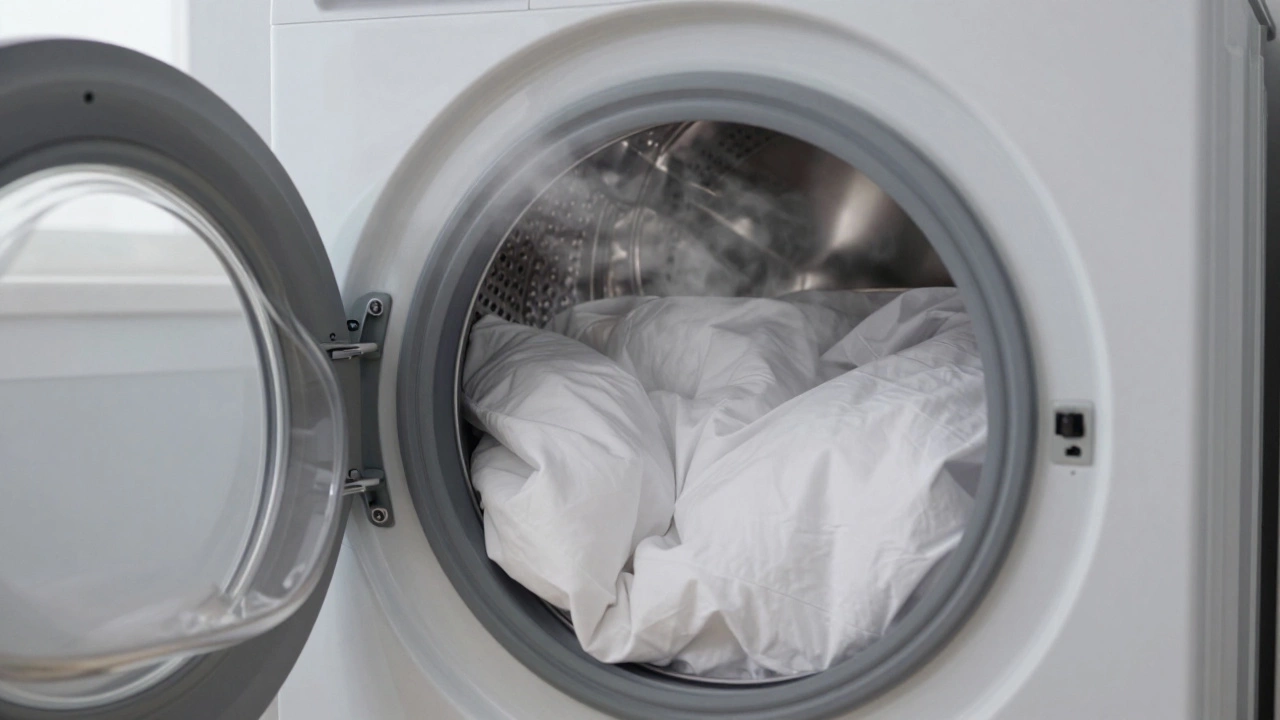
Steam cycles are another plus. Steam loosens embedded dirt and kills bacteria without needing hot water. That’s helpful if you’re washing baby clothes, pet bedding, or items that can’t go in high heat. Steam also reduces wrinkles, so you spend less time ironing.
What to Avoid
Steer clear of compact or stackable washers if you regularly wash heavy items. Even if they claim a 4.0 cubic foot capacity, the actual usable space is often less than 3.5. These are designed for apartments with light laundry needs, not families or people who do heavy-duty washing.
Also, avoid machines with plastic tubs. They flex under heavy loads and can crack over time. Plastic tubs also hold onto odors and mildew, especially in damp climates. Stainless steel is the only reliable option for long-term durability.
And don’t ignore the importance of ventilation. Front load washers are prone to mold if the door is left closed after use. Look for models with a built-in air-dry feature or a door that automatically cracks open after the cycle ends. Some LG and Samsung models even have a “Clean Drum” cycle that runs a high-heat rinse every few weeks to prevent buildup.
Real-World Recommendations
Here are three top performers based on real user reports and repair data from 2025:
- LG WM9000HWA - 5.8 cu. ft., 1400 RPM, direct drive motor, steam cycle, 10-year motor warranty. Best overall for heavy loads.
- Maytag MVWB965HC - 5.3 cu. ft., 1200 RPM, Deep Clean cycle, durable stainless steel drum. Best value for durability.
- Samsung WF45R6100AW - 4.5 cu. ft., 1400 RPM, smart diagnosis, quiet operation. Best for smaller spaces that still need heavy-duty power.
All three are available in Canada as of 2025, with energy star ratings and rebates in BC for high-efficiency models.
Final Tip: Load Smart
No matter how good your washer is, overloading it will break it. The rule of thumb: if you can’t fit your hand between the clothes and the drum wall, it’s too full. For bulky items like comforters, wash one at a time. Don’t cram in three pillows and a blanket-spread them out over two loads. It’s slower, but it protects your machine and gets cleaner results.
Also, use the right detergent. Powder detergents dissolve better in cold water and are less likely to leave residue on heavy fabrics. Liquid detergents can clog the dispenser in high-efficiency machines. Look for HE (high-efficiency) labeled products-they’re designed for low-water, high-spin cycles.
Can I wash a king-size comforter in a standard washer?
Yes, but only if your washer has at least 4.5 cubic feet of capacity. Most king comforters weigh between 12 and 18 pounds. A machine with less than 4.5 cu. ft. will struggle to move the fabric freely, leading to poor cleaning and potential damage. For best results, use a front load washer with a dedicated bulky item cycle and wash the comforter alone.
Is a front load washer better than a top load for heavy loads?
Generally, yes. Front load washers clean more effectively with less water and spin faster, which is ideal for heavy, bulky items. They don’t have agitators that can tear fabrics, and their tumbling action is gentler on seams and zippers. Top load washers without agitators can handle heavy loads too, but they use more water and dry slower. If you prioritize cleaning power and efficiency, front load wins.
How often should I clean my washing machine drum?
If you wash heavy loads regularly, run a cleaning cycle every 3-4 weeks. Use a washing machine cleaner or a mix of vinegar and baking soda on the hottest setting. This prevents mold buildup, especially in front load machines where moisture gets trapped. Some newer models have automatic drum cleaning cycles-check your manual.
Do I need a special detergent for heavy loads?
Yes, use high-efficiency (HE) detergent. Regular detergent creates too many suds in low-water machines and can leave residue on clothes and inside the drum. HE detergents are concentrated and designed to work with fast spins and low water levels. Powder HE detergents work best for heavily soiled items because they dissolve more completely in cold water.
What’s the lifespan of a heavy-duty washer?
A well-maintained heavy-duty washer lasts 10-14 years. Machines with direct drive motors and stainless steel drums tend to last longer. Regular cleaning, avoiding overloading, and using the right detergent can extend life by several years. Brands like LG, Maytag, and Samsung consistently rank highest in long-term reliability reports from Consumer Reports and J.D. Power for 2025.
If you’re upgrading your washer this year, focus on capacity, spin speed, and motor type-not just price. A machine that handles your heaviest loads without fuss will pay for itself in time, energy, and fewer repairs.