
Appliance Savings Calculator
Enter your original appliance price and select purchase time to see savings
Pro Tip: January sales typically offer 30-40% off premium models. Bundles save an average of $500+.
If you’ve ever stood in front of a display of refrigerators, washers, or dishwashers and wondered when the price will finally drop, you’re not alone. Buying appliances isn’t just about picking the model you like-it’s about timing. And the right timing can save you hundreds, sometimes over a thousand dollars. The truth? There’s a clear pattern to when appliance prices hit their lowest point, and it’s not random. It’s tied to seasons, holidays, and how retailers move inventory.
January Is the Best Month to Buy
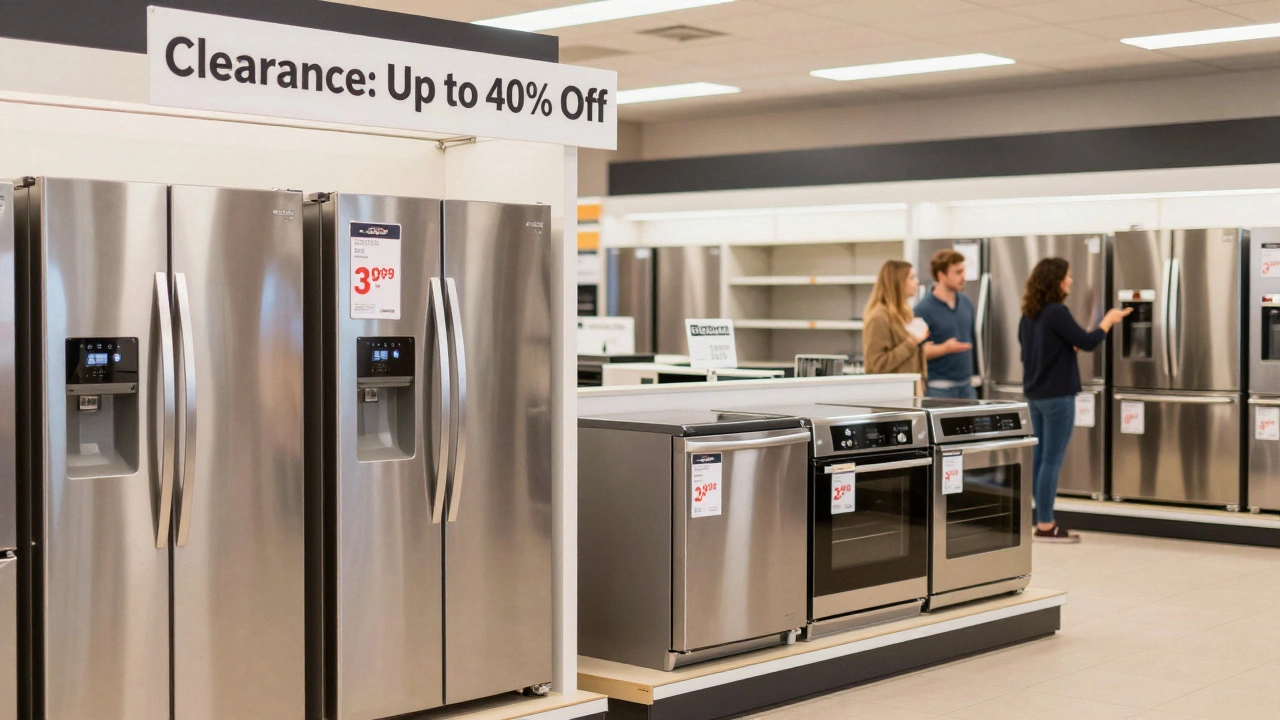
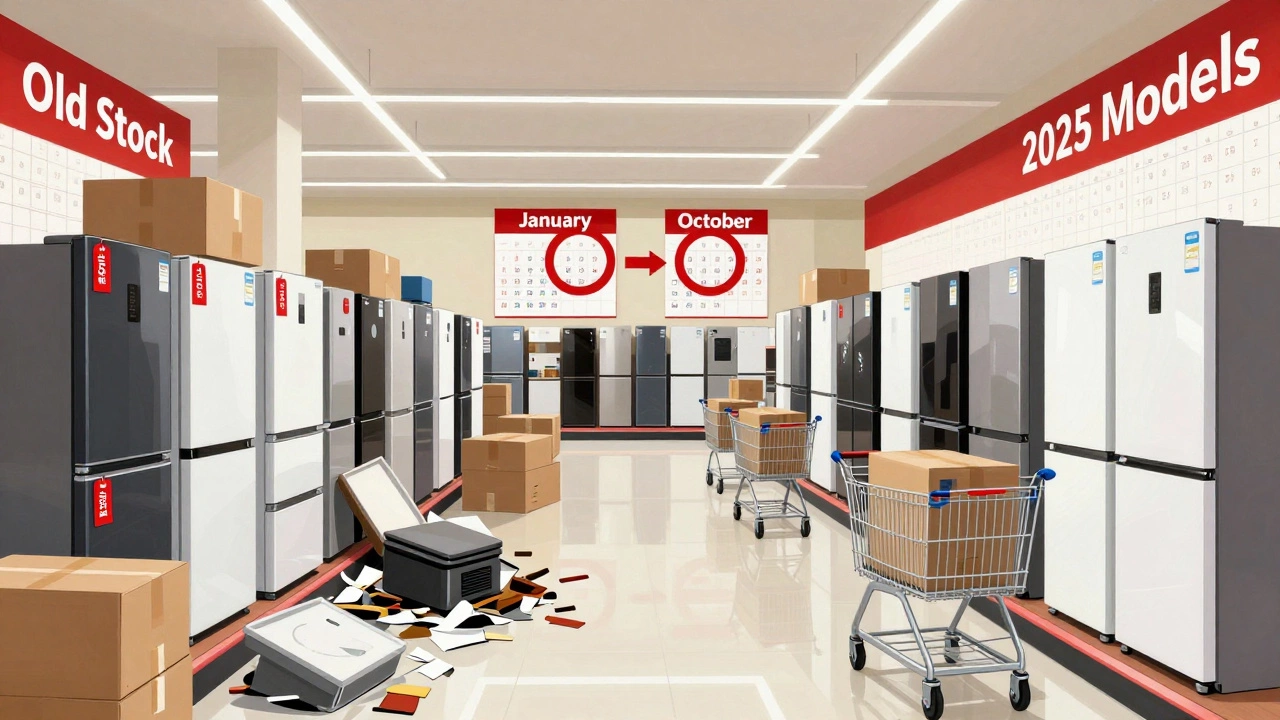
Right after New Year’s Day is when you’ll find the deepest discounts on kitchen appliances. Why? Because retailers are clearing out last year’s models to make room for new ones. Manufacturers roll out updated versions in January, and stores need to sell the old stock fast. This is especially true for refrigerators, dishwashers, and ovens. You’ll often see 20% to 40% off, sometimes more, on models that were still full-price just a month earlier.
Don’t confuse this with Black Friday sales. Those are flashy, but January deals are real. In 2024, a top-rated Bosch dishwasher that sold for $999 in November dropped to $599 in early January. That’s not a typo. Same model. Same store. Just a different month.
September and October: The Second Best Window
If you missed January, don’t panic. Late summer and early fall are the next best time. Around Labor Day and into October, retailers start preparing for the holiday shopping season. They know people are thinking about kitchen upgrades before Thanksgiving and Christmas gatherings. So they offer early deals to get shoppers in the door.
This is also when manufacturers release new product lines for the next year. That means clearance sales on the previous year’s models. You’ll find the same kind of discounts as in January-especially on built-in appliances like range hoods, trash compactors, and wine coolers. Bundles become more common too. Buy a refrigerator and get a free dishwasher. Or get a 10% discount if you buy three kitchen appliances together.
Why Holiday Sales (Black Friday, Cyber Monday) Aren’t Always the Best
Black Friday gets all the attention, but it’s not always the best time for appliances. Here’s why: many of the deals you see are either fake-marked up in November just to drop back down-or they’re on low-end models you wouldn’t want anyway. A $399 fridge on Black Friday might be the same one that was $499 in August. Not a real discount.
Also, retailers hold back their best inventory for January. The high-end refrigerators, smart ovens, and premium dishwashers? Those usually don’t show up on Black Friday ads. They’re saved for January clearance. So if you’re looking for quality, not just a low price, wait until the new year.
Appliance Bundles: How to Save Even More
Bundles are where the real savings happen. Instead of buying one appliance at a time, you can get two or three together for a steep discount. For example:
- Refrigerator + Dishwasher + Range: Save $400-$800
- Washer + Dryer + Microwave: Save $300-$600
- Full Kitchen Set (including hood and trash compactor): Save up to $1,200
Stores like Best Buy, Home Depot, and Canadian Tire run these bundle deals most often in January and October. You’ll usually need to buy everything from the same brand to qualify, but that’s not always a bad thing. Brands like LG, Samsung, and Whirlpool design their appliances to work together-same smart controls, same finish, same warranty terms.
Pro tip: Ask for a bundle even if it’s not advertised. Sales reps often have flexibility to create custom packages if you’re buying multiple items. Just say, “I’m looking at the fridge, washer, and oven. Can you bundle them?” You’d be surprised how often they’ll add a free installation or a $100 gift card.
What to Avoid: The Traps and Myths
Not all sales are created equal. Watch out for these common tricks:
- “Limited time only” labels-These are everywhere, even when the deal has been running for months. Don’t rush.
- Extended warranties-They’re profitable for the store, not you. Most appliances last 8-12 years without one.
- “Floor models” as a deal-They might look used. Ask if they’re new, sealed, and covered by the full manufacturer warranty.
- Price matching after purchase-Some stores promise this, but only if you catch the lower price within 14 days. Keep receipts and screenshots.
Also, avoid buying during spring and summer. That’s when prices are highest. Retailers know people are renovating homes, and they charge more. If you’re not in a rush, wait.
Real Examples from 2024-2025
Here’s what actually happened in the last two years:
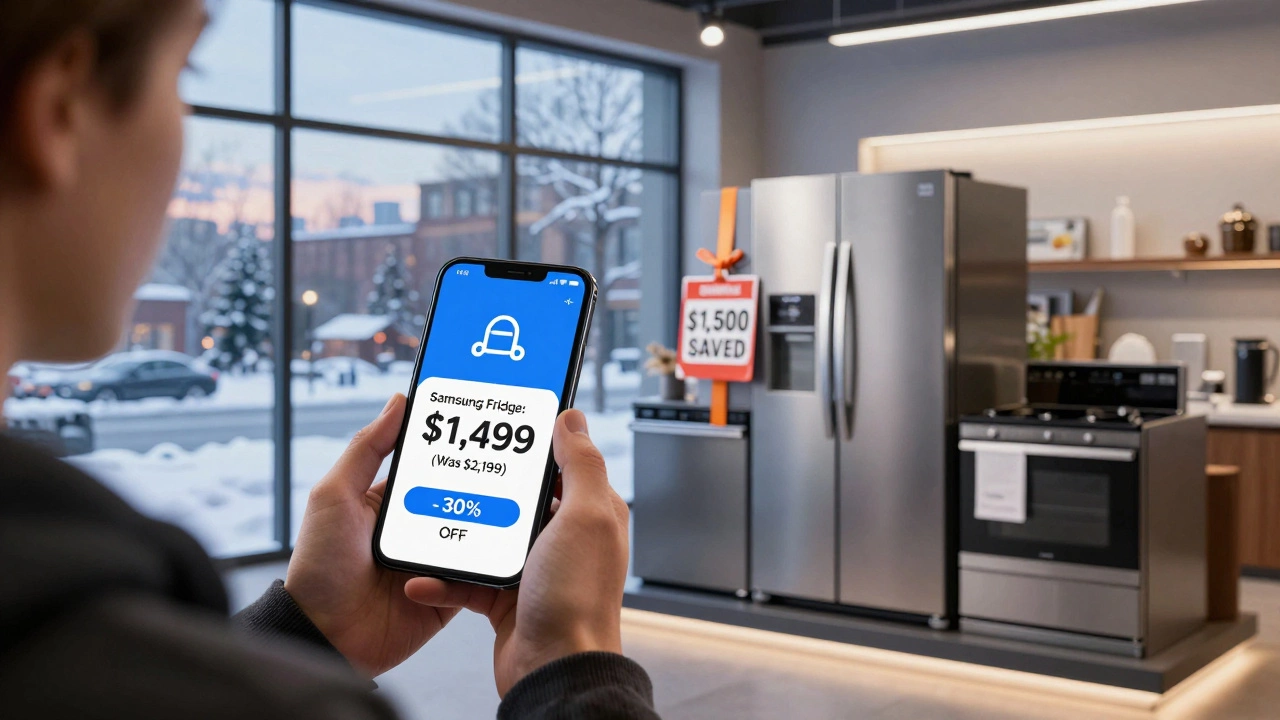
- In January 2024, a Samsung 28 cu. ft. French door fridge dropped from $2,199 to $1,499. Same model, same store. Sold out in three days.
- In October 2024, a Whirlpool washer and dryer set went from $1,699 to $1,199 with free delivery and installation.
- In January 2025, Canadian Tire offered a kitchen bundle: fridge, dishwasher, and range for $3,299. The individual prices added up to $4,799. That’s a $1,500 savings.
These aren’t outliers. They’re the norm when you time it right.
How to Track Deals Without Stress
You don’t need to check every store every day. Here’s a simple system:
- Write down the exact model numbers you’re interested in (e.g., LG WT7500CW, Frigidaire FGHD2472NF).
- Set up price alerts on Google Shopping or CamelCamelCamel (for Canadian stores, use PriceTracker.ca).
- Check weekly in December and September-those are your trigger months.
- When you see a 30%+ drop from the regular price, act fast. Stock runs out.
Most people think they need to wait for Black Friday. But the real savings happen when the calendar turns to January. That’s when the stores are desperate to move product. That’s when the deals are real.
Final Tip: Buy When You’re Ready, Not When You’re Pressured
Appliance shopping isn’t a race. It’s a strategy. The best time to buy isn’t when the ads scream “SALE!” It’s when the inventory is old, the shelves are full, and the store needs to clear space. That’s January. That’s October. That’s when you win.
Don’t get distracted by flashy holiday ads. Don’t feel guilty for waiting. The money you save isn’t just cash-it’s peace of mind. You bought the right appliance, at the right price, without the stress.
Is it better to buy appliances in January or during Black Friday?
January is usually better for high-quality appliances. Black Friday has more ads, but the best models are often held back until January. You’ll find deeper discounts on premium brands like LG, Samsung, and Bosch in early January, especially on last year’s models.
Are appliance bundles worth it?
Yes, if you need multiple appliances. Bundles often save you $300 to $1,500 compared to buying separately. You’ll also get perks like free delivery, installation, or extended warranties. Just make sure you actually want all the items in the bundle-don’t buy something just to qualify.
What appliances have the biggest price drops?
Refrigerators, dishwashers, and washer-dryer sets see the largest drops-often 30% to 50%. Built-in ovens and range hoods also drop significantly. Small appliances like blenders or toasters don’t follow the same pattern; their deals are more random.
Should I wait for a new model to come out?
If you’re buying a major appliance, yes. New models typically launch in January and September. When they do, the previous year’s version drops in price. Waiting a few weeks after a new release can save you hundreds.
Can I negotiate appliance prices?
Absolutely. Especially if you’re buying more than one item. Ask if they can match a competitor’s price or throw in free installation. Many stores have hidden discounts they’ll offer if you ask. Don’t be shy-salespeople have flexibility.