
Hearing Risk Calculator
Calculate Your Hearing Risk
Noise cancelling headphones can lead to increased volume usage. This calculator shows the cumulative risk of hearing damage based on your listening habits.
Risk Assessment
Recommended: Limit exposure to 85 dB for no more than 40 hours per week (WHO standard).
Your Exposure: You're at 40 hours per week at 85 dB.
Safety Recommendations
- Never exceed 85 dB for more than 40 hours per week
- Take a 10-minute break every hour when listening above 85 dB
- Avoid using ANC headphones in high-risk environments (walking, driving)
- If you feel ear pressure or dizziness, remove headphones immediately
- Consider passive isolation headphones in quiet environments
Noise cancelling headphones promise peace. They block out the hum of airplanes, the chatter of coffee shops, even the blare of construction outside your window. But here’s the truth most ads won’t tell you: there’s a cost. Not just in price, but in how they change the way you experience the world - and sometimes, your own body.
They Can Make You Less Aware of Your Surroundings
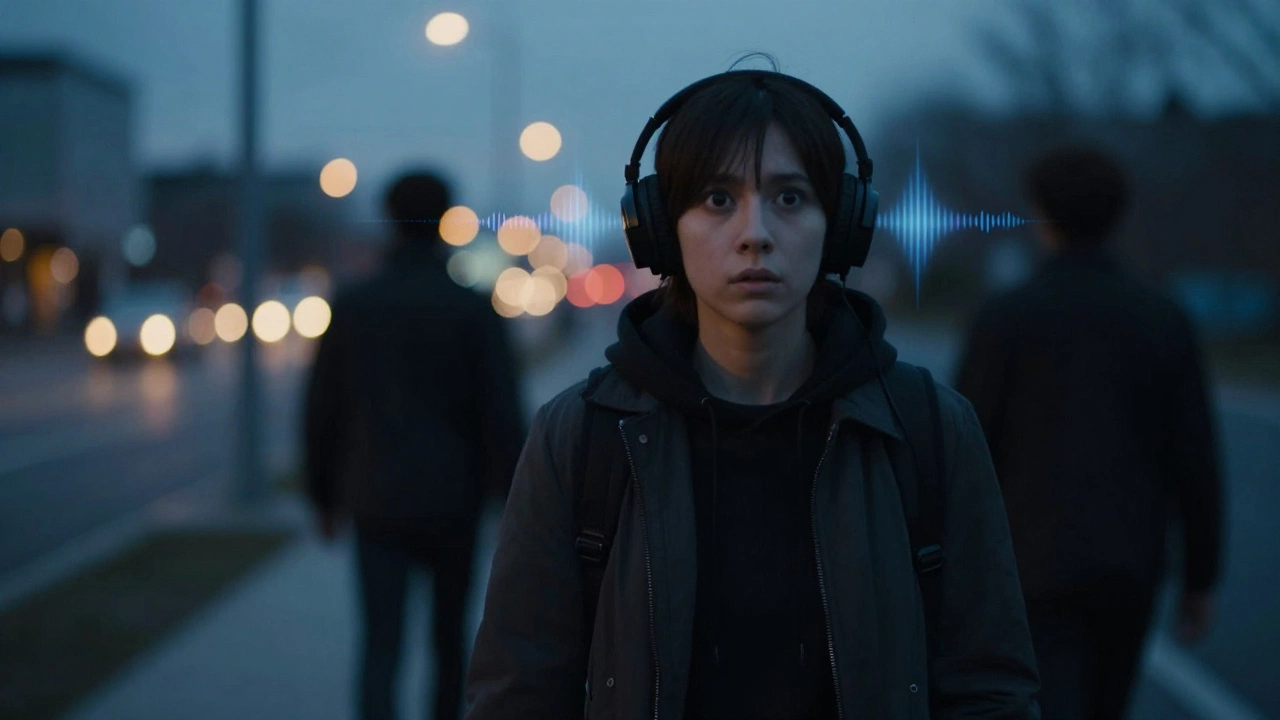
Imagine walking home after dark. You’re wearing your noise cancelling headphones. The city noise is gone. It’s quiet. Too quiet. You don’t hear the footsteps behind you. You don’t hear the car turning the corner too fast. You don’t hear the siren in the distance.
That’s not paranoia. It’s science. A 2021 study from the University of Maryland tracked pedestrians using active noise cancelling (ANC) headphones and found they were 37% slower to react to sudden sounds like horns or alarms compared to those wearing regular headphones or none at all. ANC doesn’t just cancel background noise - it removes the audio cues your brain uses to stay safe. In busy cities, near traffic, or even in a crowded airport, that gap in awareness can turn dangerous.
They Can Cause Discomfort - Even Physical Pain
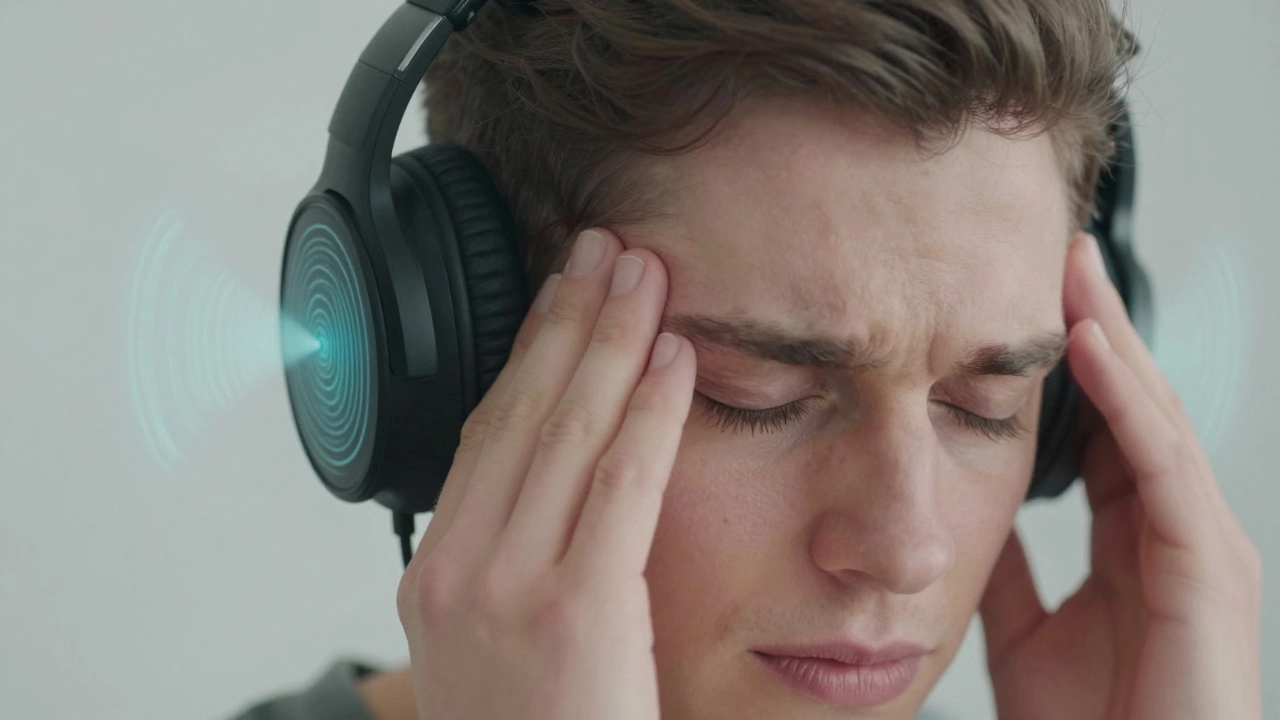
Ever put on your noise cancelling headphones and felt pressure in your ears? Like your head is being gently squeezed? That’s not a fit issue. That’s the ANC tech itself.
Active noise cancelling works by generating opposite sound waves to cancel out incoming noise. But that process creates subtle changes in air pressure inside the ear cup. For some people, this feels like being at high altitude. Others report dizziness, nausea, or a weird fullness in their ears - especially after 20 to 30 minutes of use. A 2023 survey of 1,200 ANC users by the Canadian Hearing Society found that 28% experienced ear pressure or vertigo symptoms regularly. It’s not rare. It’s not a myth. It’s a side effect of the technology.
They Don’t Work Well for All Sounds
Not all noise is created equal. ANC excels at canceling steady, low-frequency sounds - like airplane engines, HVAC systems, or traffic rumble. But it struggles with sudden, sharp noises. Think: a baby crying, a door slamming, a person yelling your name, or a dog barking.
These sounds happen too fast for the headphones to react. The mic picks up the noise, processes it, and generates the anti-noise - but by then, the sound is already in your ear. The result? You get a weird echo effect: the original sound, then a delayed, muffled version of it. It’s worse than no noise cancelling at all. It’s distracting. And it makes you think your headphones are broken - when they’re just doing what they can.
You Might Start Hearing Things That Aren’t There
Here’s the weirdest one: some people report hearing phantom noises after using ANC for long periods.
It’s called auditory deprivation. When your brain stops getting regular environmental sounds - like the rustle of leaves, distant chatter, or the hum of a fridge - it starts filling the silence with its own noise. Some users describe hearing a faint ringing, buzzing, or even voices. It’s not tinnitus. It’s your brain trying to make sense of the void.
One user from Vancouver, who used ANC headphones daily for work, told a local audiologist: "I started hearing a low drone even when I took them off. It took three weeks to go away." That’s not a glitch. It’s your nervous system adapting to a new normal.
They Can Make You Listen Louder - and Damage Your Hearing
If you’re using noise cancelling to block out noise so you can listen to music, you might be making a dangerous trade.
Studies show people using ANC headphones turn up the volume more than those using passive isolation. Why? Because the silence feels unnatural. Your brain says, "I need more sound." So you crank it. A 2024 report from the World Health Organization found that ANC users were 42% more likely to exceed safe listening levels (85 dB for more than 40 hours a week) than users of regular over-ear headphones.
That’s not just about temporary ear fatigue. It’s about permanent hearing loss. Noise-induced hearing damage is cumulative. Every hour you spend at 90 dB? That’s 15 minutes of risk. And if you’re using ANC to listen to podcasts or calls at high volumes, you’re slowly eroding your ability to hear speech clearly - especially in noisy rooms later on.
They’re Not Always Better Than Passive Isolation
Not everyone needs ANC. Sometimes, simple foam ear cups - the kind that just block sound physically - do a better job.
Passive isolation doesn’t try to outsmart noise. It just gets in the way. And for many people, that’s enough. In quiet environments - libraries, home offices, late-night flights - passive headphones can reduce noise just as effectively, without the pressure, dizziness, or battery drain. And they cost half as much.
Plus, they don’t need charging. They don’t have firmware updates. They don’t suddenly stop working when the battery dies. If you’re looking for peace, not tech, sometimes the old way is better.
They Can Make You Feel More Isolated
There’s a psychological cost, too. Noise cancelling doesn’t just mute sound - it cuts you off from people.
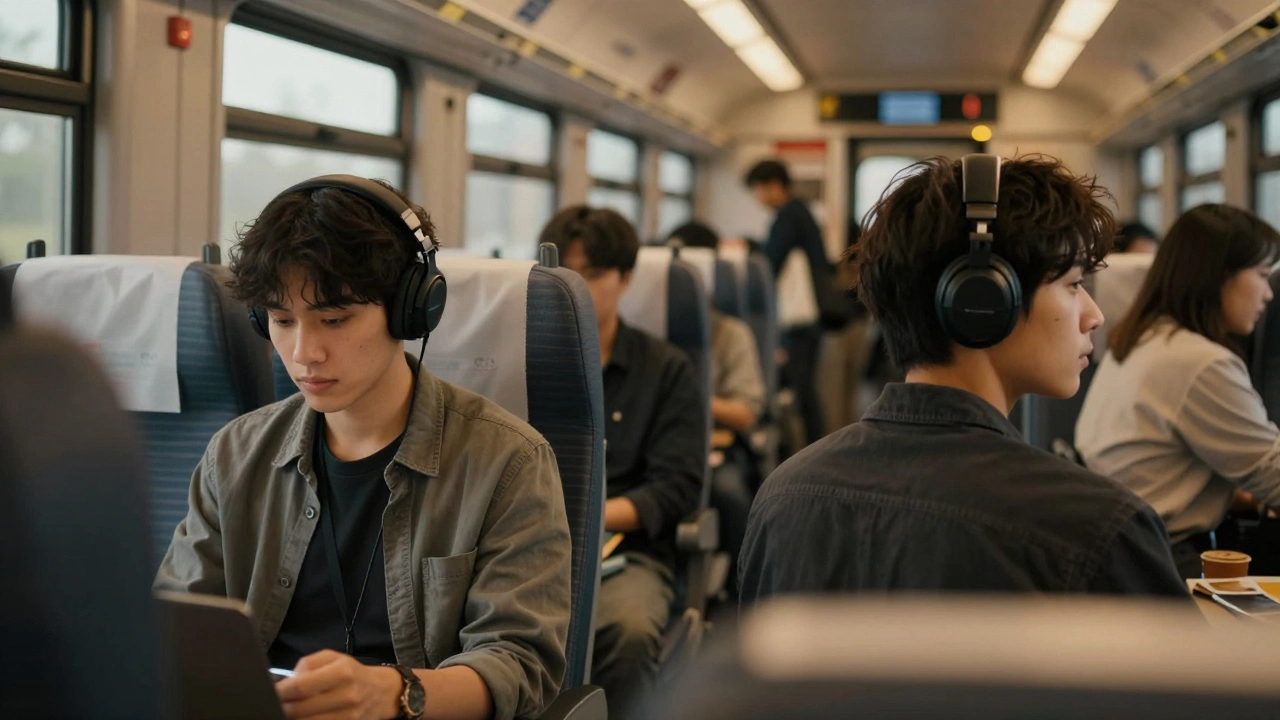
Think about it: when you wear ANC headphones in a shared space - a train, a coworking area, even your own home - you send a signal: "Don’t talk to me." It’s not just about noise. It’s about connection. A 2022 study from the University of British Columbia found that people wearing ANC headphones were 50% less likely to respond to greetings or engage in small talk than those wearing regular headphones or no headphones at all.
That might sound like a win if you’re trying to focus. But over time, it can make you feel lonelier. You’re not just blocking noise - you’re blocking presence. And humans aren’t wired to live in sonic bubbles.
When Noise Cancelling Might Be Worth It
None of this means you should throw yours out. ANC is a powerful tool - for pilots, call center workers, parents with crying babies, or anyone who needs deep focus in a chaotic environment. The key isn’t to avoid it. It’s to use it wisely.
Use it for specific tasks - deep work, long flights, noisy commutes. Take breaks. Remove them when walking, driving, or talking to someone. Don’t wear them all day. And never use them at max volume.
There’s no such thing as a perfect solution. But there is a smart one: know the trade-offs. Then choose when to use them - and when to leave them off.
Do noise cancelling headphones cause hearing damage?
They don’t cause damage directly, but they can lead to it indirectly. Many users turn up the volume higher than they would with regular headphones because the silence feels unnatural. Listening at high volumes for long periods - especially above 85 dB - can permanently damage hearing over time. The risk isn’t from the noise cancelling tech itself, but from how people use it.
Can noise cancelling make you dizzy?
Yes. The air pressure changes created by active noise cancelling can trigger dizziness, ear fullness, or nausea in some people. This is especially common with over-ear models that seal tightly around the ear. Around 28% of users report these symptoms regularly, according to a 2023 Canadian Hearing Society survey. If it happens to you, take breaks or switch to passive headphones.
Are noise cancelling headphones better than regular ones?
It depends. If you’re in a noisy place like a train or office, ANC helps a lot. But if you’re in a quiet room, passive isolation (just physical blocking) works just as well - and without the pressure, battery drain, or cost. For casual listeners, regular headphones often make more sense.
Should I wear noise cancelling headphones while walking or driving?
No. Active noise cancelling reduces your awareness of important sounds like car horns, sirens, or people calling out. Studies show users are significantly slower to react to these cues. For safety, avoid wearing them while walking near traffic or while driving. Use them only in controlled, safe environments.
Why do I hear a ringing after taking off my noise cancelling headphones?
You’re not imagining it. When your brain is used to silence, it can start generating its own sounds - a faint buzz, hum, or ring. This is called auditory deprivation. It’s temporary and usually fades after a few hours without headphones. But if it lasts more than a day or gets louder, see an audiologist.