
Air Purifier Electricity Cost Calculator
How Much Does Your Purifier Cost?
Calculate your monthly electricity costs based on your purifier's wattage and your local rate. Remember: HEPA purifiers run 24/7, making these costs significant over time.
Enter values above to see your monthly cost
- HEPA purifiers typically run 24/7 (24 hours/day)
- Actual costs may vary based on usage patterns
- ENERGY STAR models can reduce costs by 40% or more
- Replace filters regularly to maintain efficiency (see article)
HEPA air purifiers are everywhere these days-bedrooms, offices, nurseries. They promise clean air, fewer allergies, and better sleep. And for the most part, they deliver. But here’s something no one tells you: even the best HEPA purifiers have downsides. Not because they’re broken, but because they’re not magic. They’re machines. And machines always have trade-offs.
They Don’t Remove All Pollutants
HEPA filters are amazing at trapping particles. They catch 99.97% of things that are 0.3 microns or larger. That includes dust, pollen, pet dander, and even some mold spores. But here’s the catch: they don’t touch gases. VOCs from paint, formaldehyde from furniture, cooking fumes, cigarette smoke-none of that gets filtered out by a HEPA filter alone. If you’re worried about odors or chemical fumes, you need activated carbon, and even then, it only lasts so long before it’s saturated. Many budget purifiers slap on a thin carbon layer and call it a day. That’s like putting a Band-Aid on a leaky pipe.
Some Produce Ozone-And That’s a Problem
Not all air purifiers are created equal. Some, especially older models or ones marketed as "ionizers" or "plasma wave," intentionally generate ozone. Ozone is a lung irritant. It can worsen asthma, cause throat irritation, and even reduce lung function over time. The EPA says there’s no safe level of ozone for people with respiratory issues. Even small amounts can be harmful indoors, where ventilation is limited. If your purifier has terms like "ozone-free" or "no ionization" on the box, that’s good. If it says "neutralizes odors with ions," walk away. You’re not getting cleaner air-you’re adding a toxin.
Noise Can Ruin Sleep
Think your HEPA purifier is silent? Try running it on high in a quiet bedroom at night. Most models make between 30 and 60 decibels on their highest setting. That’s like a quiet conversation or a refrigerator humming. But on low? It might still be 25-35 dB-enough to keep light sleepers awake. A 2023 study from the University of British Columbia found that 38% of users reported disrupted sleep due to purifier noise, even when they thought they’d gotten used to it. The fix? Buy one with a true sleep mode that drops below 20 dB. Brands like Coway and Blueair have models that do this well. Cheaper ones? They just turn the fan down and call it a night.
They Can Make Dust Worse
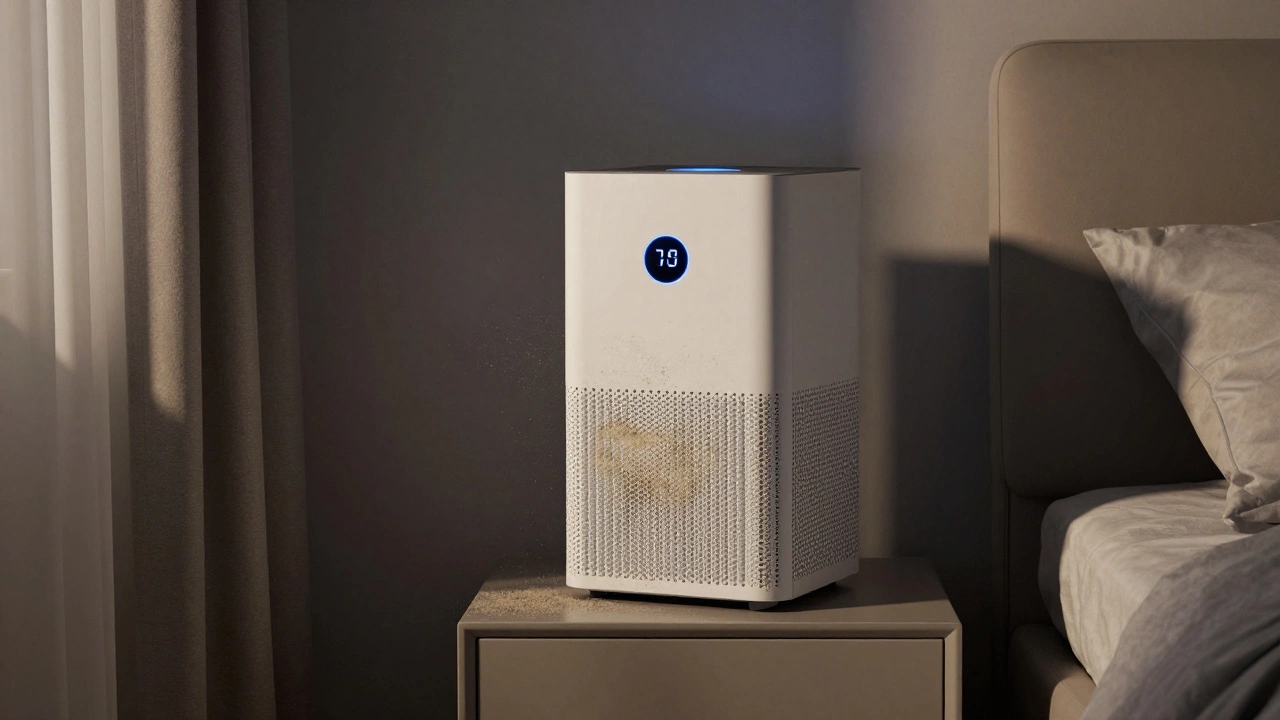
Here’s a counterintuitive one: if you don’t change the filter regularly, your purifier can start blowing dust back into the room. HEPA filters trap particles, but they don’t destroy them. Over time, trapped allergens build up. If the filter is old or the unit isn’t sealed properly, those particles can escape through tiny gaps around the filter housing. You might think you’re breathing cleaner air, but you’re actually stirring up a concentrated cloud of old pollen, dead skin, and mold spores. That’s why manufacturers say to replace filters every 6-12 months. Ignore that advice, and you’re making your air worse.
They Increase Electricity Bills
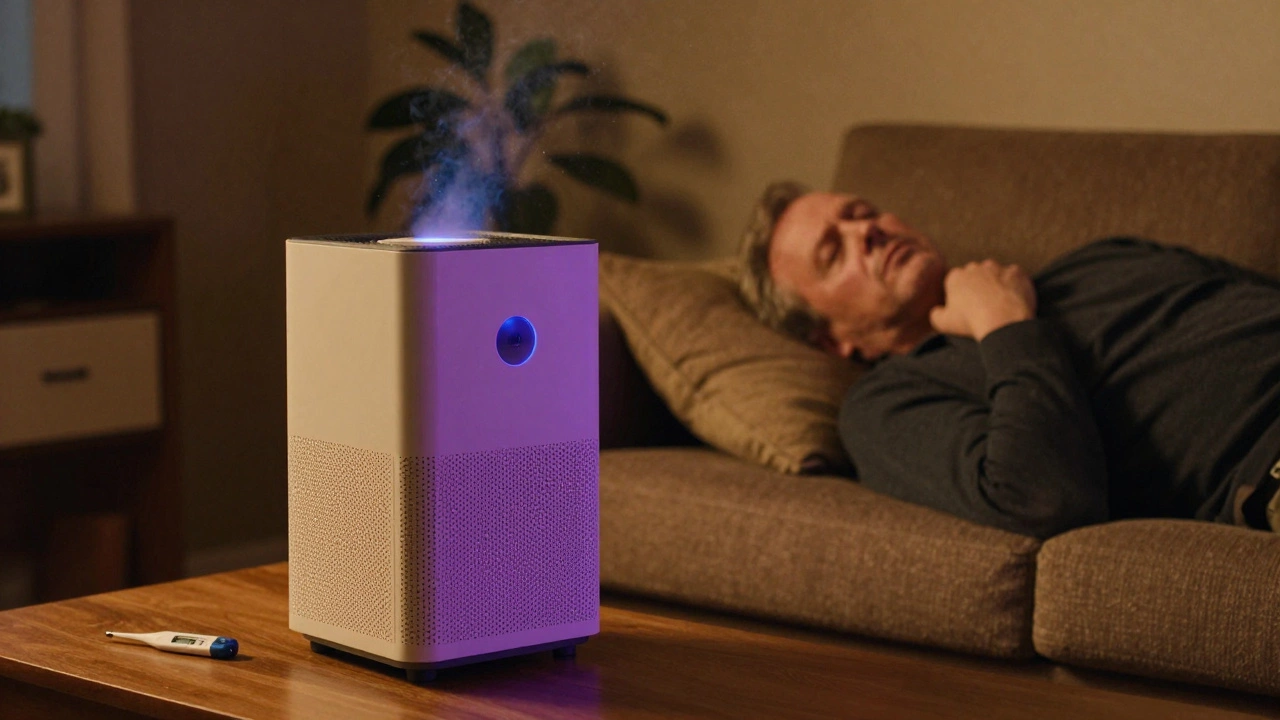
HEPA purifiers run 24/7. That’s not a typo. To keep air clean, they need constant airflow. A typical unit uses 50 to 100 watts on high. Over a month, that’s 36-72 kWh. In Vancouver, where electricity is relatively clean but still not free, that’s about $5-$9 extra per month. Doesn’t sound like much? Multiply that by five purifiers in a big house. Now you’re talking $45-$80 a year. And if you live somewhere with higher rates, like California or New York, it’s more. Efficiency matters. Look for ENERGY STAR-certified models-they use up to 40% less power than standard ones.
They Can Trigger Allergies If Poorly Maintained
It sounds backwards, but yes-a dirty purifier can make allergies worse. Mold can grow inside the housing if moisture builds up, especially in humid climates like Vancouver’s winters. Bacteria can colonize the filter if it’s soaked with organic debris. When the fan kicks on, it blows those spores and microbes right back into your air. One 2022 test by Consumer Reports found that 17% of used HEPA filters showed detectable mold growth after 10 months of use. That’s not rare. It’s expected if you skip maintenance. Clean the housing monthly. Replace the filter on schedule. Don’t let your solution become the problem.
They Don’t Fix the Root Cause
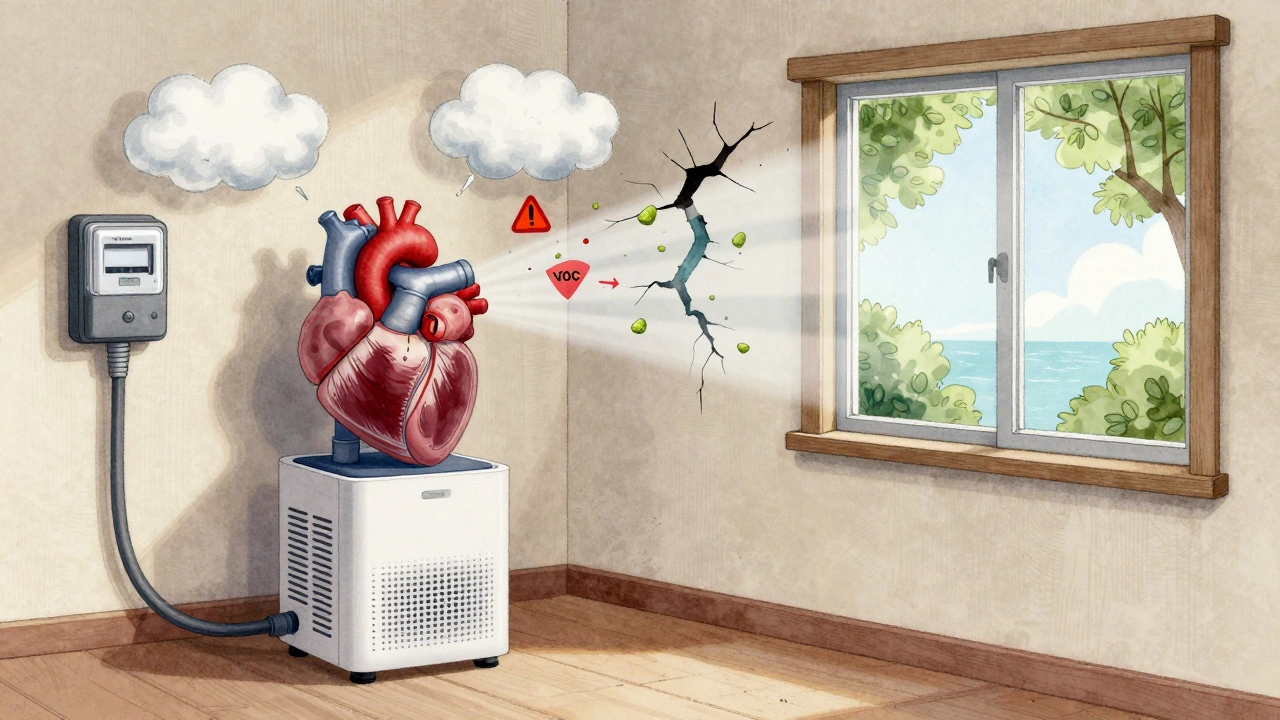
HEPA purifiers treat symptoms, not causes. If your air is full of dust because you have old carpeting, leaky windows, or pets that shed constantly, the purifier is just putting a bandage on it. You’ll keep needing to replace filters faster. You’ll keep paying more for electricity. You’ll keep feeling like something’s off-even with the purifier running. Real improvement comes from sealing drafts, washing bedding weekly, vacuuming with a HEPA-filtered vacuum, and reducing clutter. The purifier helps, but it’s not a substitute for a clean home.
What About Kids and Pets?
Parents often buy purifiers for babies or kids with asthma. That’s smart. But placing the unit too close to a crib or pet bed can create a micro-environment where air is too dry or too turbulent. Some kids report dry throats or nosebleeds in rooms with purifiers running constantly. Pets, especially cats, can be sensitive to airflow. If your cat avoids the room where the purifier sits, it’s not being dramatic-it’s reacting to the air movement. Keep purifiers at least 3 feet away from sleeping areas. Use a humidifier if the air feels too dry. And never let pets chew on cords or knock over the unit.
Is There a Better Alternative?
There’s no perfect solution, but there are smarter ones. If you’re worried about VOCs, pair your HEPA purifier with a standalone activated carbon filter. If noise is an issue, get a model with a timer so it runs only during the day or at night on low. If cost is a concern, open windows when outdoor air quality is good-something many people forget they can do. In Vancouver, late spring and early fall often have excellent air quality. Let nature help. And if you’re dealing with chronic allergies or asthma, talk to an allergist. Sometimes, the real fix isn’t a machine-it’s removing the source.
Final Thought: Don’t Buy a Purifier to Fix Everything
HEPA purifiers are tools, not miracles. They’re great at what they do-removing airborne particles. But they’re not a cure-all. If you buy one expecting to solve every air quality problem, you’ll be disappointed. The real benefit comes from using them as part of a bigger strategy: clean surfaces, reduce clutter, ventilate when you can, and maintain the device like you would a car. Change the filter. Wipe the housing. Don’t ignore the manual. Do that, and you’ll get clean air without the hidden costs.
Do HEPA air purifiers make you sick?
No, a properly functioning HEPA purifier won’t make you sick. But if it’s dirty, old, or produces ozone, it can. Mold growing inside the unit, a clogged filter releasing trapped particles, or ozone emissions from ionizing models can trigger allergies, asthma, or respiratory irritation. Regular maintenance and choosing ozone-free models prevent this.
Can HEPA filters cause dry air?
HEPA filters themselves don’t remove moisture from the air. But the constant airflow can make the air feel drier, especially in winter. This isn’t the filter’s fault-it’s the movement of air across your skin and mucous membranes. If you notice dry eyes, throat, or nose, use a humidifier alongside your purifier, especially in cold climates.
Are HEPA purifiers worth it for allergies?
Yes, if you’re allergic to airborne particles like pollen, dust mites, or pet dander. Studies show HEPA purifiers reduce allergy symptoms by 20-30% in controlled environments. But they’re not enough alone. Combine them with washing bedding in hot water, using allergen-proof covers, and vacuuming with a HEPA vacuum for the best results.
How often should I replace a HEPA filter?
Most manufacturers recommend replacing HEPA filters every 6 to 12 months. But if you have pets, live in a dusty area, or run the purifier 24/7, replace it every 4-6 months. A clogged filter reduces efficiency and can force the motor to work harder, increasing noise and energy use.
Do HEPA purifiers help with COVID or colds?
HEPA filters can capture virus-carrying particles, including those from coughs and sneezes. The CDC says air purifiers with HEPA filters can reduce airborne transmission in indoor spaces. But they’re not a substitute for ventilation, masks, or vaccines. Use them as part of layered protection, not your only defense.
Can I run a HEPA purifier all day?
Yes, and it’s recommended. Air pollution doesn’t stop when you’re asleep or away. Running the purifier continuously keeps particle levels low. Just make sure it’s ENERGY STAR certified to save on electricity, and change the filter on schedule to avoid releasing trapped pollutants back into the air.