
Washing Machine Brand Finder
Answer three simple questions to find which of the top 10 brands matches your lifestyle.
Recommended Brand:
Top Pick--
--
- Why it fits: --
- Key Feature: --
- Price Range: --
You stand in the aisle of a big-box store or scroll through endless online listings, and it hits you: there are too many choices. One machine costs $400, another $1,500, and they all promise to make your clothes look brand new. But which one actually lasts? Which one won’t leave you stranded with a pile of wet socks when you need them most?
Buying a washing machine is one of those infrequent purchases that feels high-stakes. You want something durable, efficient, and easy to use. The market in 2026 is crowded with legacy giants and tech-forward newcomers. To help you cut through the noise, we’ve broken down the top 10 brands dominating the landscape right now. We’re looking at reliability, innovation, price point, and real-world performance.
Why Brand Reputation Matters More Than Features
It’s tempting to chase the flashiest drum design or the smartest app integration. But here’s the truth: the motor, the suspension system, and the quality control are what keep a machine running for ten years. A great feature set means nothing if the machine breaks after two wash cycles.
Brand reputation is built on repair rates, customer service responsiveness, and parts availability. When we rank these brands, we prioritize longevity and support over gimmicks. If a brand has a history of cheap plastic components that crack under stress, it doesn’t matter how many LED lights it has. It’s going to end up in a landfill sooner than later.
The Top 10 Washing Machine Brands for 2026
Here is the breakdown of the players you should know. We’ve categorized them by their strongest suit so you can match the brand to your specific needs.
| Rank | Brand | Best For | Price Range | Key Strength |
|---|---|---|---|---|
| 1 | Samsung | Smart Home Integration | $600 - $1,800 | Innovative designs & AI wash cycles |
| 2 | LG | Reliability & Performance | $700 - $2,000 | Dual Inverter motors & durability |
| 3 | Whirlpool | Budget-Friendly Dependability | $400 - $900 | Easy repairs & widespread service |
| 4 | Miele | Premium Longevity | $1,500 - $3,500+ | Built to last 20+ years |
| 5 | Bosch | Quiet Operation | $800 - $1,600 | German engineering & low noise |
| 6 | Electrolux | Gentle Fabric Care | $600 - $1,400 | Steam technology & stain removal |
| 7 | Maytag | Heavy-Duty Loads | $500 - $1,100 | Rugged construction & large capacity |
| 8 | Frigidaire | Value & Simplicity | $350 - $800 | No-frills functionality |
| 9 | GE (General Electric) | Customization | $500 - $1,200 | FlexLoad baskets & versatile options |
| 10 | Amana | Ultra-Budget Needs | $300 - $600 | Lowest entry price |
Deep Dive: The Leaders of the Pack
Let’s look closer at why these specific brands made the cut and what makes them different from each other.
Samsung: The Tech Innovator
Samsung has aggressively pushed into the laundry space with features that feel more like smartphone upgrades than appliance updates. Their EcoBubble technology mixes detergent with air and water before the wash cycle begins, allowing stains to be removed at lower temperatures. This saves energy and protects fabrics. If you are already invested in the SmartThings ecosystem, Samsung washers integrate seamlessly, letting you start loads from your phone or get alerts when the cycle finishes. However, some users report that the complex electronics can lead to more frequent error codes compared to simpler mechanical models.
LG: The Reliable Workhorse
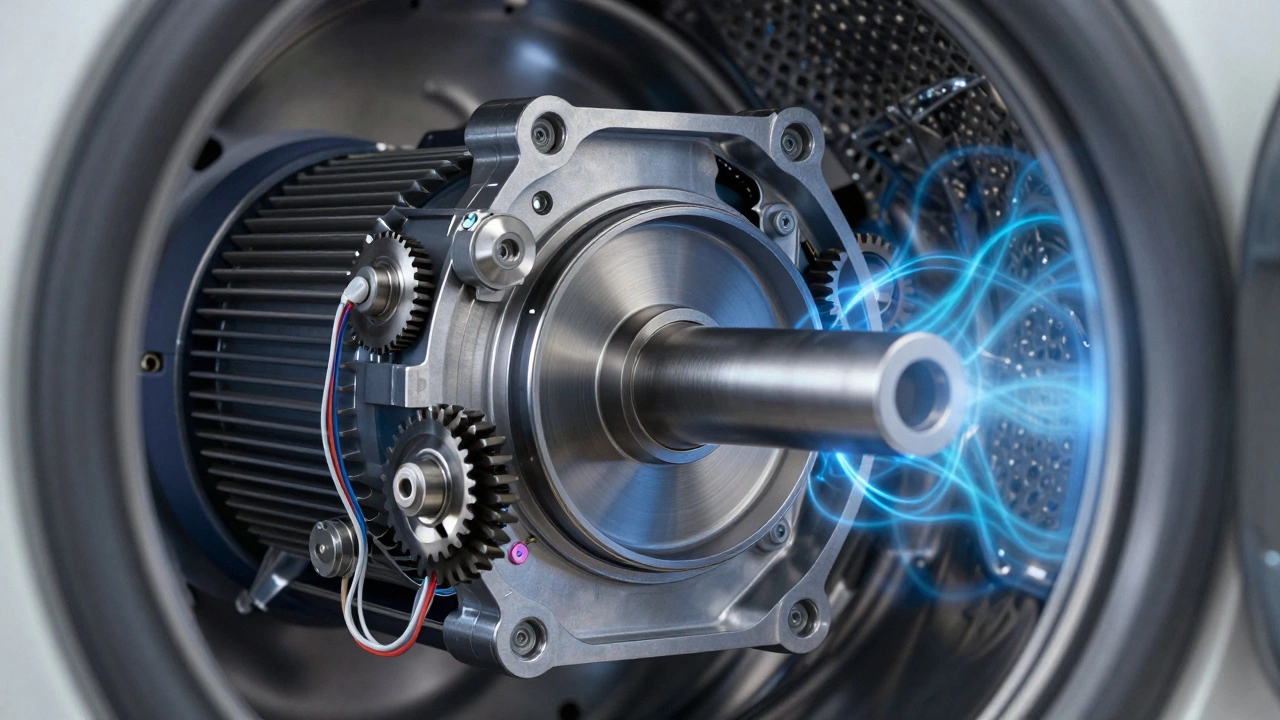
LG consistently ranks high in independent reliability surveys. Their secret weapon is the Direct Drive Motor, which connects directly to the drum without belts or pulleys. Fewer moving parts mean less noise, less vibration, and fewer things to break. LG’s TurboWash 360 uses spray jets to penetrate clothes faster, reducing cycle times by up to 30 minutes. For families who do multiple loads a day, this time savings adds up. LG also offers excellent warranty coverage, often including a 10-year part-and-labor warranty on the direct drive motor.
Whirlpool: The American Standard
If you want a machine that just works, Whirlpool is the go-to. They don’t always have the sleekest design or the most cutting-edge AI, but they excel at basics. Whirlpool machines are known for their ease of repair. Because they are so common in North America, almost any local technician knows how to fix them, and replacement parts are widely available and affordable. Their Load & Go dispenser lets you fill a reservoir with detergent for multiple loads, which is a simple but effective convenience feature.
Miele: The Luxury Investment
Miele is the Rolls-Royce of washing machines. These German-engineered beasts are tested for 20 years during development. You pay a premium upfront-often double or triple the cost of a standard model-but the cost per load over two decades is significantly lower. Miele’s CareSystem ensures gentle handling of delicate fibers, making it a favorite among people who own high-end clothing. They also use high-quality stainless steel drums that resist corrosion better than competitors. If you plan to stay in your home for a long time, Miele is a wise investment.
Bosch: The Quiet Neighbor
Living in an apartment or a house where the laundry room is near living spaces? Bosch is your answer. Their front-loaders are renowned for being whisper-quiet. Bosch focuses heavily on energy efficiency and water conservation, aligning with European standards that are stricter than many North American regulations. Their ActiveWater Plus system adjusts water usage based on the load size, ensuring you aren’t wasting resources. While they lack some of the flashy smart features of Samsung, their build quality and silent operation are unmatched in the mid-to-high range.
Electrolux: The Gentle Giant
Electrolux positions itself as a brand that cares about fabric health. Their Perfect Steam technology injects steam into the drum to reduce wrinkles and allergens. This is particularly useful for people with sensitive skin or allergies, as steam helps kill dust mites and bacteria without harsh chemicals. Electrolux washers also tend to have intuitive controls and clear displays, making them user-friendly for older adults or those who dislike complex menus.
Maytag: Built for Toughness
Maytag leans into its heritage of durability. Their commercial-style washers are designed to handle heavy blankets, muddy work clothes, and large family loads. The PowerWash cycle agitates vigorously to remove tough stains. Maytag is a strong choice for large households or anyone who deals with heavy-duty laundry regularly. They offer robust warranties, including a 10-year limited parts warranty on major components, which gives peace of mind.
Frigidaire: Simple and Affordable
Frigidaire offers no-nonsense appliances at competitive prices. They are ideal for rental properties, guest houses, or budget-conscious buyers who don’t need smart features. Frigidaire washers are straightforward to operate, with manual dials and simple digital controls. While they may not have the longest lifespan of premium brands, they provide solid performance for the price. Their compact models are also popular for small apartments.
GE: Flexible Solutions
General Electric (now Haier) brings versatility to the table. Their FlexLoad basket allows you to lift the center post to accommodate bulky items like comforters or pillows. GE also offers unique configurations, such as stacked washer-dryer combos that save space. Their smart features are integrated via the Genie platform, offering voice control compatibility. GE balances innovation with traditional reliability, appealing to a broad audience.
Amana: The Budget Option
Amana is owned by Whirlpool but targets the lowest price segment. These machines are basic, with fewer electronic components, which can mean fewer points of failure. However, they also lack advanced cleaning technologies and durability features. Amana is suitable for secondary units, students, or those on a strict budget who expect to replace the machine within five years.
How to Choose the Right Brand for You
Selecting a brand isn’t just about picking the highest-ranked name. It’s about matching the brand’s strengths to your lifestyle.
- For Small Spaces: Look at Bosch, LG, or Frigidaire for compact and stackable options.
- For Large Families: Maytag, Whirlpool, and LG offer large capacities and fast cycles.
- For Delicate Fabrics: Miele and Electrolux provide superior care for expensive clothing.
- For Smart Home Enthusiasts: Samsung and LG lead in connectivity and app functionality.
- For Tight Budgets: Amana and Frigidaire offer the lowest entry prices.
Common Pitfalls to Avoid
Don’t fall for the “more features” trap. Every additional sensor, screen, or app connection is a potential point of failure. If you don’t use Wi-Fi capabilities, don’t pay for them. Also, consider the cost of maintenance. Premium brands like Miele and Bosch may require specialized technicians, which can increase repair costs. Check local service availability before buying a niche brand.
Another mistake is ignoring installation requirements. Front-loaders need precise leveling to prevent vibration issues. Ensure your home has the necessary electrical outlets and water connections. Some high-efficiency models require cold-water inlet modifications.
Future Trends in Washing Machines
The industry is moving toward greater sustainability. Expect to see more models with heat pump dryers integrated, which use significantly less energy than traditional vented dryers. AI-driven diagnostics will become standard, predicting maintenance needs before failures occur. Water recycling systems may also emerge, allowing greywater reuse for non-potable purposes.
Brands are also focusing on modular designs, where components can be easily replaced rather than discarding the entire unit. This shift aligns with global efforts to reduce e-waste. Keep an eye on companies like Miele and Bosch, who are pioneering these sustainable practices.
Final Thoughts on Brand Selection
There is no single “best” brand for everyone. The right choice depends on your budget, space, laundry habits, and priorities. If you value longevity and are willing to invest upfront, Miele is hard to beat. For a balance of price, performance, and reliability, LG and Whirlpool are safe bets. Samsung leads if you want the latest tech, while Maytag serves heavy-duty needs well.
Take your time. Read recent reviews, check warranty terms, and consider long-term ownership costs. A washing machine is a daily companion; choose one that fits your life seamlessly.
Which washing machine brand lasts the longest?
Miele is widely recognized for building machines that last 20 years or more due to rigorous testing and high-quality components. Bosch and LG also offer exceptional longevity, often exceeding 10-15 years with proper maintenance.
Is Samsung or LG better for washing machines?
Both are top contenders. LG generally edges out Samsung in reliability scores and motor durability thanks to its Direct Drive technology. Samsung excels in innovative features and smart home integration. Choose LG for dependability and Samsung for tech features.
Are expensive washing machines worth it?
Yes, if you plan to keep the machine for many years. Premium brands like Miele and Bosch have higher upfront costs but lower long-term expenses due to durability, energy efficiency, and better fabric care. Budget models may need replacement sooner, increasing total cost of ownership.
What is the most reliable washing machine brand in 2026?
Based on repair data and consumer reports, LG and Whirlpool consistently rank as the most reliable brands in 2026. They offer a strong balance of modern features and proven mechanical stability.
Do I need a smart washing machine?
Not necessarily. Smart features like remote start and cycle notifications are convenient but not essential. If you rarely check your phone during laundry or prefer simplicity, a non-smart model from Whirlpool or Frigidaire may suffice and cost less.
Which brand is best for apartments with limited space?
Bosch and LG offer excellent compact and stackable washer-dryer combos designed for small spaces. Frigidaire also provides affordable narrow-width models suitable for tight closets or utility rooms.