
Portable AC Sleep Cost & Safety Calculator
Estimated Impact
Cost Per Night
Based on 8 hours at $0.17/kWh
Safety & Efficiency Check
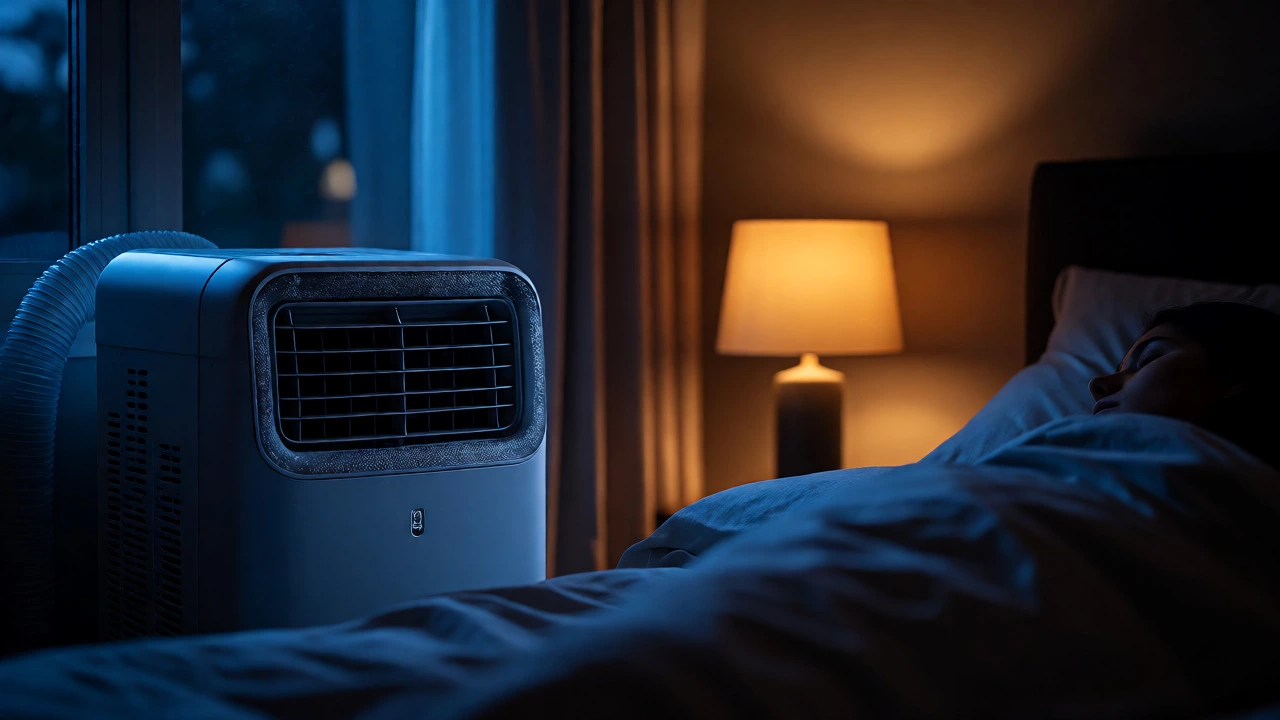
You’re lying in bed, staring at the ceiling fan spinning uselessly against the thick, humid air of a Vancouver summer night. The temptation to leave your portable air conditioner running all night is strong. But does it make sense? You might worry about your electricity bill skyrocketing by morning or that the unit will overheat while you’re unconscious. Here’s the straight answer: yes, it is generally safe and effective to sleep with a portable AC on, provided you manage three specific factors-noise, energy consumption, and exhaust venting.
The Real Risks: Why People Hesitate
Most hesitation comes from old myths or poorly maintained units. A modern portable AC isn’t going to catch fire spontaneously unless there’s an electrical fault. However, they are not silent machines. Unlike split systems or window units, portable ACs house both the compressor and the fan inside your room. This means the source of the noise is right next to your head.
If you’ve ever tried to sleep near a running vacuum cleaner, you know how disruptive low-frequency hums can be. Portable units typically operate between 50 and 60 decibels. For light sleepers, this is equivalent to a loud conversation or a running dishwasher. If the unit rattles due to loose panels or uneven flooring, that noise becomes even more intrusive. Before you commit to an all-night run, check if your model has a "sleep mode" that reduces fan speed, though this often compromises cooling efficiency.
Energy Costs: What Will It Do to Your Bill?
Let’s talk numbers because "it uses electricity" isn’t helpful. A standard 14,000 BTU portable air conditioner draws roughly 1,200 to 1,500 watts when the compressor is actively cooling. In Vancouver, where hydro rates hover around $0.17 per kWh (plus carbon tax), running one for eight hours could cost you between $1.30 and $1.80 per night. That doesn’t sound like much until you multiply it by 30 nights. Suddenly, you’re looking at $40-$50 extra per month just for sleeping cool.
To mitigate this, don’t set the thermostat to an arctic 18°C (64°F). Every degree lower increases energy usage significantly. Setting it to 24°C (75°F) with a ceiling fan circulating the air feels cooler than 22°C without airflow and saves substantial power. Also, ensure the unit is sized correctly. An undersized unit will run continuously at maximum capacity, never reaching the target temperature, which wastes energy and strains the motor.
| Unit Capacity (BTU) | Avg. Power Draw (Watts) | Cost Per Hour (CAD) | Cost Per 8 Hours (CAD) |
|---|---|---|---|
| 10,000 | 900 - 1,100 | $0.15 - $0.19 | $1.20 - $1.52 |
| 14,000 | 1,200 - 1,500 | $0.20 - $0.26 | $1.60 - $2.08 |
| 18,000+ | 1,600 - 1,900 | $0.27 - $0.32 | $2.16 - $2.56 |
The Venting Problem: Don’t Trap Heat
This is the most common mistake people make. Portable ACs work by moving heat from inside the room to outside. They need two things: intake air and exhaust air. Most single-hose models pull warm indoor air, cool it, and blow hot air out through the window kit. But here’s the catch: as they push hot air out, negative pressure builds up inside the room. Warm air from the hallway or other rooms gets sucked into your bedroom to replace the exhausted air.
If your bedroom door is closed tight, the unit struggles. If it’s open, you’re essentially trying to cool the whole apartment with a small machine. For best results during sleep, keep the window kit sealed perfectly. Use foam sealers around the hose connection. Any leak lets hot outdoor air back in, forcing the compressor to work harder all night. If you have a dual-hose model, this issue is minimized because one hose brings in outside air for cooling the condenser, preventing negative pressure buildup.
Health Concerns: Mold and Dry Air
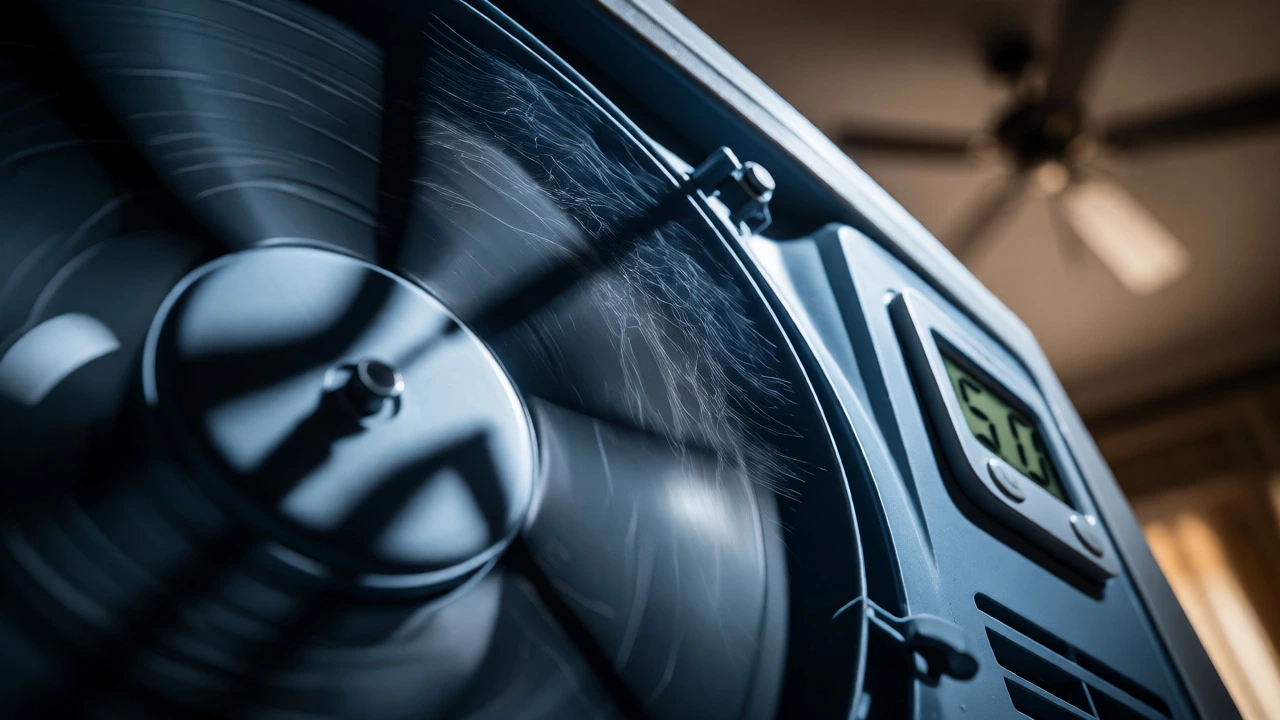
Does sleeping with the AC cause sore throats or sinus issues? Not directly, but poor maintenance can. Portable ACs collect condensate water. Some models evaporate it through the exhaust hose; others require manual draining. If you ignore the drain pan, stagnant water becomes a breeding ground for mold and bacteria. When the fan blows, those spores circulate directly into your breathing zone.
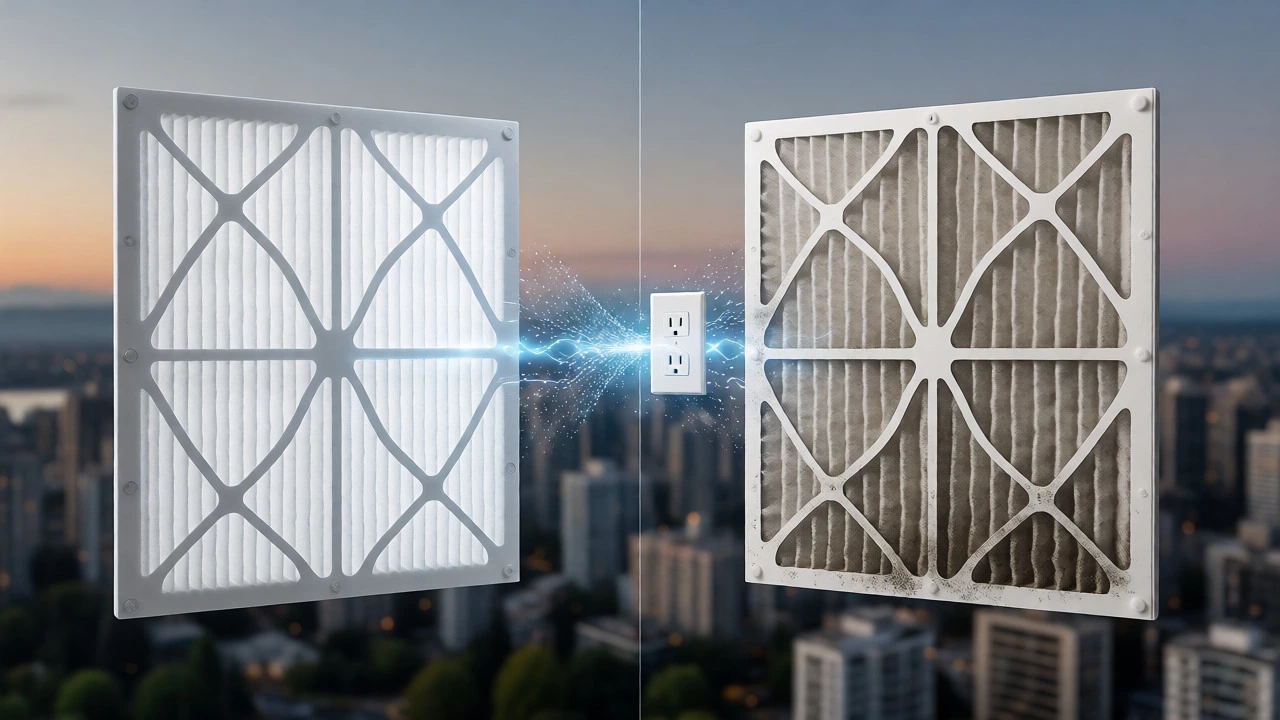
In Vancouver’s climate, humidity is often high. While ACs dehumidify, they can also dry out the air too much if run aggressively. This dries out nasal passages, leading to congestion or nosebleeds upon waking. A simple fix is placing a bowl of water near the unit or using a separate humidifier if the air feels parched. Always clean the filters every two weeks. Dust accumulation restricts airflow, making the unit louder and less efficient.
Safety First: Electrical and Fire Hazards
Are there real dangers? Yes, but they are manageable. Portable ACs draw significant current. Plugging them into a shared power strip with other appliances (like heaters or space heaters) can overload the circuit. This causes breakers to trip or, in worst-case scenarios, overheats wiring. Always plug your portable AC directly into a wall outlet.
Another risk is blocking the intake vents. These units need clearance-usually at least 12 inches on all sides-to breathe. Pushing the unit flush against a curtain or bedding blocks airflow, causing the compressor to overheat and shut down repeatedly. This short-cycling wears out the motor faster and creates unnecessary noise spikes throughout the night.
How to Optimize Sleep Comfort
If you decide to run it overnight, follow these steps to balance comfort and cost:
- Use a Timer: Set the AC to turn off after 2-3 hours. By then, the room should be cooled enough to maintain comfort, especially if windows are insulated or shaded during the day.
- Pre-Cool the Room: Run the AC vigorously from 8 PM to 10 PM before bed. Then switch to a lower fan setting or timer-off mode.
- Check Noise Levels: If the hum keeps you awake, try white noise apps or earplugs. Alternatively, look for models specifically marketed as "quiet" (under 50dB).
- Maintain Clearance: Ensure no clothes or bedding block the front or back vents.
Alternatives to Consider
If the noise or cost proves too annoying, consider hybrid approaches. A ceiling fan combined with a dehumidifier can make a room feel several degrees cooler without the aggressive cooling power of an AC. Dehumidifiers are quieter and cheaper to run. Or, if you live in a strata or rental where window kits are restricted, a smart thermostat-controlled mini-split might be worth the investment for long-term comfort.
Is it safe to leave a portable AC on all night unattended?
Yes, modern portable air conditioners have built-in thermal protection switches that shut the unit down if it overheats. As long as you plug it directly into a wall outlet and ensure proper ventilation, leaving it on overnight is safe. Avoid using extension cords, which can overheat under heavy load.
Will sleeping with the AC make me sick?
The cold air itself doesn't cause illness. However, dirty filters can circulate dust and allergens, triggering asthma or allergies. Additionally, excessively dry air can irritate throat membranes. Regular cleaning and moderate temperature settings prevent these issues.
How much does it cost to run a portable AC overnight?
In Canada, expect to pay approximately $1.50 to $2.50 CAD per night for an 8-hour period, depending on your local electricity rates and the unit's efficiency rating (EER). Using a timer or higher temperature setting can reduce this cost by up to 40%.
Do I need to empty the water tank every night?
Not necessarily. Many newer models feature self-evaporation technology, where moisture is expelled through the exhaust hose. Check your user manual. If your unit has a "Full Tank" indicator light, monitor it. In very humid climates like coastal BC, you may need to drain it weekly rather than nightly.
Can I close my bedroom door while the portable AC runs?
For single-hose units, closing the door completely can create negative pressure, pulling hot air from elsewhere in the home. This makes the AC work harder. It's better to crack the door slightly or ensure the room is well-sealed against outdoor heat so the unit isn't fighting constant infiltration.