
Refrigerator Energy Savings Calculator
Your Details
Analysis Results
Recommendation:
Enter your details and click calculate to see if it's worth upgrading.
- Efficiency Gain: --%
- Repair Risk Avoided: $0
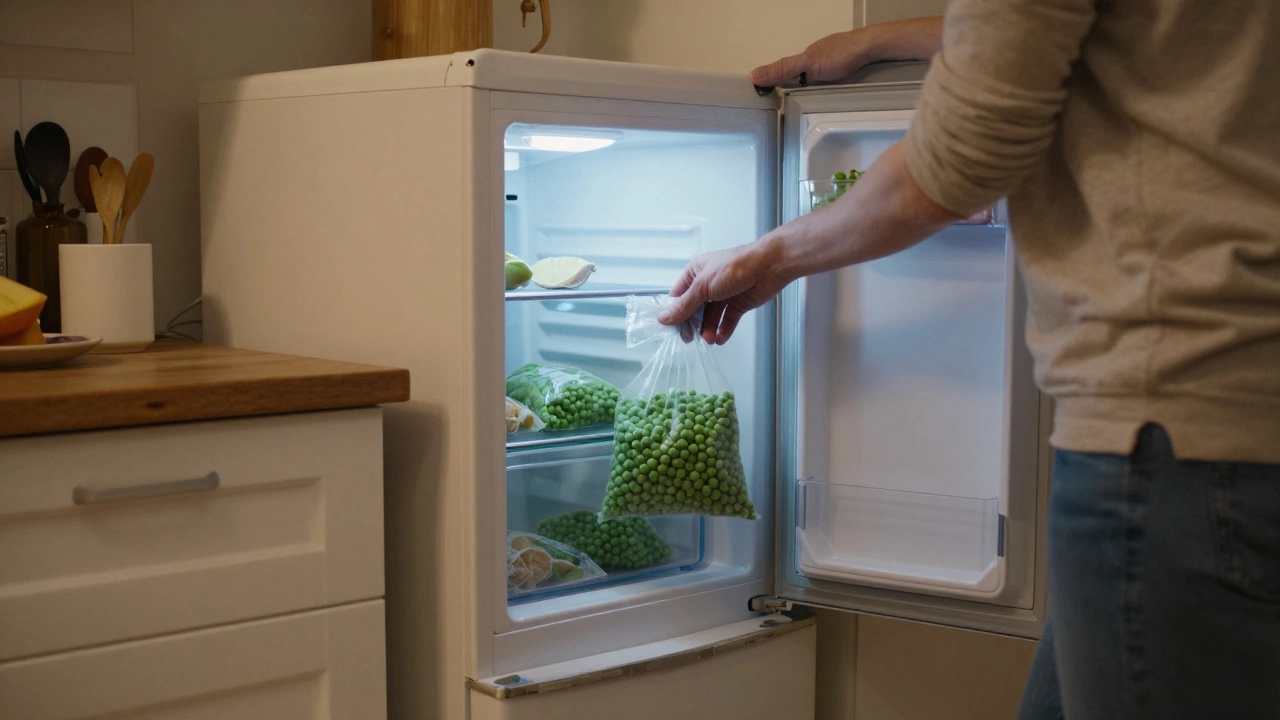
You walk into your kitchen, open the freezer, and pull out a bag of frozen peas. They’re solid. You close the door, and the hum continues. It works. So why does your electric bill feel like it’s climbing every month? If you’re running a refrigerator that is a household appliance used to keep food cold that was bought around 2011, you might be paying for more than just cooling power. You might be paying for inefficiency.
The short answer is no. A 15-year-old refrigerator is almost certainly not energy efficient by today’s standards. In fact, it could be using up to twice as much electricity as a modern model to do the exact same job. But before you rush to buy a new one, let’s look at the numbers, the technology changes, and whether the savings actually justify the cost in 2026.
The Efficiency Gap: Then vs. Now
To understand why your old fridge is costing you money, we need to look at how regulations have changed. When you bought that fridge in 2011, the ENERGY STAR program had specific efficiency thresholds. Those thresholds were good for their time, but they were nowhere near what we see today.
In the United States and Canada, efficiency standards for refrigerators have tightened significantly over the last decade. The Department of Energy (DOE) updated federal standards in recent years, requiring manufacturers to improve efficiency by roughly 30% to 40% compared to models from the early 2010s. Here is the reality:
- Average 2011 Model: Consumed approximately 700-900 kWh per year.
- Modern 2026 Model: Top-tier ENERGY STAR models consume between 300-450 kWh per year for similar capacities.
That means your old unit is likely burning through an extra 400-500 kilowatt-hours annually. At an average Canadian electricity rate of roughly $0.15 per kWh (varying by province), that translates to an extra $60-$75 per year just on the fridge. In higher-cost regions like California or parts of Western Canada, that number jumps closer to $100-$120 annually.
It’s not just about the label. It’s about the physics. Older compressors work harder. They cycle on and off more frequently. They lose insulation integrity over time. Your fridge isn’t broken; it’s just outdated technology trying to meet modern expectations with older tools.
Why Age Matters More Than You Think
Even if your fridge looks fine, age introduces hidden inefficiencies. Let’s break down the three main culprits inside a 15-year-old unit.
1. Compressor Degradation
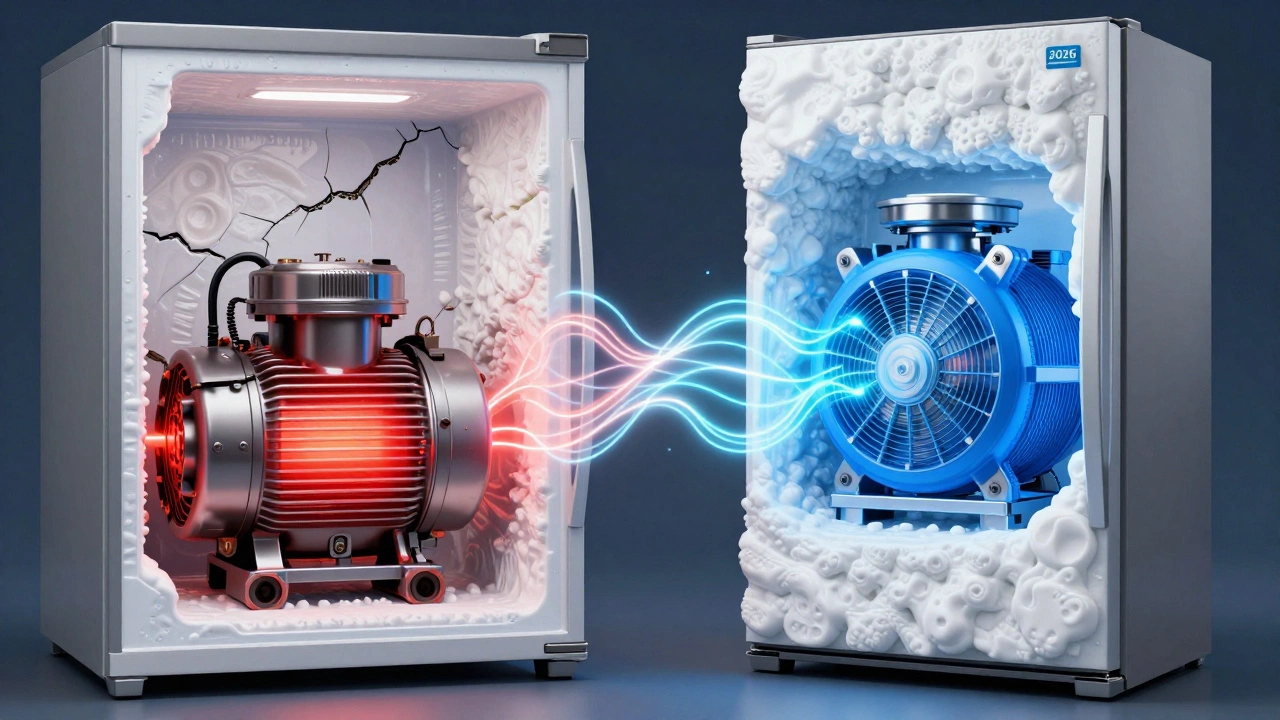
The compressor is the heart of the fridge. In 2011, most fridges used reciprocating compressors. While reliable, they are less efficient than the variable-speed inverter compressors found in many modern units. An inverter compressor adjusts its speed based on demand, rather than slamming on and off. After 15 years, even a good compressor loses lubrication and mechanical precision, causing it to draw more amps to achieve the same cooling effect.
2. Insulation Breakdown
Your fridge walls are filled with polyurethane foam insulation. Over 15 years, this foam can settle, crack, or absorb moisture. This reduces its R-value (thermal resistance). When insulation fails, cold air escapes, and warm air enters. The thermostat senses the temperature rise and tells the compressor to run longer. You end up with a fridge that runs constantly, spiking your energy use without ever reaching optimal temperatures.
3. Door Seals (Gaskets)
This is the easiest fix but often overlooked. Rubber gaskets dry out, crack, and warp after a decade of opening and closing. A simple test: close the door on a dollar bill. If you can pull it out easily without resistance, your seal is leaking. A leaking seal forces the fridge to work overtime. Replacing gaskets costs $20-$50, but if the rest of the unit is inefficient, it’s a band-aid on a bullet wound.
The Hidden Cost: Repair vs. Replace
Let’s talk money. Many people hesitate to replace a working fridge because “it still cools.” But consider the total cost of ownership.
| Factor | 15-Year-Old Fridge | New ENERGY STAR Fridge |
|---|---|---|
| Annual Electricity Cost | $80 - $120 | $40 - $60 |
| Repair Risk (Next 2 Years) | High ($200-$500+) | Low (Warranty covered) |
| Cooling Performance | Inconsistent zones | Precise multi-airflow |
| Noise Level | Loud (Compressor wear) | Quiet (Advanced dampening) |
| Environmental Impact | Higher CO2 emissions | Lower carbon footprint |
If your fridge breaks down next year, the repair cost for a compressor or control board can exceed $400. Is it worth spending $400 to save $50 a year in electricity? Probably not. Most appliance technicians recommend replacing any fridge older than 10-12 years if major repairs are needed. At 15 years, you’re already past that threshold.
How to Test Your Current Fridge’s Efficiency
Before you commit to a purchase, verify your current usage. You don’t need to be an engineer to get a rough estimate.
- Check the Nameplate: Look for the yellow or white sticker inside the fridge or on the back. It lists the annual estimated kWh. If it says “750 kWh/year” or higher, it’s inefficient.
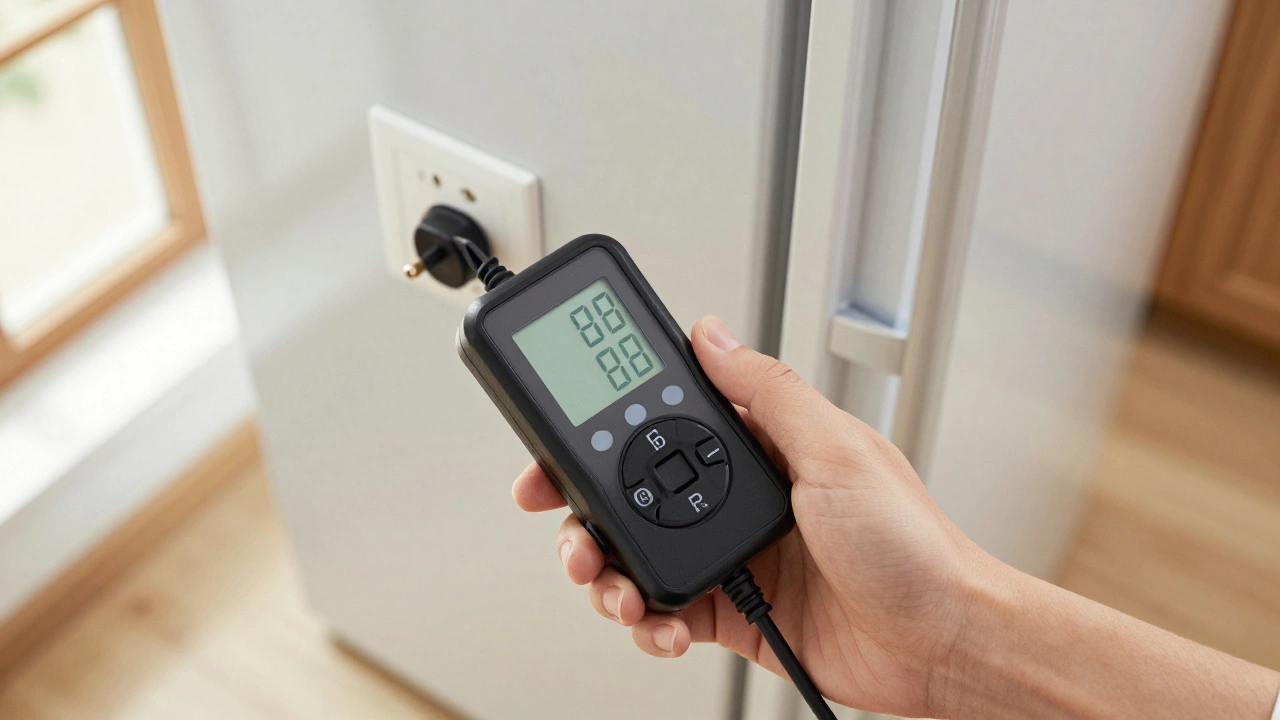
- Use a Plug-In Meter: Buy a Kill-A-Watt meter (around $25). Plug your fridge into it, then plug the meter into the wall. Leave it for 24 hours. Multiply the daily kWh by 365 to get your annual usage. Compare this to the manufacturer’s estimate. If actual usage is 20% higher, your components are failing.
- Listen to the Cycle: Stand next to the fridge for 10 minutes. Does it run continuously? Or does it cycle on for 10 minutes and off for 20? Continuous running indicates poor insulation or a failing compressor.
What to Look for in a Replacement
If you decide to upgrade, focus on these features in 2026:
- ENERGY STAR Certified: This is non-negotiable. Ensure the model meets the latest 2025/2026 guidelines.
- Inverter Compressor: These are quieter, more durable, and significantly more efficient than standard compressors.
- French Door Style: Counterintuitively, French door fridges are often more efficient than top-freezer or side-by-side models because you open smaller compartments less frequently, reducing cold air loss.
- Smart Sensors: Modern fridges use humidity and temperature sensors to adjust airflow dynamically, preventing waste.
Don’t fall for the “smart display” trap unless you really want it. Touchscreens add complexity and potential failure points. Focus on cooling efficiency first, connectivity second.
Environmental Impact Beyond the Bill
Replacing your fridge isn’t just about saving cash. It’s about reducing your carbon footprint. Electricity generation still relies heavily on fossil fuels in many regions. By cutting your fridge’s energy use in half, you’re indirectly reducing CO2 emissions. Additionally, newer refrigerants (like R-600a isobutane) are far less harmful to the ozone layer and global warming potential than the R-134a used in most 2011 models.
When you dispose of your old fridge, ensure it’s recycled properly. Many retailers offer haul-away services. Never leave it outside; the remaining refrigerant must be recovered by certified professionals to prevent environmental damage.
How much electricity does a 15-year-old fridge use?
A typical 15-year-old refrigerator uses between 700 and 900 kWh per year. This is nearly double the consumption of a modern ENERGY STAR-rated model, which typically uses 300-450 kWh annually.
Is it worth repairing a 15-year-old refrigerator?
Generally, no. If the repair cost exceeds $300, it is usually better to replace the unit. Older fridges are inefficient, lack modern warranties, and pose a higher risk of future breakdowns. The energy savings from a new model will offset the purchase price over time.
Can I make my old fridge more energy efficient?
You can improve efficiency slightly by cleaning the condenser coils, replacing worn door gaskets, and ensuring the fridge is level. However, these fixes cannot overcome the fundamental inefficiency of an aging compressor and outdated insulation. They are temporary measures, not permanent solutions.
What is the average lifespan of a refrigerator?
The average lifespan of a refrigerator is 10 to 15 years. After 15 years, performance declines, repair frequency increases, and energy efficiency drops significantly. Most manufacturers design units with a 10-year operational expectation in mind.
Do ENERGY STAR fridges save enough money to justify the cost?
Yes. While ENERGY STAR models may cost $200-$500 more upfront, they save $50-$100 annually in electricity bills. Over a 10-year period, these savings can amount to $500-$1,000, effectively paying for the premium price difference while providing better reliability and features.