
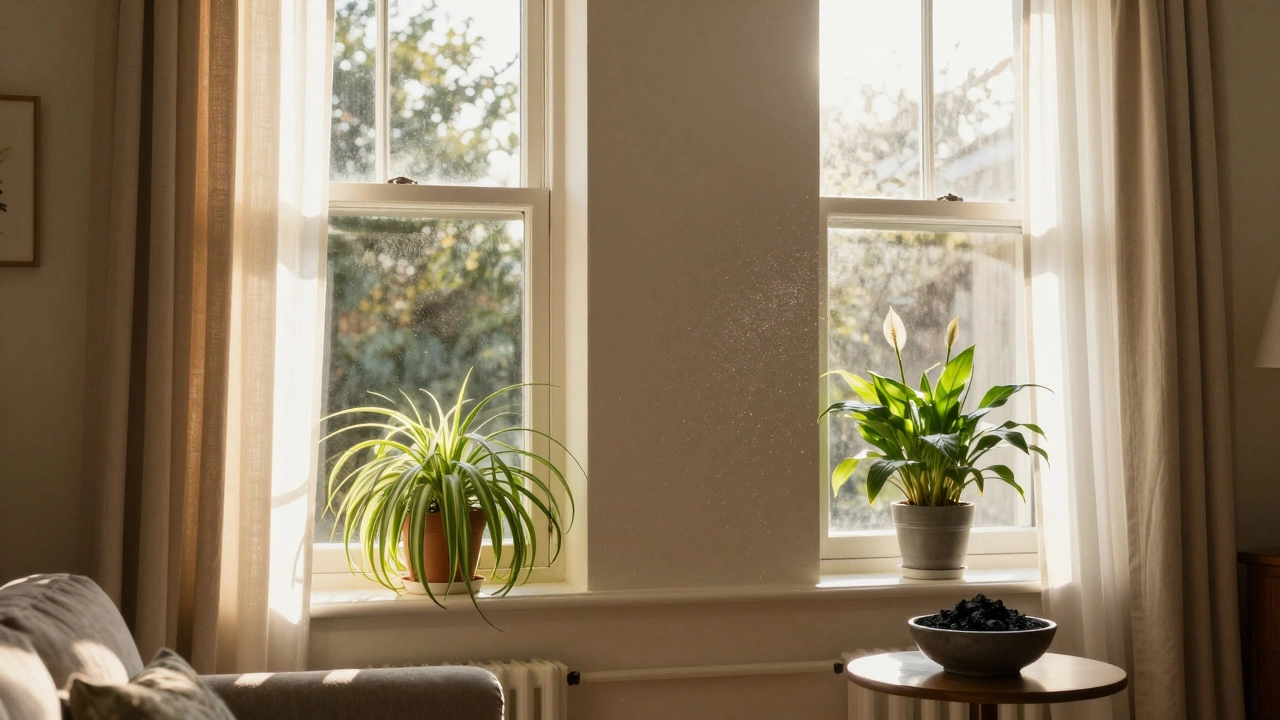
Natural Air Purification Calculator
Calculate Your Plant Needs
Based on EPA recommendations and NASA research, find out how many plants you need for cleaner air.
Your Air Purification Plan
According to NASA research and EPA guidelines, 10-12 healthy plants per 180 sq ft room can significantly improve indoor air quality.
Recommended plants:
Spider Plant
Removes formaldehyde
Peace Lily
Absorbs ammonia
Snake Plant
Releases oxygen at night
Pro Tip: Place plants in areas with indirect light and dust leaves weekly for maximum effectiveness.
Ever walk into a room and feel like the air is thick? Like it’s heavy with dust, stale breath, or that weird chemical smell from new furniture? You’re not imagining it. Indoor air can be two to five times more polluted than outdoor air, according to the U.S. Environmental Protection Agency. And if you’re stuck inside all day-working from home, caring for kids, or just trying to rest-you’re breathing it in. The good news? You don’t need to buy a $300 air purifier to make your air cleaner. There are simple, natural ways to purify air in a room that cost next to nothing and actually work.
Open windows and create cross-ventilation
The simplest and most effective way to clean indoor air? Let fresh air in. Sounds obvious, right? But most people keep windows shut year-round, thinking it’s better for energy bills or noise. That’s a myth. Even in Vancouver’s rainy winters, opening a window for 10 minutes twice a day makes a difference. Cross-ventilation-opening windows on opposite sides of the room or house-creates airflow that pushes out stale air and pulls in oxygen-rich air from outside.
Do this in the morning after you wake up, and again in the late afternoon when outdoor pollution levels drop. If you live near a busy road, avoid peak traffic hours. But don’t let location stop you. Even a cracked window in the bathroom after a shower helps remove moisture and mold spores. Air doesn’t need to be perfect to be better. Just moving it around cuts down on VOCs (volatile organic compounds), carbon dioxide, and allergens.
Use houseplants that actually clean the air
Yes, plants help. But not all of them. A lot of articles list the same 5 plants like snake plants and peace lilies as if they’re magic air filters. The truth? They help-slightly. A 1989 NASA study showed some plants remove trace amounts of benzene and formaldehyde in sealed chambers. Real life isn’t a lab. You won’t fix polluted air with one potted fern.
But if you have 10 or more healthy plants in a medium-sized room? The effect adds up. The best performers for real-world air cleaning are:
- Spider plant - Removes formaldehyde and xylene. Grows fast, survives neglect.
- Peace lily - Absorbs ammonia, benzene, and trichloroethylene. Also adds humidity.
- Snake plant - Releases oxygen at night. Great for bedrooms. Filters formaldehyde and nitrogen oxides.
- Areca palm - One of the top humidifiers. Removes airborne toxins and improves moisture levels.
- Boston fern - Naturally pulls out formaldehyde and xylene. Needs more light and water, but very effective.
Place them near windows where they get indirect light. Keep the soil moist but not soggy. Dust the leaves weekly with a damp cloth-dusty leaves can’t absorb pollutants. And don’t overdo it. Ten plants in a 200-square-foot room is enough. More than that, and you risk adding too much moisture, which can encourage mold.
Control humidity to stop mold and dust mites
Mold and dust mites don’t just make you sneeze-they’re major indoor air pollutants. Mold spores float in the air. Dust mites live in bedding, carpets, and curtains, and their waste particles become airborne. Both thrive in humidity above 50%.
Keep your home’s humidity between 30% and 50%. In Vancouver’s damp climate, that’s harder than it sounds. Use a $20 hygrometer (available at hardware stores) to check levels. If it’s too high:
- Run exhaust fans in bathrooms and kitchens during and after showers or cooking.
- Wipe down windowsills and bathroom tiles daily to prevent condensation buildup.
- Use a dehumidifier in basements or rooms that feel musty. Even a small one helps.
- Wash bedding in hot water (at least 130°F) weekly to kill dust mites.
- Avoid drying clothes indoors unless you have a vented dryer.
Low humidity? Use a bowl of water near a heat source or a simple humidifier with distilled water. Dry air irritates your nose and throat, making you more vulnerable to airborne germs.

Switch to natural cleaning products
Most commercial cleaners are full of chemicals that off-gas into the air. Bleach, ammonia, air fresheners, and even some disinfectant sprays release VOCs that linger for hours. You’re not cleaning the air-you’re adding to the problem.
Make your own cleaners with vinegar, baking soda, and essential oils. White vinegar kills mold and bacteria. Baking soda absorbs odors. Add a few drops of tea tree oil (a natural antifungal) or lemon oil for scent. Mix one part vinegar to one part water in a spray bottle. Use it on countertops, sinks, and glass. No rinsing needed.
Replace air fresheners with simmer pots. Boil water with orange peels, cinnamon sticks, and cloves. It smells like a cozy cabin and doesn’t release synthetic chemicals. Avoid scented candles-they emit soot and benzene. Beeswax candles are a better option if you want flame light, but even those release some particles. Open windows while burning them.
Replace synthetic materials with natural ones
Carpet, synthetic curtains, plastic furniture, and foam cushions all release chemicals over time. Formaldehyde, phthalates, and flame retardants build up in your air. If you’re renovating or replacing items, choose natural materials:
- Hardwood or bamboo flooring instead of vinyl or carpet.
- Cotton, linen, or wool curtains and bedding.
- Wood or metal furniture over particleboard or MDF (which uses glue with formaldehyde).
- Organic cotton or wool rugs instead of synthetic ones.
Older furniture (pre-2000s) often has less chemical treatment than new stuff. If you’re buying secondhand, it might be cleaner than brand-new items. Let new furniture air out in a garage or balcony for a week before bringing it inside. Open windows and use a fan to blow fumes out.
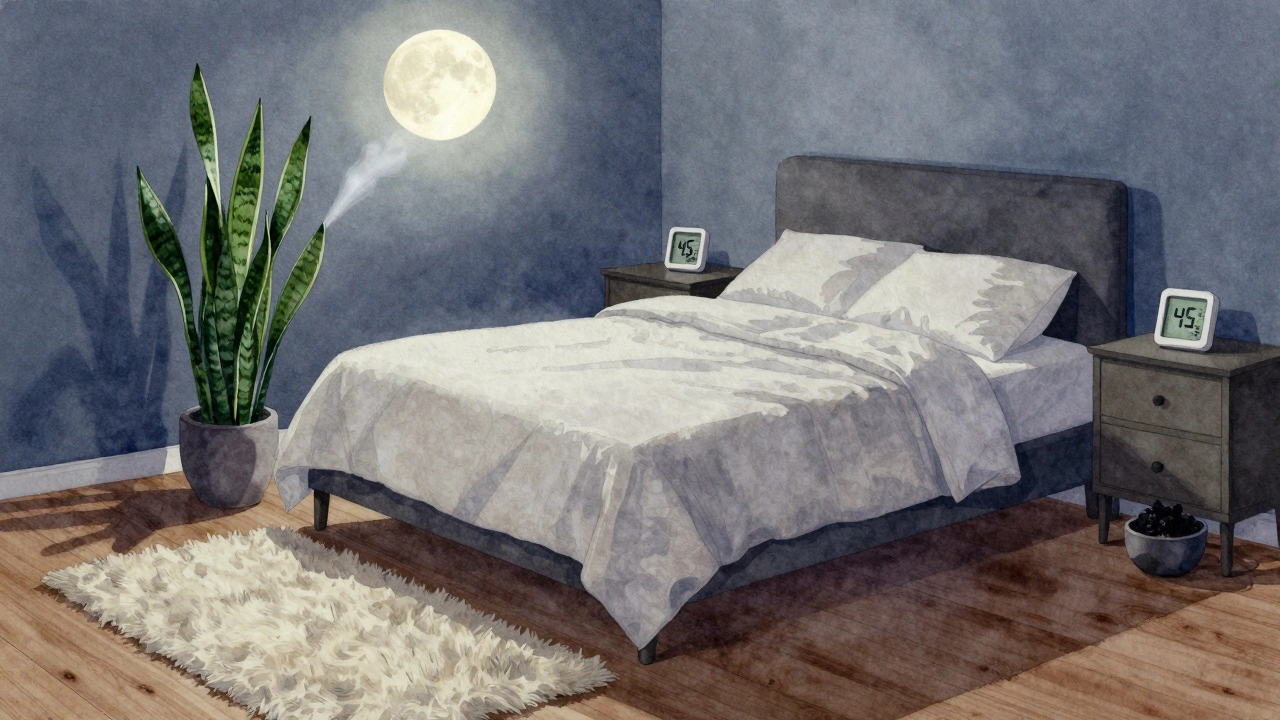
Use activated charcoal and salt lamps
Activated charcoal (not regular charcoal) is a powerful natural adsorbent. It traps pollutants like VOCs, odors, and moisture. Place small bowls of activated charcoal in corners of rooms, under sinks, or near pet areas. Replace every 2-3 months. It’s cheap, non-toxic, and works silently.
Himalayan salt lamps get a lot of hype. The truth? They don’t purify air in any measurable way. The idea that they release negative ions to clean the air isn’t backed by science. But they do give off soft light, which can reduce stress and help you sleep. If you like the glow, keep one. Just don’t rely on it to clean your air.
Regular cleaning habits make a bigger difference than you think
Dust doesn’t just sit on shelves. It’s full of skin cells, pollen, pet dander, and microplastics. Vacuuming once a week with a HEPA filter vacuum removes it from carpets and rugs. But even better: mop hard floors with a damp microfiber cloth. Dry dusting just pushes particles into the air.
Change your HVAC or fan filters every 30-60 days. Even if you don’t have an air purifier, your furnace or air conditioner pulls in air. A dirty filter recirculates dust instead of trapping it. Wash reusable filters in warm water. For disposable ones, replace them before they clog.
Wipe down surfaces daily with a damp cloth. Focus on high-touch areas: doorknobs, light switches, remote controls. These collect more airborne particles than you realize. Keep entryways clean. Put a mat outside and another inside to catch dirt before it gets tracked in.
Don’t rely on one method-layer your approach
There’s no single magic trick. Natural air purification works best as a system. Open windows in the morning. Keep a few plants near the living room window. Run a fan in the bathroom after showers. Use vinegar cleaner on the kitchen counter. Swap out synthetic rugs for wool. Vacuum with a HEPA filter. Do all of it, and your air quality improves steadily.
It’s not about perfection. It’s about progress. You don’t need to do everything at once. Start with one change: open a window for 10 minutes every day. Then add a spider plant. Then switch to vinegar cleaner. Over time, you’ll notice the air feels lighter. Breathing feels easier. You sleep better. And you didn’t spend a dime on a gadget.
Do houseplants really purify air, or is it just a myth?
Houseplants do help, but not like an air purifier. NASA’s study showed they remove tiny amounts of chemicals in sealed rooms. In real homes, you need 10 or more healthy plants in a medium-sized room to make a noticeable difference. They’re best as part of a broader strategy-not a standalone solution.
Can I use a fan to improve air quality?
Yes. A simple box fan or ceiling fan moves air around, preventing stagnation. Place a fan near an open window to pull fresh air in. Or point it at a wall to circulate air without creating drafts. Fans don’t filter air, but they prevent pollutants from settling and help distribute cleaner air evenly.
Is it better to use an air purifier or natural methods?
Natural methods are great for everyday maintenance and reducing pollutants like VOCs and odors. But if you have severe allergies, asthma, or live near heavy traffic or wildfire smoke, a HEPA air purifier is more effective. Use natural methods as a supplement-not a replacement-for serious air quality issues.
How long does it take to notice cleaner air?
You might feel a difference in a few days-especially if you start opening windows or switching cleaners. For plants and humidity control, it takes 2-4 weeks to see steady improvement. Consistency matters more than speed. Small daily habits add up over time.
Are essential oils safe for air purification?
Diffusing essential oils can add fragrance, but they release volatile compounds into the air. Some, like tea tree or eucalyptus, have mild antimicrobial effects. But others, like citrus oils, can react with ozone to form formaldehyde. Use them sparingly. Better yet, simmer them in water on the stove-no diffuser needed.