
Vacuum Suction Power Converter & Comparator
Enter a suction value below to see how it compares across different measurement systems and where it stands on the scale from "Weak" to "Theoretical Perfect Vacuum".
This bar represents the range from zero suction to the theoretical maximum at sea level (~408 inH2O).
- < 30 inH2O: Light duty. Good for crumbs and hard floors. May struggle with thick carpet.
- 30–70 inH2O: Standard household. Adequate for most carpets if airflow (CFM) is good.
- 70–100 inH2O: High performance. Excellent for pet hair, deep pile carpets, and fine dust.
- > 100 inH2O: Industrial/Commercial grade. Rare for residential use due to noise and power draw.
You’re standing in the aisle of a hardware store or scrolling through an online listing for a shop-vac. The spec sheet says "100 inches of water lift." Sounds impressive, right? But what does it actually mean? More importantly, if you could get a perfect vacuum, how many inches would that be? This is one of those questions that trips up even seasoned DIYers because it mixes two different worlds: industrial physics and household cleaning.
The short answer might shock you. A perfect vacuum isn't just "high" on the scale-it’s off the charts compared to anything your home vacuum can produce. To understand why, we need to break down what "inches of vacuum" actually measures, why manufacturers use this specific unit, and how to translate these confusing numbers into real-world cleaning performance. Whether you are buying a wet/dry vac for your garage or trying to understand why your upright model struggles with pet hair, this guide will clear up the confusion once and for all.
The Physics Behind "Inches of Water"
First, let’s demystify the unit itself. When you see "inches of vacuum" (often written as "inH2O"), it doesn’t refer to the length of the hose or the size of the bag. It refers to pressure. Specifically, it measures the difference between atmospheric pressure outside and the low pressure inside the vacuum motor.
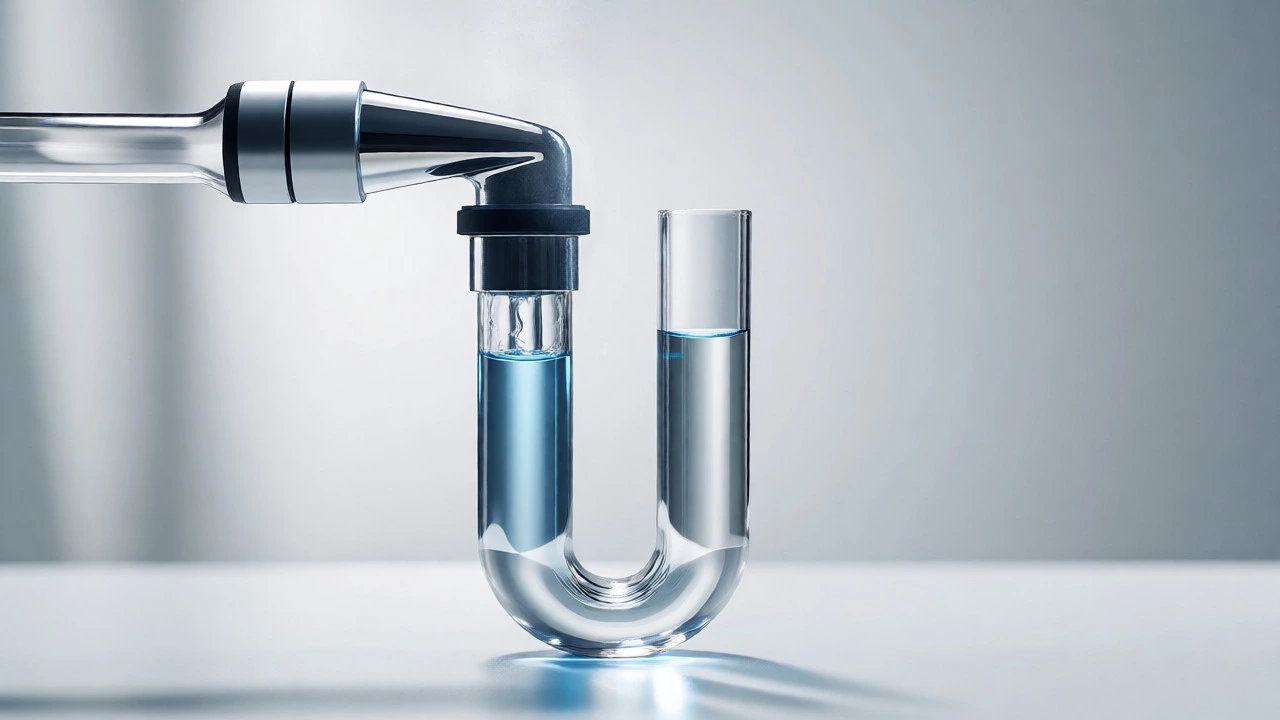
Imagine a U-shaped tube filled with water. One end is open to the air, and the other is connected to a pump pulling air out. As the pump sucks air out, the water level rises on the vacuum side. If the water rises 1 inch, you have 1 inch of vacuum. If it rises 50 inches, you have 50 inches of vacuum. This is called "water lift" or "static pressure."
Atmospheric pressure at sea level is roughly 14.7 pounds per square inch (PSI). In terms of water column height, standard atmospheric pressure supports a column of water about 34 feet high. That sounds like a lot until you convert it to inches. Since there are 12 inches in a foot, 34 feet equals approximately 408 inches. Therefore, theoretically, a perfect vacuum at sea level creates a suction force equivalent to lifting water 408 inches.
Perfect Vacuum is defined as a space entirely devoid of matter, representing zero absolute pressure. In practical engineering terms, achieving a true perfect vacuum is nearly impossible due to molecular limits, but for vacuum cleaners, we look at the maximum theoretical differential relative to atmospheric pressure.
Why Your Vacuum Doesn't Reach 408 Inches
If a perfect vacuum is ~408 inches of water lift, why do most consumer vacuums max out around 60-90 inches? Why not go higher?
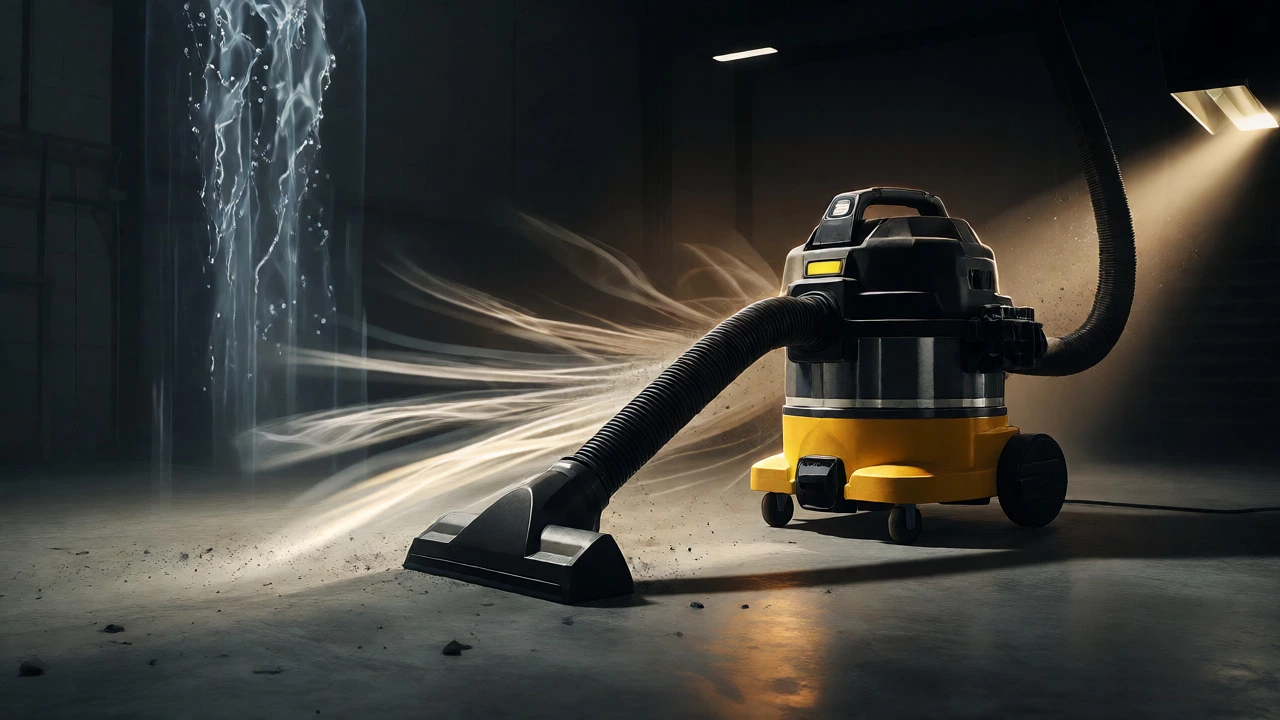
The answer lies in airflow versus pressure. These two factors fight against each other. To create high static pressure (high inches of vacuum), the motor needs to seal tightly and move less air. To move lots of air (high CFM - Cubic Feet per Minute), the system needs to be more open, which drops the pressure.
A perfect vacuum implies zero airflow because there is no medium to move. Real-world vacuums need to move dust, dirt, and air. If you tried to achieve 400 inches of vacuum in a standard residential vacuum, the seals would likely fail, the motor would overheat instantly, and you wouldn't pick up any debris because the airflow would drop to near zero. You’d essentially have a very strong magnet holding onto the floor, but nothing getting sucked into the bin.
Most high-end shop vacs hover around 80-100 inches. Commercial industrial vacuums might hit 120-150 inches. Anything above 200 inches usually requires specialized laboratory equipment or heavy-duty industrial pumps, not something you plug into a wall outlet.
Inches of Vacuum vs. Air Watts: What Matters More?
This is where shopping gets tricky. Some brands advertise "Suction Power" in Air Watts (AW) or Kilopascals (kPa), while others stick to Inches of Water. How do they compare?
Here is the rough conversion formula used by engineers:
- 1 Inch of Water ≈ 249 Pascals (Pa)
- 1 kPa = 1,000 Pa
- Therefore, 1 kPa ≈ 4 inches of water
So, if a Dyson advertises 20 kPa of suction, that translates to roughly 80 inches of water. If a Shop-Vac lists 100 inches, that’s about 25 kPa. They are measuring the same thing-pressure-but using different units.
However, pressure alone doesn’t clean floors. You also need volume. This is where CFM comes in. Think of it like a garden hose. Pressure is how hard the water hits your hand; CFM is how much water comes out. A fire hose has high pressure and high flow. A spray bottle has high pressure but low flow. For carpets, you generally want a balance: enough pressure to pull dirt from deep fibers, and enough airflow to carry it away before the filter clogs.
| Vacuum Type | Typical Inches of Water | Approx. kPa | Best Use Case |
|---|---|---|---|
| Handheld Stick Vac | 10-20 inH2O | 2.5-5 kPa | Quick spills, crumbs |
| Standard Upright | 40-60 inH2O | 10-15 kPa | Carpeted living rooms |
| High-End Cordless | 60-80 inH2O | 15-20 kPa | All-floor versatility |
| Wet/Dry Shop Vac | 80-110 inH2O | 20-27 kPa | Garage, construction debris |
| Theoretical Perfect Vacuum | ~408 inH2O | ~101.3 kPa | Laboratory conditions |
How to Test Your Own Vacuum’s Performance
Don’t trust the box alone. Marketing teams love big numbers. Here is how you can test if your vacuum is performing as advertised without buying expensive manometers.
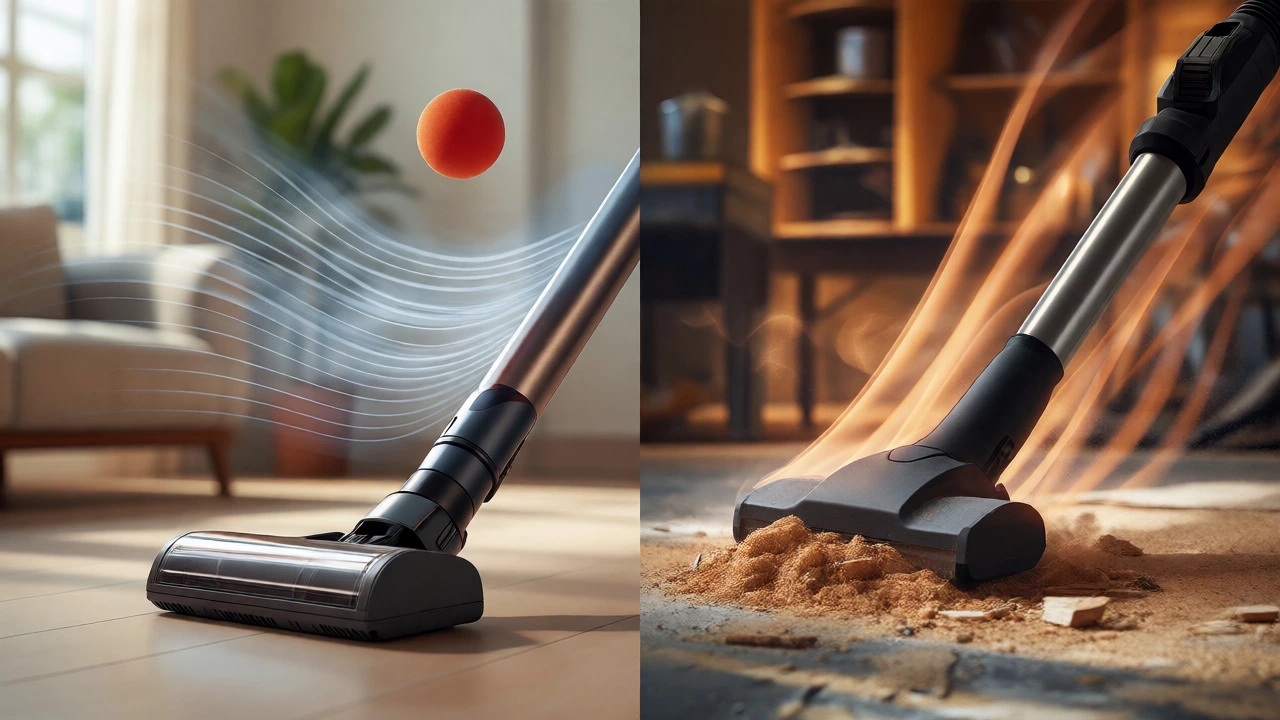
The Ball Test: Find a lightweight ping-pong ball. Turn your vacuum on its highest setting. Hold the nozzle close to the ball (without touching it). A good vacuum should hold the ball suspended in the airstream easily. If the ball falls or wobbles significantly, your airflow or seal might be compromised.
The Hose Seal Check: Many people lose suction because of leaks. Run your hand along the hose connections while the vacuum is running. Do you feel air escaping? Even a small leak at the handle connection can drop your effective inches of vacuum by 20% or more. Tighten clamps or replace cracked hoses.
Filter Maintenance: A clogged HEPA filter acts like a choke point. It restricts airflow, causing the motor to work harder to maintain pressure, but reducing the total cleaning efficiency. Clean filters restore both CFM and consistent pressure levels.
Common Misconceptions About Suction
There are a few myths floating around the internet that confuse buyers.
Myth 1: Higher inches always mean better cleaning.
Not necessarily. If you have a 100-inch vacuum with terrible brush roll design, it won’t agitate carpet fibers effectively. Suction lifts dirt; agitation dislodges it. You need both.
Myth 2: Bagged vacuums have more suction than bagless.
This depends on the brand and model, not the bag type. Modern cyclonic separation in bagless vacuums is highly efficient. However, as a bag fills, it can act as a secondary filter, potentially maintaining consistent airflow longer than a dirty cyclone bin if not emptied regularly.
Myth 3: "Powerful" motors equal powerful suction.
A 12-amp motor doesn’t automatically mean high suction. Efficiency matters. Designing the impeller, sealing the housing, and optimizing ductwork contribute more to final "inches of vacuum" than raw wattage consumption.
When Should You Care About Inches of Vacuum?
For most homeowners, obsessing over exact inches is unnecessary. If your vacuum picks up fine dust from hardwood and pulls embedded pet hair from shag carpet, it’s doing its job.
However, you should pay attention if:
- You are cleaning large areas of thick pile carpet.
- You deal with fine construction dust (drywall, cement).
- You are comparing two similar-priced models and want to know which has stronger raw pulling power.
In these cases, look for models exceeding 60 inches of water lift for residential use, or 90+ inches for serious workshop applications. Remember, though, that noise levels often increase with suction power. High-pressure systems tend to be louder.
Frequently Asked Questions
What is the maximum possible inches of vacuum?
Theoretically, at sea level, a perfect vacuum corresponds to approximately 408 inches of water column. This is derived from standard atmospheric pressure (14.7 PSI) converted into water height. In practice, no consumer device achieves this.
Is 100 inches of vacuum good for a shop vac?
Yes, 100 inches of water lift is considered excellent for a consumer-grade wet/dry vacuum. Most standard shop vacs range between 60 and 80 inches. Anything above 90 inches indicates a high-performance motor capable of handling heavy debris and long hoses.
Does altitude affect inches of vacuum?
Yes. Atmospheric pressure decreases at higher altitudes. Since vacuum suction relies on the difference between external atmospheric pressure and internal low pressure, a vacuum will have slightly less potential suction capacity at high elevations (like Denver or Vancouver's mountains) compared to sea level.
How do I convert inches of vacuum to PSI?
To convert inches of water to PSI, divide the inches by 27.7. For example, 100 inches of water divided by 27.7 equals approximately 3.6 PSI. This helps when comparing vacuum specs to other pneumatic tools or pressure gauges.
Why does my vacuum lose suction over time?
Suction loss is usually caused by clogged filters, full dust bins/bags, blocked hoses, or worn seals. As resistance increases in the airflow path, the motor cannot maintain the same pressure differential, resulting in lower effective inches of vacuum at the nozzle.