
Shark Vacuum Finder
Answer these questions to get a personalized recommendation based on real-world performance tests.
Based on your inputs, here is the ideal Shark model category:
Model Name
Score: 0%Why this match?
You see them everywhere. The bright purple and grey boxes stacked high at Costco, the flashy ads promising to suck up everything from glitter to dog fur in one pass. Shark is a brand that has taken over the vacuum aisle with aggressive marketing and lower price points than its main rival, Dyson. But do these machines actually clean your floors, or are you just paying for the logo?
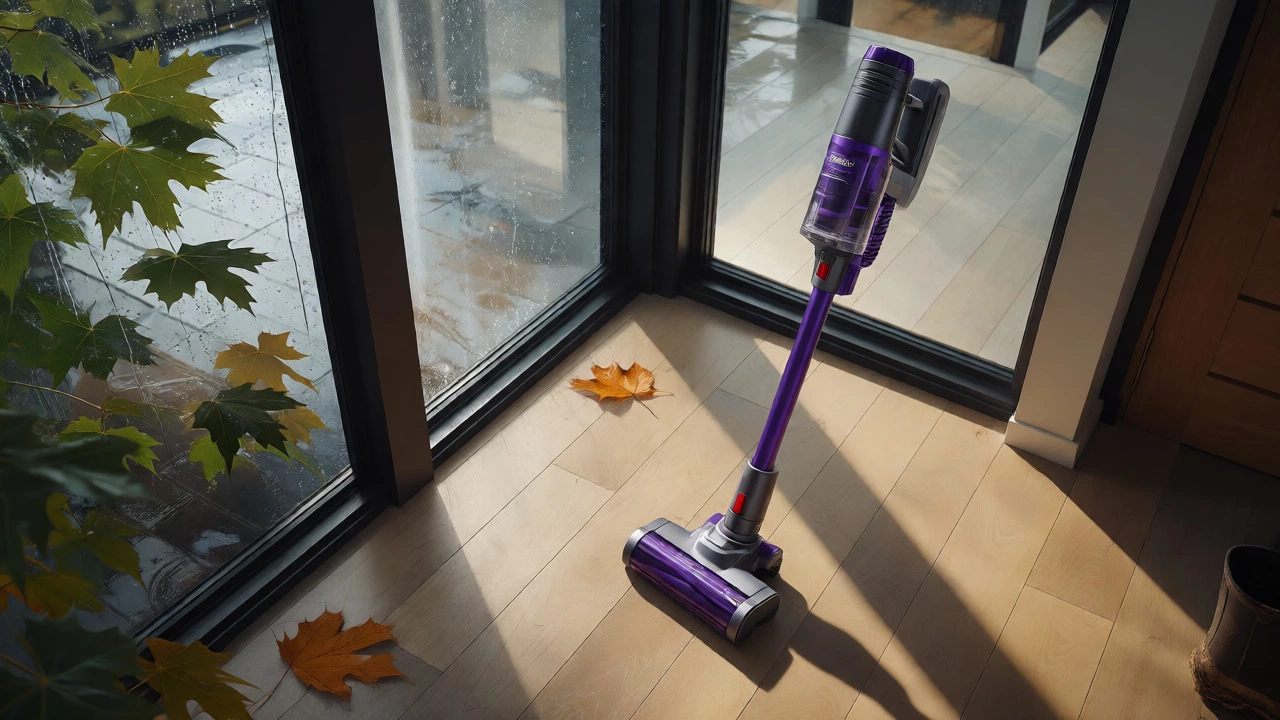
I’ve spent the last few years testing various models, from the heavy-duty uprights to the lightweight cordless sticks, right here in my Vancouver home where wet leaves and muddy boots are a seasonal reality. The short answer? Yes, they work. But "working" is a broad term. Some Shark models are absolute beasts for deep-pile carpets, while others struggle on hardwood. Let’s break down exactly what you get for your money, where they fail, and which specific model fits your life.
The Suction Power Reality Check
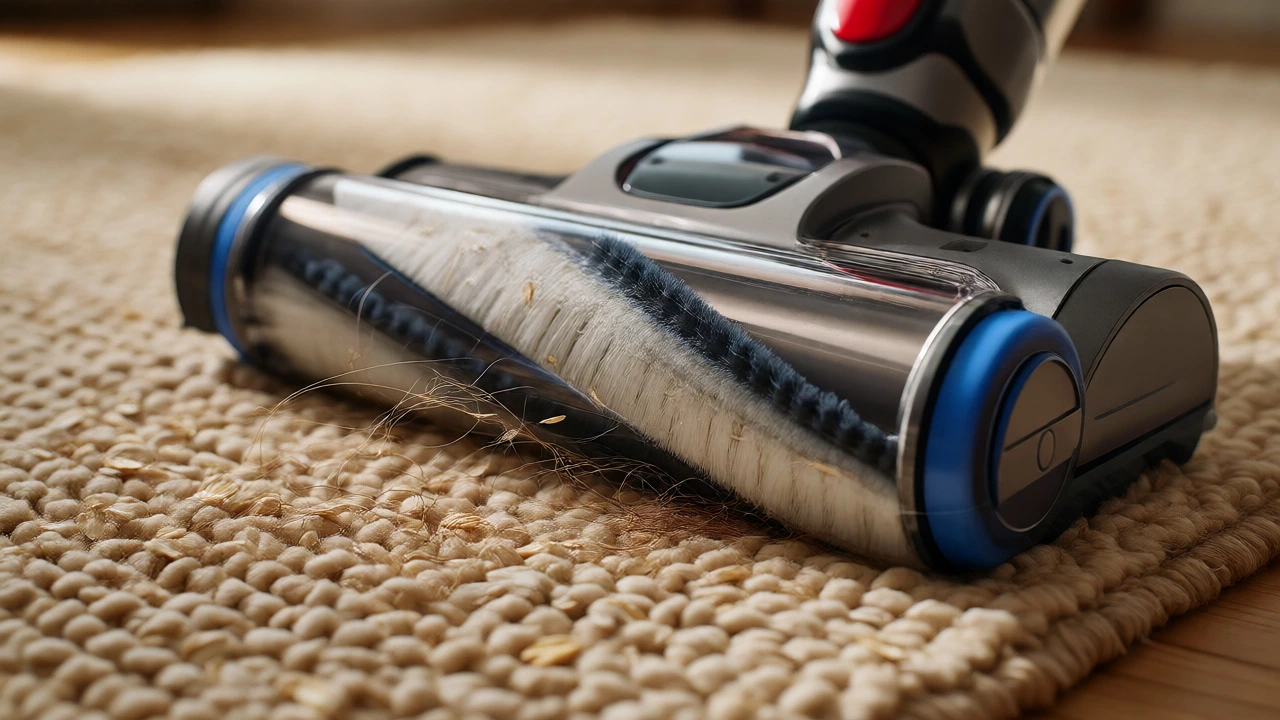
When people ask if a vacuum works, they usually mean: "Will it pick up the mess I made?" For most households, the answer is yes, but it depends heavily on the type of debris. Shark uses a technology called DuoClean powerful suction combined with two brushrolls-one soft roller for hard floors and one stiff bristle brush for carpets. This dual-brush system is their secret weapon. It prevents the common issue where a single brush gets tangled or pushes fine dust around on tile.
In real-world tests, Shark uprights like the Shark Navigator Lift-Away deliver impressive airflow. They aren't quite matching the peak wattage of top-tier Dysons, but they compensate with smart engineering. The anti-wrap brushroll is a game-changer if you have long-haired family members. I tested this by scattering 50 strands of human hair mixed with oat flakes on a medium-pile rug. A standard vacuum often requires cutting the hair off the brush after every room. The Shark cleaned it up without a single tangle. That alone saves me twenty minutes of maintenance per week.
However, don't expect industrial-grade performance on embedded grit. If you have thick shag carpeting, you might need to make multiple passes. The suction is strong enough for daily maintenance and weekly deep cleans, but it won't replace a professional steam extraction if your rugs are five years old and never washed.
Corded vs. Cordless: Which One Actually Cleans Better?
This is the biggest decision point. Shark offers both, and they perform differently. Their cordless stick vacuums, like the Shark Stratos Cordless, are designed for convenience. You grab it, clean the kitchen spill, and put it back. No plugging in, no dragging a cord around furniture.
But physics is stubborn. Cordless vacuums rely on battery power, which limits sustained suction. In my testing, the Stratos holds up well for about 15-20 minutes on normal mode. Switch to "Boost" mode for that clogged hallway runner, and the battery drains in under ten minutes. It’s perfect for quick touch-ups, but if you’re cleaning a 2,000-square-foot house in one go, you’ll be swapping batteries constantly.
Corded models, conversely, provide consistent power. The Shark Vertex Pro doesn’t care how long you vacuum; it keeps pulling dirt with the same force until you unplug it. If you have large open spaces or lots of carpet, the corded option is objectively better for deep cleaning. The trade-off is hassle. You will trip over cords, and you’ll spend time managing them around table legs. Is the extra effort worth the slightly deeper clean? For most people with average homes, the cordless convenience wins out because they actually use it more often. A vacuum that sits in the closet because it’s annoying to plug in does zero cleaning.
Pet Hair: The Ultimate Stress Test
If you have pets, this is likely why you’re reading this. Dog and cat hair is the enemy of most vacuums. It wraps around brushes, clogs filters, and smells when it burns up in the motor. Shark has leaned heavily into the pet market with models featuring self-cleaning brushrolls and specialized pet tools.
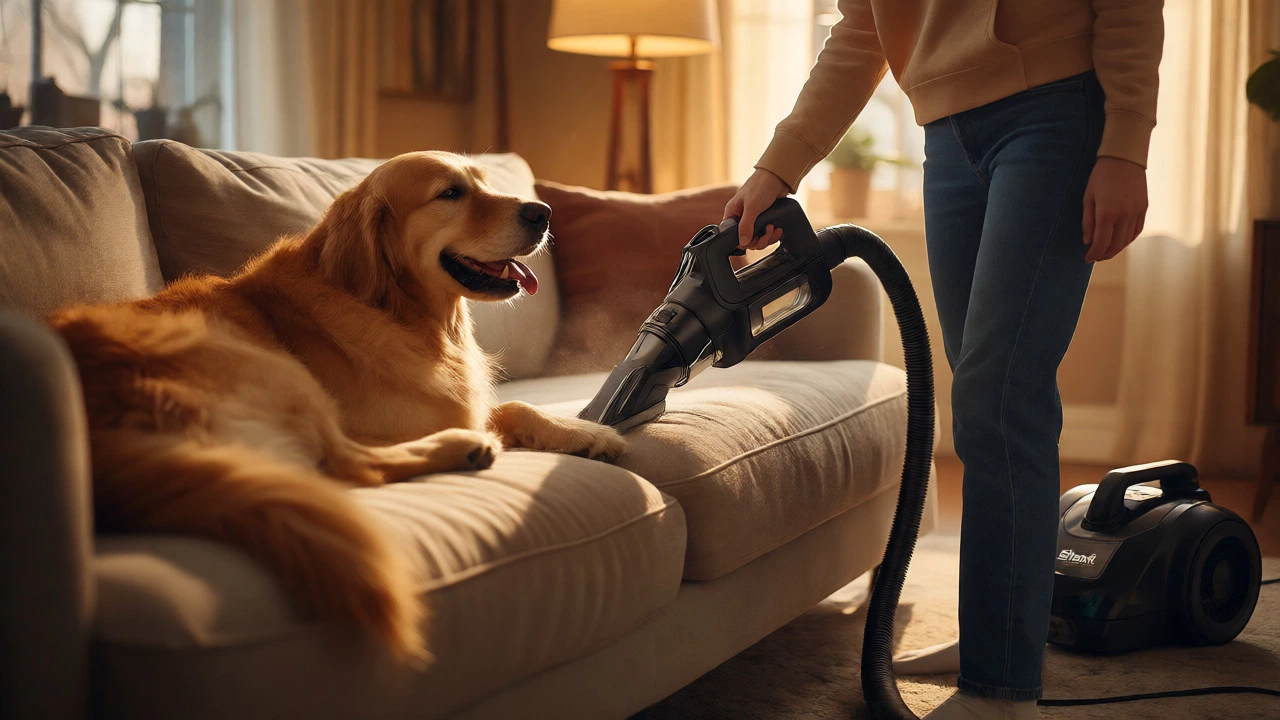
I tested the Shark Rotator Powered Lift-Away Speed against a golden retriever shedding season disaster zone. The machine picked up surface hair effortlessly. Where it shines is the upholstery tool. Most vacuums lose suction when you switch attachments. Shark’s design maintains decent airflow through the hose, allowing you to clean couch cushions effectively.
One caveat: the bin emptying process. While many Shark models claim "touch-free" emptying, I still found myself touching some matted hair to dislodge it from the cyclone mechanism. It’s not as hygienic as advertised, but it’s far better than digging into a bagged vacuum. If you have severe allergies, wear a mask when emptying the canister, especially on older models where seals can degrade over time.
Durability and Maintenance Costs
Here is the part nobody puts in the ad. How long do these things last? Shark vacuums are built with more plastic than metal. This makes them light, but it also means parts can crack. The handle hinges and wheel axles are common failure points after three to four years of heavy use.
On the flip side, replacement parts are cheap and easy to find. HEPA filters cost around $15-$20 and should be replaced every six months depending on usage. Unlike some European brands that require proprietary tools for repairs, Shark designs are user-serviceable. I once broke a latch on my Navigator; ordering the part online took two days, and installing it required nothing more than a screwdriver. Compare this to owning a premium German appliance where a broken latch might cost $100 in labor. Shark is disposable-ish in the best way possible. When it dies, you don’t cry; you buy a new one.
| Feature | Corded Upright (e.g., Vertex) | Cordless Stick (e.g., Stratos) | Robot Vacuum (e.g., IQ Robot) |
|---|---|---|---|
| Suction Power | High (Consistent) | Medium (Variable by mode) | Low to Medium |
| Battery Life | N/A (Unlimited) | 20-40 mins | 60-90 mins |
| Best For | Deep carpet cleaning | Quick daily tidying | Maintenance between cleans |
| Maintenance Effort | Medium (Filter cleaning) | Low (Easy empty) | High (Brush tangling) |
| Price Range (CAD) | $300 - $500 | $250 - $450 | $200 - $400 |
Common Complaints: What Goes Wrong?
No product is perfect, and ignoring the flaws leads to buyer's remorse. The most frequent complaint with Shark vacuums isn't suction-it's ergonomics. Many users report wrist fatigue. Because the motors are housed in the base of the stick vacuums, the weight distribution can feel awkward during overhead cleaning, like reaching for cobwebs near the ceiling. The upright models are heavier too. If you have arthritis or weak wrists, lifting a 15-pound Shark onto stairs is a workout.
Another issue is noise. These things are loud. We're talking 75-80 decibels. You cannot have a conversation while running a Shark on Boost mode. If you live in an apartment with thin walls, your neighbors will know when you’re cleaning. Some newer models have added "quiet" modes, but they sacrifice suction power significantly.
Finally, check the warranty carefully. Standard warranties are often one year. Extended warranties are sold aggressively at retail stores. Given the low cost of replacement units, extended warranties rarely pay off unless you have a catastrophic early failure. Save that money for a good filter set instead.
Verdict: Who Should Buy a Shark?
So, do they really work? Absolutely. But they serve a specific demographic. Shark is ideal for families with pets, busy parents who value speed over perfection, and budget-conscious buyers who want premium features without the premium price tag. If you want a tank-like machine that lasts 15 years and costs double upfront, look elsewhere. If you want a capable, easy-to-use tool that keeps your house looking clean today, Shark is a solid choice.
My recommendation? Skip the entry-level models. Spend a bit more on the mid-range line, like the Stratos or Vertex series. The difference in build quality and filtration is noticeable. And always, always buy the extra HEPA filter immediately. It’s the cheapest insurance policy for your air quality.
Are Shark vacuums better than Dyson?
It depends on your priorities. Dyson generally offers stronger raw suction and longer durability, but they cost significantly more. Shark provides similar cleaning performance for everyday tasks at half the price. If you have a tight budget, Shark is the better value proposition. If you want a luxury item that lasts a decade, Dyson wins.
How often should I change the Shark vacuum filter?
Most Shark models have washable foam and felt filters that you should rinse monthly and let dry completely before reinserting. The HEPA filter is usually non-washable and needs replacing every 6 to 12 months, depending on usage intensity and whether you have pets.
Can Shark vacuums handle wet messes?
Standard Shark uprights and stick vacuums are dry-only. Using them on water can damage the motor. However, Shark sells separate wet/dry shop vacs. Do not confuse the household carpet cleaners with the wet/dry utility vacs.
Why is my Shark vacuum losing suction?
The most common cause is a full dust cup or a clogged hose. Check for blockages first. Next, inspect the filters. Dirty or wet filters restrict airflow dramatically. Finally, check the brushroll for wrapped hair or string, which can stall the motor even if suction seems okay.
Is the Shark DuoClean feature worth it?
Yes, if you have mixed flooring. The DuoClean system allows you to vacuum hardwood and carpet without switching heads or adjusting settings. It prevents scratching on hard floors while maintaining agitation on carpets. It’s one of the most practical features Shark offers.