
Air Fryer Compatibility Calculator
Not sure if you should buy (or keep) an air fryer? Answer these questions to see if the hype matches your reality.
Calculating...
Please wait...
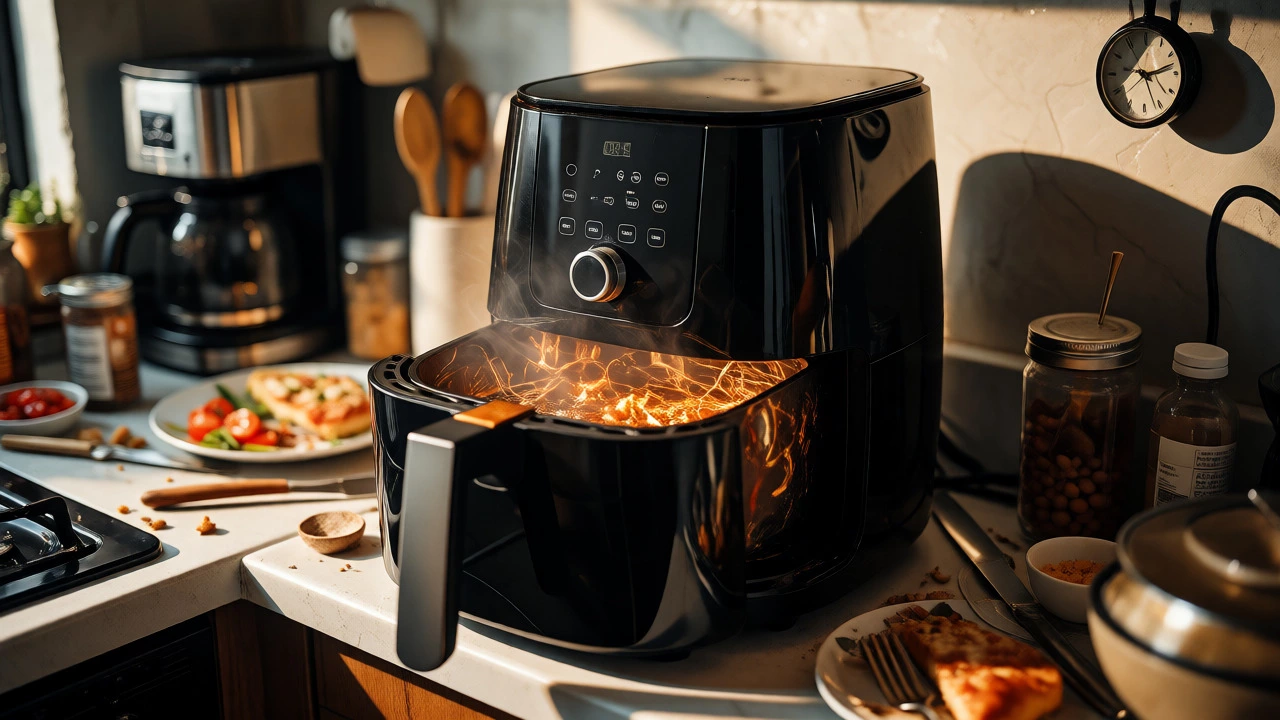
You bought an air fryer, set it on your counter, and felt like a kitchen genius for about three weeks. Then, the novelty wore off. Suddenly, that shiny appliance feels more like a cluttered box than a cooking revolution. You aren't alone in this feeling. While marketing teams promise crispy perfection with zero oil, the reality often involves loud fans, tiny baskets, and a mountain of greasy parts to wash. So, why are people against air fryers? Is it just buyer's remorse, or is there a legitimate case against this popular gadget?
The Noise Factor: It’s Not Quiet Cooking
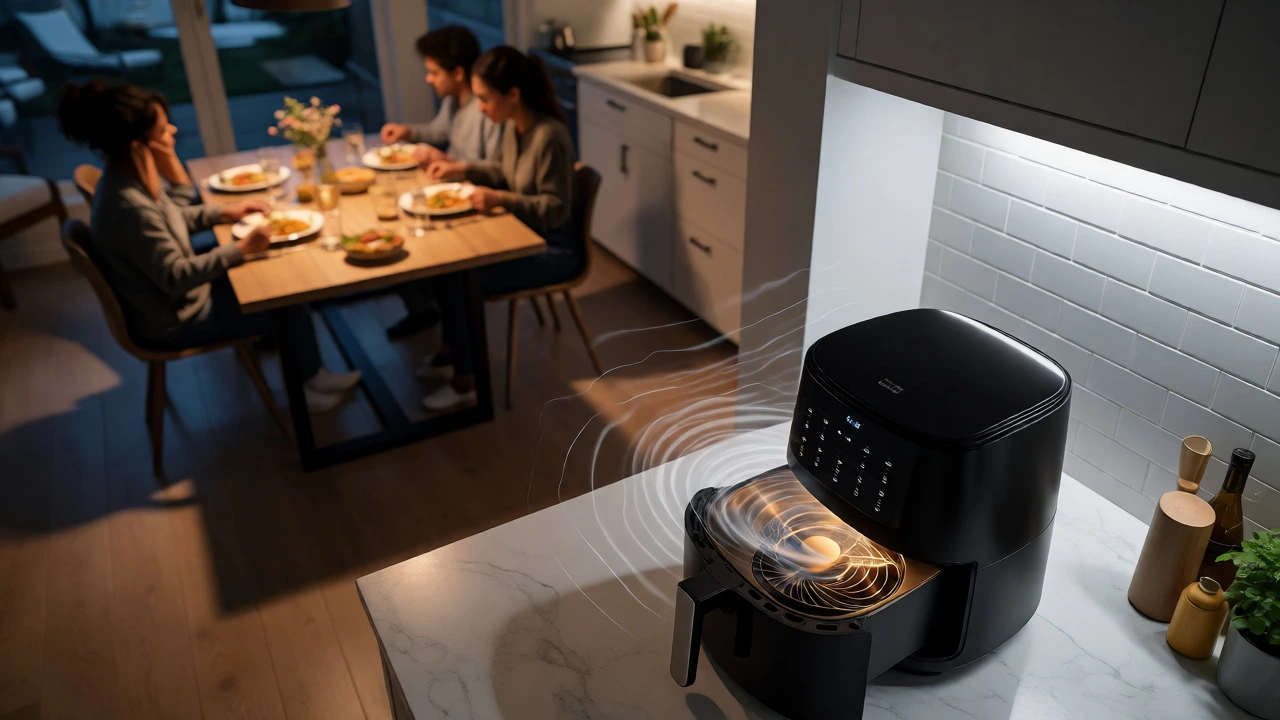
Let’s be honest: air fryers are loud. Unlike a standard oven that hums quietly in the background, an air fryer relies on a high-speed fan to circulate hot air rapidly around the food. This mechanical process creates a distinct whirring sound that can range from 50 to 70 decibels depending on the model. For context, that’s comparable to a normal conversation or a running dishwasher.
If you’re trying to watch TV, take a Zoom call, or eat dinner in peace while someone cooks, the noise becomes intrusive almost immediately. Many users report turning the unit off before the food is fully done simply because they can’t stand the drone anymore. If you live in a small apartment or an open-concept home, this acoustic footprint is a major dealbreaker. The convenience of speed doesn’t compensate for the auditory assault during every single meal preparation.
Capacity Issues: The "One-Person" Problem
Most entry-level air fryers boast a capacity of 3 to 5 quarts. Sounds decent until you try to cook for a family of four. To get that signature crispiness, you cannot stack food; everything needs space for the air to circulate. This means you end up cooking in multiple batches. What starts as a quick 15-minute dinner turns into a 45-minute ordeal of swapping trays, checking doneness, and keeping earlier batches warm.
| Appliance Type | Average Capacity | Batches Needed for Family of 4 | Total Active Time |
|---|---|---|---|
| Standard Convection Oven | Large (multiple racks) | 1 | 25-30 minutes |
| Air Fryer (5qt) | Small basket | 3-4 | 45-60 minutes |
| Deep Fryer | Medium basket | 2 | 20-25 minutes |
For singles or couples, this isn’t a huge issue. But for households larger than two, the math rarely works out. You’re essentially paying for a countertop toaster oven that takes longer to feed everyone than the big oven already installed in your wall.
The Cleaning Hassle: Grease Goes Everywhere
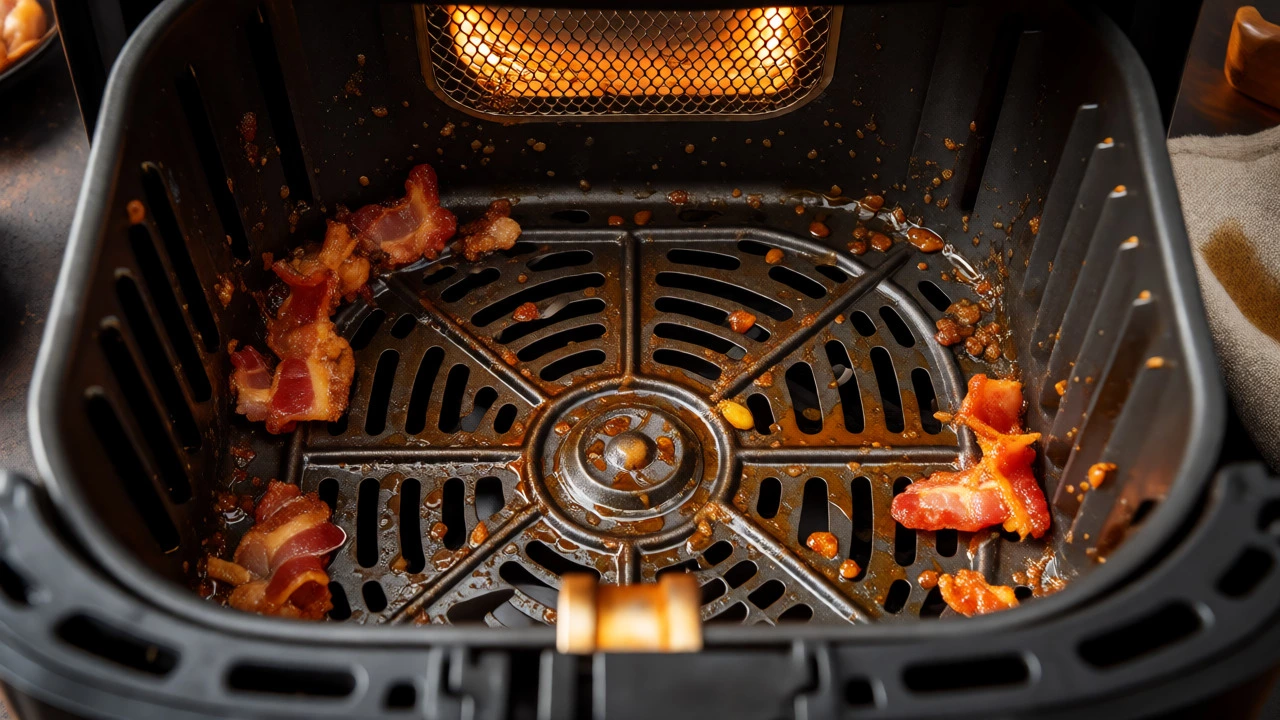
Marketing photos show pristine, non-stick baskets sliding effortlessly into the sink. Reality looks different. When you cook fatty foods like bacon, chicken wings, or salmon, the rapid air circulation doesn’t just dry the food; it splatters grease. That grease coats the heating element, the interior walls, and the fan blades. Over time, this buildup burns, creating smoke and unpleasant odors during subsequent uses.
Cleaning the basket is easy enough if it’s dishwasher safe. But scrubbing the heating coil? That requires unplugging the unit, flipping it over, and using a damp cloth to wipe down delicate components. If you miss a spot, burnt-on residue accumulates. Within six months, many owners find their air fryer looking grimy despite regular use. If you hate scrubbing, this maintenance burden will quickly push the appliance to the back of the pantry.
Texture Myths: It’s Not Always "Fried"
People expect an air fryer to replicate the texture of deep-fried food exactly. It doesn’t. Deep frying submerges food in hot oil, which conducts heat evenly and creates a uniform, crunchy crust via the Maillard reaction across the entire surface. An air fryer uses hot air, which is a less efficient heat conductor.
The result? Food can sometimes turn out dry rather than crispy. Vegetables like zucchini or mushrooms lose moisture too quickly, becoming leathery instead of tender-crisp. Frozen fries work well because they’re pre-treated, but fresh ingredients require careful timing and oil spraying to avoid drying out. If you’re expecting a perfect replica of restaurant-style fried chicken, you’ll likely be disappointed by the uneven browning and slightly chalky exterior.
Space and Counter Clutter
Kitchen real estate is expensive, especially in urban centers like Vancouver where apartments often have limited counter space. An air fryer is bulky. Even compact models occupy significant square footage that could otherwise hold a coffee maker, knife block, or prep area. Once the initial excitement fades, the appliance becomes a permanent obstacle.
Many users eventually move the air fryer into a cabinet, only to forget it exists. Retrieving it for occasional use feels like a chore compared to just using the stove or oven. If your kitchen layout is tight, the trade-off between functionality and spatial freedom often tips toward removing the device entirely.
Health Claims: A Nuanced Reality
The primary selling point of air fryers is health. They reduce fat content compared to deep frying. However, critics argue this benefit is overstated. Yes, you use less oil. But if you’re eating highly processed frozen snacks-like mozzarella sticks or tater tots-you’re still consuming refined carbs and additives. The appliance itself doesn’t make unhealthy food healthy.
Furthermore, some studies suggest that high-temperature cooking can produce acrylamide, a chemical formed when starchy foods are cooked at high temps. While levels in air-fried foods are generally lower than in deep-fried counterparts, they are higher than in boiled or steamed options. If your goal is maximum nutritional preservation, traditional methods like steaming remain superior.
Cost vs. Utility: Is It Worth It?
Air fryers range from $50 to $300. For casual cooks, a basic convection toaster oven performs nearly identical functions at half the price. The specialized basket design of air fryers offers marginal improvements in airflow speed, but not enough to justify the premium for most users. If you already own a modern electric oven with a convection setting, the air fryer is redundant.
Consider the lifespan. Cheap plastic components crack, non-stick coatings peel, and electronic displays fail after 2-3 years of daily use. Compared to a durable stainless steel skillet or a reliable oven, the air fryer has a shorter service life, raising questions about long-term value.
Do air fryers actually taste better than ovens?
Not necessarily. Air fryers excel at crisping small, frozen items due to concentrated heat. However, for roasting meats or vegetables, a conventional oven often provides more even cooking and better flavor development without drying out the food.
Is it hard to clean an air fryer?
Yes, if you cook fatty foods regularly. Grease splatters onto the heating element and interior walls, requiring careful wiping. Burnt residue can build up over time, leading to smoke and odors if not cleaned thoroughly.
Why do people return air fryers?
Common reasons include excessive noise, small cooking capacity requiring multiple batches, difficulty cleaning, and redundancy if the user already owns a convection oven.
Can you put aluminum foil in an air fryer?
Generally, yes, but with caution. Foil must be weighted down by food so it doesn’t fly up into the heating element. Ensure it doesn’t block all airflow vents, or cooking performance will suffer.
Are air fryers bad for health?
No, they are not inherently bad. They reduce oil intake compared to deep frying. However, they don’t magically make processed foods healthy, and high-heat cooking can still produce compounds like acrylamide in starchy foods.