
Appliance Durability & Cost Estimator
Select Your Appliance Category
Choose a category to see recommended brands, then select one to estimate its lifetime value.
Estimated Value Report
Data-BackedSelect an appliance brand above to view its durability profile and estimated 10-year cost.
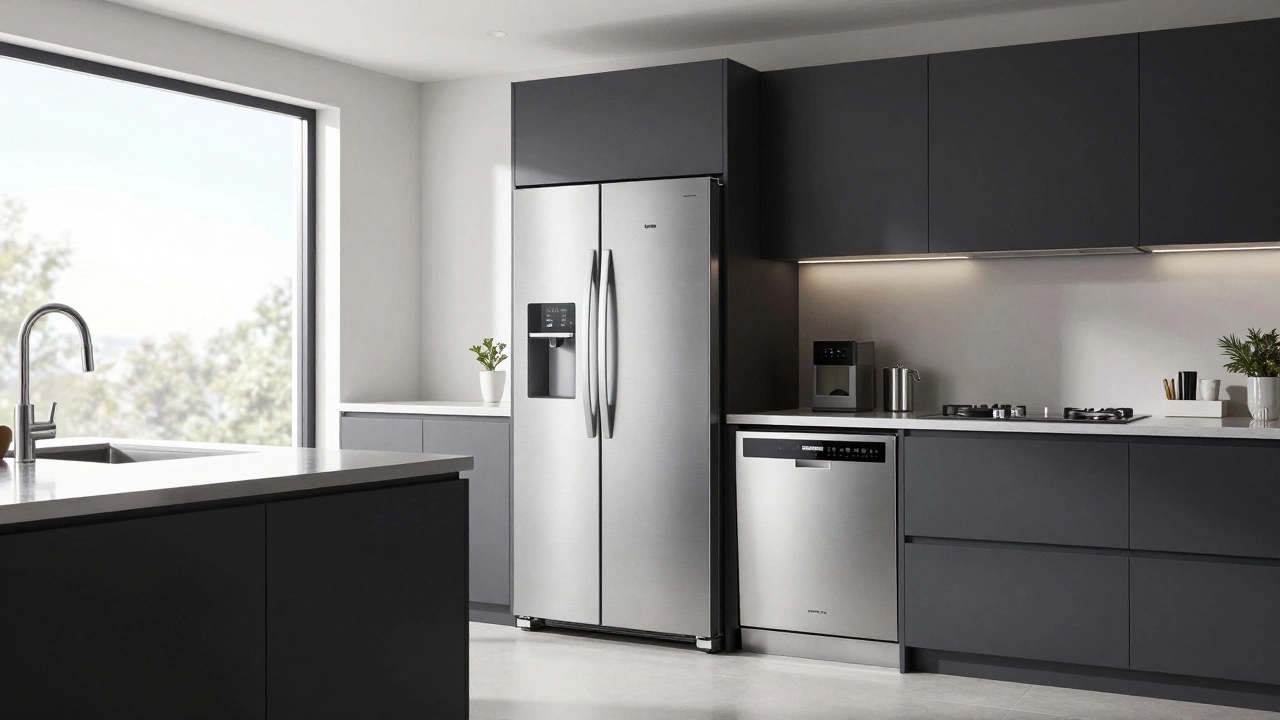
You just spent three days renovating your kitchen. The cabinets are perfect, the countertops are sleek, and you’ve finally decided on a kitchen appliance bundle that matches your aesthetic. But there’s one nagging question keeping you up at night: will these machines actually survive past the warranty period? Or will you be calling a technician in two years because the compressor died or the control board fried?
We’ve all been burned by cheap electronics before. But major appliances are different. They’re heavy investments, often costing thousands of dollars when bundled. When people ask which brand lasts the longest, they aren’t looking for marketing fluff. They want to know who builds machines that can handle daily abuse without falling apart. Based on industry repair data, consumer reports from J.D. Power, and long-term field studies, the answer isn’t as simple as picking one logo. It depends heavily on what you’re buying.
The Truth About Appliance Lifespans
Before we dive into specific brands, let’s look at the baseline. According to the Consumer Product Safety Commission and various home improvement associations, the average lifespan of a major appliance ranges from 10 to 20 years. However, "average" is a dangerous word here. A refrigerator might run for 15 years, while a dishwasher might only make it to eight. Why the difference? Complexity. More moving parts mean more failure points.
When evaluating durability, we need to separate reliability (how often it breaks) from longevity (how long it lasts before total replacement). Some brands break frequently but are easy to fix. Others rarely break, but when they do, the part is obsolete. For most homeowners, the sweet spot is a machine that runs for at least 12 years with minimal maintenance. That’s our benchmark for this guide.
Refrigerators: The Cold Hard Facts
If you buy one thing right, make it your fridge. It runs 24/7, every single day. There is no rest. In this category, Whirlpool is consistently rated as one of the most reliable brands for refrigerators. Their standard top-freezer models are boring, yes, but they are mechanically simple. Fewer electronics means fewer things to fail. We see Whirlpool fridges running strong well past the 15-year mark in many households.
LG Electronics has improved significantly over the last decade, particularly with their linear compressor technology. While LG had a notorious reputation for compressor failures around 2016-2018, recent models have shown much better stability. If you’re buying new in 2026, LG offers excellent features with solid durability, provided you avoid the cheapest entry-level lines.
Avoid going too fancy with ice makers if longevity is your only goal. Ice makers are the number one cause of premature fridge death. They clog, leak, and freeze up. If you want your fridge to last 20 years, consider a model without an in-door ice dispenser. It’s a trade-off between convenience and lifespan.
Dishwashers: Who Wins the Wash?
Dishwashers take a beating. Heat, water, detergent, and physical impact from dishes clanking against racks. Here, Bosch stands out as the leader in durability and cleaning performance. Bosch uses stainless steel tubs in almost all their mid-to-high-end models. Unlike plastic tubs, stainless steel doesn’t crack, warp, or absorb odors over time. This structural integrity is a huge factor in why Bosch dishwashers often outlast competitors by 3-5 years.
KitchenAid is another strong contender, known for robust build quality and powerful spray arms. KitchenAid machines feel heavier and more substantial. They tend to handle large loads better than Bosch, though they can be slightly louder. If you cook big meals and have a mountain of pots to clean, KitchenAid’s durability shines through.
Stay away from the absolute cheapest dishwashers from any brand. These usually feature plastic tubs and weak pumps. They might work for five years, but then the pump seals fail, and water leaks onto your floor. It’s not worth the risk.
Washing Machines: Front Load vs. Top Load
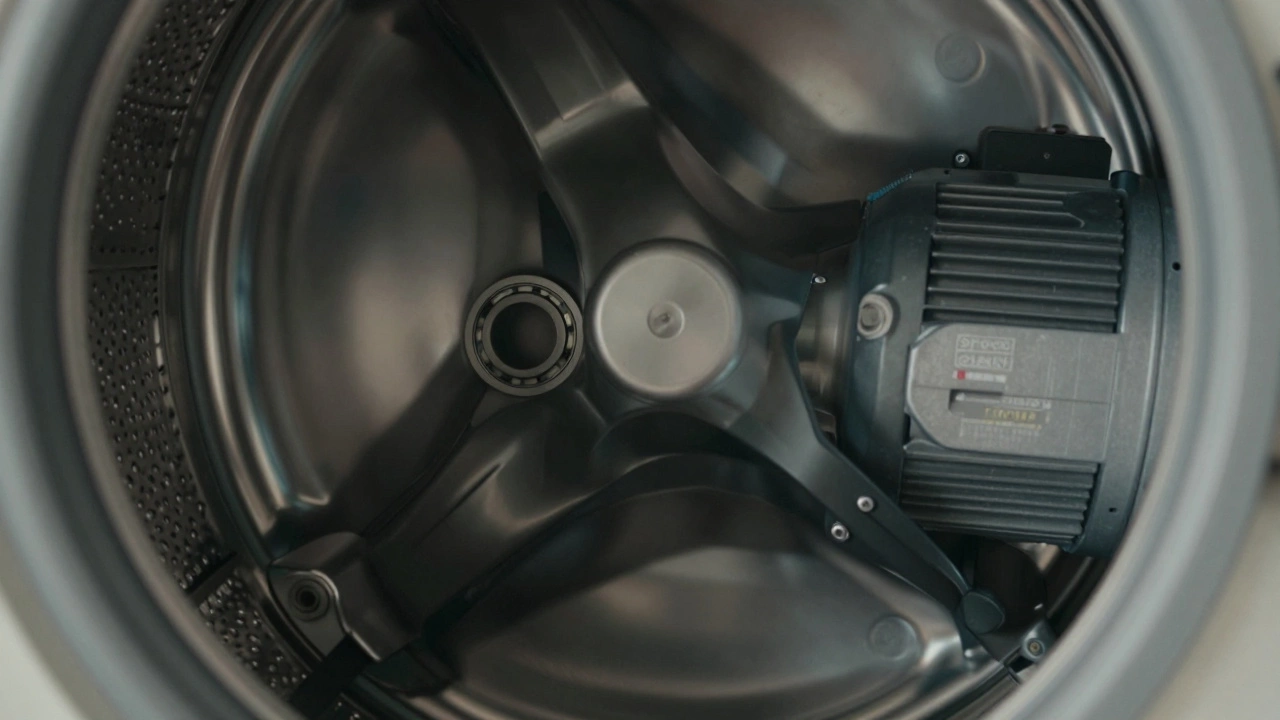
This is where brand loyalty gets tricky. Speed Queen is the undisputed king of washing machine longevity, often lasting 25 years or more. Speed Queen machines look like they came from the 1970s, and that’s intentional. They use mechanical controls instead of digital boards, heavy-duty motors, and commercial-grade bearings. They are expensive upfront-often double the price of a standard Samsung-but they pay for themselves over time because they never die.
If you prefer modern features, Samsung offers high-tech washers, but historically has struggled with reliability compared to Whirlpool or Maytag. Samsung’s drum locks and control panels have been common failure points. However, their newer models with direct drive motors are showing promise. Just don’t expect them to match the 20-year lifespan of a Speed Queen.
Maytag remains a solid choice for traditional top-load washers. If you hate bending over to load laundry, a Maytag top-loader is a workhorse. They are simple, durable, and easy to repair. Local technicians love them because parts are cheap and universally available.
Ranges and Ovens: Built to Burn
Ovens and stoves are generally the most durable appliances in your house. Why? Because the technology hasn’t changed much in decades. A gas range from 1990 works almost exactly the same way as one from 2026. GE Profile and General Electric offer reliable gas and electric ranges. GE has a massive service network, meaning if something does go wrong, finding a part is easy.
For induction cooking, Viking and Wolf represent the premium end, offering exceptional build quality and longevity. These brands use commercial-style components. They cost a fortune, but they are built to withstand professional kitchen environments. If you’re serious about cooking and want a stove that outlives you, Viking is a safe bet.
Cheaper brands like Frigidaire or Hotpoint are fine for basic needs, but their electronic igniters and control knobs tend to wear out faster. Expect 10-12 years from these, whereas a Viking might give you 20+.
The Brand Durability Comparison Table
| Brand | Best For | Avg. Lifespan | Repair Frequency | Durability Score |
|---|---|---|---|---|
| Speed Queen | Washing Machines | 25+ Years | Very Low | 9.5/10 |
| Bosch | Dishwashers | 12-15 Years | Low | 9.0/10 |
| Whirlpool | Refrigerators & Dryers | 13-16 Years | Low | 8.8/10 |
| KitchenAid | Dishwashers & Ranges | 11-14 Years | Medium | 8.5/10 |
| Viking | Ranges/Ovens | 20+ Years | Low | 9.2/10 |
| Samsung | All Categories | 8-12 Years | High | 6.5/10 |
| Frigidaire | Budget Options | 8-10 Years | Medium | 7.0/10 |
Why "Bundle Deals" Can Hurt Your Wallet
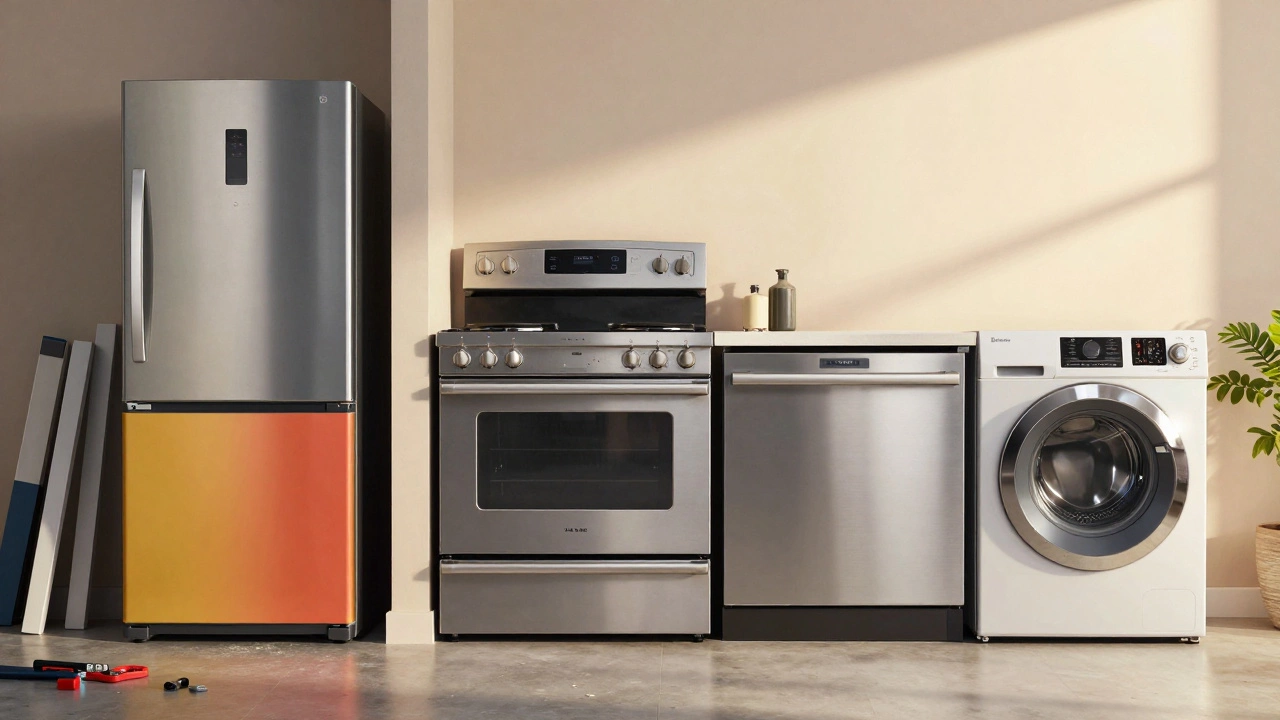
Here’s a secret retailers don’t tell you: buying a matching kitchen appliance bundle often forces you to compromise on durability. Retailers push bundles because they move inventory faster. But the best brand for a fridge (Whirlpool) might not be the best for a dishwasher (Bosch).
If you buy a full suite from a brand that excels in one area but struggles in another, you’re gambling. For example, Samsung makes great-looking fridges and washer-dryer combos, but their dishwashers and dryers have higher repair rates. By bundling, you save 10-15% upfront, but you might spend that back in repairs within five years.
Mixing brands is totally acceptable. In fact, it’s smarter. Buy the best dishwasher, the best fridge, and the best washer, even if they don’t match perfectly. Modern appliances come in black, stainless steel, and white. As long as you pick a consistent finish, nobody will notice that your fridge is Whirlpool and your dishwasher is Bosch.
How to Extend Appliance Life (Pro Tips)
Even the best brand will fail if you mistreat it. Here are three non-negotiable habits:
- Clean the coils: On your fridge and dryer, dust builds up on the condenser coils. This makes the motor work harder, leading to overheating and burnout. Vacuum these coils once a year.
- Check the filters: Dishwasher filters get clogged with food particles. If you don’t clean them monthly, the pump strains and fails. Same goes for dryer lint traps-clean them after every load.
- Level the machine: An unlevel washing machine vibrates excessively. This shakes loose bolts, cracks hoses, and destroys bearings. Use a level tool when installing. It takes five minutes and saves thousands.
When to Repair vs. Replace
The golden rule of appliance economics: if the repair cost exceeds 50% of the price of a new unit, replace it. If the appliance is older than 10 years, lean toward replacement. Technology improves efficiency every year. A new Energy Star-rated fridge uses significantly less electricity than one from 2015. You’ll recoup the cost through lower utility bills.
However, if you bought a Speed Queen or a Viking, hold off on replacing. These machines are designed to be repaired. Parts are available, and the core structure remains sound. Don’t throw away a 15-year-old Viking oven just because the heating element failed. Replace the element ($50) and keep cooking.
Final Thoughts on Building a Durable Kitchen
There is no single "best" brand for every appliance. Whirlpool wins for fridges, Bosch for dishwashers, Speed Queen for washers, and Viking for ranges. Stop chasing the matching set. Focus on function and longevity. Yes, mixing brands looks slightly less curated in photos, but it feels incredible knowing your kitchen won’t break down next winter. Spend more upfront on the right brands, maintain them properly, and you’ll enjoy a seamless cooking experience for decades.
Is it worth buying a matching appliance bundle?
Only if aesthetics are your top priority. Matching bundles often force you to buy weaker products from brands that specialize in other areas. Mixing brands allows you to choose the most durable option for each specific appliance, saving money on repairs in the long run.
Which brand has the lowest repair frequency?
Speed Queen has the lowest repair frequency for washing machines, followed closely by Bosch for dishwashers and Whirlpool for refrigerators. These brands prioritize mechanical simplicity and robust components over flashy digital features.
Do expensive appliances last longer?
Generally, yes. Higher-priced models use stainless steel interiors, commercial-grade motors, and better insulation. However, some premium brands focus on design over durability. Always check independent reliability ratings before spending extra.
What is the average lifespan of a dishwasher?
The average dishwasher lasts between 9 and 12 years. Bosch and KitchenAid models often exceed this, reaching 15 years or more with proper filter maintenance and gentle loading practices.
Should I buy extended warranties for appliances?
Usually, no. Most reputable brands offer good initial warranties (1-2 years). Extended warranties are expensive and often exclude common issues like wear and tear. Instead, put that money toward a home repair fund. You’ll likely use it for other household emergencies.