
Professional Vacuum Selector Tool
Where will you be cleaning?
Select the primary environment for your vacuum.
Office / Commercial Space
Carpeted floors, desks, standard debrisHotel / Hospitality
Mix of carpets, hard floors, upholsteryIndustrial / Workshop
Concrete floors, heavy debris, potential liquidsHazardous / Specialty
Chemicals, fine dusts, medical environmentsWhat is the primary flooring type?
This determines the brush roll and suction requirements.
Carpet
Needs agitation & high airflowHard Floors
Wood, tile, marble (gentle)Mixed Surfaces
Both carpet and hard floorsWhat type of debris will you encounter?
Select the most common messes.
Dry Debris Only
Dust, dirt, crumbs, hairLiquids & Solids
Spills, grease, broken glassFine Particles / Allergens
Requires HEPA filtration (pollen, bacteria, fine dust)How intensively will it be used?
This affects durability and motor requirements.
Light Duty
< 2 hours/day, small areasMedium Duty
2-4 hours/day, moderate trafficHeavy Duty
4+ hours/day, high trafficRecommended Vacuum Type
Loading...
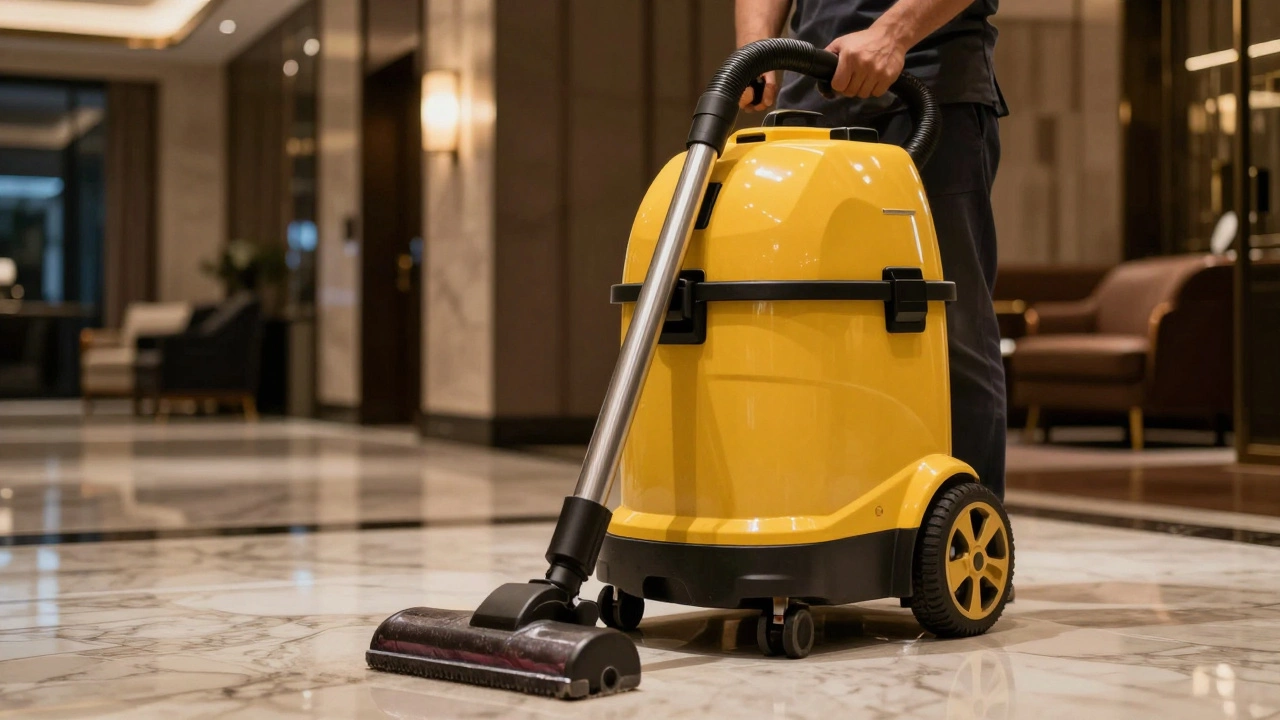
Walk into any hotel lobby, office building, or retail store after hours, and you’ll likely see the same thing: a bulky, often yellow or blue machine being pushed around with purposeful force. It doesn’t look like the sleek canister or stick vacuum sitting in your closet. That’s because what professionals use is fundamentally different from what consumers buy for their homes.
The short answer is that professionals primarily use commercial vacuum cleaners designed for heavy-duty, continuous use. These machines are built to handle high volumes of debris, withstand physical abuse, and operate for hours without overheating. But the specific type depends entirely on the environment-whether it’s a carpeted office, a concrete warehouse floor, or a restaurant kitchen.
The Core Difference: Commercial vs. Residential Design
You might wonder why you can’t just buy ten home vacuums for a business. The issue isn’t just suction power; it’s durability and engineering philosophy. A residential vacuum is designed for intermittent use. You run it for 15 minutes twice a week. It has plastic components, smaller motors, and filters meant for household dust.
A Commercial Vacuum is a heavy-duty cleaning appliance engineered for daily, extended operation in professional environments. These units feature metal chassis, larger gauges, and industrial-grade motors that can run for eight hours straight without burning out. They also have higher airflow capacity, measured in cubic feet per minute (CFM), which is crucial for lifting embedded dirt from high-traffic carpets.
If you try to use a consumer model in a commercial setting, you’ll face frequent breakdowns, clogged filters, and eventually, higher costs due to replacements. Professionals invest in equipment that minimizes downtime because every minute a cleaner spends fixing a machine is money lost.
Upright Vacuums: The Workhorse of Carpeted Spaces
In offices, hotels, and schools, upright vacuums are the standard. However, they aren’t the lightweight stick models you see in ads. Professional uprights are heavier, often weighing between 20 and 30 pounds, and feature large wheels to navigate over thresholds and thick carpet piles.
Key features of professional uprights include:
- Metal construction: Unlike plastic bodies that crack under impact, commercial uprights use steel or reinforced aluminum frames.
- Large dust bags or bins: They hold significantly more debris, reducing the frequency of emptying.
- High-efficiency filtration: Many use HEPA-style filters to trap fine particles, which is critical for indoor air quality in occupied spaces.
- Easy maintenance: Components are designed to be swapped out quickly by technicians.
Brands like Husky and Nilfisk dominate this segment. Their models are known for reliability and parts availability. For example, the Husky Viper series is widely used in corporate offices because it combines strong suction with maneuverability.
Canister Vacuums: Precision Cleaning for Hard Floors and Upholstery
When the job involves delicate hardwood floors, marble, or detailed upholstery, professionals switch to canister vacuums. These offer better control and less risk of scratching surfaces compared to uprights with stiff brushes.
Professional canisters are distinct from home models in several ways:
- Dual-motor systems: One motor handles suction, while another drives the brush roll, allowing for adjustable agitation levels.
- Longer hoses and cords: This reduces the need to unplug and move the unit frequently, speeding up workflow.
- Modular attachments: They come with specialized tools for crevices, stairs, and furniture.
In luxury hotels and museums, canister vacuums are preferred for their quiet operation and gentle handling of sensitive materials. The Miele C-series, particularly the commercial variants, is a common sight in these environments due to its German engineering and longevity.
Wet/Dry Vacuums: The All-Terrain Solution
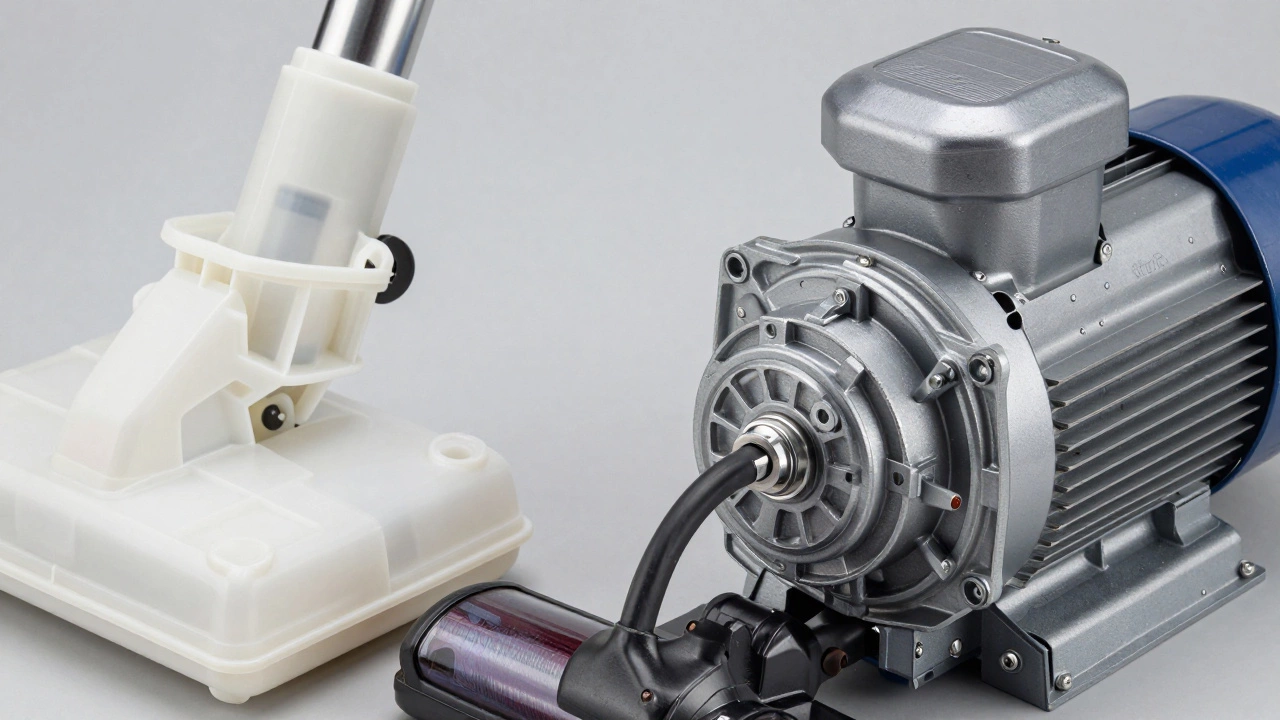
Not all messes are dry dust. In restaurants, workshops, and warehouses, spills, grease, and liquid waste are common. This is where Wet/Dry Vacuums are versatile machines capable of sucking up both liquids and solid debris, essential for industrial and hospitality settings. become indispensable.
These vacuums typically feature a large cylindrical tank made of durable plastic or stainless steel. They lack the complex filtration systems of carpet vacuums because they’re designed for quick cleanup rather than deep allergen removal. Key characteristics include:
- High-capacity tanks: Ranging from 5 to 20 gallons, allowing for extensive cleaning before emptying.
- Robust suction: Capable of picking up heavy debris like sawdust, nails, or broken glass.
- Blower function: Many can reverse airflow to blow out water from drains or dry wet areas.
The Shop-Vac brand is synonymous with this category, though many commercial brands offer similar models. In food service, wet/dry vacs are used to clean up spilled soda, oil, and broken dishes quickly, minimizing slip hazards.
Industrial Vacuums: Handling Hazardous Materials
In manufacturing plants, construction sites, and chemical facilities, standard commercial vacuums aren’t enough. Here, Industrial Vacuums are specialized machines designed to handle hazardous materials, explosive dusts, and extreme temperatures. take over.
These units are built to meet strict safety standards, such as OSHA regulations and NFPA codes. They often feature:
- Explosion-proof motors: To prevent sparks when dealing with flammable dusts like wood shavings or metal powders.
- HEPA or ULPA filtration: To capture microscopic particles that could cause respiratory issues.
- Corrosion-resistant materials: Stainless steel tanks and acid-resistant seals for chemical spills.
Companies like DustEx and Vax Power specialize in these high-end solutions. Using a regular vacuum for asbestos removal or flour dust collection can be dangerous and illegal, making industrial vacuums a non-negotiable investment for certain industries.
| Vacuum Type | Best For | Key Feature | Average Lifespan |
|---|---|---|---|
| Upright | Carpets, Offices | High airflow, metal frame | 5-7 years |
| Canister | Hard floors, Upholstery | Precision, dual motors | 7-10 years |
| Wet/Dry | Kitchens, Workshops | Liquid & solid pickup | 3-5 years |
| Industrial | Hazmat, Manufacturing | Explosion-proof, HEPA | 10+ years |
Key Brands Dominating the Professional Market
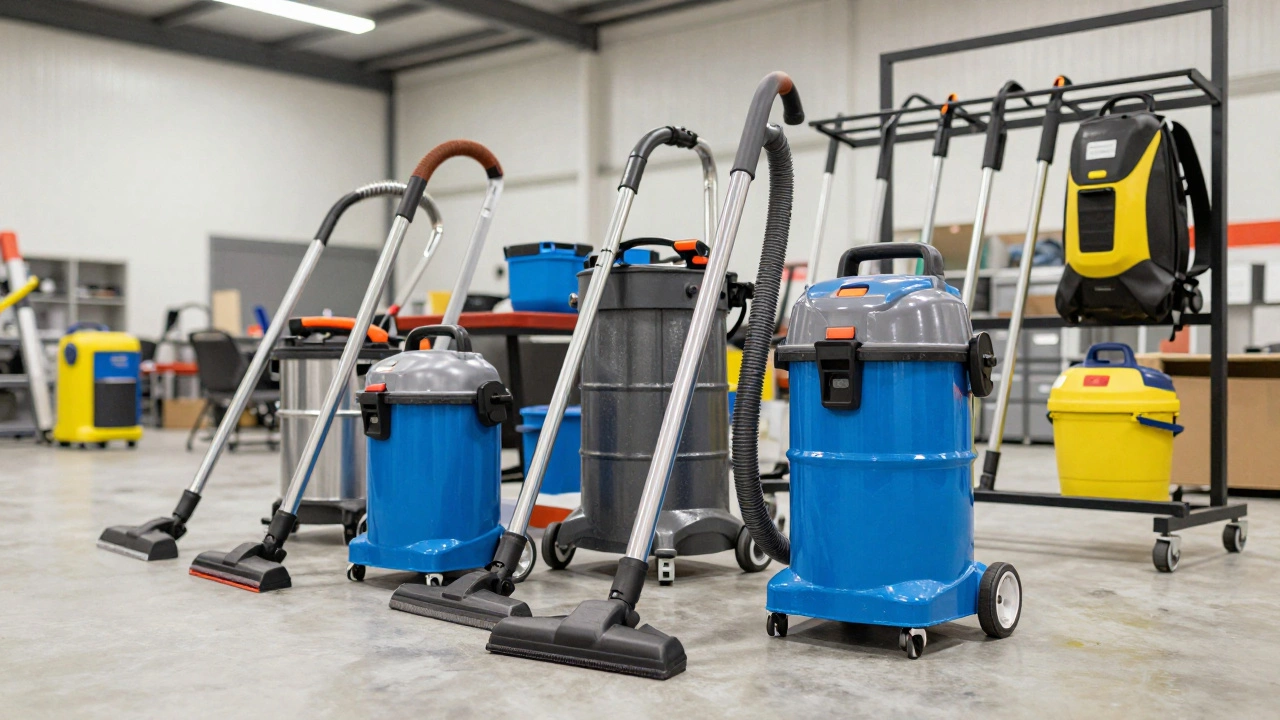
While there are dozens of vacuum manufacturers, only a few consistently supply the professional sector. These brands prioritize service networks, parts availability, and durability over flashy marketing.
Nilfisk is arguably the most recognized name in commercial cleaning. Founded in Denmark, they produce everything from small uprights to massive ride-on scrubbers. Their reputation for reliability makes them a go-to for facility managers.
Husky, part of the Kärcher Group, focuses heavily on the janitorial market. Their vacuums are known for being rugged yet user-friendly, with intuitive controls and easy-to-clean components.
Tornado specializes in backpack vacuums, which are popular among cleaners who need to cover large areas quickly without pushing heavy carts. Backpack vacuums reduce strain on the back and improve efficiency in open-plan offices.
Hoover also has a strong commercial division, offering affordable options for smaller businesses that still need professional-grade performance.
Factors to Consider When Choosing a Professional Vacuum
Selecting the right vacuum isn’t just about price. It’s about matching the machine to the specific demands of your environment. Here are the critical factors:
- Flooring Type: Carpets require high airflow and brush agitation. Hard floors need gentle suction and soft rollers to prevent scratches.
- Debris Volume: High-traffic areas generate more dirt. Larger dust bags or bins reduce downtime.
- Allergen Sensitivity: If you’re cleaning healthcare facilities or schools, HEPA filtration is essential to trap bacteria and viruses.
- Noise Levels: In offices or libraries, quiet operation is crucial to avoid disrupting work or study.
- Maintenance Costs: Check the availability and price of replacement belts, brushes, and filters. Some brands charge premium prices for proprietary parts.
For instance, a gym might need a wet/dry vacuum for sweat and protein powder spills, while a law firm would prefer a quiet canister vacuum for its polished wood floors.
The Rise of Cordless and Smart Technology
Traditionally, professional vacuums were corded due to the need for consistent power. However, advancements in battery technology are changing this landscape. Cordless Commercial Vacuums are becoming viable for smaller spaces or spot cleaning.
Brands like Dyson and Shark have entered the pro market with high-end cordless models. While they may not replace heavy-duty uprights for large-scale cleaning, they offer flexibility for quick touch-ups between clients or meetings.
Smart features are also emerging, such as sensors that adjust suction based on dirt levels and apps that track maintenance schedules. These innovations help facility managers optimize cleaning routes and extend equipment life.
Can I use a home vacuum for my small business?
It depends on the scale. For a very small office with light foot traffic, a high-quality home vacuum might suffice initially. However, for daily use or high-traffic areas, a commercial vacuum is necessary to avoid frequent repairs and ensure thorough cleaning. Home vacuums will overheat and wear out quickly under professional conditions.
How much does a professional vacuum cost?
Prices vary widely. Entry-level commercial uprights start around $300-$500. Mid-range models from brands like Nilfisk or Husky range from $800-$1,500. Industrial vacuums for hazardous materials can cost $2,000 or more. Investing in a higher-quality unit often saves money in the long run through durability and lower maintenance costs.
What is the difference between a commercial and an industrial vacuum?
Commercial vacuums are designed for general cleaning in offices, hotels, and stores. Industrial vacuums are built for harsh environments like factories and construction sites, handling hazardous materials, explosives dusts, and extreme temperatures. Industrial units are more robust and often meet specific safety certifications.
Are backpack vacuums worth it for professionals?
Yes, especially for large open areas. Backpack vacuums allow cleaners to move faster and reach more places without dragging a heavy cart. They reduce physical strain and improve efficiency. Brands like Tornado and Nilfisk offer highly regarded backpack models.
How do I maintain a commercial vacuum?
Regular maintenance includes emptying dust bags or bins, checking and replacing filters, inspecting belts for wear, and clearing blockages in hoses. Follow the manufacturer’s schedule for servicing. Proper care extends the life of the machine and maintains optimal suction power.