
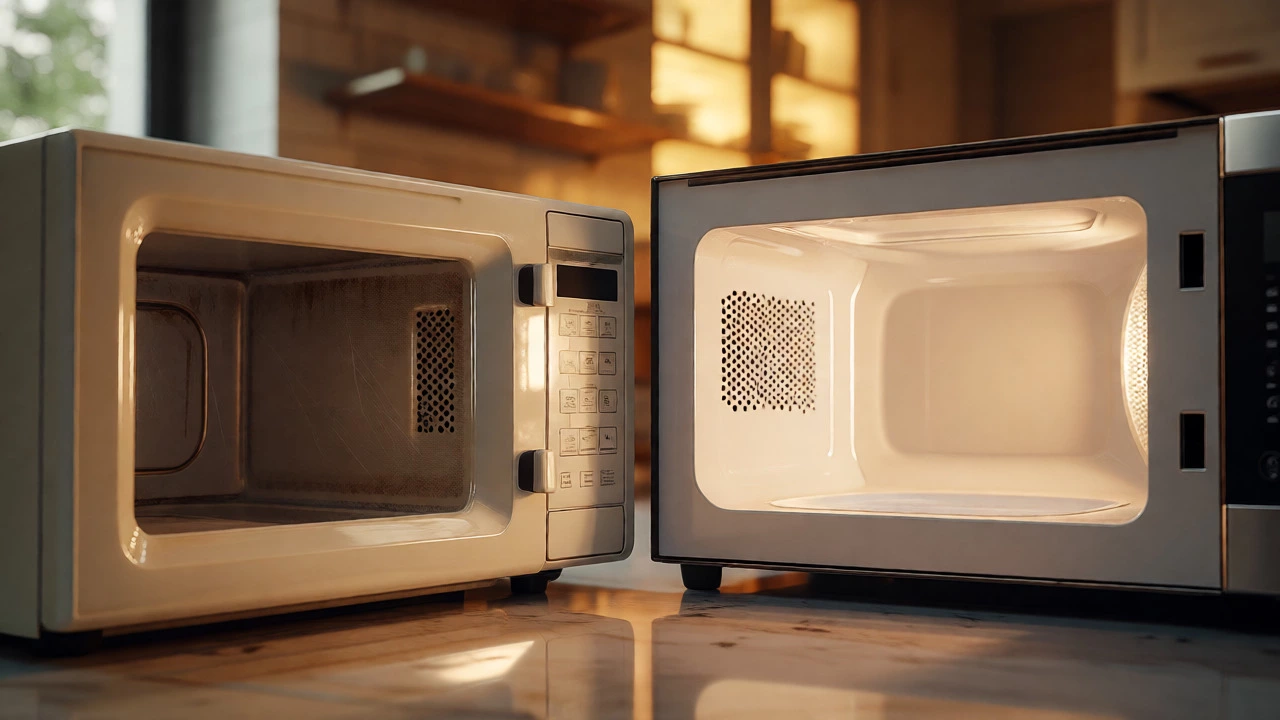
Microwave Value Calculator
Not sure if you need the $400 model or the $80 one? Answer these questions to find out.
Recommendation
Why this recommendation?
You stand in the appliance aisle, staring at two microwaves. One costs $80 and looks like a beige box from 1995. The other costs $400, has a sleek stainless steel finish, and promises "smart cooking." You wonder: what are you actually paying for? Is it just marketing fluff, or does that extra cash buy you something real?
The short answer is yes, but not for the reasons most people think. You aren't buying faster heating-physics limits how fast water molecules can vibrate. You are buying precision, consistency, and versatility. A cheap microwave cooks your food; an expensive one tries to replicate the results of a conventional oven or stovetop. If you’ve ever pulled out a plate with a frozen center and boiling edges, you know exactly why this matters.
The Core Difference: Magnetron vs. Inverter Technology
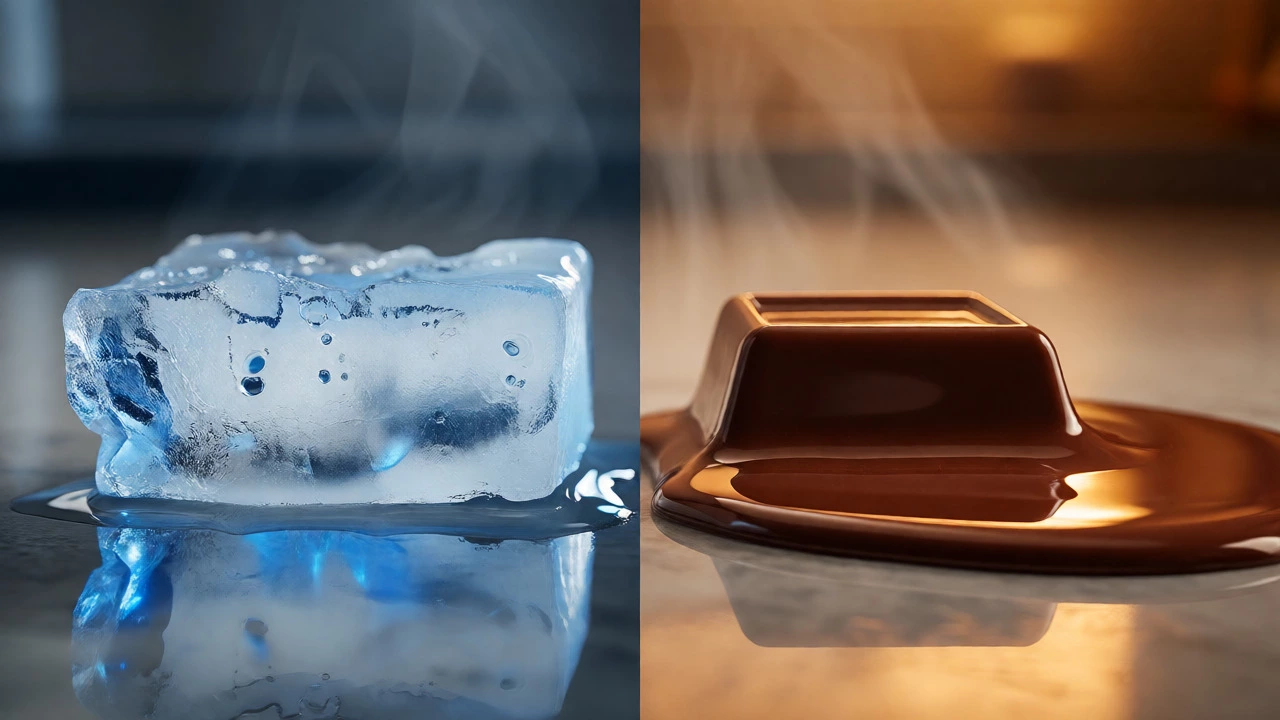
Most budget microwaves use a simple on/off switch called a magnetron. To simulate "low power" (like defrosting), the unit blasts full power for ten seconds, turns off for five, and repeats. This creates hot spots and cold patches. It’s inefficient and ruins delicate foods like fish or chocolate.
High-end models often feature Inverter Technology is a system that delivers continuous, variable power levels instead of cycling on and off. Developed by companies like Panasonic, this tech allows the microwave to run at true 50% power continuously. The result? Food heats evenly from edge to center without turning into rubber. If you cook leftovers frequently, this single feature alone justifies the price jump for many users.
Beyond Heating: Convection and Grilling Capabilities
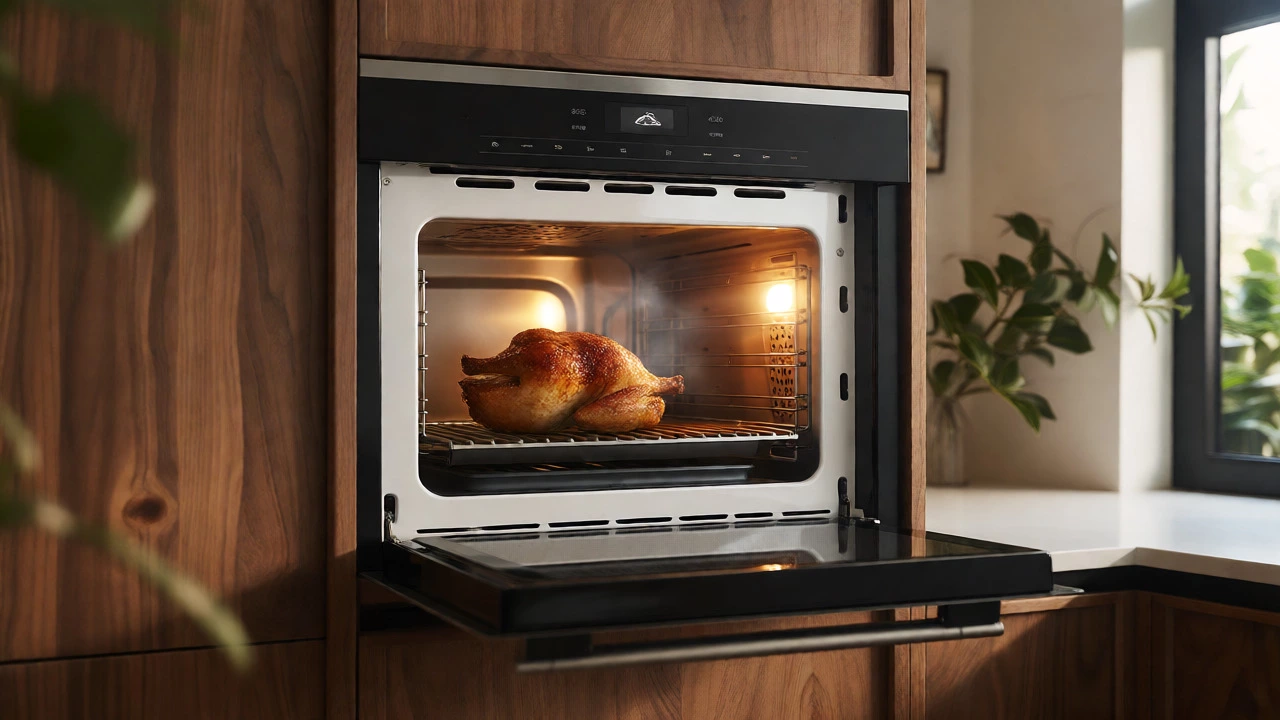
A standard microwave only uses electromagnetic waves. An expensive model often includes a Convection Oven is a combination of microwave energy and a heating element with a fan. This setup circulates hot air around the food, allowing you to roast chicken, bake cookies, or crisp up pizza crusts directly inside the microwave cavity.
This transforms the appliance from a reheating tool into a secondary oven. For small apartments where space is tight, replacing a bulky toaster oven with a combo microwave/convection unit saves counter space. However, be warned: these units take longer to preheat than a dedicated toaster oven and have smaller capacities. They are best for small batches, not Thanksgiving turkeys.
Build Quality and Interior Materials
Touch a cheap microwave interior. It’s likely painted metal or plastic. These surfaces absorb grease, stain easily, and can chip over time. High-end models use Ceramic Enamel is a non-porous, durable coating applied to the interior walls. It resists scratches, wipes clean with a damp cloth, and reflects heat more efficiently than bare metal.
Door hinges and handles also differ significantly. Budget doors sag after a year of use. Premium models use heavy-duty ball-bearing hinges that stay aligned. The glass door itself is often thicker and triple-paned, which keeps noise down and prevents heat leakage. If you plan to keep your appliance for ten years rather than three, these material differences prevent early replacement.
Smart Features: Gimmick or Game-Changer?
Wi-Fi connectivity is the biggest upsell in modern appliances. Does your microwave really need to tweet when your popcorn is done? Probably not. But smart sensors do offer practical value.
Look for Humidity Sensors are internal detectors that measure steam output to determine when food is fully cooked. Unlike timer-based cooking, these sensors stop the cycle automatically. This prevents the common mistake of undercooking a potato or overcooking soup until it boils over. While not every smart feature is useful, sensor-based auto-cook programs save time and reduce waste.
| Feature | Budget Model ($50-$100) | Premium Model ($300+) |
|---|---|---|
| Power Delivery | Cycling On/Off (Magnetron) | Continuous Variable (Inverter) |
| Interior Material | Painted Metal / Plastic | Ceramic Enamel / Stainless Steel |
| Cooking Modes | Microwave Only | Microwave + Convection + Grill |
| Sensors | Timer Based | Humidity & Temperature Probes |
| Lifespan Expectancy | 3-5 Years | 7-10+ Years |
Who Should Actually Buy an Expensive Microwave?
If you primarily reheat coffee, melt butter, or warm up frozen burritos, save your money. Buy the $60 model. It will do the job perfectly fine.
However, consider upgrading if:
- You cook raw ingredients: Steaming vegetables or cooking rice works far better with inverter tech.
- You lack oven space: Combo units free up your main oven for large dishes.
- You hate uneven heating: If you constantly stir and rotate plates mid-cycle, premium models solve this frustration.
- You want aesthetics: Built-in models integrate seamlessly into cabinetry, boosting home resale value.
Common Pitfalls When Buying Premium
Don’t fall for the "Wattage Myth." A 1200-watt cheap microwave heats almost as fast as a 1200-watt expensive one. Wattage determines speed, not quality. Focus on how the power is delivered, not just how much there is.
Also, check the turntable size. Some high-end built-in models remove the turntable entirely to create a flat, larger cooking surface. This is great for rectangular dishes but bad for round plates that might sit in a cold spot. Read reviews specifically mentioning "even heating" before committing.
Do expensive microwaves last longer?
Generally, yes. Premium models use higher-grade capacitors, diodes, and transformers that handle heat stress better. The mechanical parts, such as door latches and turntable motors, are also built to withstand thousands of cycles. While a budget unit might fail in 3-5 years due to component burnout, a high-end unit often lasts 7-10 years with proper care.
Is inverter technology worth the extra cost?
If you frequently defrost meat or cook delicate items like eggs and fish, absolutely. Inverter technology provides consistent low-power heat, preventing the partial cooking and texture degradation common with traditional on/off cycling. For simple reheating of dense foods like soups, the difference is less noticeable.
Can I replace my oven with a convection microwave?
For small meals and quick bakes, yes. Convection microwaves can roast chickens, bake cakes, and crisp fries effectively. However, they have smaller cavities and slower preheat times than dedicated ovens. They are excellent supplements but rarely a full replacement for serious baking enthusiasts.
Why are some microwaves so loud?
Noise usually comes from the cooling fans and the magnetron vibration. Cheaper units often have thinner casings that amplify sound. Premium models use sound-dampening materials and quieter brushless motors. If you have an open-plan kitchen, look for models specifically rated for "quiet operation."
Do smart microwaves require Wi-Fi to work?
No. All smart microwaves function as standard appliances without internet connection. Wi-Fi is only needed for remote control via apps, downloading new recipes, or receiving firmware updates. If you lose your internet, you can still pop corn and heat soup normally.