
Healthy Kettle Score Calculator
What is the main body of the kettle made of?
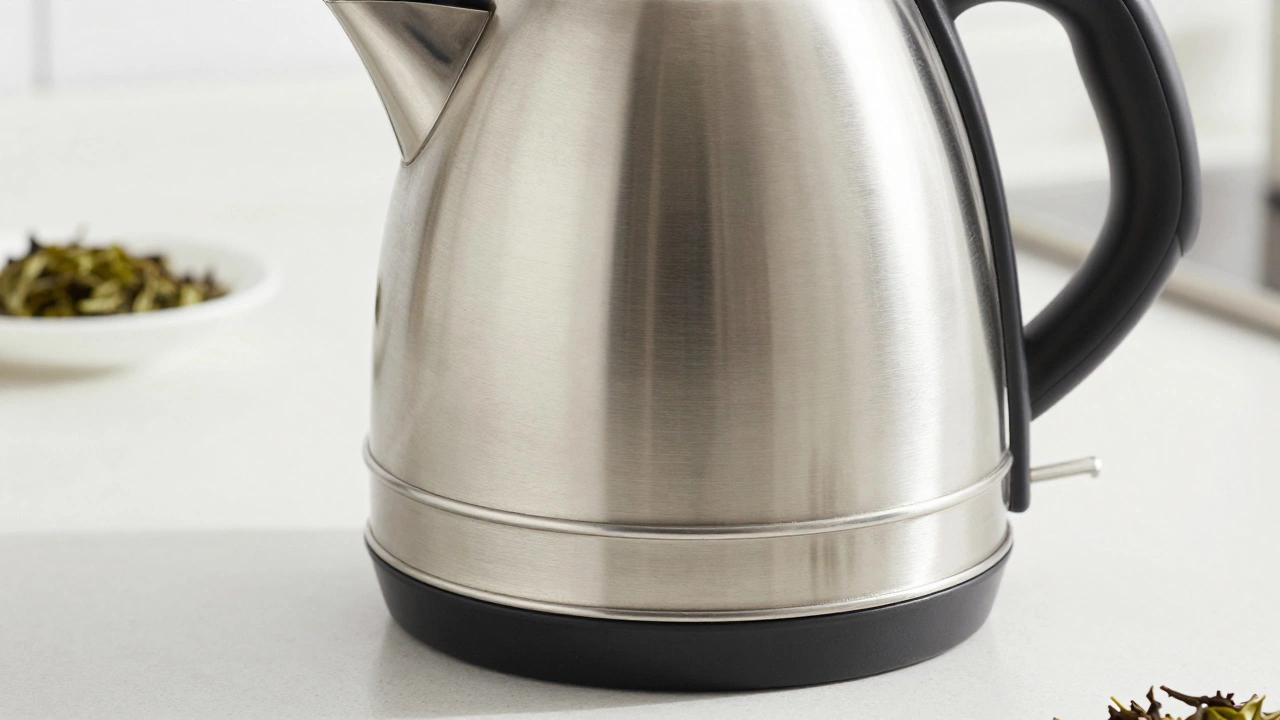
Stainless Steel
Food-grade 304/18-8 grade. Durable, non-reactive.
ExcellentBorosilicate Glass
Heat-resistant, inert, completely transparent.
BestCeramic Coated
Safe if intact, but chips easily exposing base metal.
GoodPlastic
Even BPA-free plastics can leach microplastics when heated.
PoorAluminum
Reactive metal that can leach into acidic drinks.
AvoidThe lid touches steam which condenses back into water.
Does the kettle filter contaminants before boiling?
Select all features that apply to your kettle.
Your Kettle's Health Score
Select options to see score
Analysis:
Why Your Kettle Material Matters More Than You Think
You might not think much about your electric kettle. It boils water, right? But if you drink several cups of tea or coffee every day, that vessel is doing more than just heating liquid. It is interacting with it. The material inside the kettle determines what ends up in your cup. Some materials release microplastics when heated. Others leach heavy metals like lead or nickel. Then there are plastic components that can harbor bacteria in hard-to-clean crevices.
Finding the healthiest electric kettle isn't about finding a gadget with ten buttons. It is about choosing one that keeps your water pure, safe, and free from contaminants introduced by the appliance itself. We need to look at the inner lining, the lid material, the filter system, and even how easy it is to clean. If you cannot scrub it easily, biofilm builds up, and that is definitely not healthy.
The Gold Standard: Stainless Steel vs. Glass
When we talk about health, two materials stand out above the rest: stainless steel and borosilicate glass. These are the only materials I recommend for daily use if safety is your top priority. Let's break down why they win and what to watch out for.
Stainless Steel is the most durable and common material for high-quality kettles. Specifically, you want 18/8 food-grade stainless steel, also known as 304 grade. This alloy contains 18% chromium and 8% nickel. The chromium creates a passive layer that prevents rust and corrosion. It does not react with acidic teas or hot water. Unlike plastic, it does not degrade over time. It resists scratches and dents. Most importantly, it does not leach chemicals into your water. However, cheap "stainless" kettles might use lower grades that contain higher levels of nickel or other metals. Always check for the "food-grade" label.
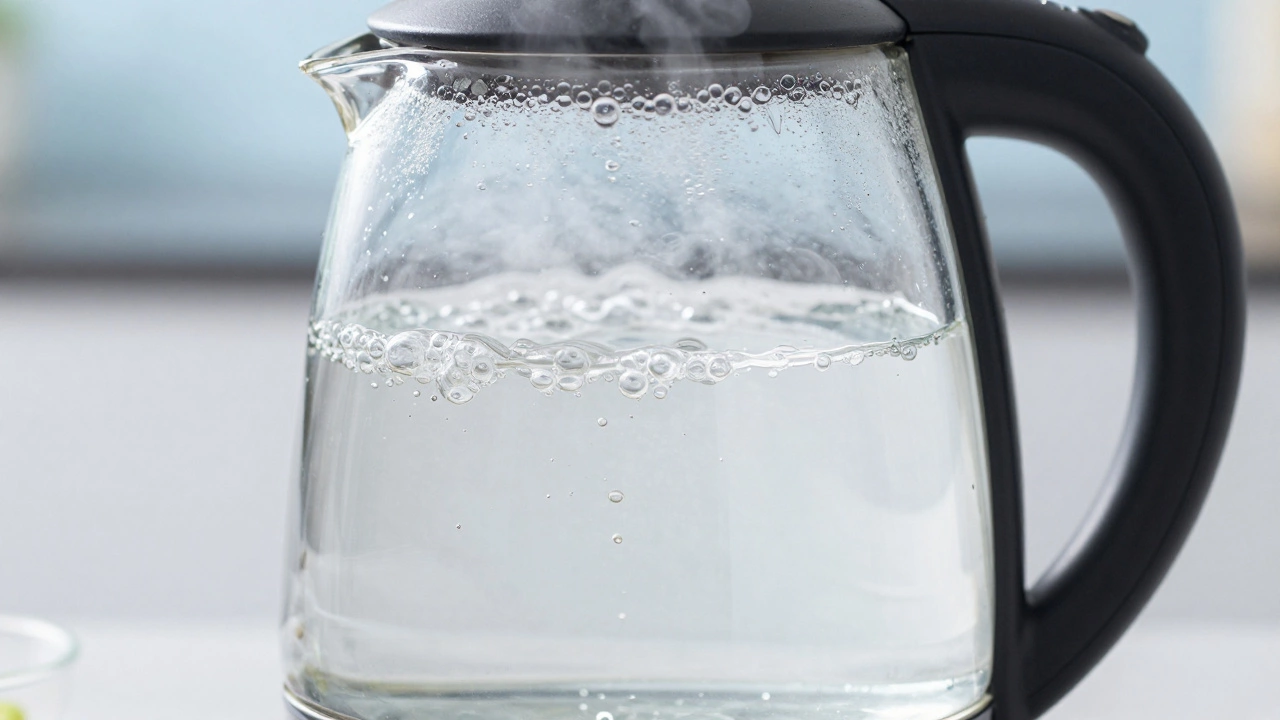
Borosilicate Glass is a type of heat-resistant glass that offers complete transparency. Because it is non-porous and inert, it interacts with zero chemicals. You can see exactly what is happening inside. If there is limescale buildup or dirt, you spot it immediately. This visual clarity encourages better cleaning habits. Borosilicate glass withstands thermal shock better than regular soda-lime glass, meaning it won't shatter if you pour cold water into a hot kettle. The downside? It is heavier and more fragile if dropped. Also, ensure the lid and base are made of safe materials, as some glass kettles use plastic lids that touch the steam.
| Material | Chemical Leaching Risk | Durability | Ease of Cleaning | Health Verdict |
|---|---|---|---|---|
| Food-Grade Stainless Steel (304) | Very Low | High | Easy | Excellent |
| Borosilicate Glass | None | Moderate (fragile) | Very Easy (visible) | Excellent |
| Plastic (BPA-Free) | Low to Moderate (microplastics) | Moderate | Difficult (crevices) | Poor |
| Ceramic Coated | Low (if coating intact) | Low (chips easily) | Easy | Good (with caution) |
| Aluminum | High (reactive) | Low | Difficult | Avoid |
The Hidden Danger: Plastic Components
Even if you buy a stainless steel kettle, it might still have plastic parts. Look closely at the lid, the handle, and the spout. Many manufacturers use polypropylene (PP) or polycarbonate for these parts because they are cheap and lightweight. While "BPA-free" sounds good, it is not a guarantee of total safety. When plastic heats up, especially near boiling temperatures, it can release microplastics and endocrine disruptors into the water. Steam condenses on the lid and drips back into the pot. If that lid is plastic, those particles go straight into your tea.
To mitigate this, look for kettles with stainless steel lids or glass lids. Some premium models offer removable lids that you can wash thoroughly. If you must use a plastic lid, replace it every year or two. Heat degrades plastic over time, making it more prone to leaching. Check the manufacturer's warranty and replacement part availability. A kettle with a disposable plastic component is not a long-term healthy choice.
Filtration: Removing Contaminants Before They Boil
Boiling water kills bacteria, but it does not remove heavy metals, chlorine, or sediment. In fact, boiling can concentrate some contaminants by evaporating pure water while leaving minerals behind. This is where built-in filtration makes a kettle truly healthy. Not all filters are created equal, though.
Activated Carbon Filters are the most effective method for removing chlorine, volatile organic compounds, and unpleasant tastes. They work through adsorption, trapping impurities within their porous structure. Look for kettles with replaceable carbon filters, such as those found in certain Brita or Cuisinart models. These filters improve taste and reduce exposure to tap water additives. However, they do not remove heavy metals like lead or arsenic unless specifically rated for it.
Limescale Filters are mesh screens designed to catch calcium and magnesium deposits. While they don't make water healthier in terms of toxicity, they prevent mineral buildup in your kettle and body. Hard water areas benefit greatly from these. They extend the life of the heating element and keep the interior cleaner. Remember to rinse these filters regularly, or they become clogged and ineffective.
If your kettle lacks filtration, consider using filtered water from a separate pitcher. Do not rely on boiling alone to purify water. For the healthiest result, combine a stainless steel or glass kettle with pre-filtered water.
Design Features That Impact Hygiene
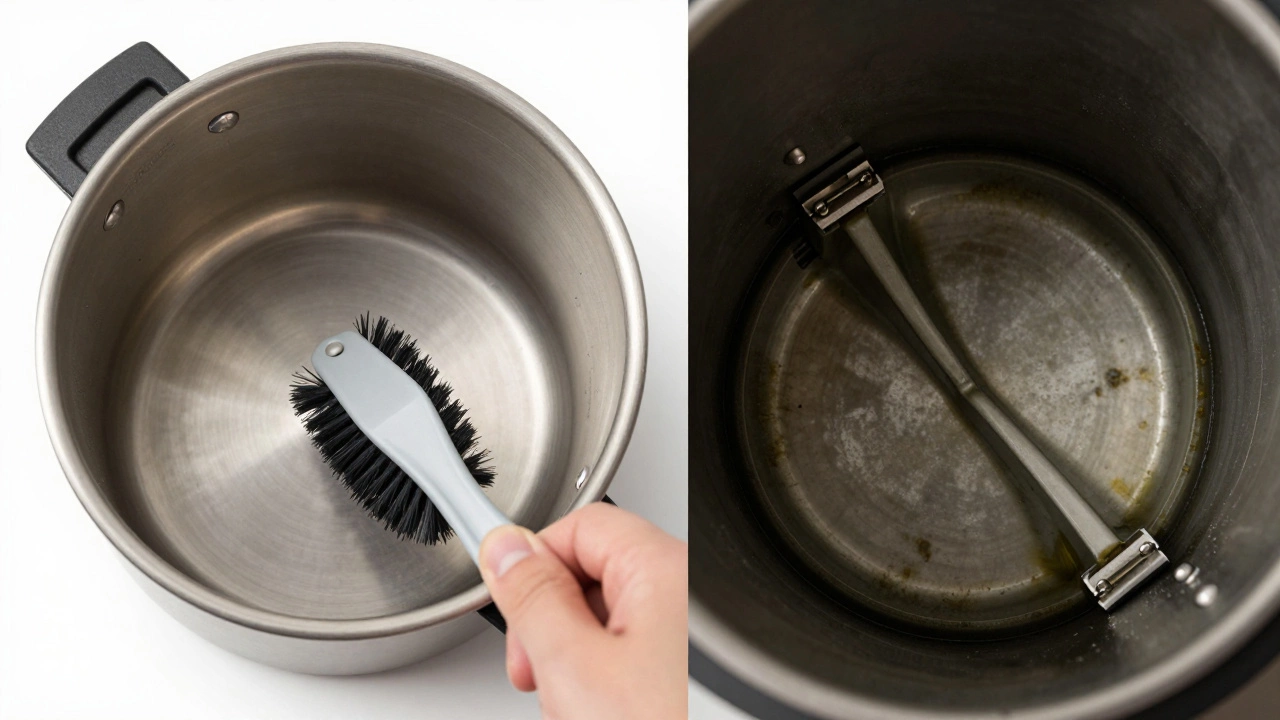
Hygiene is not just about materials; it is about design. A healthy kettle must be easy to clean. Biofilm-a slimy layer of bacteria-forms in damp, dark places. If your kettle has narrow spouts, hidden hinges, or textured interiors, you are inviting bacterial growth.
- Wide Mouth Opening: Allows your hand or a brush to reach the bottom corners. Narrow openings trap dirt and limescale.
- Smooth Interior Surfaces: Avoid textured or ribbed insides. Smooth stainless steel or glass sheds water and resists adhesion.
- Removable Lids: Essential for thorough cleaning. Fixed lids create dead zones where mold can grow.
- Minimalist Spout Design: Complex aerators or spray nozzles collect residue. Simple, smooth spouts are easier to sanitize.
- Dishwasher Safe Parts: If the lid, filter, and handle are dishwasher safe, you are more likely to clean them regularly.
I often see people neglecting their kettles until they smell bad. By then, the biofilm is established. Prevention is key. Descale your kettle monthly with white vinegar or citric acid. Citric acid is gentler on stainless steel and leaves no residual taste. Rinse thoroughly after descaling to remove any acid traces.
Temperature Control and Preheating
While not directly related to chemical leaching, temperature control affects nutrient preservation and taste. Over-boiling water destroys oxygen content, making tea taste flat. Some sensitive teas, like green or white tea, require lower temperatures (160-175°F). Boiling them at 212°F burns the leaves, releasing bitter tannins. A kettle with precise temperature settings ensures you extract the best flavor without damaging delicate compounds.
Additionally, rapid boiling reduces the time water sits in contact with the kettle walls. Less contact time means less potential for interaction, even with safe materials. Look for kettles with high wattage (1500W+) that boil quickly. Energy efficiency also matters indirectly-less energy usage means less environmental impact, which aligns with a holistic view of health.
Top Recommendations for Healthy Kettles
Based on material safety, filtration options, and hygiene design, here are three types of kettles that stand out. Note that specific models change, so focus on the features rather than brand names.
- The All-Stainless Steel Workhorse: Look for a double-wall insulated stainless steel kettle with a stainless steel lid. Double-wall insulation keeps the outside cool, preventing burns and reducing condensation on the exterior. Ensure the interior is 304-grade steel. Brands like Zojirushi and Cuisinart often produce high-quality versions.
- The Transparent Glass Option: Choose a borosilicate glass kettle with a stainless steel lid. The visibility allows you to monitor cleanliness instantly. Ensure the base is detachable and easy to wipe. Models from Bodum or Hario excel here.
- The Filtered Hybrid: If you rely on tap water, invest in a kettle with a permanent activated carbon filter and a stainless steel interior. Replace the filter every 2-3 months. This setup addresses both material safety and water quality.
Avoid kettles with aluminum interiors, regardless of price. Aluminum reacts with acidic liquids and can leach into food and drinks. Even coated aluminum risks exposing bare metal if the coating chips.
Maintenance Routine for Long-Term Health
Buying the right kettle is only half the battle. Proper maintenance ensures it stays healthy. Here is a simple routine:
- Daily: Wipe the exterior and lid. Rinse the interior if used frequently.
- Weekly: Inspect the filter (if present). Rinse mesh filters under running water.
- Monthly: Descale with a mixture of one part white vinegar to three parts water. Boil, let sit for an hour, then rinse thoroughly. Alternatively, use citric acid powder.
- Annually: Replace any plastic components, filters, or gaskets. Check for cracks in glass or dents in steel that could harbor bacteria.
Never leave water sitting in the kettle for days. Stagnant water promotes bacterial growth. Empty it after each use. If you store water, refrigerate it instead of leaving it in the warm kettle.
Is glass or stainless steel healthier for a kettle?
Both are excellent choices. Borosilicate glass is completely inert and allows you to see inside for cleanliness. Food-grade stainless steel (304) is durable, resistant to corrosion, and does not leach chemicals. Choose glass if you prioritize visibility and zero chemical interaction. Choose stainless steel if you want durability and ease of handling.
Do BPA-free plastic kettles release microplastics?
Yes, they can. "BPA-free" means the plastic does not contain Bisphenol A, but it may still contain other endocrine disruptors. Moreover, all plastics degrade over time with heat, potentially releasing microplastics into the water. For maximum health safety, avoid plastic interiors and lids entirely.
How often should I descale my electric kettle?
You should descale your kettle every month if you live in a hard water area. In soft water areas, every 3-6 months may suffice. Regular descaling prevents limescale buildup, which can harbor bacteria and affect the kettle's efficiency. Use white vinegar or citric acid for safe and effective cleaning.
Can I put my kettle in the dishwasher?
Only if the manufacturer explicitly states it is dishwasher safe. Most electric kettles have electrical bases that should never get wet. However, removable lids, filters, and sometimes the entire body (if cordless and separated from the base) can be washed in the dishwasher. Check the user manual before attempting this.
What is the safest material for a kettle lid?
The safest material for a kettle lid is stainless steel or glass. These materials do not leach chemicals when exposed to steam and heat. Plastic lids, even if BPA-free, can degrade over time and may release microplastics. If you have a plastic lid, ensure it is removable and replace it regularly.