
Portable AC Venting Calculator
How Venting Affects Your AC
Enter your AC's BTU rating to see how much heat builds up when venting is skipped.
Without Proper Venting
You bought a portable air conditioner because it’s easy to move, doesn’t need installation, and cools a room fast. But then you realized: you don’t have a window to vent it outside. Or maybe you just forgot to hook up the hose. What happens then?
Short answer: your room gets hotter, your AC works harder, and you’re wasting money. It’s not just ineffective-it’s actively making things worse.
Why Portable ACs Need to Vent
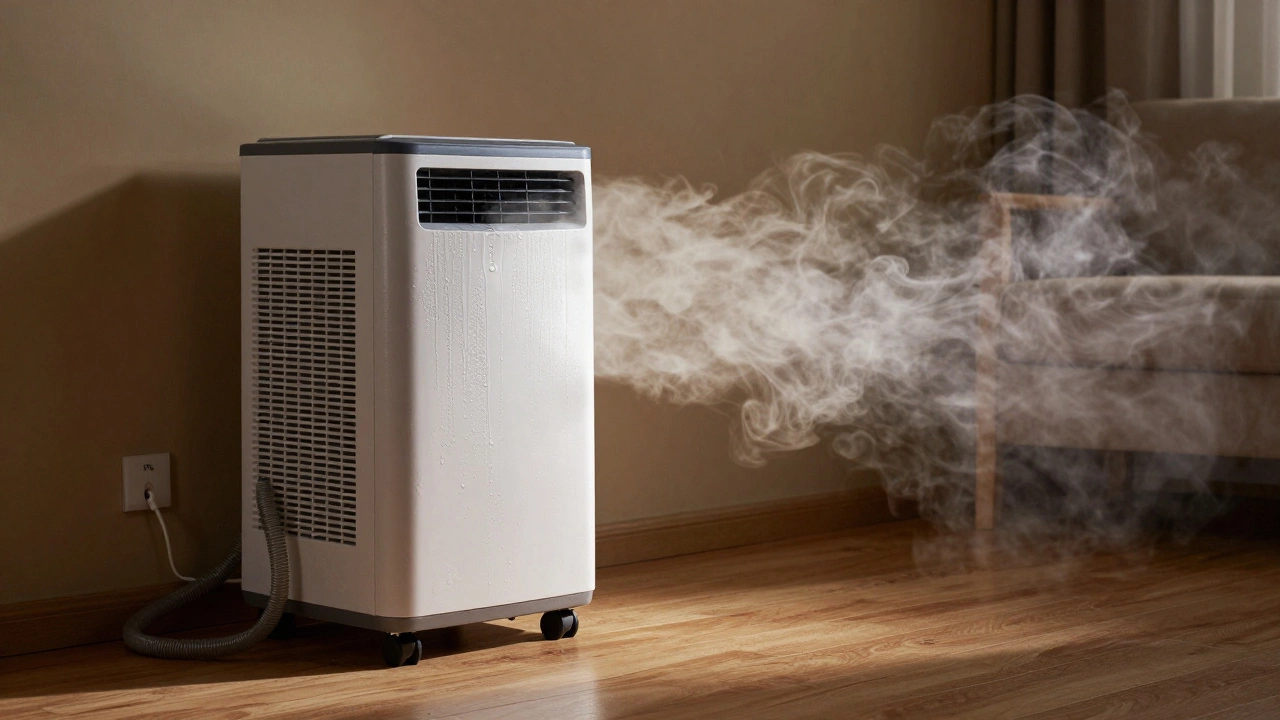
Portable air conditioners don’t cool air like a fan. They pull warm air in, remove heat and moisture, and spit out the leftover heat. That heat has to go somewhere. If you don’t vent it outside, the hot air gets dumped right back into the room.
Think of it like a hairdryer with the exhaust covered. The air gets hot, the motor strains, and eventually, it shuts down-or worse, overheats. Portable ACs are designed to move heat from inside to outside. Without that exhaust path, you’re just recycling heat.
What Actually Happens When You Skip the Vent
Here’s what you’ll notice if you run a portable AC without venting it outside:
- The room doesn’t cool down-it might even get warmer. The unit pulls in warm air, cools it a bit, but then releases hot air from the condenser coil right back into the same space. Net result? Zero cooling gain.
- Humidity spikes. The AC pulls moisture from the air, but without proper venting, that water doesn’t fully drain. Instead, it builds up inside the unit or leaks onto the floor. You’ll start seeing condensation on walls, windows, and furniture.
- The unit runs constantly. Since it can’t reach the set temperature, the compressor keeps running. This burns through electricity and wears out the motor faster.
- It gets louder. Straining motors and overloaded fans make more noise. What was once a quiet hum turns into a loud buzz or clunking sound.
- Condensate tank overflows. Most portable ACs have a water tank to collect excess moisture. Without venting, the system produces way more condensation than it can hold. You’ll end up with a flooded floor or a unit that shuts off automatically.
One user in Edmonton tried running a 12,000 BTU portable AC without venting for three days during a heatwave. Their room went from 28°C to 33°C. The unit shut down twice from overheating. They had to mop up 3 liters of water that leaked from the tank.
Can You Vent It Inside? Like Into Another Room?
No. Venting into another room doesn’t solve the problem-it just moves it. Heat doesn’t disappear. If you vent into a closet, that closet gets hot. If you vent into a hallway, the heat spreads. Eventually, the whole apartment warms up.
Some people try venting into a drop ceiling or through a dryer vent. That’s risky. Dryer vents aren’t designed for AC exhaust. They’re smaller, can get clogged with lint, and often lack proper airflow. You could end up with mold, fire hazards, or even carbon monoxide buildup if you’re near a gas furnace.
What About ‘Single Hose’ vs. ‘Dual Hose’ Units?
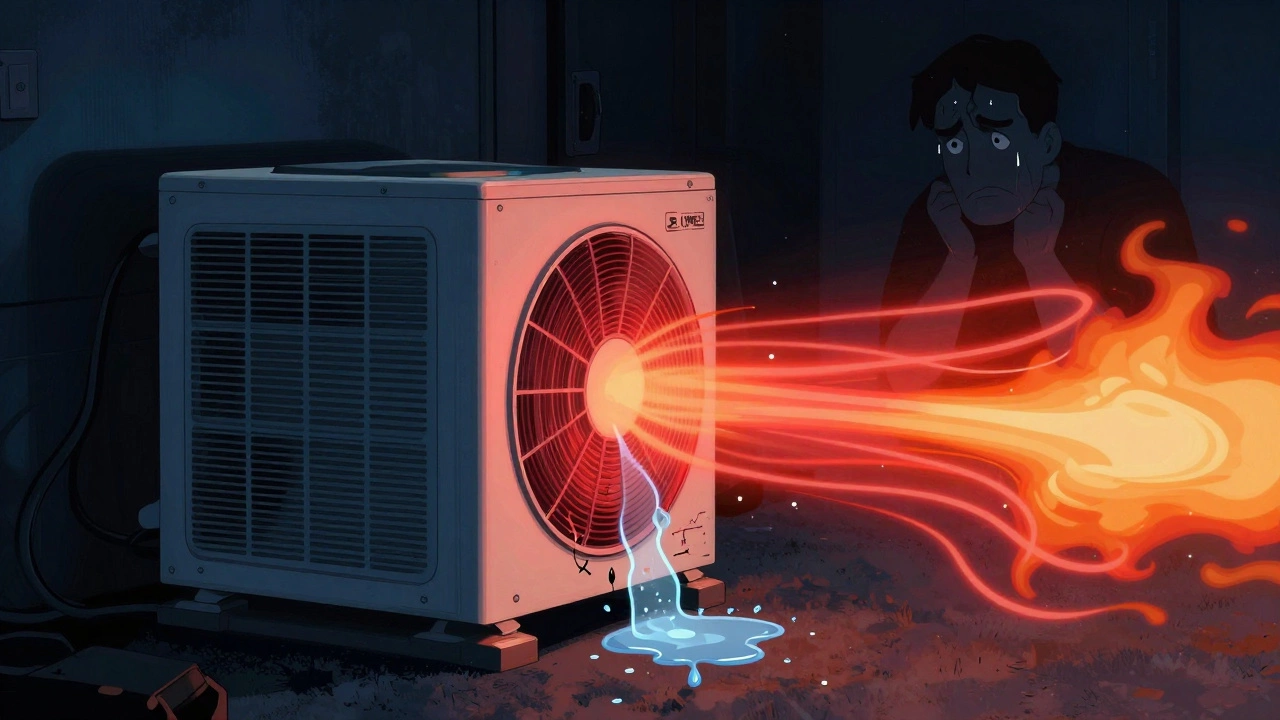
Even dual-hose units need to vent outside. The myth that dual-hose models can work without external venting is wrong. Dual-hose units pull in outside air for cooling the condenser, which makes them more efficient-but they still must exhaust hot air outdoors.
Single-hose units are less efficient to begin with. They pull room air to cool the condenser, then push hot air back out. Without venting, you’re basically running a space heater disguised as an AC.
What If You Can’t Vent Outside?
If you live in a rental, an apartment with no windows, or a room with no easy access to the outside, you have options-but none are perfect.
- Use a dehumidifier. It won’t cool the room, but it reduces sticky, muggy air. Combined with a fan, it can make things feel more comfortable.
- Get a window AC. If you have a window, even a small one, a window unit is more efficient and doesn’t need messy hoses.
- Try an evaporative cooler (swamp cooler). Works well in dry climates like Calgary or Edmonton. It adds moisture to the air while cooling it, but it’s useless in humid places like Vancouver.
- Use ceiling fans and blackout curtains. Simple, cheap, and effective. Block sunlight during the day, run fans at night. It won’t replace AC, but it helps.
There’s no magic solution. If you need real cooling and can’t vent, a portable AC isn’t the right tool for your space.
Long-Term Risks
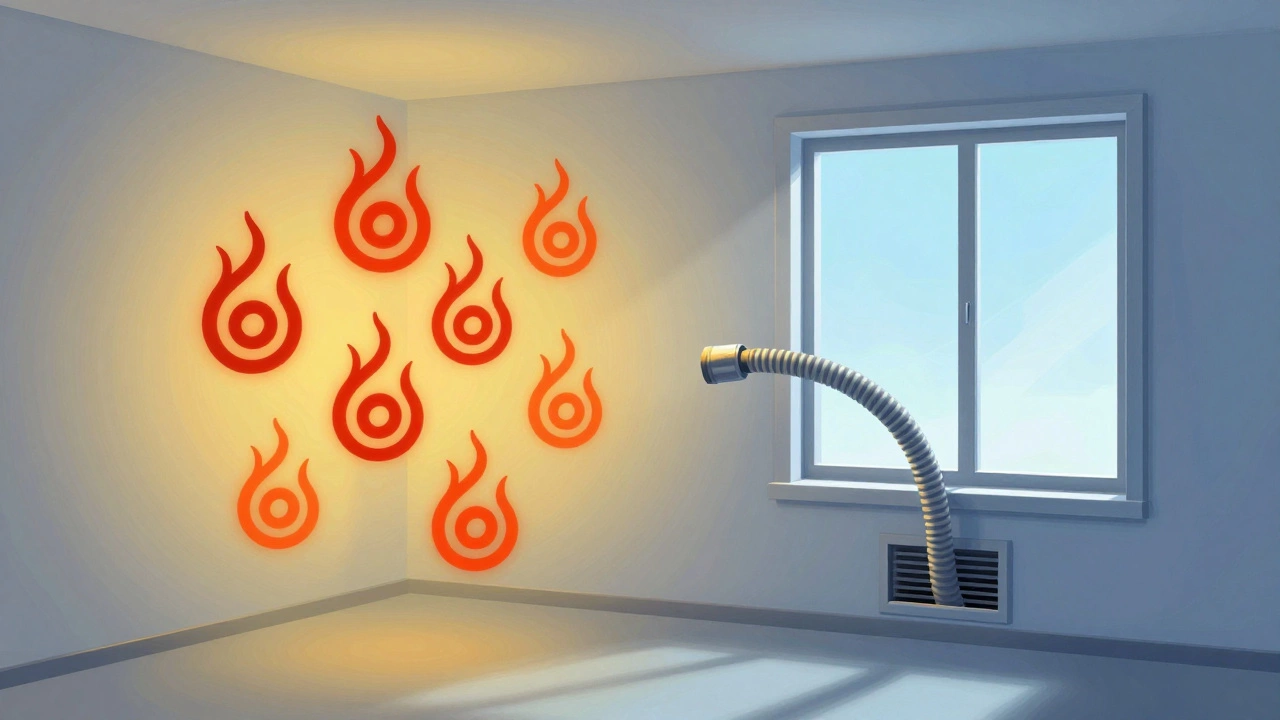
Running a portable AC without venting doesn’t just waste electricity-it damages the unit. The compressor is designed to cycle, not run nonstop. Continuous operation overheats the motor, wears out the bearings, and can melt internal wiring.
One repair technician in Vancouver told me he sees three to four broken portable ACs a month from people who tried to run them without venting. The most common failure? Burnt-out compressors. Replacing one costs $300-$500. The unit itself was $400.
Also, excess moisture from poor venting leads to mold. Mold grows fast in damp, warm spaces. It can show up on walls, behind furniture, or even inside the AC’s internal components. Cleaning mold is expensive. Preventing it is simple: vent outside.
What’s the Best Way to Vent?
Most portable ACs come with a venting kit: a flexible hose and a window panel. Here’s how to do it right:
- Choose the window closest to the AC. The shorter the hose, the better the airflow.
- Use the included window kit. Don’t improvise with towels or cardboard. They leak air and let heat back in.
- Seal gaps with foam tape. Even small leaks reduce efficiency by 15-20%.
- Check the hose every few weeks. Dust and debris can clog it, especially if you have pets or live near trees.
- Don’t kink or crush the hose. It restricts airflow and causes overheating.
Some newer models have smart sensors that alert you if the hose is disconnected. If yours doesn’t, check the temperature difference between the intake and exhaust. If the exhaust air isn’t at least 5°C hotter than the room air, your venting isn’t working.
Bottom Line
You can’t trick a portable air conditioner. It needs to dump heat outside. Skip the vent, and you’re not saving space-you’re wasting money, risking your unit, and making your home less comfortable.
If your space can’t accommodate a vent, reconsider your cooling options. A portable AC isn’t a one-size-fits-all solution. It’s a tool with rules. Follow them, and it works. Ignore them, and it breaks-fast.