
Dishwasher Risk & Value Calculator
Configure Your Potential Purchase
Analysis Result
Based on 2026 reliability data
Enter your details to see if this dishwasher is a good buy or a potential headache.
💡 Expert Recommendation
Provide input to receive a personalized recommendation.
There is nothing quite as frustrating as spending hundreds of dollars on a new appliance only to find it leaves your plates greasy or breaks down within two years. You want an affordable dishwasher that just works, but the market is flooded with models that look great in the showroom and fail miserably in the kitchen. Knowing which machines to stay away from can save you money, time, and a lot of headaches.
We’ve analyzed repair data, customer complaints, and expert reviews to identify the specific types of dishwashers and brands that consistently underperform. This isn’t about hating on big names; it’s about protecting your wallet from known pitfalls. Whether you are replacing an old unit or buying for a first apartment, here is what you need to know before you sign on the dotted line.
The Budget Trap: Why the Cheapest Models Often Cost More
It is tempting to grab the lowest-priced option at the big-box store. After all, why pay $800 when one costs $350? The problem is that ultra-budget dishwashers cut corners in ways that directly impact performance and longevity. These machines often use thinner plastic racks that warp under heat, weaker pumps that struggle with ground-up food, and basic spray arms that miss spots.
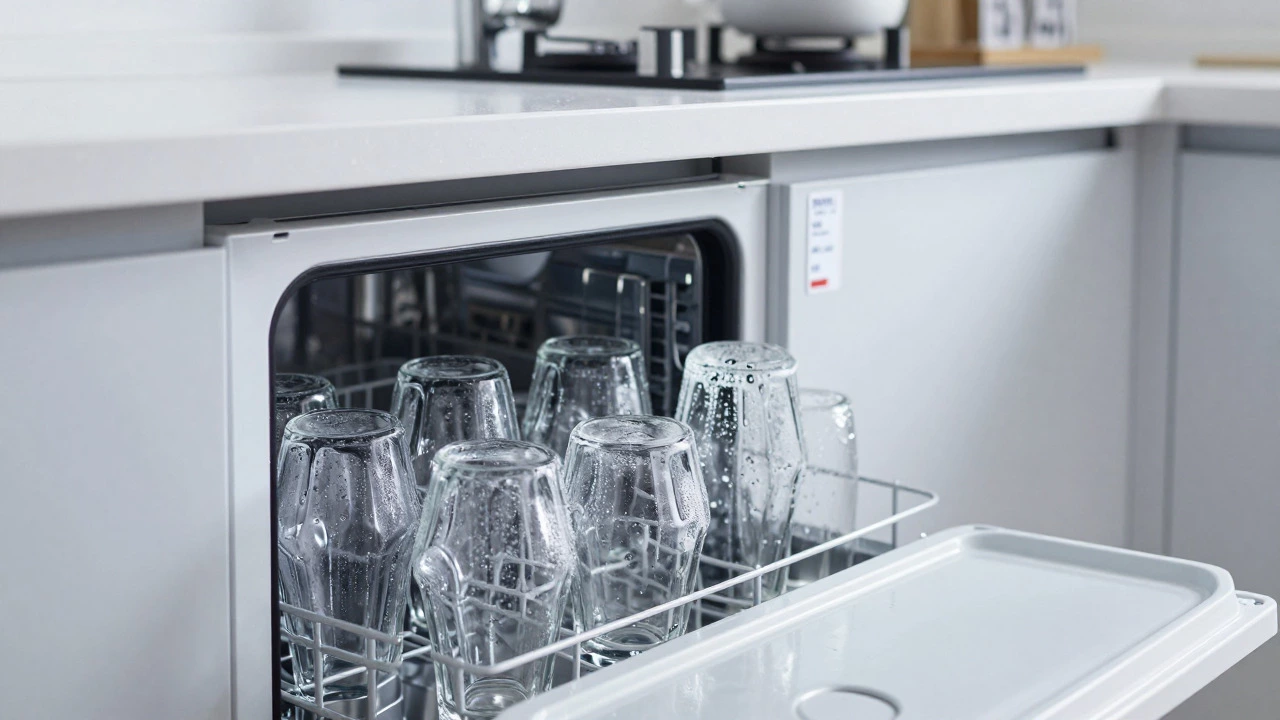
When you buy a dishwasher at the very bottom of the price range, you are usually sacrificing drying technology. Many cheap models rely solely on condensation drying, which leaves glassware wet and cloudy. In humid climates like Vancouver, this means you might have to towel-dry your dishes anyway, defeating the purpose of owning the machine. Look for models with a heated dry option or a fan-assisted system, even if it bumps the price up slightly. The extra cost pays off in convenience and hygiene.
Another red flag in budget models is noise level. If a dishwasher lacks proper insulation, it will sound like a jet engine taking off every night. Check the decibel rating; anything above 50 dB can be disruptive in an open-concept home. Cheap units often skip the double-walled insulation that keeps the noise down.
Brands with Consistent Reliability Issues
While no brand is perfect, some manufacturers have developed reputations for poor quality control and high repair rates. Based on service call data and consumer reports, there are a few names that frequently appear on lists of appliances to avoid.
| Brand/Series | Common Issues | Why It Fails |
|---|---|---|
| Frigidaire Gallery/Professional | Pump failures, door latch issues | Inconsistent build quality across manufacturing plants |
| KitchenAid (Entry-Level) | Drying problems, electronic board failures | Over-reliance on complex electronics without robust hardware backup |
| Samsung (Older Models) | Control panel malfunctions, leakages | Design flaws in water inlet valves and software glitches |
| Whirlpool (Basic Lines) | Poor cleaning performance, noisy operation | Cheap plastic components degrade quickly under heat |
This doesn’t mean every single unit from these brands is bad. However, if you see a pattern of complaints about pump leaks or control boards dying after six months, it is worth considering a more reliable alternative. Brands like Bosch, Miele, and GE Profile tend to have better long-term reliability scores, though they come at a higher upfront cost.
Features That Sound Good But Cause Problems
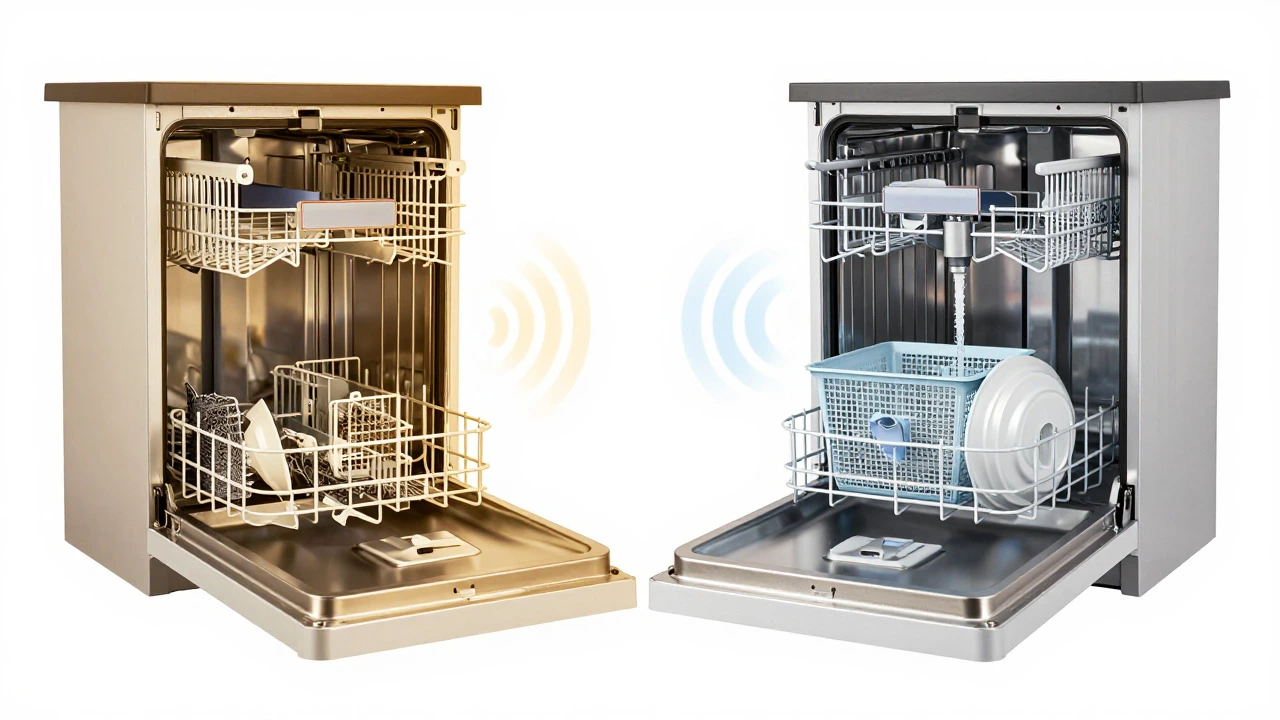
Marketing teams love to add flashy features to make a dishwasher seem advanced. Some of these features actually introduce points of failure or reduce efficiency. Here are three common gimmicks to watch out for.
- Smart Connectivity: Unless you really need to start your wash cycle from your phone, skip Wi-Fi-enabled dishwashers. They add cost, require app updates, and often suffer from connectivity bugs. When the internet goes down, your dishwasher shouldn’t stop working. Simple mechanical controls or basic digital displays are far more reliable.
- Sanitize Cycles with High Heat: While sanitizing sounds appealing, high-heat cycles can warp plastic containers and melt utensil handles. Many modern detergents work effectively at lower temperatures. Instead of relying on extreme heat, look for models with good filtration systems that physically remove food particles.
- Complex Rack Systems: Fancy third racks or adjustable tines sound convenient until you realize they are made of flimsy wire that bends easily. If the rack collapses under the weight of pots and pans, you lose valuable space. Stick to sturdy, stainless steel racks with simple, robust designs.
The Hidden Costs of Poor Design
A dishwasher’s design affects how easy it is to load and clean. Some models have narrow door openings that make it difficult to fit large baking sheets or stockpots. Others have deep tubs that require you to bend over excessively to reach the bottom rack. Ergonomics matter more than you think.
Pay attention to the interior lighting. Without adequate light inside the tub, you might miss dirty spots or leave items behind. Also, check the filter system. Self-cleaning filters sound great, but they often clog faster than manual ones. A removable mesh filter that you rinse under the tap once a week is easier to maintain and keeps the machine running efficiently.
Water pressure compatibility is another overlooked factor. If your home has low water pressure, certain dishwashers may not fill properly, leading to incomplete cycles. Check the manufacturer’s specifications for minimum water pressure requirements. In older homes, this can be a dealbreaker.
How to Spot a Lemon Before You Buy
Before you commit to a purchase, do a little homework. Read recent reviews, not just the five-star ones. Look for patterns in negative feedback. Are people complaining about leaks? Noise? Poor drying? If multiple reviewers mention the same issue, it is likely a systemic problem with that model.
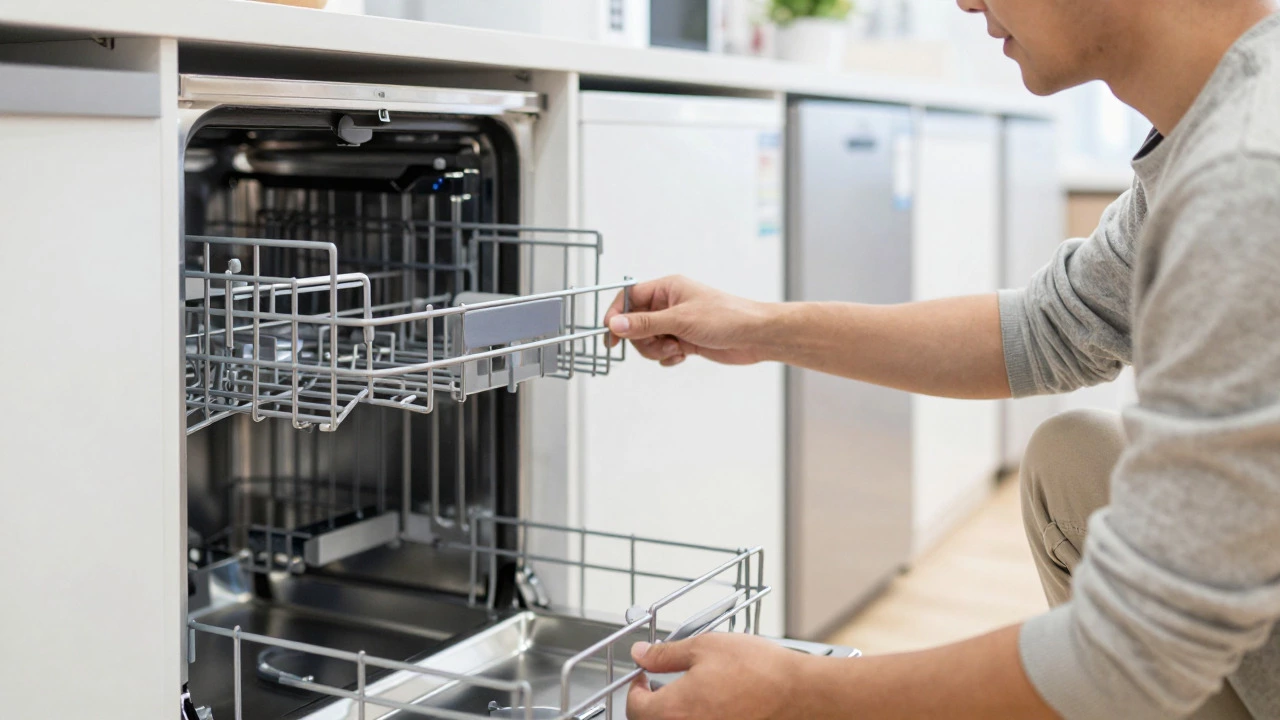
Visit a physical store if possible. Open the door and inspect the interior. Feel the weight of the racks. Push them in and out to see if they glide smoothly. Listen to the motor if the store has demo units running. Trust your instincts-if something feels cheap or flimsy, it probably is.
Consider the warranty. A longer warranty often indicates confidence in the product’s durability. However, read the fine print. Does it cover parts and labor? Is there an annual deductible? Some brands offer extended warranties that are expensive and hard to claim. Stick to reputable manufacturers with straightforward service policies.
Alternatives Worth Considering
If you are looking to avoid the pitfalls mentioned above, there are several reliable alternatives. Mid-range models from Bosch and GE often strike the best balance between price and performance. They offer solid cleaning power, reasonable noise levels, and durable construction without the premium price tag of luxury brands.
For those on a tight budget, consider refurbished units from authorized dealers. These machines have been tested and repaired by professionals, often coming with a limited warranty. You get higher-quality components at a lower price, avoiding the trap of buying a brand-new, low-end model that fails quickly.
Finally, think about your household size and usage habits. A small family might not need a large capacity dishwasher. Choosing a compact model can save energy and water while still meeting your needs. Conversely, if you entertain often, investing in a larger, more powerful unit will pay off in convenience.
Which dishwasher brands have the most complaints in 2026?
In 2026, Frigidaire, KitchenAid entry-level models, and older Samsung series continue to receive significant complaints regarding pump failures, control board issues, and poor drying performance. Whirlpool’s basic lines also face criticism for noise and durability.
Are smart dishwashers worth the extra cost?
Generally, no. Smart features add cost and potential points of failure without significantly improving cleaning performance. Most users rarely use remote start or diagnostic apps. Stick to models with reliable mechanical or basic digital controls for better longevity.
What is the minimum budget for a reliable dishwasher?
To avoid major reliability issues, aim for a minimum budget of $500-$600. Below this price point, manufacturers often cut corners on materials and drying technology, leading to shorter lifespans and poorer performance.
Do self-cleaning filters work well?
Self-cleaning filters can clog more easily than manual mesh filters. Regular rinsing of a manual filter takes less than a minute and ensures optimal water flow and cleaning performance. Many experts recommend models with accessible, removable filters.
Is it better to buy refurbished or new budget models?
Refurbished units from authorized dealers are often a better value. They provide access to higher-quality components and engineering at a reduced price, whereas new budget models may lack durability and effective drying systems.