
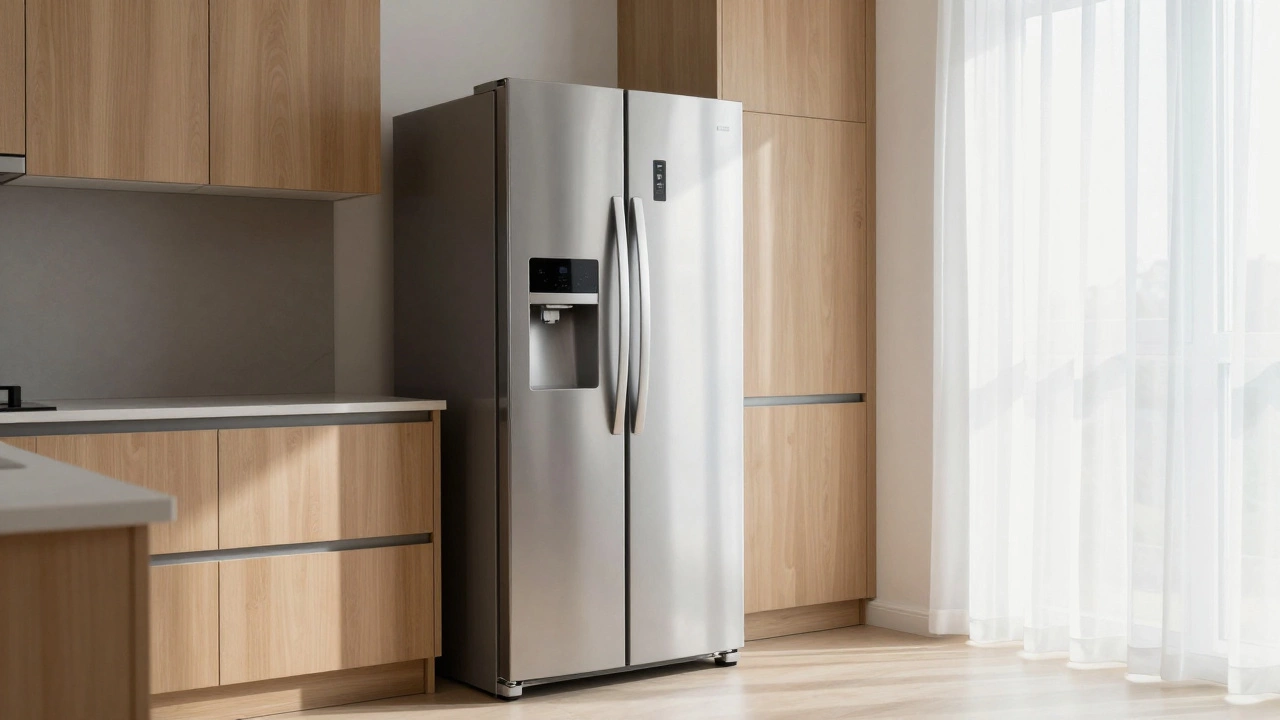
Refrigerator Longevity Estimator
Configure Your Fridge
Estimated Results
Select options and click Calculate to see how long your fridge might last.
You stand in the kitchen aisle, staring at a sleek, stainless-steel monolith. It costs more than your first car. You’re not just buying a box that keeps milk cold; you’re buying peace of mind for the next decade. The question isn’t really about ice makers or smart screens. It’s simple: what brand refrigerator lasts the longest? Because when it dies on a Tuesday night, you aren’t getting a replacement by Wednesday morning.
We’ve analyzed repair data, consumer reports, and technician logs to cut through the marketing noise. Here is the raw truth about which brands actually stick around and which ones are destined for the landfill.
The Heavy Hitters: Brands Built to Outlive Trends
When we talk about longevity, we aren’t talking about five years. We’re talking about fifteen, twenty, even thirty years. In this tier, design matters less than mechanical simplicity. These brands prioritize robust compressors and straightforward cooling systems over flashy features that break easily.
Whirlpool is a cornerstone of American appliance manufacturing known for its consistent build quality and widespread service network. If you walk into any repair shop in North America, the techs know Whirlpool parts inside out. They don’t always win design awards, but they rarely end up on a junk pile early. Their standard top-freezer models are essentially indestructible if you keep them clean.
GE (General Electric), now owned by Haier, maintains a similar reputation. GE appliances are engineered for mainstream reliability. They use standardized components that are easy to source. A GE fridge from 1995 might still be humming in someone’s basement today. The key here is sticking to their core lines. Avoid the overly complex French-door models with integrated water dispensers if maximum lifespan is your only goal.
Then there is Frigidaire, another Electrolux-owned brand that punches above its weight in durability. Frigidaire’s entry-level models are surprisingly tough. They lack the bells and whistles of premium competitors, which ironically makes them last longer. Fewer moving parts mean fewer things to break. For a budget-conscious buyer who wants a "set it and forget it" appliance, Frigidaire is a strong contender.
The Premium Contenders: Quality vs. Complexity
Higher price tags usually promise better materials, but they also introduce complexity. Let’s look at the brands that sit in the mid-to-high range and how they hold up over time.
Samsung has had a turbulent history regarding reliability. Early 2010s models suffered from infamous ice maker failures. However, recent data from 2023-2025 shows a significant improvement. Their newer digital inverter compressors are efficient and quiet. But does efficiency equal longevity? Not always. Samsung fridges are packed with electronics. When a circuit board fails after ten years, is it a $50 fix or a new fridge? That’s the risk with high-tech Korean brands. They look great, perform well initially, but long-term track records are still maturing compared to legacy American brands.
LG offers a compelling middle ground. Their Linear Compressor technology is genuinely innovative, reducing wear and tear compared to traditional piston compressors. LG warranties have improved dramatically, often offering 10-year parts coverage on the compressor. This signals confidence in their core engine. However, LG’s control boards and door-in-door mechanisms can be finicky. If you want a fridge that lasts, buy the simpler LG models. Skip the multi-door gimmicks.
On the luxury end, Bosch brings German engineering precision. Bosch refrigerators are built with higher-grade insulation and quieter fans. They tend to age gracefully, maintaining temperature stability better than mass-market brands. But they come with a caveat: repair costs. When a Bosch breaks, you pay for specialized labor and imported parts. They last long, but keeping them alive is expensive.
The Hidden Champions: Commercial-Grade Resilience
If you truly want an appliance that laughs at time, you need to look outside the residential showroom. Sub-Zero is the gold standard for longevity, but it comes with a staggering price tag-often $10,000 to $20,000+. Sub-Zero uses dual refrigeration systems (separate circuits for fridge and freezer), which prevents odor transfer and reduces strain on the compressor. They are designed to last 20+ years. But do you need commercial-grade durability for a suburban kitchen? Probably not. It’s like buying a tank to drive to the grocery store.
A smarter alternative for those seeking extreme durability is looking at Viking or Wolf. These brands share platforms with Sub-Zero and offer similar robustness. They are overkill for most households, but if money is no object and you want a fridge that outlives your house, these are the names to remember.
Features That Kill Lifespan: What to Avoid
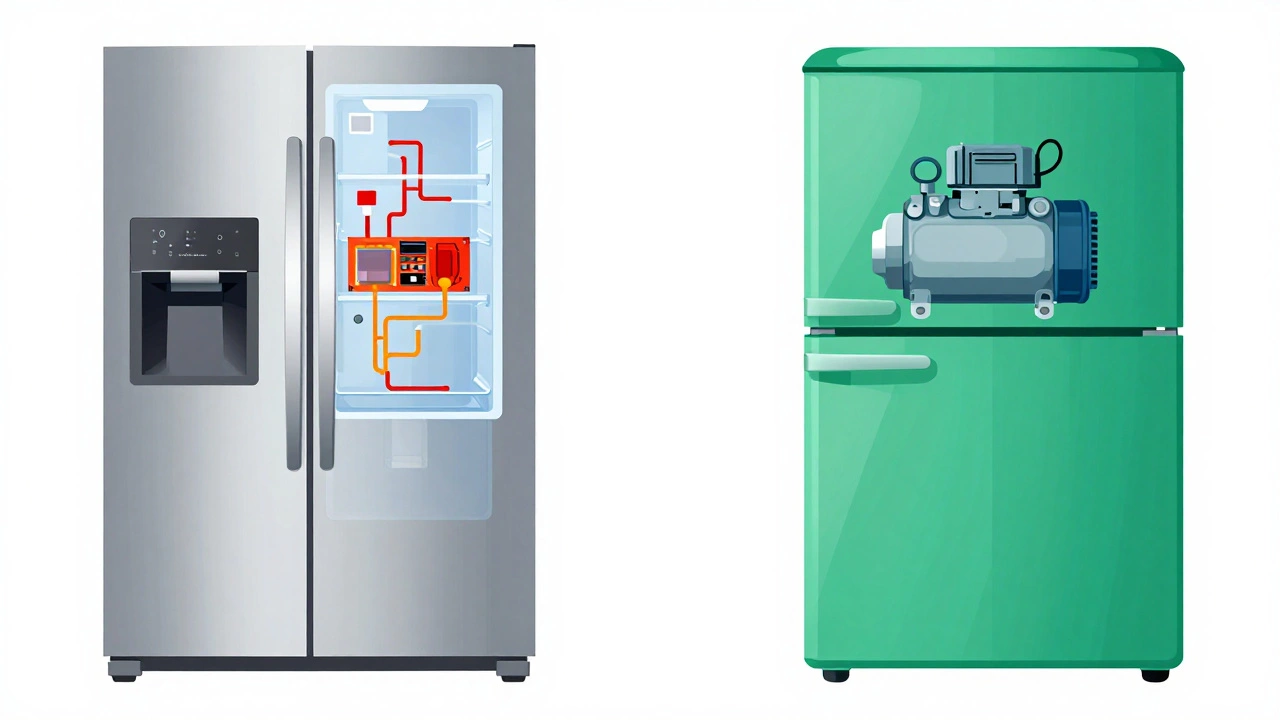
Your choice of brand matters, but your choice of features matters more. Some components are inherently fragile. If longevity is your priority, steer clear of these:
- Ice Makers: This is the number one point of failure in modern refrigerators. Water lines clog, motors burn out, and sensors glitch. A fridge without an ice maker will almost always outlast one with it.
- Water Dispensers: Similar to ice makers, these involve plumbing, valves, and electronic controls inside the door. Leaks and freezing issues are common.
- Smart Screens: Touchscreens and Wi-Fi modules become obsolete faster than the compressor. A smart fridge from 2018 is likely a dumb fridge today because the software support ended. The screen doesn’t make the food colder; it just adds a potential failure point.
- French Door Styles: While convenient, the bottom freezer drawer mechanism is complex. Rollers break, tracks jam, and seals fail more often than in top-freezer or side-by-side models.
The simplest configuration-a top-freezer model with manual defrost or basic automatic defrost, no ice maker, no dispenser-is statistically the most durable appliance you can buy.
Maintenance: The Real Secret to Longevity
Even a Whirlpool or Sub-Zero will die prematurely if neglected. Most "broken" fridges are actually just dirty or poorly maintained. Here is how to double the life of any brand:
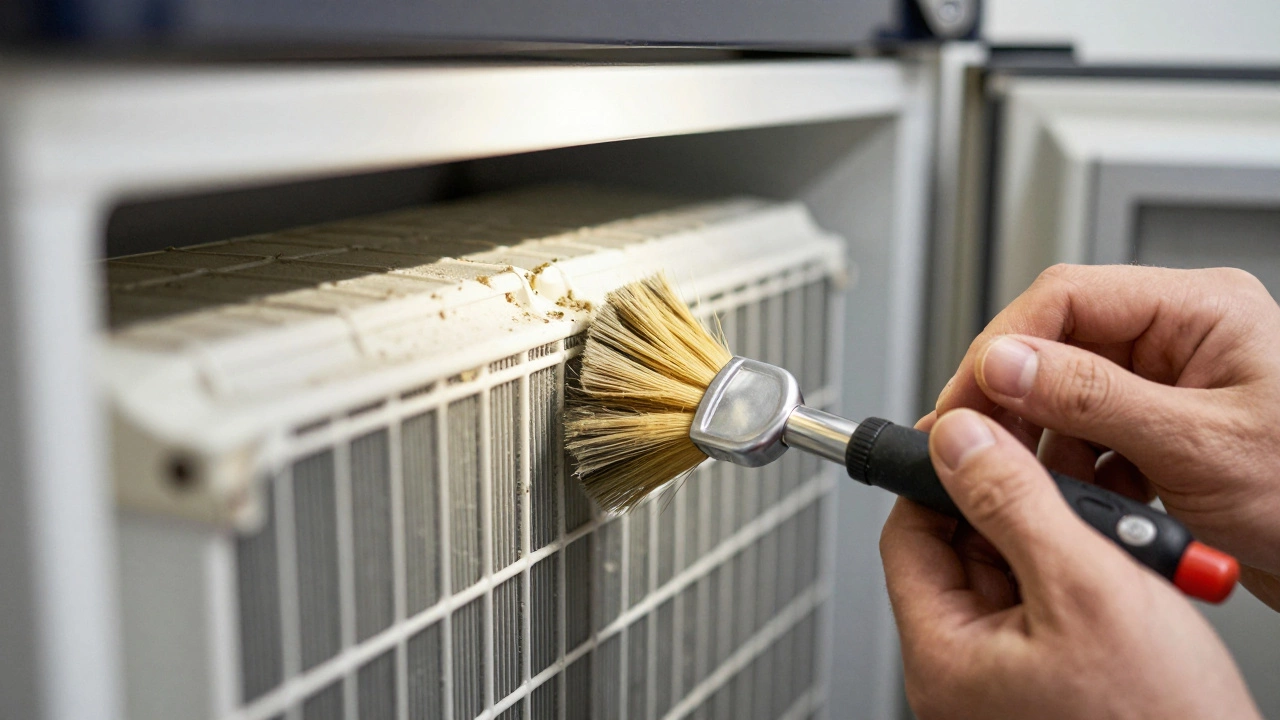
- Clean the Condenser Coils: Located on the back or bottom front, these coils dissipate heat. If they are covered in dust and pet hair, the compressor works overtime. Clean them every six months with a brush or vacuum. This single step can add years to your fridge’s life.
- Check Door Seals: Close the door on a dollar bill. If it slips out easily, your seal is worn. Warm air enters, the compressor runs constantly, and energy bills spike. Replace gaskets every few years.
- Keep it Level: An uneven fridge puts stress on hinges and doors. Use a level to adjust the feet. Proper alignment ensures doors close tightly and shelves don’t slide.
- Don’t Overstuff: Air needs to circulate. Blocking vents with Tupperware forces the fan to work harder and causes uneven cooling.
- Replace Filters: If your fridge has a water filter, change it as recommended. A clogged filter restricts flow, straining the water inlet valve.
Comparison Table: Reliability at a Glance
| Brand | Avg. Lifespan | Repair Cost | Best For |
|---|---|---|---|
| Whirlpool | 14-18 years | Low | Reliability seekers |
| GE | 13-17 years | Low-Medium | Mainstream families |
| Frigidaire | 12-16 years | Low | Budget buyers |
| Samsung | 10-14 years | Medium-High | Tech enthusiasts |
| LG | 11-15 years | Medium | Efficiency focus |
| Bosch | 15-20 years | High | Premium users |
| Sub-Zero | 20+ years | Very High | Luxury kitchens |
Warranty vs. Reality
Don’t confuse warranty length with product lifespan. Many brands offer 5-year or even 10-year warranties on specific parts like compressors. This is a legal obligation, not a guarantee of performance. A fridge can last 15 years but have a faulty thermostat at year 6. The warranty covers the part, but you still deal with the hassle of service calls. Look at independent repair statistics, not just the fine print on the box.
Also, consider the availability of parts. Older Whirlpool and GE models have parts available for decades. Newer niche brands may discontinue components after a few years, forcing you to replace the entire unit even if only one sensor failed.
Final Verdict: Which One Should You Buy?
If you want the absolute longest-lasting refrigerator without breaking the bank, buy a Whirlpool or GE top-freezer model. No ice maker, no water dispenser, no smart screen. Just cold storage. It’s boring, yes. But it will likely outlast your marriage, your job, and possibly your current home.
If you need style and space, go with a Bosch or a simplified LG French-door model. Accept that maintenance will be slightly higher, but the build quality is solid.
Avoid chasing the latest trends. The fridge that looks cool in 2026 might be a e-waste headache in 2030. Stick to the basics, choose a proven brand, and maintain it properly. That’s the real secret to longevity.
How many years should a refrigerator last?
The average lifespan of a modern refrigerator is between 10 and 15 years. However, simpler models from brands like Whirlpool or GE can easily reach 18 to 20 years with proper maintenance. High-end brands like Sub-Zero are designed to last 20+ years.
Is Samsung or LG more reliable for refrigerators?
Both brands have improved significantly in recent years. LG generally has a slight edge in compressor reliability due to its Linear Compressor technology. Samsung has resolved many early ice maker issues but still faces criticism for complex electronic failures. For pure longevity, neither beats traditional American brands like Whirlpool.
Do ice makers reduce the lifespan of a refrigerator?
Yes, significantly. Ice makers and water dispensers are the most common points of failure in refrigerators. They involve water lines, motors, and heaters that can freeze, leak, or burn out. Removing these features simplifies the machine and extends its overall life.
What is the most durable refrigerator style?
Top-freezer models are the most durable. They have the simplest mechanics, fewer doors to seal, and less complex shelving systems. Side-by-side and French-door models have more moving parts and electronic controls, increasing the chance of breakdowns.
Should I buy a used refrigerator for better value?
Only if you know its history. Used fridges carry risks of hidden compressor wear or mold in seals. If buying used, stick to reputable brands like Whirlpool or GE and inspect the coils and seals thoroughly. Generally, a new basic model is safer than a used premium one.