
Robot Vacuum Suitability Calculator
Answer these questions based on your home setup to see if a robot vacuum fits your needs.
Suitability Score
--
--
Analysis Breakdown
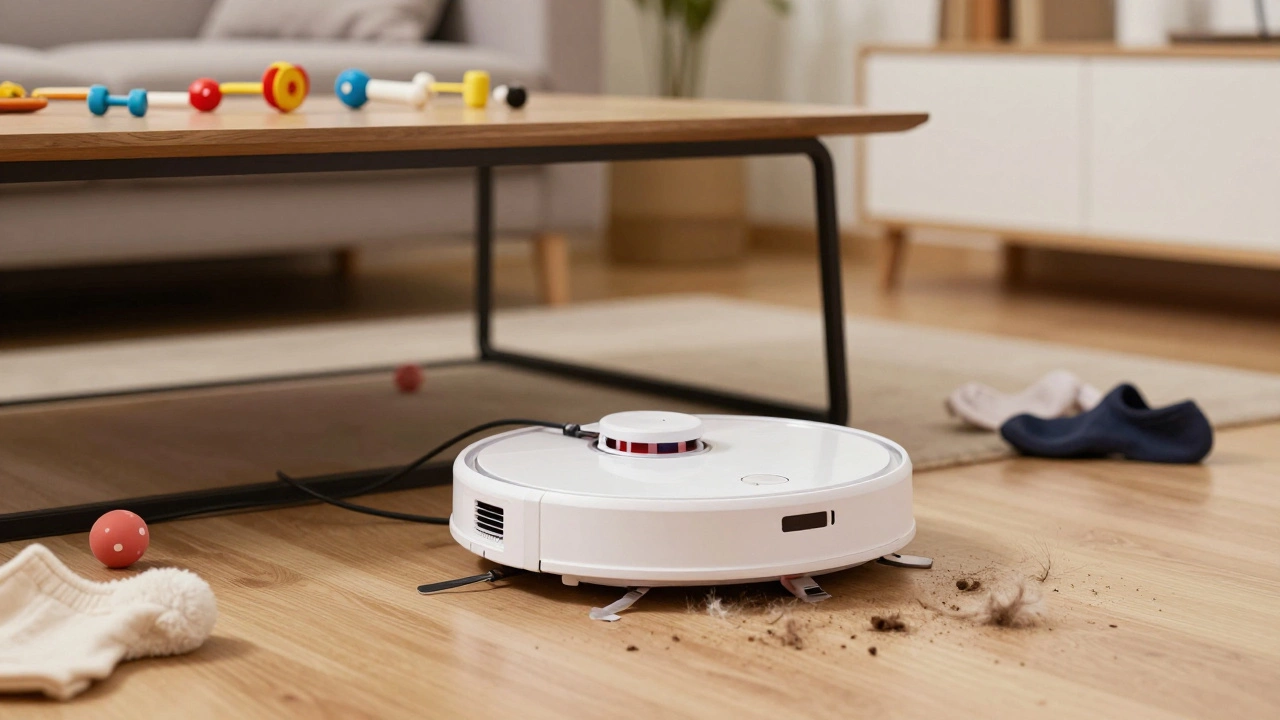
Picture this: You come home after a long day, expecting your floors to be spotless because you scheduled the robot vacuum is an autonomous cleaning device that navigates floors using sensors and algorithms to remove dirt and debris. It promises hands-free maintenance and consistent floor care. to run while you were at work. Instead, you find it tangled in a charging cable, stuck under the couch, or having just pushed a pile of dog hair from one corner to another. The dream of effortless cleaning hits a snag with reality.
Robot vacuums have exploded in popularity over the last few years. They are marketed as the ultimate convenience gadget for busy households. But if you’ve ever owned one, you know they aren’t magic wands. They have distinct weaknesses that can frustrate even the most tech-savvy users. Before you spend hundreds of dollars on automation, it helps to understand exactly where these machines fall short.
The Navigation Struggle: Getting Stuck and Missing Spots
The biggest complaint people have isn’t about suction power; it’s about intelligence. While high-end models use LiDAR (Light Detection and Ranging) to map your home perfectly, many mid-range and budget options still rely on random bouncing or basic cliff sensors. This leads to the classic "dumb robot" behavior.
You might wake up to find your vacuum trapped under a low-hanging lampshade, wedged between two chairs, or spinning endlessly around a rug fringe. These devices lack the contextual understanding of human cleaners. They don't know that a loose toy on the floor is an obstacle to avoid, not a wall to push against. Even with advanced mapping, thin cables, dark rugs that mimic cliffs, and cluttered entryways remain major pain points. If your home is messy, a robot vacuum often becomes part of the mess rather than the solution.
Suction Power vs. Deep Cleaning Needs
Let’s talk about raw power. A standard upright vacuum cleaner typically offers between 100 and 200 air watts of suction. Most robot vacuums, even premium ones, hover between 20 and 60 air watts. This difference matters more than you think.
For daily maintenance-picking up dust bunnies, pet hair, and crumbs-a robot vacuum is sufficient. But if you have deep-pile carpets, heavy debris like cereal spills, or embedded dirt, the robot will struggle. It acts more like a broom than a vacuum. It sweeps surface-level dirt but rarely extracts what’s settled into the fibers. Many owners find themselves needing to run a traditional stick or canister vacuum weekly anyway, which defeats the purpose of buying the robot for total freedom from cleaning.
The Maintenance Burden: Emptying Bins and Cleaning Brushes
One myth is that robot vacuums are zero-maintenance. In reality, they require frequent attention. Because their dustbins are small-usually holding only 0.3 to 0.5 liters-you’ll need to empty them after every single cleaning session. For larger homes, this could mean emptying it twice or three times in one go.
Then there’s the brush roll. Hair, threads, and lint wrap tightly around the main brush and side brushes. If you don’t cut this out regularly, the motor strains, suction drops, and the battery drains faster. Some newer models feature self-emptying docks, which solve the bin issue, but they introduce new costs: proprietary dust bags that need replacing every two to three months. Plus, the dock itself needs wiping down. It shifts the chore from vacuuming to managing the robot’s hygiene.

Noise Levels and Battery Limitations
If you live in an apartment or share a home with light sleepers, noise is a significant factor. Robot vacuums aren’t silent. In turbo mode, they can reach 65 to 75 decibels, comparable to a normal conversation or a running dishwasher. Running it while you’re watching TV or trying to work from home can be distracting.
Battery life is another constraint. Most units offer 90 to 120 minutes of runtime on a full charge. For homes larger than 1,500 square feet, this means the robot must return to its dock to recharge before finishing the job. While "resume cleaning" features exist, they add time to the process. A clean that should take 45 minutes might stretch to two hours including recharging. If you need a quick clean before guests arrive, waiting for the robot to finish its multi-stage cycle isn’t always practical.
Cost and Value Proposition
A decent robot vacuum starts around $300. High-end models with mopping capabilities, self-emptying bases, and advanced AI navigation easily exceed $800 to $1,200. When you factor in replacement filters, brushes, and dust bags, the annual cost adds up.
Compare this to a high-quality cordless stick vacuum, which costs similar money but offers superior suction, longer battery life, and versatility for stairs, upholstery, and ceilings. The robot vacuum excels at consistency, not performance. If your goal is a visibly deeper clean, the investment might not yield the expected return. It’s a luxury of convenience, not a necessity for cleanliness.
| Feature | Robot Vacuum | Stick Vacuum |
|---|---|---|
| Suction Power | Low to Moderate (20-60 AW) | High (100-200+ AW) |
| Maintenance Frequency | Daily (empty bin, check brushes) | Weekly (empty bin) |
| Navigation Intelligence | Varies (Random to LiDAR) | Human-guided |
| Stair Cleaning | Impossible | Possible (with effort) |
| Initial Cost | $300 - $1,200+ | $200 - $600 |
Floor Type Limitations
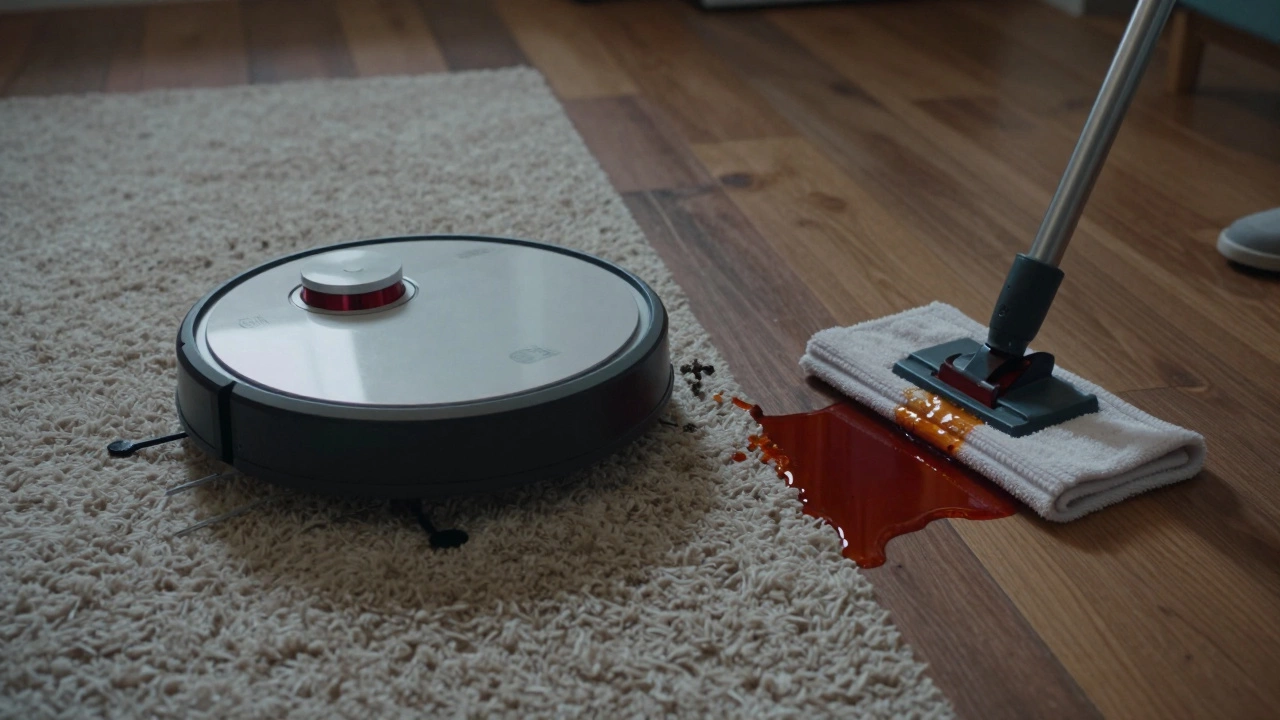
Robot vacuums shine on hard surfaces like hardwood, tile, and laminate. However, their effectiveness drops significantly on plush carpets. The narrow wheels and low clearance make it hard for them to gain traction on thick piles. They may slip, get stuck, or simply fail to lift debris from deep within the carpet fibers.
Mopping functions, now common in hybrid models, are also limited. They drag a damp microfiber cloth across the floor. This works for light dust smudges but won’t tackle sticky spills, dried sauce, or grease. In fact, using a mop pad on a wet spill can spread the mess further. True mopping requires pressure and scrubbing, which robots cannot provide.
Security and Connectivity Concerns
Modern robot vacuums connect to Wi-Fi and apps. This allows remote control and scheduling, but it also introduces security risks. Like any IoT (Internet of Things) device, they can be vulnerable to hacking if passwords are weak or firmware is outdated. There have been instances where users discovered their cameras-equipped vacuums streaming footage without consent. Even without cameras, data privacy concerns arise regarding the detailed maps of your home’s layout being stored on cloud servers.
Who Should Avoid Robot Vacuums?
Based on these negatives, certain households should think twice before buying:
- Cluttered Homes: If toys, cords, and shoes are frequently left on the floor, the robot will struggle constantly.
- Multi-Level Homes: Robots cannot climb stairs. You’d need multiple units for each floor, drastically increasing the cost.
- Deep Carpet Owners: If you prioritize deep cleaning over convenience, a powerful upright vacuum is better.
- Budget-Conscious Buyers: The ongoing cost of accessories and potential repairs makes it a pricey hobby rather than a simple tool.
Do robot vacuums actually save time?
Yes, but only for daily maintenance. They eliminate the need to manually vacuum high-traffic areas every day. However, you still need to perform deep cleans with a traditional vacuum weekly, and you must manage the robot's maintenance (emptying bins, untangling hair). So, they reduce frequency, not necessarily total effort.
Are robot vacuums good for pet hair?
They are excellent for picking up loose pet hair from hard floors and low-pile rugs. However, the brush rolls clog quickly with hair, requiring frequent manual cleaning. If you have shedding dogs or cats, expect to cut hair off the brush almost daily unless you buy a model with anti-tangle technology.
Can robot vacuums replace a regular vacuum entirely?
No. Due to lower suction power and inability to clean stairs, upholstery, or corners effectively, they cannot fully replace a traditional vacuum. Think of them as a supplement that keeps floors tidy between deep cleans, not a complete substitute.
Why do robot vacuums get stuck so often?
They get stuck due to obstacles they cannot recognize or navigate around, such as thin wires, dark rugs (which sensors mistake for cliffs), furniture legs with small gaps, and clutter. Higher-end models with LiDAR and camera navigation handle this better, but no robot is perfect in a messy environment.
Is the self-emptying base worth the extra cost?
If you hate emptying small dustbins daily, yes. The base automatically sucks dirt from the robot into a larger bag, reducing maintenance to once every 1-2 months. However, it increases the upfront price by $200-$300 and adds recurring costs for proprietary dust bags.