
Kettle Water Safety & Taste Checker
Enter your situation below to see the risk level for health, taste quality, and maintenance impact.
Fill out the form and click "Check Status" to see results.
You just got home late, exhausted. The last thing you want to do is empty the electric kettle before crashing into bed. So you leave it be. The next morning, you glance at that cloudy water sitting inside and wonder: is this okay? Will it ruin the kettle? Is it safe to drink?
The short answer is yes, you can leave water in your kettle overnight without turning your kitchen into a science experiment gone wrong. But there are some annoying side effects you should know about, especially if you care about taste or keeping your appliance clean for years.
The Real Risks of Stagnant Water
Leaving water in an electric kettle isn't dangerous in the way leaving milk out is. You won't get sick from drinking it after eight hours. However, stagnation changes the water's chemistry and physical state in ways that affect both the machine and your coffee.
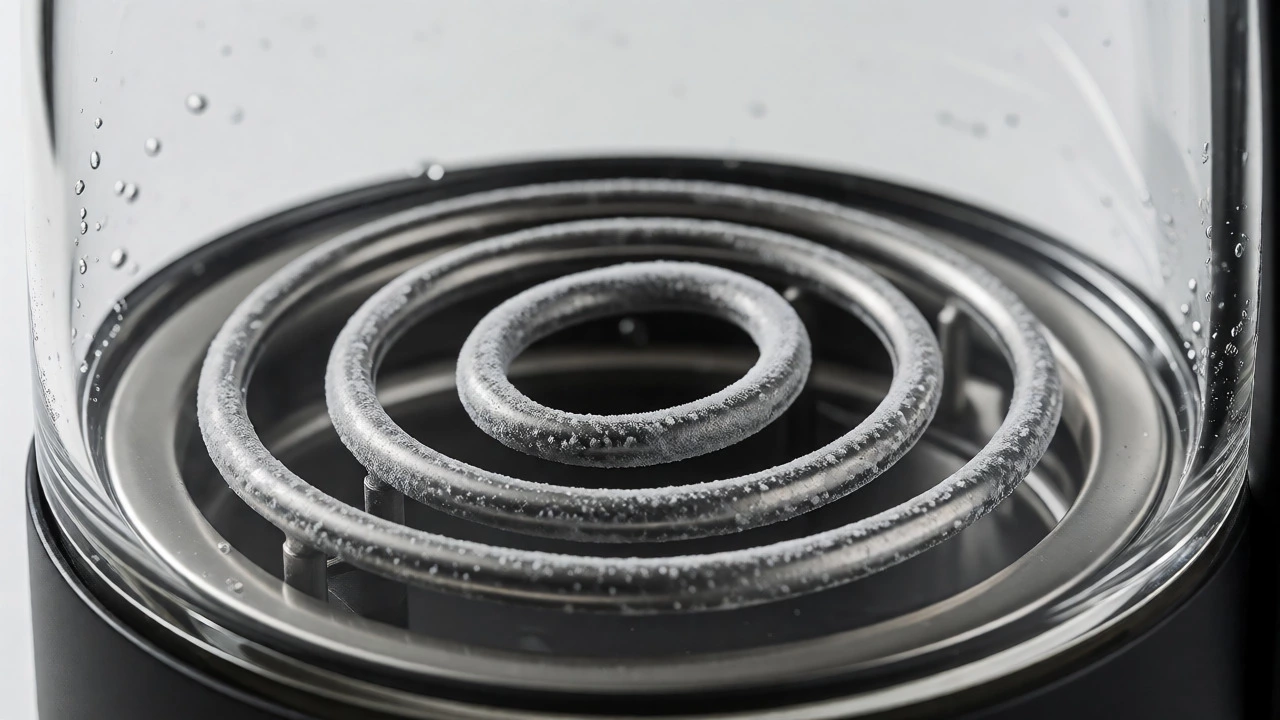
First, let's talk about limescale. If you live in Vancouver or anywhere with hard water, you know the struggle. Hard water contains high levels of dissolved minerals, primarily calcium and magnesium. When water sits in the kettle, even at room temperature, these minerals don't disappear. They might not crystallize as fast as they do when boiled repeatedly, but the longer the water sits, the more opportunity those minerals have to settle on the heating element or the inner walls. Over time, this builds up a crusty white residue that insulates the heating element, making your kettle work harder and slower.
Second, there's the issue of bacterial growth. Tap water is treated with chlorine or chloramine to keep it safe in the pipes. Once that water is heated and then cooled, the disinfectants evaporate or break down. While a clean kettle doesn't create a perfect breeding ground for bacteria overnight, stagnant water left for days can develop a biofilm. This is a slimy layer of microorganisms. For one night? Negligible. For a week? You're basically drinking pond water.
Does It Affect the Taste?
This is where most people notice the difference. Water has a "shelf life" once it's exposed to air. Oxygen dissolves into the water, and carbon dioxide from the atmosphere mixes in, slightly lowering the pH and making the water taste flat or metallic. If you brew tea or coffee with water that sat in the kettle for ten hours, you'll likely notice it lacks that crisp, fresh quality.
Tea enthusiasts are particularly sensitive to this. Delicate green teas and white teas rely on pure, oxygen-rich water to extract the right flavors. Stale water can make them taste dull or overly bitter. If you're just boiling water for instant noodles or a strong dark roast coffee, you might not care. But if you're trying to appreciate the nuances of a single-origin pour-over, use fresh water every time.
Kettle Material Matters
Not all kettles react the same way to sitting water. The material of your kettle interior plays a huge role in how well it handles overnight storage.
| Material | Limescale Resistance | Taste Retention | Maintenance Effort |
|---|---|---|---|
| Stainless Steel | Moderate | Good (if cleaned) | Low-Medium |
| Glass | High Visibility | Excellent | Medium |
| Plastic/BPA-Free | Low | Poor (can absorb odors) | High |
| Ceramic | High | Neutral | Low |
Stainless steel is the industry standard for a reason. It’s durable and resistant to corrosion. Leaving water in it overnight won’t rust it unless the seal is broken or it’s low-quality steel. However, visible scale marks can be annoying. Glass kettles are great because you can see exactly what’s happening. If you see cloudiness, you know it’s time to clean. Plastic kettles are the worst offenders for overnight storage. They tend to retain smells and tastes. If you’ve ever had a plastic container that smelled like yesterday’s soup, you know the vibe. That smell transfers to the water.
The "Boil Twice" Myth
You’ve probably heard that reboiling water concentrates harmful chemicals like arsenic or nitrates. Let’s debunk that. Yes, technically, when water evaporates, the concentration of non-volatile substances increases. But we’re talking about tiny amounts. To reach a level where arsenic becomes a health concern, you’d need to boil the same liter of water down to a few milliliters over several days. Leaving it overnight and boiling it again the next morning changes the concentration by less than 1%. It’s statistically irrelevant for your health.
What actually happens is that reboiling depletes dissolved gases. Fresh tap water has air bubbles in it. Boiling drives them out. Reboiling drives out whatever little remains. This affects the mouthfeel, making the water feel "heavier" or flatter, but it doesn't make it toxic.
Best Practices for Morning Efficiency
If you’re lazy (like me) and prefer to set up your kettle at night, here’s how to do it without sacrificing quality:
- Use filtered water: If you fill the kettle with filtered water, there are fewer minerals to precipitate out overnight. This reduces scale buildup significantly.
- Keep the lid closed: An open kettle allows dust and airborne particles to settle into the water. Keep the lid shut to maintain cleanliness.
- Empty if possible: If you have five seconds, dump the water out. It takes no effort and prevents any mineral settling. Refill it in the morning.
- Wipe the base: Ensure the exterior base is dry before placing it back on the heating element to prevent electrical issues or mineral stains on the counter.
Living in Vancouver, I deal with moderate hardness water. My routine? I fill the kettle at night for convenience, but I always run a quick boil-and-dump cycle once a week with vinegar or citric acid to keep the element spotless. If I forget to empty it, I don’t panic. I just give it a quick rinse before refilling.
When You Should Definitely Empty It
There are specific scenarios where leaving water overnight is a bad idea:
- You’re going away: If you’re leaving for a weekend trip, empty the kettle. Standing water for 48+ hours invites algae spores and significant bacterial growth.
- You have a plastic kettle: As mentioned, plastic absorbs tastes. Old water makes new water taste weird.
- You see slime: If the water looks cloudy or feels slippery, dump it and wash the kettle. Don’t try to salvage it.
- You’re brewing delicate tea: If you’re making a $50 bag of Pu-erh or a delicate Darjeeling, use fresh water. The difference in flavor is worth the extra minute.
Final Verdict
So, should you leave water in a kettle overnight? Physically, it’s fine. Chemically, it’s mostly fine. Practically, it’s a trade-off between convenience and peak performance. If you prioritize speed and don’t mind a slight dip in water freshness, leave it. If you prioritize taste and longevity of your appliance, empty it.
Your kettle is a tool, not a museum piece. Use it how it fits your life. Just remember to descale it regularly-every 1-3 months depending on your water hardness-and you’ll never have to worry about whether you emptied it last night.
Is it safe to drink water that has been in a kettle overnight?
Yes, it is generally safe to drink water that has been in a clean kettle overnight. While bacteria can grow in stagnant water, the amount present after 8-12 hours is typically negligible for healthy adults. However, the taste may be flat due to loss of dissolved oxygen, and mineral content may settle, affecting clarity.
Does leaving water in the kettle cause limescale?
Leaving water in the kettle does contribute to limescale buildup, though boiling accelerates it much faster. Minerals like calcium and magnesium remain in the water and can adhere to the heating element or walls over time. Regular cleaning is recommended regardless of whether you empty the kettle daily.
How often should I descale my electric kettle?
You should descale your electric kettle every 1 to 3 months, depending on your local water hardness. In areas with hard water, monthly descaling is advisable. Signs that you need to descale include slow boiling times, loud popping noises during boiling, or visible white crust on the heating element.
Can reboiling water make me sick?
No, reboiling water will not make you sick. The myth that reboiling concentrates toxins like arsenic or nitrates to dangerous levels is exaggerated. The change in concentration is minimal unless you boil the water down to almost nothing. The main downside is a change in taste due to reduced dissolved gases.
Which kettle material is best for leaving water overnight?
Stainless steel and glass are the best materials for leaving water overnight. Stainless steel is durable and easy to clean, while glass allows you to monitor water clarity. Avoid plastic kettles if you plan to leave water standing, as plastic can absorb odors and impart a stale taste to the water.