
Shark Vacuum Matchmaker
Tell Us About Your Home
Adjust the settings and click "Find My Best Match" to see which Shark vacuum fits your needs.
It’s frustrating when you spend good money on a vacuum only to watch dust and pet hair slide right past the brush roll. You want a machine that actually pulls dirt out of carpet fibers, not just pushes it around. If you are shopping for a Shark vacuum, you likely know the brand for its clever engineering and aggressive pricing. But with so many models-corded canisters, stick vacuums, robot hybrids-it is hard to tell which one truly has the most powerful suction.
The short answer? It depends on whether you need raw power for deep carpets or agile power for quick cleanups. For pure, unadulterated suction force, the corded Shark Navigator Lift-Away series remains the king. However, if you need cordless convenience without sacrificing too much performance, the Shark Stratos AI and Azure Elite lines lead the pack in 2026. Let’s break down exactly where the power comes from and which model fits your specific cleaning nightmare.
Understanding Shark’s Suction Technology
Before picking a model, you need to understand how Shark measures and delivers power. Unlike some brands that hide behind vague marketing terms, Shark uses specific metrics like Air Watts (AW) and provides clear distinctions between their motor types. The core of any Shark vacuum’s performance lies in its digital cyclonic technology. This system separates dust and debris from the air stream before it reaches the filter, preventing clogs that usually kill suction power over time.
Shark divides its lineup into two main categories based on power source and intensity:
- Corded Models: These plug directly into the wall, allowing for larger, more powerful motors that don’t have to worry about battery drain. They consistently deliver higher sustained suction.
- Cordless Models: These rely on lithium-ion batteries and smaller, high-RPM digital motors. While lighter, they generally offer less peak suction than their corded counterparts, though the gap has narrowed significantly in recent years.
When comparing suction, look for "MultiFLEX" or "DuoClean" brush heads. These aren't just gimmicks; they ensure the suction channel stays open and efficient regardless of floor type. A vacuum with great suction but a poor brush head will still leave debris behind.
The Corded Powerhouse: Shark Navigator Lift-Away
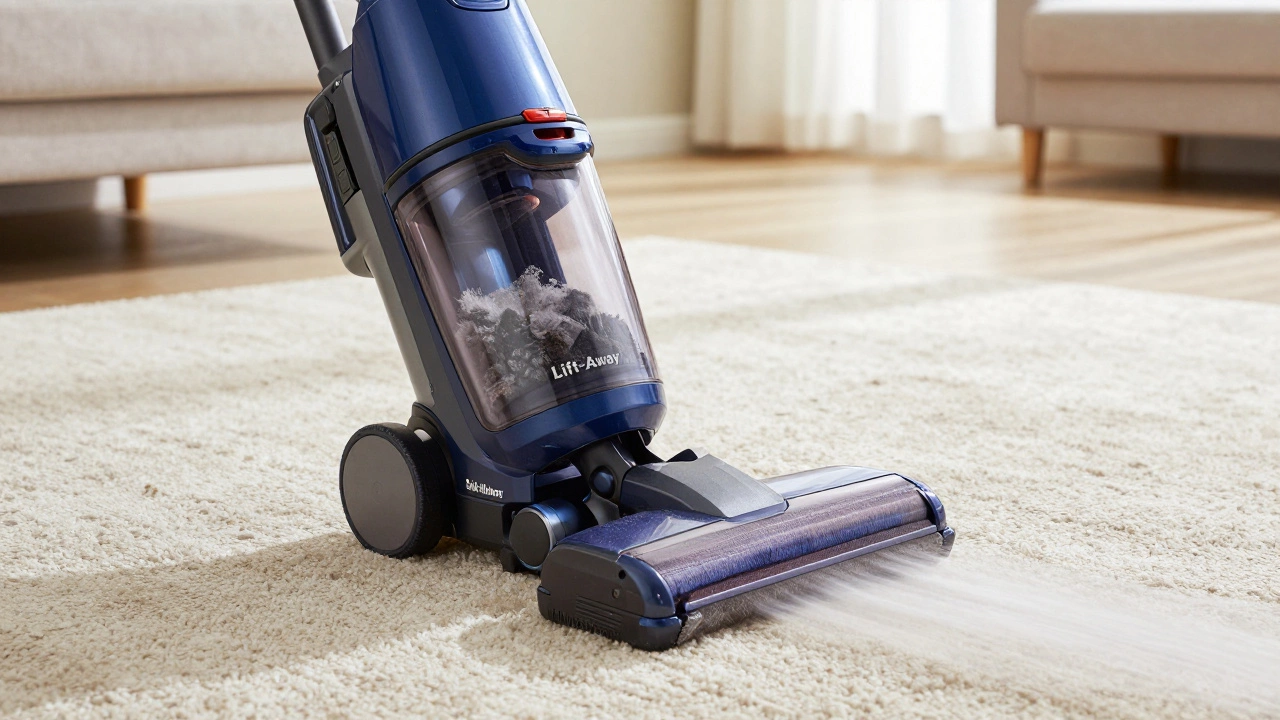
If you live in a house with thick pile carpets, heavy furniture, or lots of embedded dirt, nothing beats the corded Shark Navigator. Specifically, the NV360 and the newer NV701 models are built for brute force. Because they are plugged in, they can maintain maximum suction indefinitely. There is no "boost mode" that drains the battery in ten minutes. You get consistent, relentless pulling power from start to finish.
The "Lift-Away" feature allows you to detach the canister to clean stairs, upholstery, or under beds without losing that high suction pressure. The anti-allergen complete seal technology ensures that what gets sucked up stays trapped inside the bagless bin, rather than blowing back out into the air. For pure cleaning efficacy on tough messes, this is the benchmark.
The Cordless King: Shark Stratos AI vs. Azure Elite
Most people today prefer cordless vacuums for their ease of use. In this category, the competition for the title of "most powerful" is fierce between the Shark Stratos AI and the Shark Azure Elite. Both represent the pinnacle of Shark’s 2026 cordless technology, but they serve slightly different needs.
| Model | Suction Power (Air Watts) | Key Feature | Best For |
|---|---|---|---|
| Shark Stratos AI | ~140 AW (Boost Mode) | Self-Cleaning Brushroll & AI Detection | Homes with pets and mixed flooring |
| Shark Azure Elite | ~135 AW (Boost Mode) | Ultra-Lightweight Design & DuoClean | Quick daily cleanups and hard floors |
| Shark Vertex Pro | ~120 AW (Boost Mode) | Multi-Surface Flexibility | Budget-conscious buyers needing strong suction |
The Shark Stratos AI currently holds the crown for the most powerful cordless suction in the Shark family. It utilizes a next-generation digital motor that spins at incredibly high speeds to generate intense airflow. The real game-changer here is the self-cleaning brushroll. Hair wraps around brushrolls and chokes off suction over time. The Stratos AI actively cuts and removes hair from the roller, ensuring that the suction power remains at its peak throughout the life of the vacuum. It also features AI-powered sensors that detect high-traffic areas and automatically increase suction power when needed.
The Shark Azure Elite is a close second. While its peak Air Wattage is slightly lower, it compensates with superior maneuverability and a lighter weight. If your home is mostly hardwood or low-pile carpet, the Azure Elite might feel more powerful because it moves faster and cleans more efficiently across smooth surfaces. Its DuoClean powerfins are excellent at picking up fine dust and crumbs that heavier vacuums might miss.
Why Suction Numbers Can Be Misleading
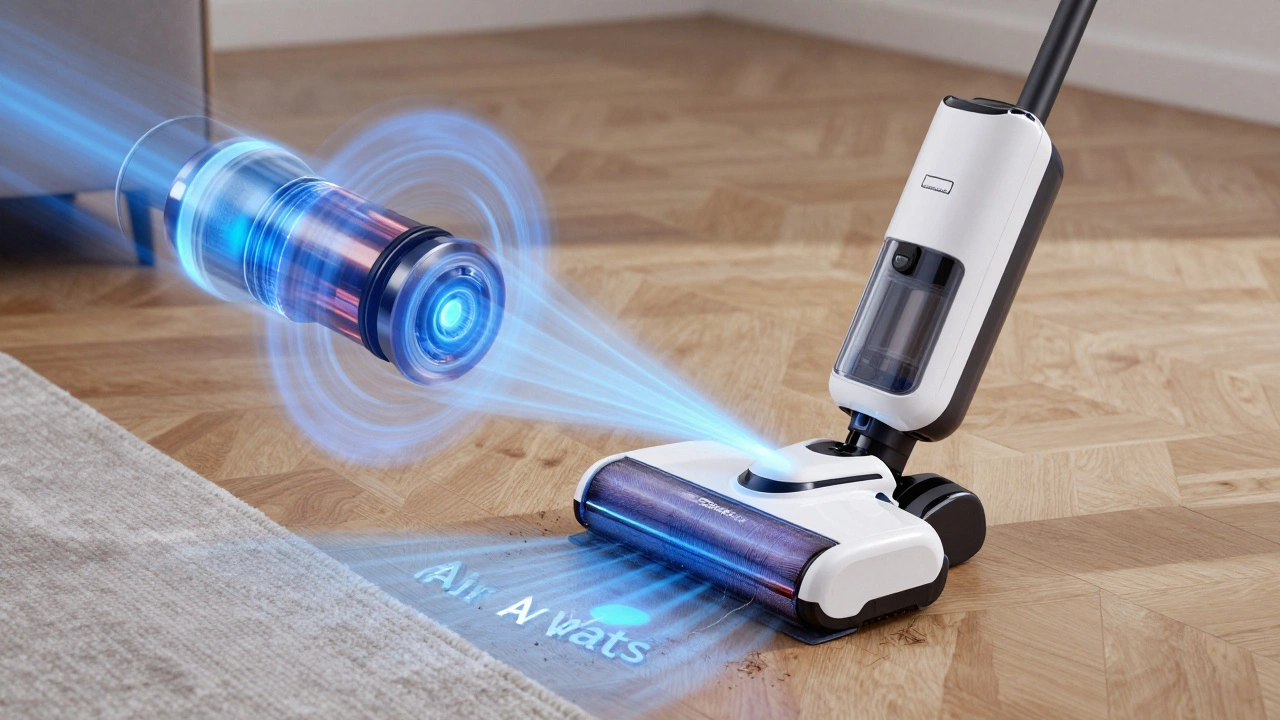
You might see specs claiming "10x suction" or "industrial strength." Take these claims with a grain of salt. Marketing language often compares a new model to an old, outdated Shark model from five years ago, not to competitors. To make an informed decision, focus on Air Watts (AW). This is a standardized measurement of the actual work the vacuum does moving air and debris.
Another critical factor is airflow restriction. A vacuum might have high suction at the nozzle, but if the hose is narrow or the filters are cheap, that power is lost before it hits the dirt. Shark’s wide-path nozzles help mitigate this, allowing more air to flow through the system. Always check if the model includes HEPA filtration. Clogged HEPA filters are the number one reason vacuums lose suction. Shark models with washable filters are easier to maintain, keeping your suction power high longer.
Specialized Needs: Robot and Handheld Options
What if you don’t want to push a vacuum at all? The Shark AI Ultra 2-in-1 Robot Vacuum offers surprisingly decent suction for a robot. It doesn’t match the Stratos AI, but it provides enough power for daily maintenance on hard floors and low-pile rugs. Its laser navigation ensures it covers every square inch, making up for lower raw power with consistency.
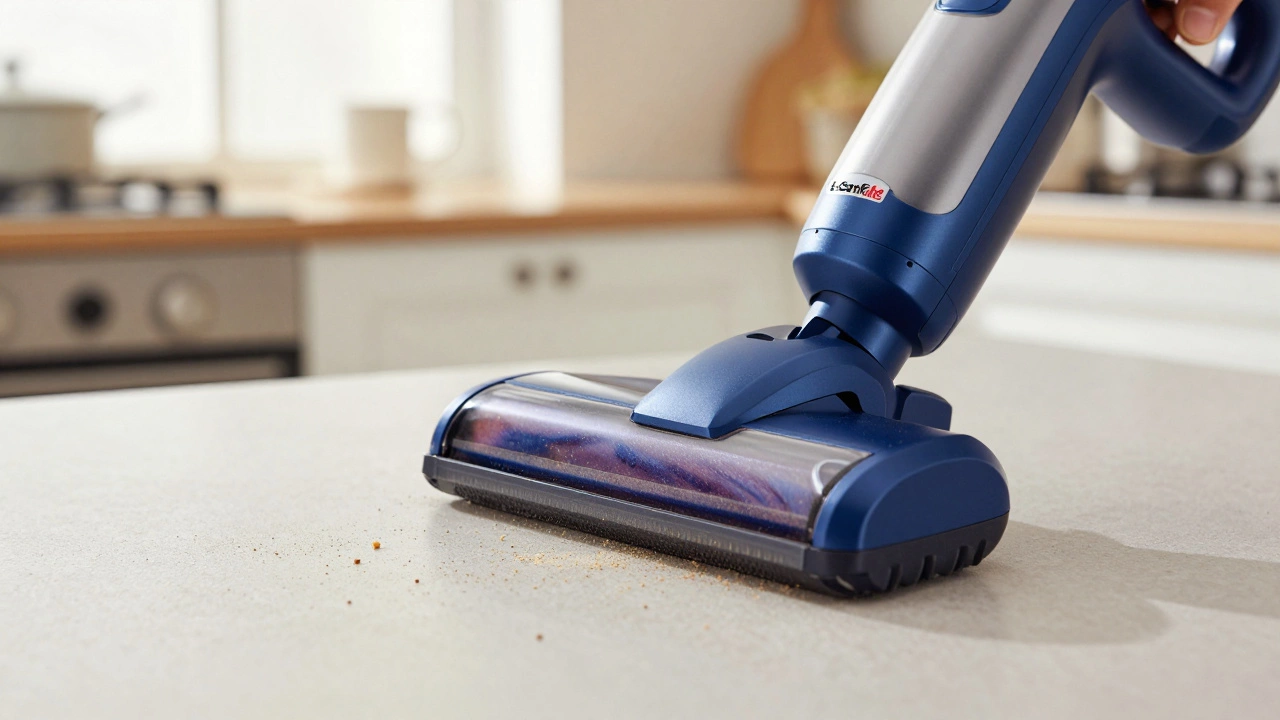
For above-floor cleaning, the Shark WandVac is the standout. As a handheld vacuum, it is limited by size and battery, but it punches above its weight class. It’s ideal for car interiors, stairs, and kitchen counters where a full-sized vacuum is impractical. Don’t expect it to clean your living room rug, but for spot cleaning, its suction is remarkably focused and effective.
How to Maximize Your Shark Vacuum’s Suction
Even the most powerful Shark vacuum will perform poorly if not maintained. Here is how to keep your suction at peak performance:
- Empty the Bin Frequently: Do not wait until it is full. Once the dust cup reaches 80% capacity, airflow resistance increases, reducing suction efficiency.
- Wash Filters Monthly: Shark filters are washable. Rinse them with cold water, let them dry completely for 24 hours, and then reinstall. Never put a damp filter back in the vacuum; it can damage the motor and ruin suction.
- Check for Blockages: Regularly inspect the hose, wand, and brush roll area for tangled hair or large debris. Use the included cleaning tool to remove blockages from the intake ports.
- Use the Right Height Setting: On carpets, ensure the brush roll height is adjusted correctly. If it is too high, it won’t agitate the carpet fibers; if it is too low, it will drag and strain the motor.
Final Verdict: Which One Should You Buy?
If budget is no object and you want the absolute strongest pull on carpets, buy the Shark Navigator Lift-Away. It is simple, durable, and has unmatched corded suction. You will never run out of power mid-clean.
If you want the best balance of power, convenience, and smart features, go with the Shark Stratos AI. It is the most powerful cordless option, and the self-cleaning brushroll saves you hours of maintenance. It is particularly worth the investment if you have pets.
For those who prioritize speed and lightness over raw deep-cleaning power, the Shark Azure Elite is the smarter choice. It handles daily messes with ease and is a joy to maneuver around furniture.
Does the Shark Stratos AI have more suction than the Dyson V15?
The Shark Stratos AI and Dyson V15 are very close in terms of raw Air Watts. However, the Stratos AI often feels more effective on carpets due to its self-cleaning brushroll, which maintains consistent contact and suction over time. The Dyson may have a slight edge on hard floors due to its laser detection, but for pure suction retention, the Stratos is highly competitive.
Is corded vacuum suction always better than cordless?
Generally, yes. Corded vacuums like the Shark Navigator can sustain maximum power indefinitely because they draw electricity directly from the outlet. Cordless vacuums must conserve battery life, so even in "boost" mode, they cannot maintain peak suction for long periods. For deep cleaning thick carpets, corded is superior.
How do I know if my Shark vacuum’s suction is failing?
Signs of failing suction include the vacuum struggling to pick up lightweight debris like dust bunnies, unusual noises coming from the motor, or the brush roll stopping while the motor runs. Start by checking for blockages in the hose and brush roll, then inspect and wash the filters. If these steps don’t restore power, the motor or seals may be damaged.
Can I use the Shark Stratos AI on delicate rugs?
Yes, but you should switch to the soft roller attachment or raise the brush roll height. The Stratos AI has a sensitive mode that reduces suction power, making it safe for delicate surfaces. Avoid using the high-power brush roll on fragile antique rugs as the agitation could cause fraying.
What is the difference between Shark’s Clean Sense IQ and AI detection?
Clean Sense IQ uses optical sensors to detect dirt levels and adjusts suction accordingly. The newer AI detection in the Stratos series goes a step further by using advanced algorithms to recognize specific types of messes and traffic patterns, allowing for more precise and efficient suction adjustments without user input.