
Refrigerator Reliability & Risk Estimator
Risk Assessment Result
Maintenance Tips to Extend Life
You just spent $2,500 on a new fridge. It looks great in your kitchen. But two years later, the ice maker jams, or worse, the compressor dies and you’re eating warm yogurt while waiting for a technician. This isn't rare bad luck; it’s often brand-specific engineering choices. If you want to know which brand of refrigerator has the fewest problems, you need to look past marketing fluff and at actual service call data.
I’ve lived in Vancouver long enough to see every major brand fail in our humid coastal climate. I’ve also tracked industry reports from the J.D. Power U.S. Appliance Study and Yale Appliance service logs (a gold standard for real-world repair data). The short answer? No brand is perfect, but some are significantly less likely to send you an expensive bill. Let’s break down who wins, who loses, and why.
The Reliability Leaders: Why Whirlpool Group Still Wins
If you look at raw failure rates, Whirlpool Corporation (the parent company of Whirlpool, Maytag, Amana, and KitchenAid) consistently holds the lowest percentage of service calls within the first year of ownership. In recent Yale Appliance data, their combined failure rate hovers around 4-6% for standard top-freezer and bottom-freezer models. That is incredibly low compared to the industry average of 10-15%.
Why so reliable? They stick to proven technology. Many Whirlpool and Maytag models use simpler mechanical controls rather than complex touchscreens that glitch out. Their compressors are built for longevity, not just speed. If you buy a basic Maytag bottom-freezer refrigerator with a water dispenser, you are buying a tank. It won’t have Wi-Fi, it won’t have a tablet screen, but it will keep your food cold for 15 years with minimal fuss.
- Whirlpool: Best for budget-conscious buyers who want durability over features.
- Maytag: Slightly more robust build quality, often used in rentals because they survive abuse.
- KitchenAid: Same internal mechanics as Whirlpool but with better aesthetics and slightly higher price tags.
The Luxury Outliers: Sub-Zero and Bosch
You might think luxury equals reliability. Sometimes yes, sometimes no. Sub-Zero is a premium American appliance manufacturer known for dual-refrigeration systems. These fridges are expensive, often costing $8,000 to $15,000. Do they break? Yes. But when they do, it’s usually due to user error or installation issues, not inherent design flaws. Their dual-evaporator system keeps humidity high in the fresh food compartment, which preserves produce longer. However, if a part breaks, replacement costs are steep. You are paying for performance and longevity, but you must maintain them religiously.
Bosch is a German-engineered brand that focuses on energy efficiency and quiet operation. In the counter-depth category, Bosch often beats competitors like Samsung or LG on reliability scores. They use fewer electronic boards than their Korean counterparts. Fewer electronics mean fewer things to fail. A Bosch B36CT80SNS, for example, is frequently cited in consumer forums as running trouble-free for 7+ years. Just be aware: parts availability can be slower in North America than for domestic brands.
The Risky Business: High-Tech Fridges
Here is where most people get burned. Samsung and LG Electronics dominate market share with feature-rich French door models. They offer incredible space, sleek designs, and smart features. But they also carry the highest service call rates. Yale’s data has historically shown failure rates between 15% and 20% for Samsung French door fridges within the first five years.
What goes wrong?
- Inverter Compressors: Both brands heavily rely on linear or digital inverter compressors. While energy-efficient, these units are complex. When they fail, the entire cooling system stops. Repair costs can exceed $600-$900.
- Ice Makers: Built-in ice makers in the freezer door are notorious clog points. Samsung’s early generation ice makers were so problematic they faced class-action lawsuits.
- Control Boards: Touch panels and main control boards are sensitive to power surges and humidity. Replacing a board costs $300+ plus labor.
Does this mean you shouldn’t buy them? Not necessarily. If you love the tech and accept the risk, go for it. But if you hate surprises, look elsewhere.
| Brand Category | Typical Failure Rate (Yr 1) | Common Issues | Repair Cost Outlook |
|---|---|---|---|
| Whirlpool / Maytag / Amana | 4-6% | Minor gasket leaks, fan noise | Low ($100-$300) |
| Bosch / GE Profile (Basic) | 5-8% | Water valve issues, minor electronics | Moderate ($200-$500) |
| Samsung / LG (French Door) | 12-18% | Compressor, Ice Maker, Control Board | High ($500-$1,000+) |
| Sub-Zero / Thermador | 3-5% (but high cost) | Seal wear, sensor calibration | Very High ($800-$2,000+) |
Configuration Matters More Than Brand
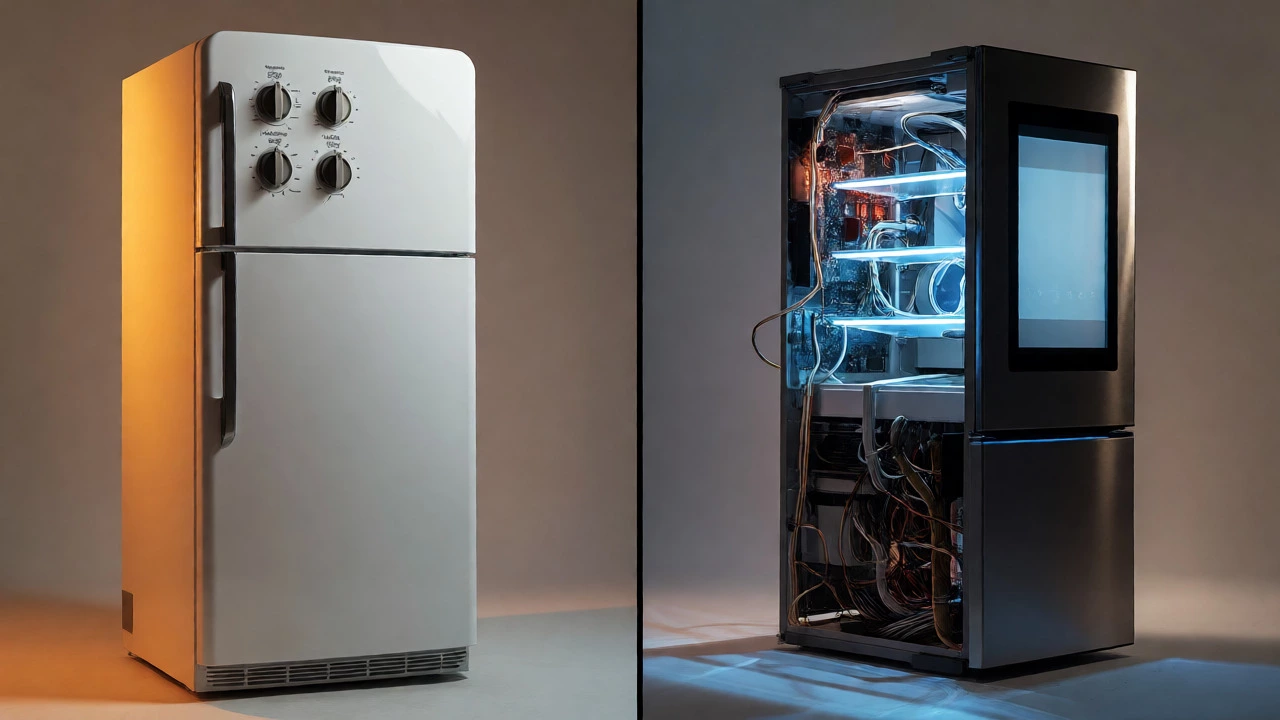
Before you pick a logo, pick a shape. Your choice of configuration impacts reliability more than the brand name itself. Here is the hierarchy of risk, from safest to riskiest:
Top-Freezer Fridge
This is the old-school box with the freezer on top. It is the most reliable design ever created. There is one evaporator coil shared between compartments. Fewer moving parts, no complex ducting, no ice maker in the door (usually). If you want zero headaches, buy a simple top-freezer from Whirlpool or GE. It’s ugly, but it works.
Bottom-Freezer Fridge
Freezer below, fridge above. Very common. Reliability is decent, especially with brands like GE and Whirlpool. Ice makers are usually in the fridge section or top of freezer, making them easier to access and clean than those buried in a French door hinge.
Side-by-Side
Narrow doors, full height. Moderate reliability. The narrow width limits shelf space, and ice makers are often cramped. They are not terrible, but they aren't the most reliable either.
French Door
Two doors on top, drawer freezer below. This is the most popular style today, and the least reliable. Why? Complexity. Two hinges, complex air ducts to cool both sides evenly, and almost always a built-in ice maker in the left door. Every additional joint and seal is a potential leak point. If you choose French Door, expect to spend more time maintaining it.
Smart Fridges
Avoid them if reliability is your #1 goal. Adding a touchscreen adds a computer. Computers crash. Screens crack. Software updates break features. Unless you genuinely use the smart features daily, you are adding failure points for zero functional benefit in keeping food cold.
How to Check Reliability Before You Buy
Don’t just trust my word. Do your homework using these three steps:
- Check Yale Appliance’s Blog: They publish annual "Reliability Report" articles based on thousands of service tickets. Look for the latest year’s data. If a specific model number has a red flag, avoid it.
- Read Consumer Reports: They survey tens of thousands of owners. Look for predicted reliability ratings on a scale of 1-5. Aim for 4 or 5 stars.
- Search Reddit: Go to r/appliances or r/homeowners. Search for the exact model number + "repair" or "broken." Real users post complaints faster than any review site. If you see ten posts about "ice maker jamming," believe them.
Pro Tips to Extend Any Fridge’s Life
Even the most reliable fridge will die early if you neglect it. Here is how to protect your investment:
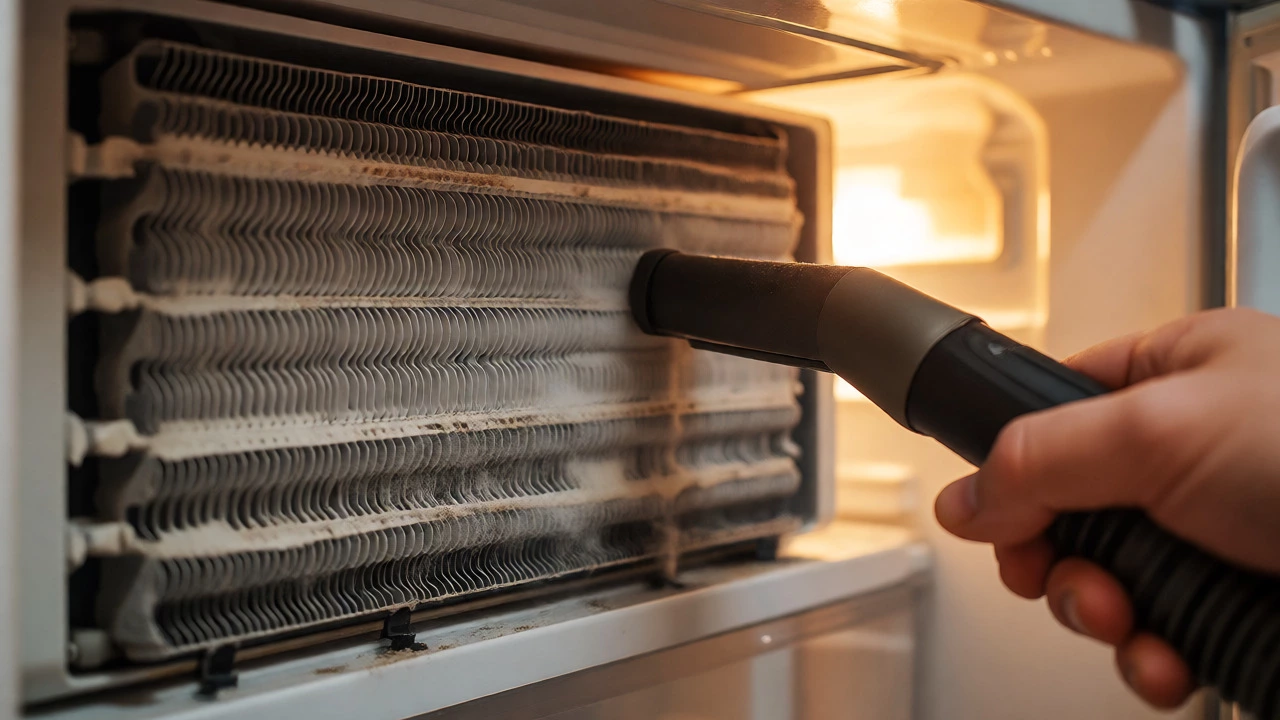
- Clean the Coils: Dust builds up on the condenser coils (back or bottom of the fridge). Once a year, vacuum them. Dirty coils make the compressor work harder, leading to premature burnout. This applies to all brands, especially Samsung and LG.
- Test the Seals: Close the door on a dollar bill. If you pull it out easily, your gaskets are leaking. Cold air escapes, forcing the fridge to run constantly. Replace gaskets immediately; they are cheap ($20-$50).
- Replace Water Filters: Clogged filters reduce water flow, causing the ice maker to strain or fail. Change them every 6 months. Use OEM (Original Equipment Manufacturer) filters if possible; third-party ones sometimes don’t fit right.
- Don’t Overload: Air needs to circulate. Pack too much food, and cold spots form. Leave gaps between items.
Final Verdict: What Should You Buy?
If you want the absolute fewest problems, buy a Whirlpool or Maytag Top-Freezer or Bottom-Freezer model. Skip the smart features. Skip the French door. Accept that it might look plain, but it will likely last 15+ years with only routine cleaning.
If you need a French Door for your kitchen layout, choose Bosch or GE Profile over Samsung or LG. They strike a better balance between modern looks and mechanical simplicity. Avoid sub-$1,500 French Doors from unknown brands; you get what you pay for.
Remember, reliability is about probability, not certainty. But by choosing a brand with lower service call rates and a simpler design, you stack the odds in your favor.
Which refrigerator brand lasts the longest?
Based on service data and owner surveys, Whirlpool Corporation brands (Whirlpool, Maytag, Amana) generally have the longest lifespan with the fewest repairs. Sub-Zero also lasts a long time but requires professional maintenance. Basic top-freezer models from any reputable brand tend to outlast complex French door models.
Are Samsung refrigerators unreliable?
Samsung refrigerators have higher reported failure rates than industry averages, particularly regarding compressors and ice makers. However, many units function perfectly for years. The risk is statistically higher, meaning you are more likely to encounter a repair issue within the first 5-7 years compared to brands like Whirlpool or Bosch.
Is it worth buying an extended warranty for a fridge?
For high-tech brands like Samsung, LG, or French Door models, yes. For simple Whirlpool/Maytag top-freezers, probably not. Extended warranties are profitable for retailers because complex fridges break more often. If you buy a simple, reliable model, save the warranty money and put it toward electricity bills instead.
Do smart fridges cause more problems?
Yes. Smart fridges add screens, cameras, and Wi-Fi modules. These components can fail independently of the cooling system. If the screen dies, you still have a fridge, but you lose the feature. Repairs for smart components are often costly and require specialized technicians. If reliability is your priority, skip the smart features.
Which is more reliable: French Door or Side-by-Side?
Side-by-side models are generally more reliable than French Door models. French Doors have more complex sealing mechanisms, multiple hinges, and intricate air ducts to manage temperature between the upper and lower sections. Side-by-sides are mechanically simpler, though they offer less usable shelf width.