
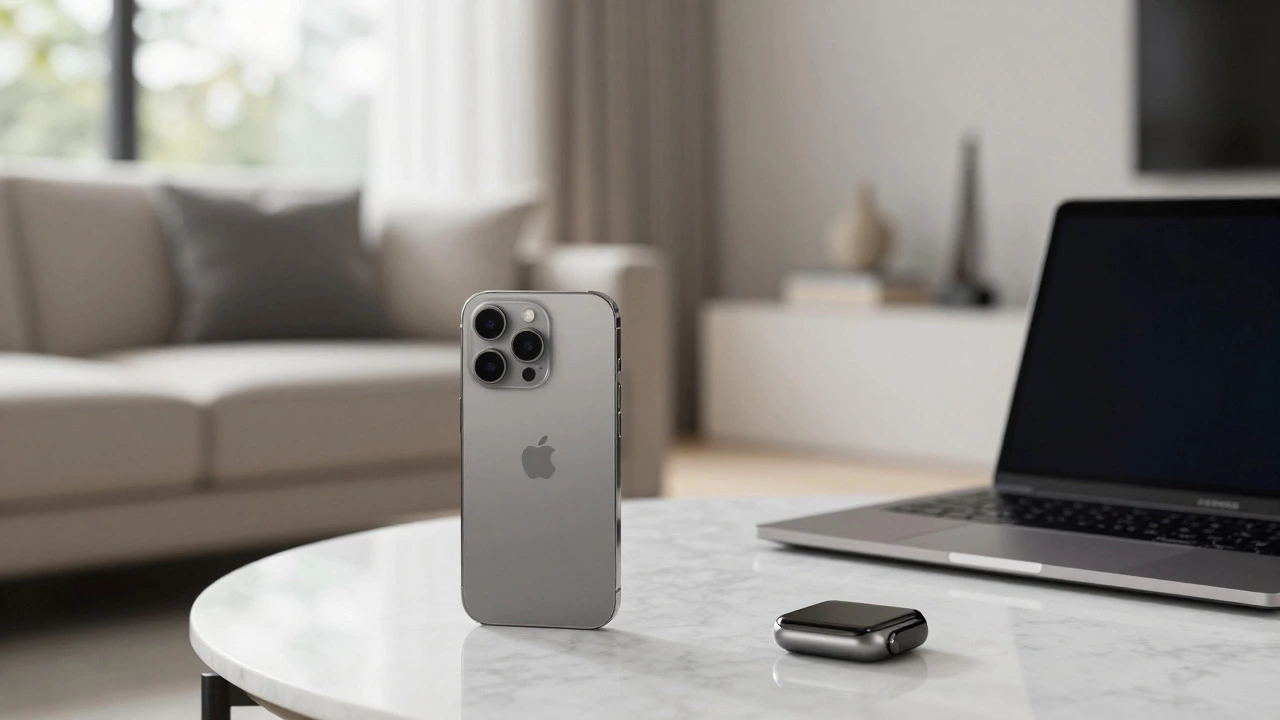
iPhone vs Samsung 2026: Which Phone is Right for You?
Answer these quick questions to find out which brand aligns best with your lifestyle in 2026.
Apple Ecosystem
MacBook, iPad, Apple WatchWindows/Google
Windows PC, Chromebook, PixelVideo & Realism
Best-in-class video recording and natural photosZoom & Night Mode
Extreme zoom capabilities and enhanced low-light shotsBased on your choices...
It is July 2026, and the debate that has raged for over a decade shows no signs of cooling down. You walk into any electronics store or scroll through tech forums, and you will find two distinct camps. One side swears by the polished simplicity of Apple’s iPhone, while the other champions the raw customization and hardware innovation of Samsung’s Galaxy lineup. But "better" is a slippery word. It depends entirely on what you need your phone to do for you every single day.
If you are looking for a quick answer, here is the reality: neither brand is objectively superior across the board. They excel in different areas. Apple dominates in ecosystem integration, long-term software support, and resale value. Samsung leads in display technology, charging speed, and hardware versatility. To make the right choice in 2026, you need to look past the marketing hype and examine how these devices actually fit into your life.
The Operating System Divide: iOS vs Android
The biggest difference isn't the metal or glass; it's the brain inside the box. In 2026, iOS remains a walled garden. This means fewer choices but higher consistency. When you buy an iPhone, you get an experience that works exactly as Apple intends. Apps are generally more optimized for iOS because developers target a smaller range of devices. If you value privacy, iOS offers robust features like App Tracking Transparency and on-device processing for Siri requests, which have become standard expectations rather than novel selling points.
On the other hand, Samsung runs One UI on top of Google’s Android. By 2026, Android has matured significantly. The fragmentation issues of the past are largely gone, especially on flagship Samsung devices. You get deeper control over your home screen, file management, and default apps. Want to sideload an app? Go ahead. Want to change the system-wide font size or color scheme instantly? Easy. For users who view their phone as a personal tool rather than a curated appliance, Android’s flexibility is unmatched.
| Feature | Apple iOS | Samsung One UI (Android) |
|---|---|---|
| Customization | Low (Curated Experience) | High (Full Control) |
| App Quality | Higher Optimization | Wider Availability |
| Privacy Controls | Strict & Simplified | Granular & Complex |
| Ecosystem Lock-in | Strong | Moderate (Google Services) |
Hardware Innovation: Screens and Design
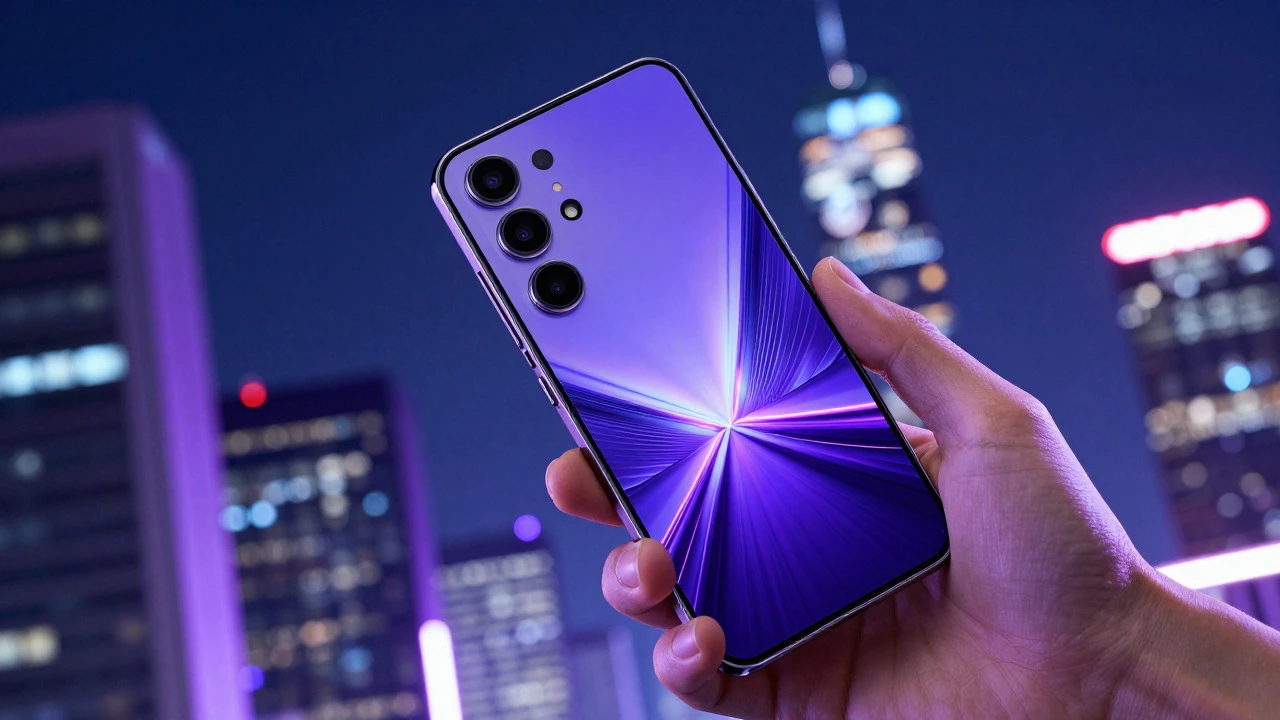
Let’s talk about what you see. Samsung has always been the king of displays, and in 2026, that crown sits firmly on its head. The latest Galaxy S26 Ultra features a Dynamic AMOLED 2X panel with peak brightness levels that rival outdoor sunlight. The bezels are virtually non-existent, and the refresh rate adapts seamlessly between 1Hz and 120Hz to save battery without sacrificing smoothness. If you watch videos, play games, or browse social media all day, the Samsung screen is arguably the best consumer display available.
Apple’s iPhone 17 Pro uses Super Retina XDR OLED panels. They are incredibly accurate in color reproduction, which matters if you edit photos or videos professionally. However, they often lag slightly behind Samsung in peak brightness and corner-to-corner uniformity. Design-wise, the iPhone maintains its minimalist aesthetic with flat edges and premium materials like titanium. Samsung tends to experiment more, offering curved screens on some models and unique camera island designs. Both feel premium, but Samsung pushes the boundaries of form factor further.
Camera Systems: Artistic vs Technical
Cameras are the primary reason people upgrade phones. In 2026, both brands offer computational photography that rivals dedicated cameras. The key difference lies in philosophy. Apple prioritizes realism. Its Smart HDR algorithms aim to capture the scene as your eye saw it, with minimal processing artifacts. Video recording on iPhone remains the industry gold standard. Stabilization, dynamic range, and audio quality are consistently better on iOS, making it the preferred choice for content creators and vloggers.
Samsung leans into enhancement. Its Night Mode and AI-driven processing can turn low-light shots into bright, detailed images, though sometimes at the cost of natural texture. The real standout for Samsung is zoom. The Galaxy S26 Ultra continues to lead with high-megapixel periscope lenses that deliver usable optical zoom up to 10x and digital zoom up to 100x. If you attend concerts, sports events, or like taking distant wildlife shots, Samsung’s telephoto capabilities are hard to beat. Apple’s zoom is improving but still trails in extreme distance scenarios.
Battery Life and Charging Speeds
Here is where the gap widens significantly. Apple iPhones are known for excellent battery efficiency due to the tight integration between A-series chips and iOS. An iPhone 17 Pro can easily last a full day of heavy use, and often spill into a second day with light usage. However, charging speeds remain conservative. Even with USB-C adoption, Apple tops out around 30-40W wired charging, meaning a full charge takes over an hour.
Samsung has embraced fast charging. The Galaxy S26 series supports 45W to 65W wired charging depending on the model, allowing you to go from 0% to 50% in roughly 20 minutes. Wireless charging is also faster on Samsung devices. While Samsung’s battery optimization has improved dramatically, iOS still holds a slight edge in pure standby time and consistent performance under load. If you hate being tethered to a wall outlet, Samsung’s rapid charging is a game-changer.
The Ecosystem Factor: Why Switching Hurts
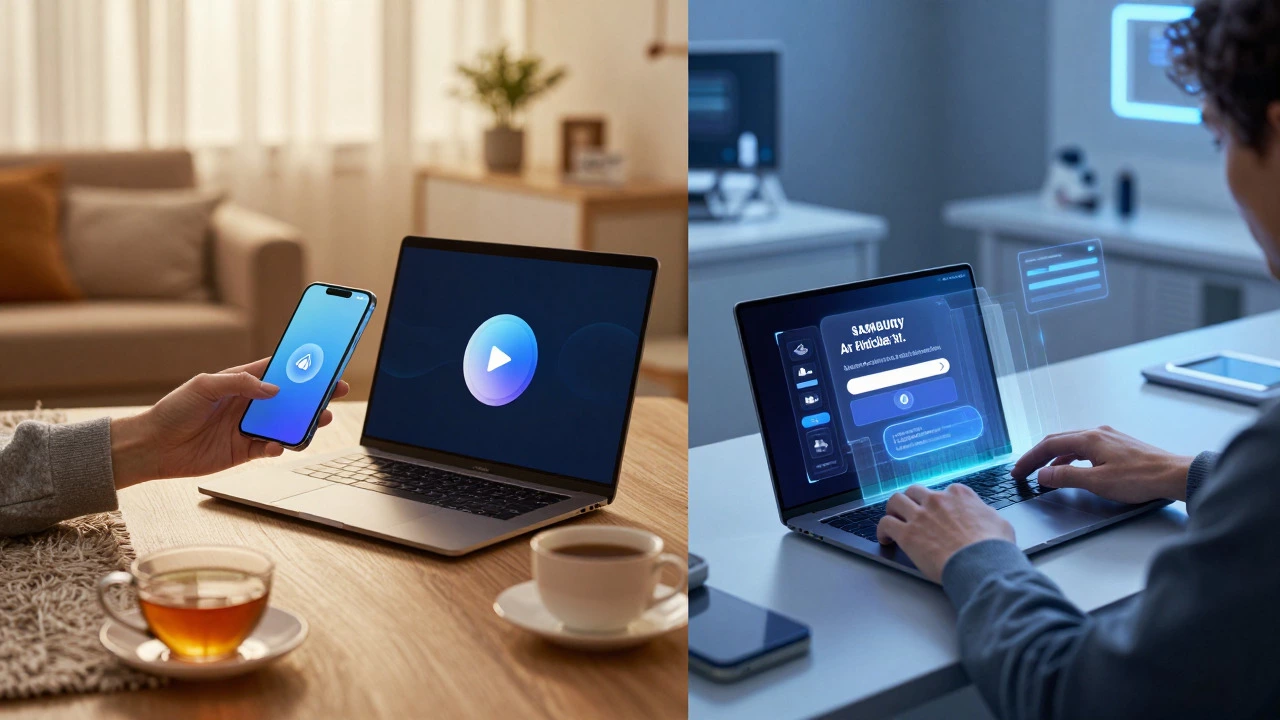
This is the most critical point for many buyers. Your phone doesn’t exist in a vacuum. If you own a MacBook, an iPad, or an Apple Watch, buying an iPhone makes logical sense. Features like AirDrop, Universal Clipboard, and Continuity Camera work seamlessly. Handoff lets you start an email on your phone and finish it on your laptop without thinking. This frictionless experience is Apple’s strongest moat.
Samsung has built its own ecosystem with Galaxy Buds, Galaxy Watches, and Windows PC integration via Link to Windows. It’s good, but it lacks the magical seamless feel of Apple’s suite. However, if you are already in the Google or Microsoft ecosystem, Samsung fits in naturally. Android handles file transfers to Windows PCs much better than iOS does. Consider what other devices you own before making a switch. The cost of migrating data and learning a new interface is higher than most people expect.
Long-Term Value and Software Support
In 2026, software longevity is a major concern. Apple promises seven years of iOS updates for recent iPhones. This means an iPhone bought today will likely receive security patches and feature updates until 2033. Resale values reflect this confidence; iPhones retain their value significantly better than Android competitors.
Samsung has caught up considerably. Flagship Galaxy devices now also promise seven years of OS and security updates. This parity reduces one of Apple’s biggest advantages. However, historically, Android devices tend to slow down more noticeably after three to four years compared to iPhones. While Samsung’s commitment is strong, Apple’s track record of maintaining performance on older hardware remains superior. If you plan to keep your phone for five years or more, the iPhone might be the safer financial bet.
Who Should Buy What?
Choosing between iPhone and Samsung comes down to your personal priorities. Here is a simple breakdown:
- Choose iPhone if: You want a device that just works, you prioritize video quality, you are already invested in the Apple ecosystem, or you plan to resell the phone in 3-4 years.
- Choose Samsung if: You want the best possible screen, you need extreme zoom capabilities, you prefer fast charging, you want more control over your software, or you use a Windows PC.
There is no wrong choice here. Both companies produce world-class engineering marvels. The "best" phone is simply the one that aligns with how you live your daily life. Test them in person if you can. Hold them in your hands. Swipe through the interfaces. Your gut feeling will often tell you more than any spec sheet ever could.
Is iPhone or Samsung better for gaming in 2026?
Both are excellent, but Samsung often has a slight edge due to higher peak refresh rates and better thermal management in the Ultra models. However, iOS games are often optimized earlier and run smoother on equivalent hardware. For casual gaming, either is fine. For competitive mobile esports, check specific game support for controllers and touch response.
Which phone has better battery life?
iPhone generally lasts longer on a single charge due to iOS efficiency. Samsung charges much faster, so you spend less time plugged in. If you rarely charge during the day, iPhone wins. If you charge frequently and quickly, Samsung is more convenient.
Do Samsung phones slow down over time?
Historically, yes, but Samsung’s new 7-year update policy includes performance maintenance tools. While they may not stay as snappy as an iPhone after 4 years, the degradation is much slower than in previous generations. Regular storage cleanup helps maintain speed.
Can I transfer my data from iPhone to Samsung easily?
Yes. Samsung provides a "Switch to Galaxy" app that transfers contacts, messages, photos, and even some app settings directly from iPhone to Samsung during setup. It is surprisingly smooth, though some iOS-specific apps won’t have direct Android equivalents.
Which is more secure, iPhone or Samsung?
Both are highly secure. Apple’s closed ecosystem limits malware risks. Samsung uses Knox security hardware and regular monthly patches. For average users, both are safe. Power users who sideload apps on Android should be more cautious, but the base systems are equally robust against common threats.