
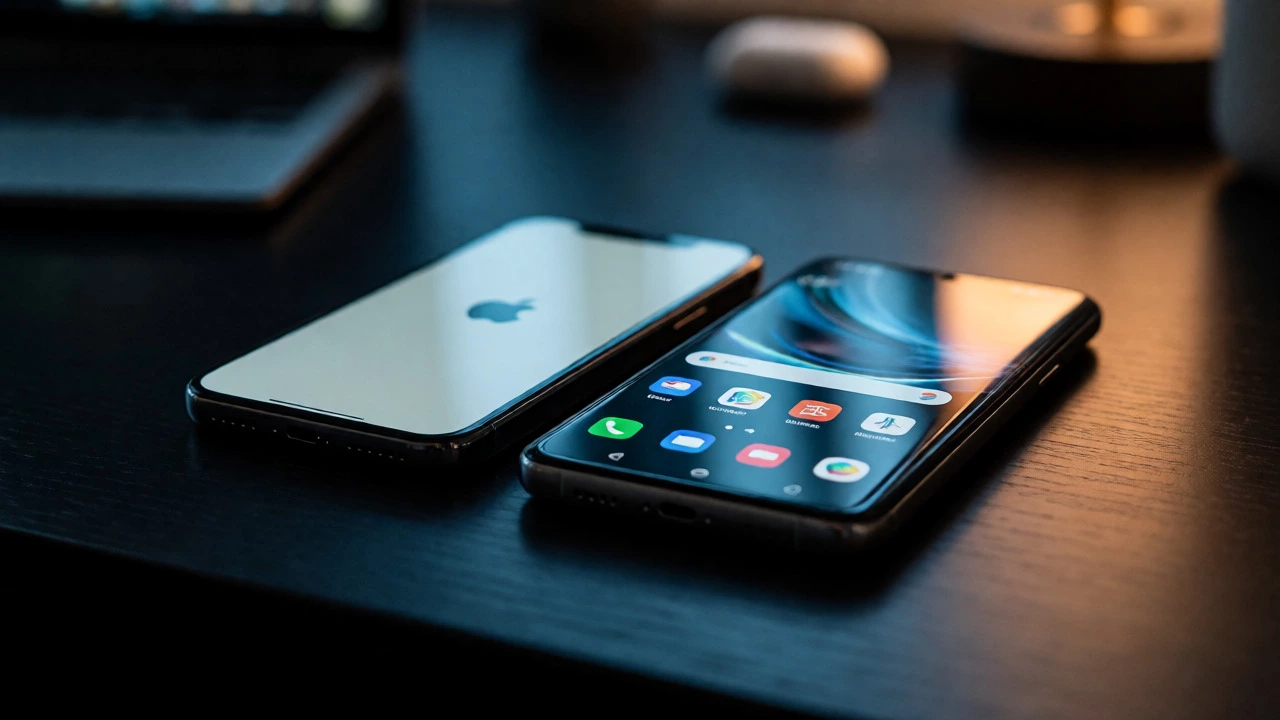
iPhone vs Android Ecosystem Calculator
Answer the questions below to see if the Apple premium is worth it for you, or if Android's flexibility offers better value.
Your Recommendation
Ecosystem Fit Score
0%
Why this choice?
Estimated Resale Value Retention
--
Software Support Estimate
--
You’re standing in a Best Buy or browsing online, staring at two phones that cost nearly $1,000. One is an iPhone, the other a high-end Android. You know the specs look similar on paper-great cameras, fast processors, sharp screens. So why do people fight about this like it’s a sports rivalry? The truth is, you aren’t just buying hardware; you’re buying into a specific way of using your phone for the next three to five years.
If you live in Vancouver and rely on your phone for everything from transit passes to work emails, the choice matters more than the brand logo. Let’s cut through the fanboy noise. We need to look at what actually changes in your daily life when you switch sides. Are you paying for convenience, or are you paying for freedom? Here is the honest breakdown of whether an iPhone is worth the extra cash over its Android rivals right now.
The Ecosystem Lock-In: Convenience vs. Freedom
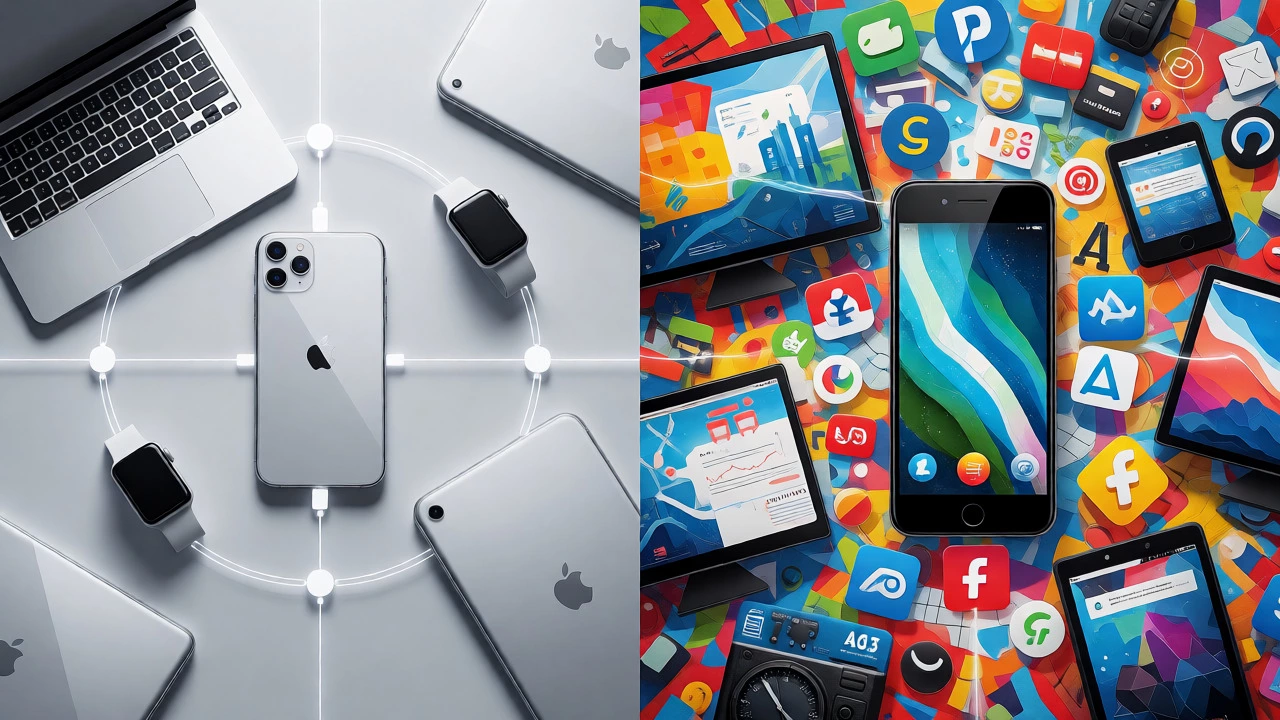
Here is the biggest factor most people ignore until they are already committed: the ecosystem. Apple operates on a closed loop. If you own a MacBook, an iPad, and AirPods, the iPhone feels like magic. You copy text on your phone and paste it on your laptop instantly. You answer calls on your watch. This seamless integration is called Continuity, and it saves time.
Android, led by companies like Samsung and Google, has caught up significantly. Features like Samsung DeX let you plug your phone into a monitor and use it like a desktop. But does it feel as polished? Not quite. If you don’t own other Apple devices, the iPhone’s main selling point vanishes. An Android phone works perfectly fine with a Windows PC via Link to Windows. If you are a mixed-device household, Android gives you flexibility. If you are all-in on Apple gear, leaving the ecosystem means losing features you didn’t realize you relied on.
Software Longevity and Resale Value
Let’s talk money. An iPhone holds its value better than almost any Android device. Buy an iPhone 15 today, and in three years, you can still sell it for a decent chunk of change. Try selling a mid-range Android after three years, and you might get pocket change. High-end flagships like the Galaxy S series hold value better, but they still depreciate faster than iPhones.
Why does this happen? It comes down to software support. Apple provides iOS updates for roughly six to seven years. Your iPhone bought in 2024 will likely get the latest security patches in 2030. Most Android manufacturers have improved, promising four to five years of updates, but only top-tier models from Samsung and Google consistently deliver this. Budget Androids often stop getting major OS updates after two years. If you plan to keep your phone for a long time, the iPhone’s longer lifespan effectively lowers its total cost of ownership, even if the upfront price is higher.
Camera Performance: Computational Photography Wars
Spec sheets lie. A 200-megapixel camera doesn’t automatically mean better photos than a 48-megapixel one. What matters is how the software processes the light. In 2026, both platforms are incredibly good, but they serve different needs.
| Feature | iPhone (iOS) | Android (Samsung/Pixel) |
|---|---|---|
| Video Quality | Industry leader. Superior stabilization and color consistency across lenses. | Excellent, but sometimes struggles with switching between lenses smoothly. |
| Low Light | Natural look. Preserves texture without over-smoothing skin tones. | Aggressive brightening. Can make night shots look artificial or oversaturated. |
| Zoom Capability | Consistent quality up to 5x optical zoom. | Super Zoom (10x-100x) available on Ultra models, though quality drops past 10x. |
| Editing Tools | Built-in editing is basic but effective. Relies on third-party apps for pro work. | Powerful built-in AI editing tools (Object Eraser, Magic Edit) included free. |
If you shoot video for social media or work, the iPhone is still the king. Its ability to record in ProRes format and maintain consistent exposure while moving between cameras is unmatched. For photographers who love tweaking settings and using raw files, Android offers more manual control. But for the average user who wants great photos with zero effort, the iPhone’s computational photography is harder to beat.
Customization and User Interface
This is where personality comes in. iOS is rigid. You get a grid of icons, a notification center, and limited widget placement. It is designed to be simple and predictable. You cannot install a custom launcher. You cannot change the core interface elements easily. If you hate tinkering, you will love iOS. It just works.
Android is a sandbox. Want your home screen to look like a Mac dock? Install a launcher. Want dark mode to activate based on your location? Easy. Want to split-screen two apps side-by-side efficiently? Native feature. Power users thrive here. However, this freedom comes with fragmentation. Different brands (Samsung, Pixel, OnePlus) have slightly different interfaces. If you buy a new Android brand every few years, you’ll have to relearn the menus. With iPhone, the muscle memory stays the same forever.
Privacy and Security: Who Watches You?
Both platforms are secure, but their philosophies differ. Apple makes privacy a marketing feature. Their App Tracking Transparency forces apps to ask permission before tracking you across other sites. While some critics argue this keeps ad revenue within Apple’s walled garden, it generally results in fewer annoying pop-ups and less data leakage for the average user.
Android allows for granular permissions too, but the open nature means there are more potential entry points for malware if you sideload apps. Google scans apps via Play Protect, which is robust, but the sheer volume of Android devices creates a larger attack surface. If you download apps from outside the official store frequently, Android requires more vigilance. For the set-it-and-forget-it user, iPhone’s stricter gatekeeping offers peace of mind.
The Verdict: Who Should Buy What?
So, is it worth buying an iPhone? Yes, if you value simplicity, long-term resale value, and video capabilities. It is also the logical choice if you already own other Apple products. The friction of leaving that ecosystem is real.
No, it is not worth it if you crave customization, want the best hardware specs for the lowest price, or prefer open file management. If you enjoy tweaking your device and want cutting-edge tech like under-display cameras or foldable screens (which Android pioneered), stick with Android. In 2026, the gap has narrowed, but the fundamental difference remains: iPhone sells experience and consistency; Android sells choice and power.
Is Android cheaper than iPhone?
Generally, yes. Android offers a wider range of price points, including budget-friendly options under $500. iPhones start at a premium price point, though older models become affordable over time. However, flagship Android phones can cost as much as iPhones.
Do iPhones last longer than Android phones?
In terms of software support, yes. Apple typically supports iPhones for 6-7 years with major OS updates. Most Android manufacturers now offer 4-5 years, but budget Androids may only get 2-3 years. Hardware durability is comparable, depending on the specific model.
Can I transfer my data from Android to iPhone?
Yes, Apple provides a "Move to iOS" app that transfers contacts, messages, photos, and videos during setup. However, transferring paid apps and some game progress can be tricky because many apps are platform-specific. You may lose progress in games that don't support cross-platform saving.
Which phone has better battery life?
It varies by model year. In 2026, several Android flagships with larger batteries and efficient chips outperform standard iPhones in heavy usage. However, Pro Max iPhone models often compete closely. Real-world battery life depends heavily on your usage patterns and background app refresh settings.
Is the iPhone camera really better than Android?
For video, yes, iPhone is widely considered superior due to better stabilization and color science. For still photos, it is subjective. Android phones often offer more versatile zoom options and advanced AI editing tools. Both take excellent photos, but they process images differently.