
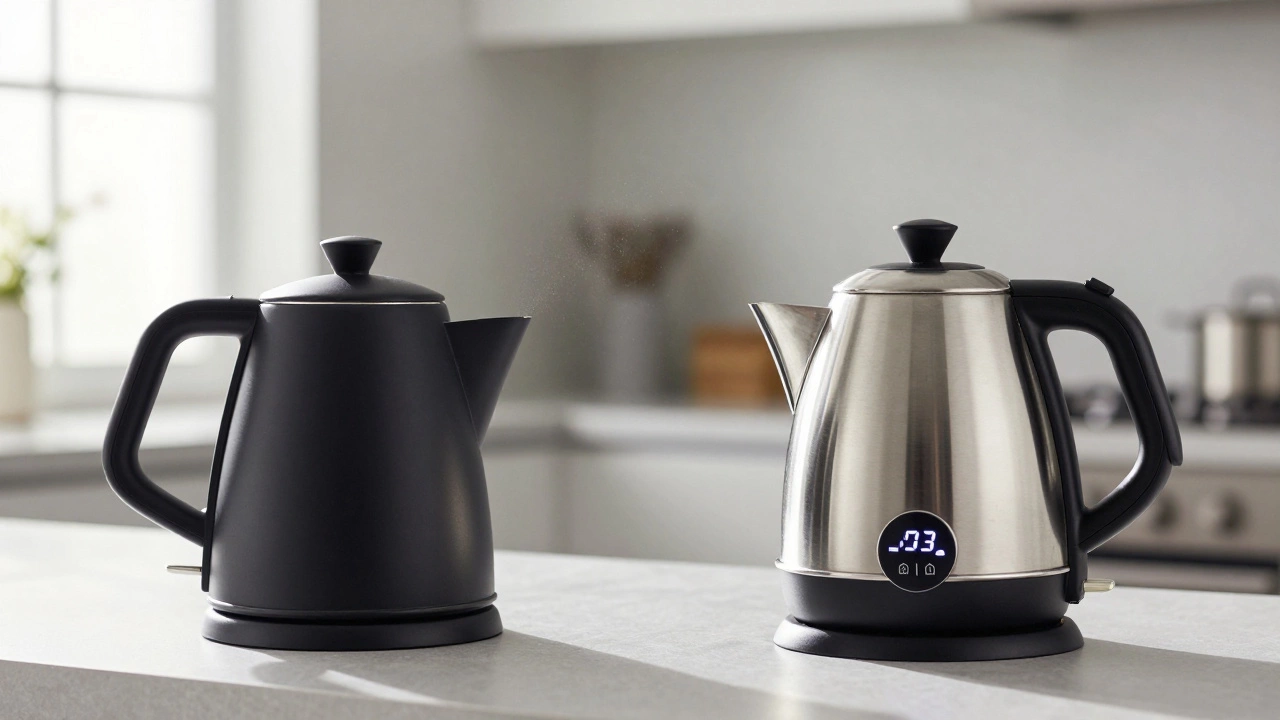
Kettle Value Finder: Which One Fits Your Lifestyle?
Select the items that describe your morning routine to find your ideal kettle tier:
- Budget Kettles: Best for those who just want boiling water for tea or instant noodles.
- Mid-Range: Ideal for casual coffee drinkers who want a bit more control over heat.
- Premium Kettles: Essential for tea connoisseurs and pour-over coffee enthusiasts who need exact temperatures.
- Key Trade-off: You aren't paying for "better" heat, but for precision and materials.
The Basics: What a Budget Kettle Actually Does
If you buy a entry-level model, you're getting a simple heating element and a thermal switch. A basic electric kettle is an appliance that uses an internal heating element to bring water to a boil quickly. These usually cost between $15 and $40. They have one setting: ON. The water gets to 212°F (100°C), the switch flips, and you're done.
For the average person, this is plenty. If you're making a strong black tea or a bowl of ramen, you need that maximum heat. The main downsides here are usually noise and materials. Cheap kettles often use plastic housings that can leach a metallic or "plastic-y" taste into the water, especially in the first few weeks of use. They also tend to be louder, sounding like a jet engine taking off on your kitchen counter.
Where the Money Goes in Premium Models
When you jump into the $100+ range, you aren't paying for the ability to boil water faster. Physics limits how quickly a heating element can heat a liter of water. Instead, you're paying for three specific things: temperature control, build quality, and specialized spouts.
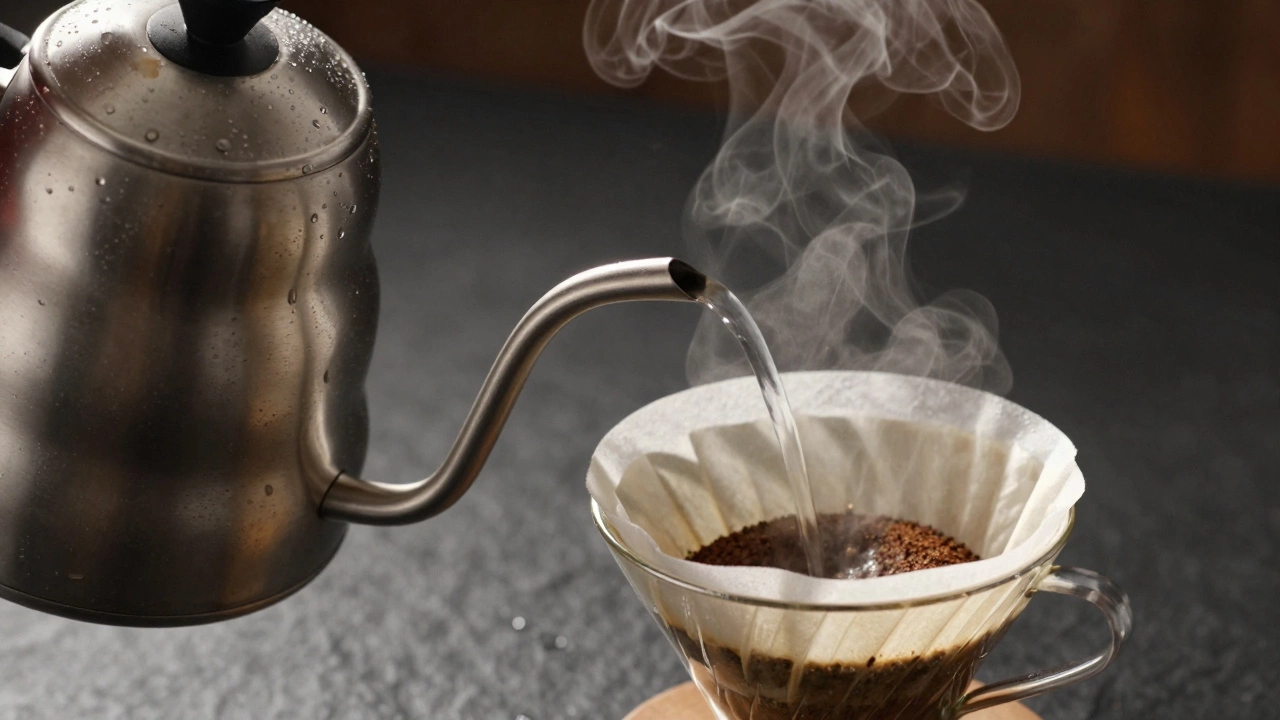
Precision is the big seller. Have you ever burned a delicate green tea? If you brew green tea with boiling water, it tastes bitter because you've scorched the leaves. High-end kettles allow you to set the temperature to exactly 175°F. This is the difference between a cup of tea that tastes like grass and one that tastes like a professional tea house. For coffee nerds, the gooseneck kettle is the gold standard. Unlike a standard wide spout, the thin, curved neck allows you to pour water in a slow, steady spiral, which is crucial for extracting the best flavor from pour-over coffee.
| Feature | Budget ($20-$40) | Mid-Range ($50-$90) | Premium ($100+) |
|---|---|---|---|
| Material | Mostly Plastic | Stainless Steel | BPA-Free Glass/Medical Steel |
| Temp Control | None (Boil only) | Pre-sets (e.g., 175°, 200°) | 1-degree precision |
| Pour Control | Heavy/Fast | Standard | Precision Gooseneck |
| Hold Temp | No | Short-term (30 min) | Extended (up to 60 min) |
The Material Matters: Plastic vs. Steel vs. Glass
You'll notice that expensive kettles almost never use plastic for the interior. They lean heavily on stainless steel or borosilicate glass. This isn't just about aesthetics. Plastic can warp over time, and low-grade plastics can release chemicals when heated repeatedly. A high-quality steel interior is more durable and doesn't affect the flavor profile of the water.
Glass kettles are a middle ground. They look beautiful and let you see the bubbles forming, but they are obviously more fragile. If you have kids or are prone to knocking things over, a high-end steel model is the safer bet. More importantly, premium models often have better limescale resistance. While they still get mineral buildup, the higher-grade metals are often easier to clean with a bit of citric acid or vinegar without scratching the surface.
Is Variable Temperature Actually Useful?
Whether expensive electric kettles are worth it usually comes down to what you're drinking. Let's look at the specific needs of different beverages. Black tea and herbal infusions need a full boil. However, white tea needs about 160°F-180°F, and light-roast coffee often tastes better at 195°F-205°F rather than a rolling boil, which can make the coffee taste burnt.
If you use a budget kettle, you have to play the "wait and see" game. You boil the water, then let it sit for a few minutes to cool down to the desired temperature. But how do you know when it's exactly 175°F? You don't. You're guessing. A premium kettle removes the guesswork. You press a button, it hits the exact number, and it stops. If you're a daily drinker of specialty teas, this saves you a massive amount of frustration and ensures a consistent taste every single morning.
The Hidden Cost of Longevity
There is a psychological trap with cheap appliances: the replacement cycle. A $20 kettle might last two years before the heating element burns out or the plastic handle cracks. Over a decade, you might buy five cheap kettles. A $120 premium model, built with a heavy-duty base and high-grade internals, could easily last ten years or more. When you look at the cost per cup of tea, the expensive model often becomes the cheaper option in the long run.
Moreover, the energy efficiency of modern high-end units is slightly better. They often have better insulation (double-walled steel), meaning the water stays hot longer after the element shuts off. This means you aren't re-boiling the pot three times while you're hunting for your favorite mug.
Common Pitfalls When Buying High-End Kettles
Not all expensive kettles are created equal. Some brands charge a premium just for a "smart" app. Ask yourself: do I really need to start my kettle from my phone while I'm still in bed? Usually, the answer is no. A physical button on the base is faster and more reliable. Avoid paying for "smart home" integration if it doesn't add actual value to the brewing process.
Another trap is the weight. Gooseneck kettles, especially the heavy steel ones, can be surprisingly heavy when full. If you have wrist issues or limited mobility, a high-end but ergonomically designed standard spout might be better than the "pro" gooseneck. Always check the handle grip; a slippery plastic handle on an expensive machine is a recipe for a kitchen accident.
Do expensive kettles boil water faster?
Generally, no. Boiling speed is determined by the wattage of the heating element. Both a $20 kettle and a $150 kettle usually run on 1500W in the US or 2200W-3000W in the UK. The expensive model gives you better control over the temperature, not a faster trip to 212°F.
Is a gooseneck kettle better for everything?
No. Goosenecks are specialized tools for precision pouring, specifically for pour-over coffee or delicate teas. If you're just filling a pot for a family of four or making instant oatmeal, a standard wide-mouth kettle is much more efficient and faster to pour.
Does the material actually affect the taste?
Yes, especially in budget models. Cheap plastics can impart a chemical taste, particularly when the water is at a rolling boil. High-grade stainless steel and borosilicate glass are chemically inert, meaning they won't change the flavor of your water.
How do I clean the minerals out of an expensive kettle?
Regardless of the price, all kettles get limescale. The best way to clean them is to fill the kettle with a mixture of half water and half white vinegar (or citric acid), bring it to a boil, and let it sit for an hour. Rinse thoroughly afterward. Avoid using abrasive scrubbers inside the pot, as this can damage the protective coating of the steel.
Are "smart" kettles worth the extra money?
For 95% of people, no. The ability to control a kettle via WiFi or Alexa is a luxury, not a utility. The real value in a premium kettle is in the physical build and the temperature precision, not the app connectivity.
Final Verdict: Which One Should You Buy?
If you only drink black tea, coffee from a drip machine, or use hot water for cooking, stick to a mid-range stainless steel kettle. You'll get a clean taste and a durable build without wasting money on features you'll never use. You don't need to spend $150 to get a decent cup of tea.
However, if you've started experimenting with specialty teas (like Oolong or Sencha) or you're getting into the art of the pour-over coffee, a premium variable temperature kettle is a genuine game-changer. The ability to nail the temperature every time transforms the experience from a morning chore into a ritual. In that case, the investment pays for itself in flavor and consistency.