
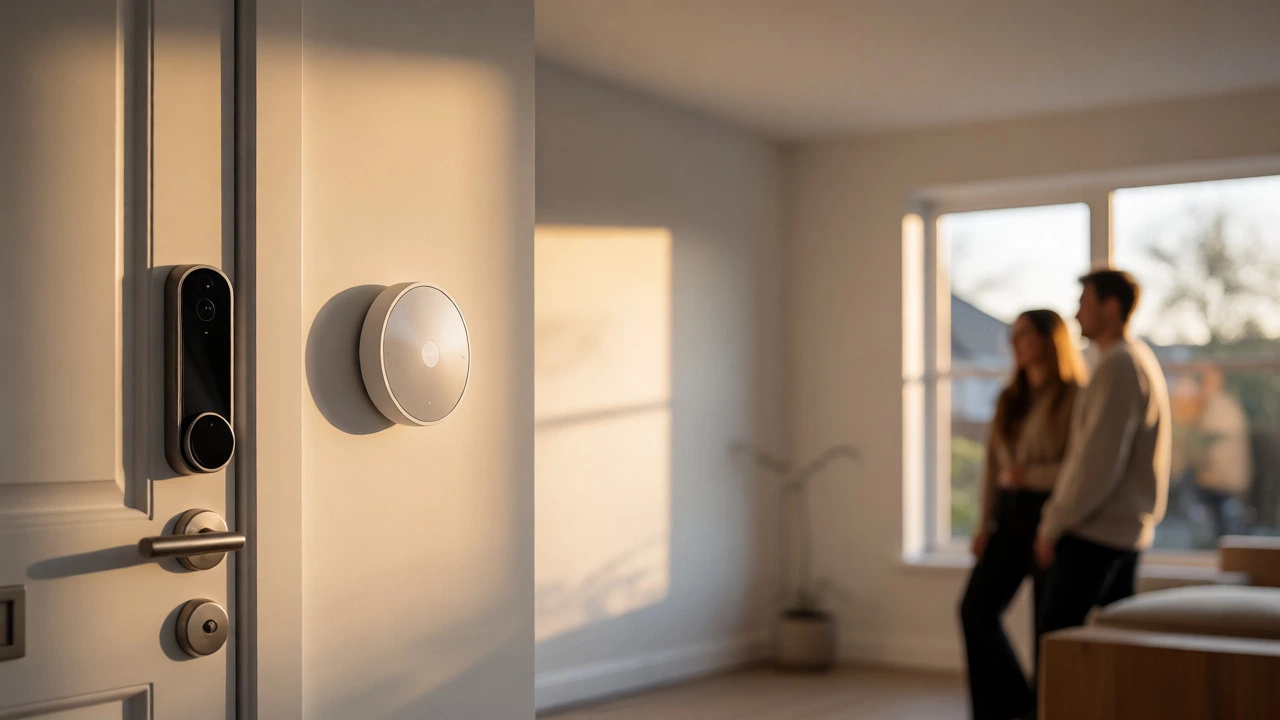
Smart Home ROI & Value Estimator
Estimate the financial impact of your smart home upgrades. Remember: Appraisers rarely add direct dollar-for-dollar value, but these features significantly improve marketability and sale speed.
ROI: 50-70% | Effort: Low
ROI: 40-60% | Effort: Low
ROI: 30-50% | Effort: Medium
ROI: 10-30% | Effort: High
Enter your details and select installed devices to calculate your potential ROI.
You just installed a $300 smart thermostat and a video doorbell. Your neighbor asks if that actually adds to your house’s worth. The short answer? It depends entirely on who you ask and what they’re looking for. But here is the uncomfortable truth: most homeowners overestimate the financial return while underestimating the marketability boost.
Real estate agents in Vancouver often tell me that buyers don’t pay extra for "smart" features directly. They pay for convenience, security, and energy efficiency. If your smart setup solves those problems visibly, you win. If it looks like a tangled mess of wires and confusing apps, you lose. Let’s break down exactly where the money goes and where it doesn’t.
The Myth of Direct Dollar-for-Dollar Returns
Forget the idea that spending $1,000 on gadgets adds $1,000 to your appraisal. That rarely happens. Appraisers look at square footage, location, and structural integrity first. Technology is secondary. However, a well-integrated system can make your home stand out in a crowded listing feed. Think of it less as an investment with a guaranteed interest rate and more as a marketing tool that speeds up the sale.
According to data from Zillow, homes listed with specific smart features sold faster than comparable non-smart homes. In some markets, this speed translates to holding costs-mortgage payments, utilities, taxes-that save you thousands. So, while the sticker price might not jump, your net profit after closing costs and months of waiting could improve significantly.
Which Devices Actually Move the Needle?
Not all tech is created equal. Some devices scream "future-proof," while others whisper "I need a new battery." Here is how the major categories stack up against buyer expectations.
| Device Type | Buyer Perception | ROI Estimate | Installation Effort |
|---|---|---|---|
| Smart Thermostats | High (Energy Savings) | 50-70% | Low |
| Video Doorbells | Medium-High (Security) | 40-60% | Low |
| Smart Locks | Medium (Convenience) | 30-50% | Medium |
| Full Automation Systems | Variable (Niche) | 10-30% | High |
Notice the pattern? Simple, visible benefits rank higher. A smart thermostat is a device that learns your schedule to optimize heating and cooling, reducing energy waste. Buyers love lower utility bills. Conversely, complex lighting scenes require explanation. If a buyer has to read a manual to turn off the lights, they won’t buy it.
The Energy Efficiency Angle
This is your strongest card to play. With energy prices fluctuating, buyers are obsessed with operating costs. Installing a smart meter or upgrading insulation sensors provides hard data. You can show potential buyers exactly how much money the previous owners saved annually. This shifts the conversation from "cool gadget" to "financial asset."
In colder climates like ours, smart radiators or zone control systems allow you to heat only occupied rooms. This isn't just tech; it's logic. When you present a spreadsheet showing 15% lower winter heating costs due to automated zoning, the value proposition becomes undeniable.
Security Sells Better Than Convenience
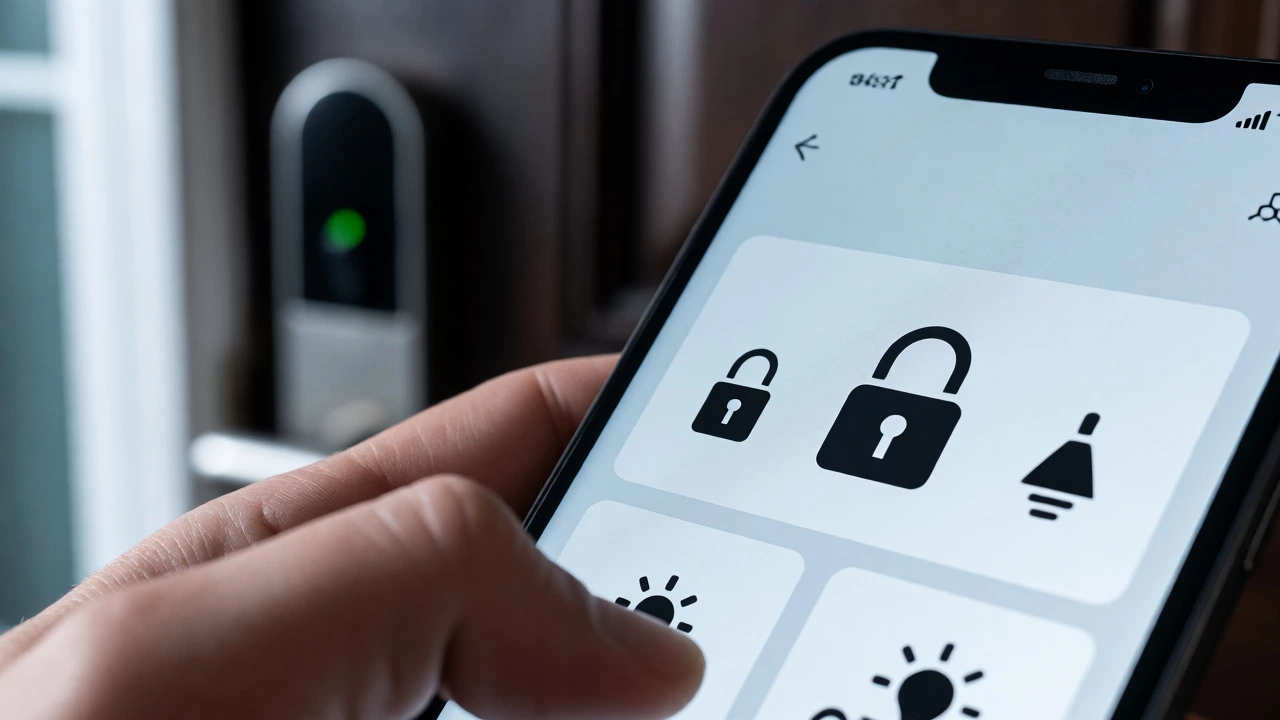
Ask any homeowner why they want automation. Often, it's safety. Home security systems that integrate cameras, motion sensors, and alarms create a sense of peace. But beware of fragmentation. A system with five different apps for five different brands feels like work. A unified interface feels like luxury.
If you install a video doorbell, ensure the cloud storage subscription is transferable or included in the sale. Nothing kills a deal faster than a buyer realizing they have to start paying monthly fees immediately after moving in. Pre-pay the first year of service as a closing gift. It costs you little but removes friction.
Pitfalls That Kill Value
You can accidentally devalue your home with poor execution. Proprietary ecosystems are the biggest risk. If you build everything around a brand that shuts down its servers next year, your expensive switches become dumb plastic bricks. Stick to open standards like Matter or Zigbee when possible. These protocols ensure compatibility across different manufacturers, protecting the longevity of your installation.
Also, avoid visible clutter. Exposed wiring, bulky hubs sitting on shelves, and outdated interfaces signal maintenance issues. Hide the brains of the operation in a closet. Keep the user interfaces sleek and minimal. If a buyer sees a tangle of cords behind their TV, they assume the whole house is messy.
How to Present Tech to Buyers
Don't just leave the devices there. Create a "Smart Home Manual." Print a one-page guide explaining how to use the main features. Include QR codes linking to simple tutorial videos. Show them how to lock the doors from their phone. Demonstrate the voice commands. Make it feel effortless during the viewing.
During open houses, have the lights dim automatically as evening approaches. Set the thermostat to a comfortable temperature before guests arrive. Small touches create an emotional connection. People buy feelings, then justify them with facts. Let the comfort do the selling.
Final Verdict: Is It Worth It?
If you plan to sell within two years, focus on high-visibility, low-cost items like thermostats and locks. Skip the full-home rewiring. If you are staying long-term, invest in integrated systems that enhance your daily life. The resale value will follow naturally because you've maintained a modern, efficient home.
Remember, technology changes fast. What is cutting-edge today is standard tomorrow. Buy for function, not hype. And always keep receipts. Documentation proves quality and helps negotiate repairs later.
Do appraisers count smart home features in their valuation?
Generally, no. Appraisers focus on permanent structures and land value. Smart devices are considered personal property unless permanently wired into the electrical system (like hardwired speakers). However, they may note the condition of these systems as a positive feature affecting market appeal rather than direct assessed value.
Should I leave my smart home subscriptions active when selling?
It is best to cancel them or offer a prepaid period. Buyers do not want hidden monthly costs. If you leave a camera system running, clarify if the cloud storage is free locally (SD card) or requires a subscription. Transparency prevents post-sale disputes.
What is the most popular smart home protocol for resale?
Matter is emerging as the universal standard, ensuring cross-brand compatibility. Wi-Fi remains the most common for consumer devices due to ease of setup. Zigbee and Z-Wave are preferred for reliability in larger homes but require a hub. Avoid proprietary closed systems that cannot be controlled by generic remotes or apps.
Can old smart devices hurt my home sale?
Yes, if they are obsolete or broken. A dead smart lock or a glitchy hub suggests neglect. If you cannot afford to upgrade, remove the devices and patch the holes. A blank wall is better than a confusing, non-functional gadget that raises questions about maintenance.
Is it better to DIY or hire a pro for smart home installation?
For resale, professional installation is safer. It ensures clean wiring and reliable connections. Buyers appreciate seeing labeled breaker panels and organized cabling. DIY errors, such as loose neutral wires or unstable Wi-Fi coverage, can scare off tech-savvy buyers who fear ongoing troubleshooting headaches.