
Smart Home Installation Advisor
Not sure if you should install a smart device yourself or hire an electrician? Answer the questions below to get a personalized recommendation based on safety, complexity, and cost.
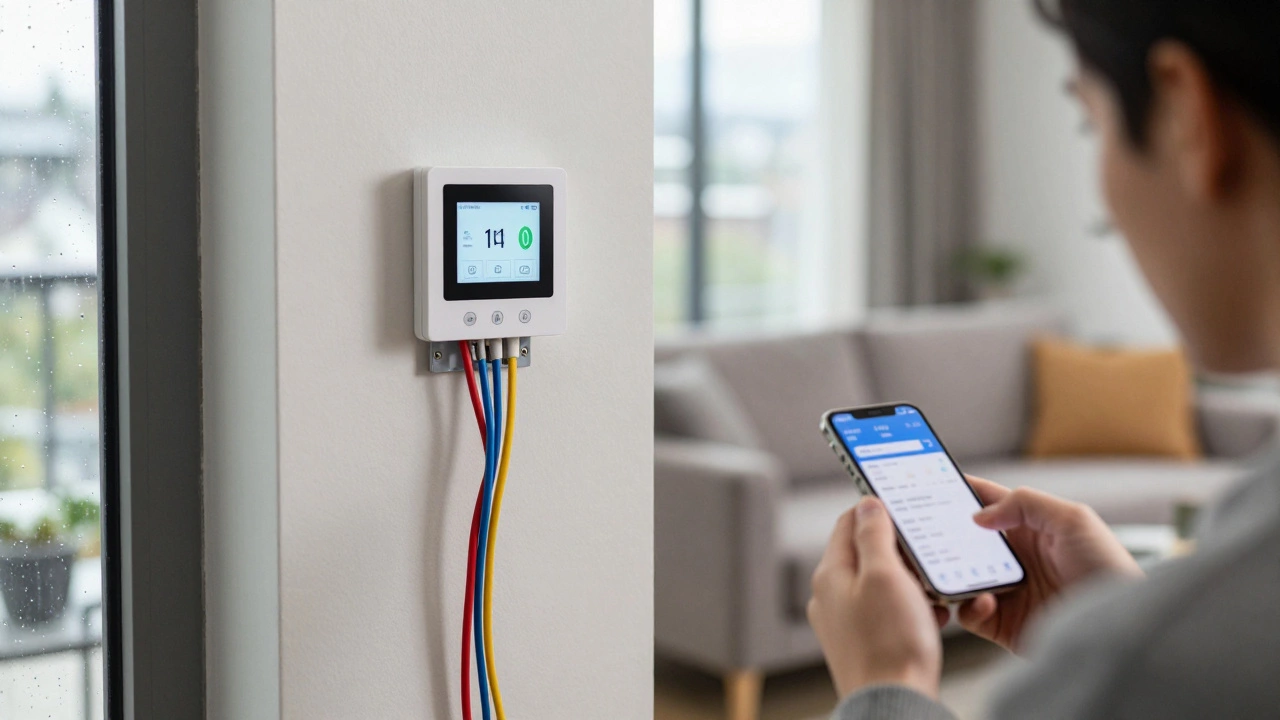
You just bought a sleek new smart thermostat that promises to cut your heating bills by 20%. You open the box, see the colorful wires, and suddenly you’re wondering: is this a weekend project or a job for a pro?
The short answer is: it depends. Some smart home upgrades are as easy as sticking a sensor on your fridge. Others involve opening your wall panels and touching live voltage. Getting this wrong doesn’t just mean a broken device; it can trip your breakers, void your insurance, or worse.
In Vancouver, where older homes often have outdated wiring and strict building codes, knowing the line between DIY and professional help is crucial. Let’s break down exactly which devices you can handle yourself and when you absolutely need to call an electrician.
Devices You Can Install Yourself (No Electrician Needed)
Most modern smart home technology is designed with the "plug-and-play" user in mind. These devices operate at low voltage or simply replace existing components without altering the home’s electrical infrastructure. If you can change a lightbulb or reset a Wi-Fi router, you can likely install these.
- Smart Plugs: These sit between your appliance and the wall outlet. No tools required. Just plug it in, download the app, and connect to Wi-Fi.
- Smart Speakers & Hubs: Devices like Amazon Echo or Google Nest require only a power outlet and internet connection. They act as the brain of your system but don’t interact with house wiring.
- Smart Sensors: Door/window sensors, motion detectors, and leak sensors usually run on batteries and attach with adhesive strips. Zero wiring involved.
- Smart Bulbs: These screw into standard lamp sockets or ceiling fixtures. As long as the fixture itself is working, you’re good to go. Note: The physical switch must remain "on" for the bulb to receive power.
- Video Doorbells (Battery-Powered): Brands like Ring and Arlo offer battery models that mount with screws and anchors. No hardwiring needed.
For these items, the risk is minimal. If something goes wrong, the worst-case scenario is a dead battery or a connectivity issue. You aren’t modifying the home’s electrical circuit.
When You Should Call an Electrician
There are specific scenarios where DIY becomes dangerous or illegal. In British Columbia, electrical work is regulated by the Technical Standards and Safety Authority (TSSA). While minor repairs might be exempt, anything involving permanent changes to wiring generally requires a licensed professional.
1. Hardwired Smart Switches Without a Neutral Wire
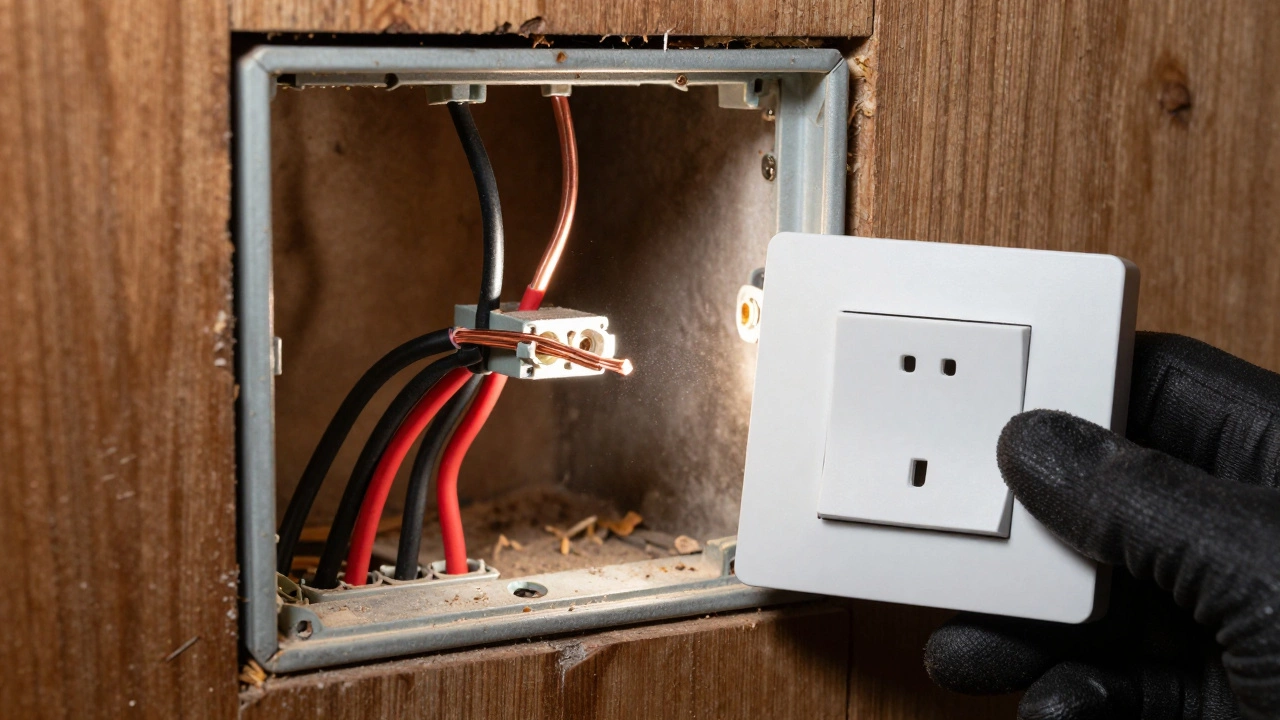
This is the most common trap. Many smart switches require a neutral wire (usually white) to provide continuous power to their internal electronics. Older homes, particularly those built before the 1980s in Vancouver neighborhoods like Kitsilano or Mount Pleasant, often lack neutral wires in switch boxes. Only the hot and traveler wires are present.
If you try to force a smart switch into a box without a neutral wire, it may flicker, fail to connect to Wi-Fi, or overheat. An electrician can run a new neutral wire or install a "no-neutral" compatible switch, but diagnosing this requires expertise.
2. Adding New Outlets or Circuits
Want to add a dedicated outlet for your EV charger or a high-power server rack? This isn’t just plugging something in. It involves calculating load capacity, choosing the correct breaker size, and running new gauge wire through walls. Doing this incorrectly can lead to overheating and fire hazards. Always hire an electrician for new circuits.
3. Integrating with Legacy Systems
If your home has a complex security system, intercoms, or motorized blinds controlled by low-voltage wiring, integrating smart controllers can be tricky. Miswiring these systems can damage expensive motors or render your security panel useless. Professionals understand signal types (dry contact vs. wet contact) and voltage requirements.
4. Outdoor Smart Lighting
Weather adds another layer of complexity. Installing outdoor smart lights requires GFCI protection and weatherproof connections. Improper sealing can lead to water intrusion, shock hazards, and corrosion. Given Vancouver’s rainy climate, this is not a place to cut corners.
The Cost-Benefit Analysis: DIY vs. Pro
Let’s talk numbers. Hiring an electrician in Vancouver typically costs between $75 and $120 per hour, plus a minimum call-out fee. For a simple task, this might seem steep compared to the $30 price tag of a smart plug.
| Task | DIY Cost (Device + Time) | Electrician Cost (Labor + Parts) | Risk Level |
|---|---|---|---|
| Install Smart Plug | $25 - $40 | N/A (Not recommended) | Low |
| Replace Standard Switch with Smart Switch | $40 - $60 | $150 - $250 | Medium (if no neutral wire) |
| Install Hardwired Video Doorbell | $150 - $250 | $200 - $400 | Medium |
| Add Dedicated Circuit for EV Charger | $500+ (Parts only) | $1,500 - $3,000 | High |
Consider the value of your time and peace of mind. If you spend three hours troubleshooting a flickering smart switch, did you really save money? Also, remember that improper installation can void the manufacturer’s warranty. Many brands explicitly state that installations involving wiring must be performed by a licensed electrician.
Safety First: Signs You’re Over Your Head
Even if you feel confident, stop immediately if you notice any of these signs:
- Burnt Smell or Discoloration: If the switch plate or outlet feels warm or looks yellowed, there’s an underlying issue. Do not touch it.
- Flickering Lights: This indicates a loose connection or grounding problem. Smart devices are sensitive to voltage fluctuations and will struggle to operate correctly.
- Tripping Breakers: If installing a device causes your breaker to trip, you have a short circuit. Turn off the power and call a pro.
- Aluminum Wiring: Homes built between 1965 and 1973 in Canada sometimes used aluminum wiring, which is prone to oxidation and fire hazards. Special connectors and expertise are required.
How to Prepare Your Home for Smart Upgrades
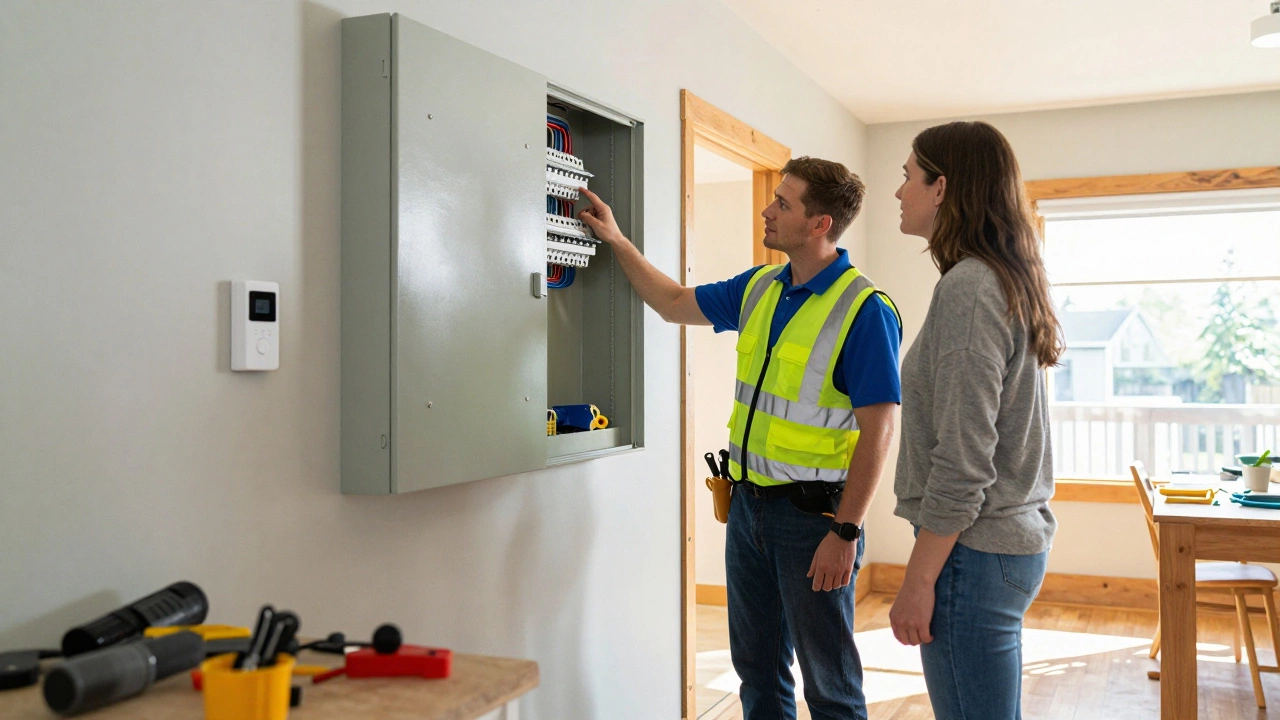
If you’re planning a major smart home overhaul, consider hiring an electrician for a pre-installation assessment. They can check your panel capacity, ensure proper grounding, and identify missing neutral wires. This proactive step can save you from buying incompatible devices later.
Also, label your breakers clearly. When you’re in the middle of installing a smart switch, knowing exactly which breaker controls which room is essential for safety. If your labels are faded or missing, ask an electrician to update them during a service call.
Local Regulations in Vancouver
In British Columbia, homeowners are allowed to do some electrical work on their own principal residence, but they must obtain an electrical permit and have the work inspected. However, this process is cumbersome for small tasks. For most smart home integrations that don’t involve new circuits, DIY is acceptable as long as you follow safety guidelines. But if you’re unsure, the safest route is always to consult a licensed electrician.
Remember, smart home technology is meant to make life easier, not stressful. Start with the low-hanging fruit-plugs, bulbs, and sensors-and build your confidence. When the wiring gets complicated, don’t hesitate to bring in the experts. Your home’s safety is worth more than a few hundred dollars in labor costs.
Can I install a smart switch myself if my home has a neutral wire?
Yes, if you are comfortable turning off the power at the breaker, verifying it is off with a voltage tester, and following the manufacturer’s instructions precisely. Ensure the switch is rated for your specific lighting load (LEDs vs. incandescents). However, if you are unsure about identifying wires, it is safer to hire an electrician.
Do I need a permit for installing smart home devices in Vancouver?
Generally, no permit is required for replacing existing outlets or switches with smart equivalents, provided no new circuits are added. However, adding new outlets, moving switches, or upgrading your electrical panel requires a permit and inspection by the Technical Standards and Safety Authority (TSSA).
What is the difference between a neutral wire and a traveler wire?
A neutral wire (white) provides a return path for electricity and powers the smart switch’s electronics. A traveler wire (often black or red) carries current to the light fixture. Many older homes lack a neutral wire in the switch box, making standard smart switches incompatible without rewiring.
Is it safe to install a hardwired video doorbell without an electrician?
It can be safe if you have experience with low-voltage wiring and know how to safely disconnect power. However, because it involves connecting to your home’s exterior wiring and potentially dealing with transformer issues, many homeowners prefer to hire an electrician to ensure proper insulation and weatherproofing.
How much does it cost to hire an electrician for smart home installation in Vancouver?
As of 2026, electricians in Vancouver typically charge between $75 and $120 per hour. Most jobs have a minimum call-out fee of $100-$150. Simple tasks like replacing a single smart switch may cost $150-$250 total, while more complex integrations can range from $300 to $1,000+ depending on the scope.