
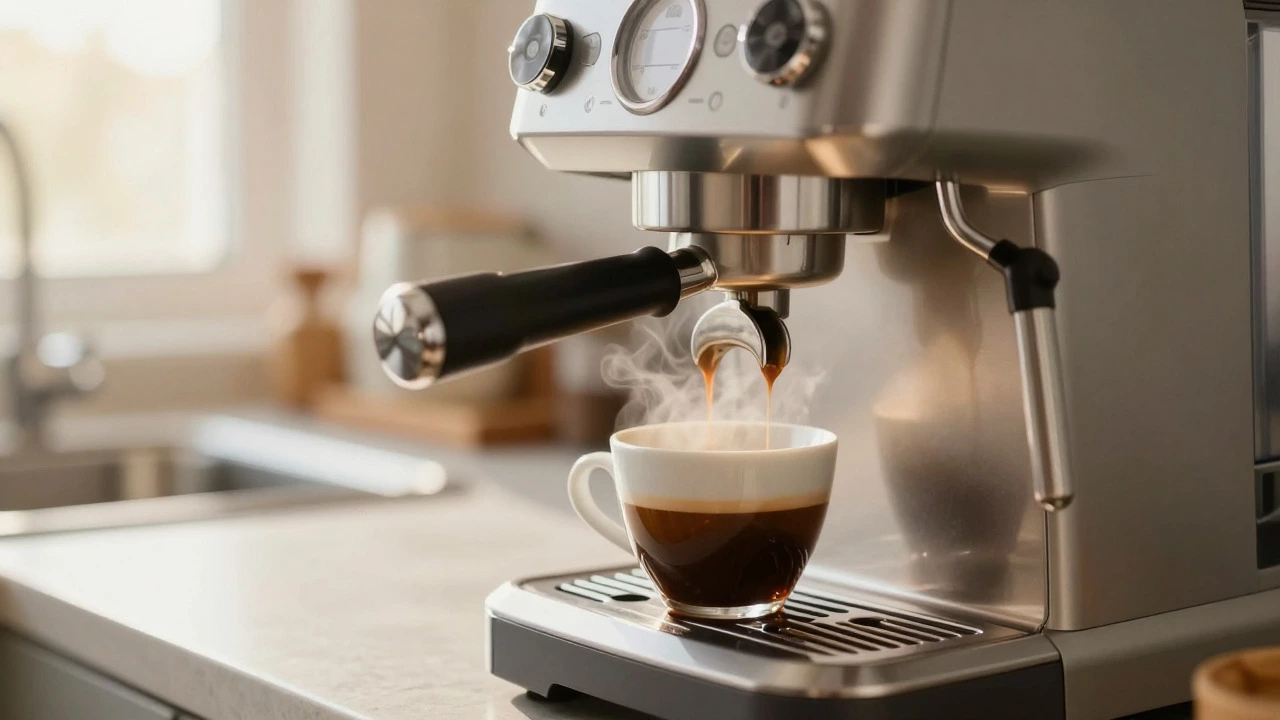
☕ Coffee Machine Maintenance Planner & Health Checker
Step 1: Analyze Your Machine's Needs
Machine Health Status
Calculating...Analyzing data...
Recommended Schedule
| Task | Frequency | Why It Matters |
|---|
Your Weekly Checklist
Click tasks to mark them as done. This resets when you change inputs.
Imagine this: you invested in a high-end espresso machine is a device that uses pressure to force hot water through finely-ground coffee beans to produce a concentrated beverage. It’s sleek, it’s powerful, and for the first month, every shot tastes like liquid gold. But then, around week six, the flow slows down. The taste turns sour. You start wondering if you bought a lemon or if something is just... off. The answer isn't always bad luck. Often, it's simple neglect.
The short answer to "do coffee machines need maintenance?" is a resounding yes. In fact, regular upkeep is the single biggest factor determining whether your appliance lasts five years or fifteen. Whether you own a pod-based system or a complex bean-to-cup unit, the internal mechanics are susceptible to two main enemies: mineral buildup and organic residue. Ignoring these leads to clogged pipes, burnt flavors, and eventually, expensive repairs that could have been avoided with a ten-minute weekly routine.
Why Your Machine Degrades Without Care
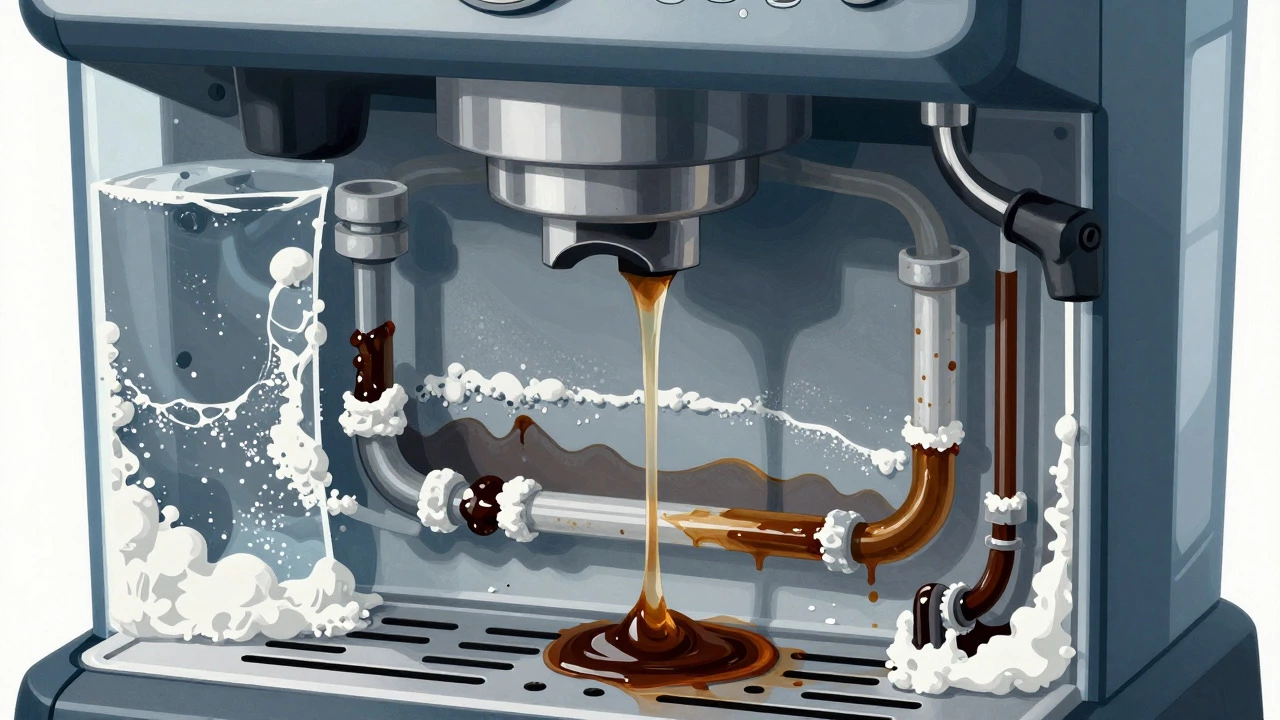
To understand why maintenance matters, you have to look at what happens inside the tank. Most homes use tap water, which contains dissolved minerals like calcium and magnesium. When heated repeatedly, these minerals precipitate out of the water and form a hard, chalky deposit known as limescale is a hard deposit formed by the precipitation of dissolved minerals, primarily calcium carbonate, from hard water. This scale coats the heating element, the pump, and the narrow tubes that carry water to the group head.
Limescale acts like an insulator. It prevents heat from transferring efficiently to the water, meaning your machine has to work harder and run hotter to reach the ideal extraction temperature of 90-96°C. This extra strain wears out the boiler faster. Simultaneously, coffee oils-especially from oily dark roasts-stick to the internal walls of the brew path. Over time, these oils oxidize and turn rancid. If they aren't flushed out, they contaminate every subsequent cup, giving your coffee a stale, bitter aftertaste that no amount of fresh beans can fix.
The Core Maintenance Tasks You Can’t Skip
You don't need to be a plumber to keep your machine healthy. There are three non-negotiable tasks that apply to almost all automatic and semi-automatic machines. Mastering these will extend the life of your equipment significantly.
- Daily Rinse: After each use, run a cycle of plain hot water through the group head (for espresso) or the spout (for drip). This flushes out loose grounds and residual oils. Wipe the steam wand immediately after steaming milk to prevent dried milk proteins from clogging the nozzle.
- Weekly Filter Swap: If your machine has a built-in water filtration cartridge, replace it according to the manufacturer's schedule, usually every 3 months or 150 liters. Even if it doesn't show up on a digital display, the carbon and ion-exchange media degrade over time, losing their ability to trap chlorine and minerals.
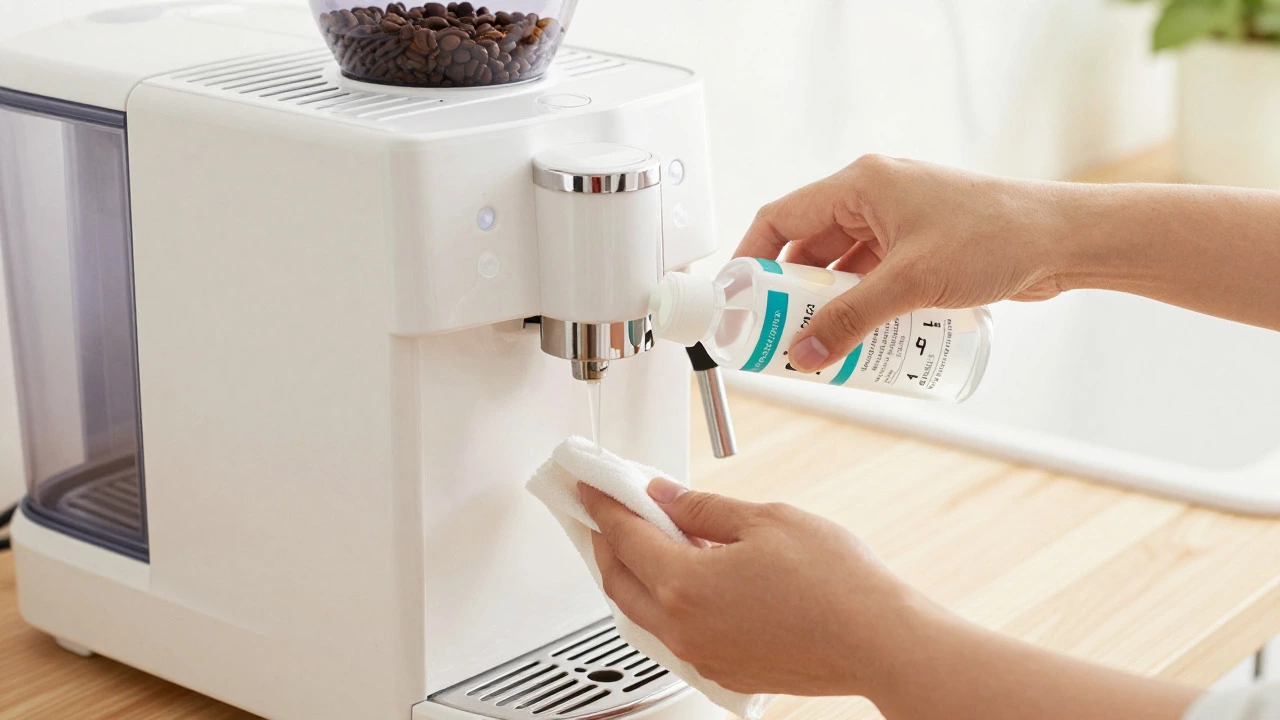
- Monthly Descaling: This is the heavy lifting. Use a citric acid-based descaling solution (vinegar works in a pinch but leaves a smell) to dissolve existing limescale. Run the solution through the machine, let it sit for 15 minutes, and then flush with clean water until the taste disappears.
Many users skip descaling because it seems tedious. However, skipping this step is the fastest way to kill a machine. A heavily scaled heating element can crack due to thermal stress, a repair that often costs more than half the price of a new unit.
Differences by Machine Type
Not all machines require the same level of attention. The complexity of the mechanism dictates the maintenance load. Here is how the requirements differ across popular categories:
| Machine Type | Key Maintenance Focus | Frequency | Common Failure Point |
|---|---|---|---|
| Pod/Capsule (e.g., Nespresso) | Rinsing puncture needle, cleaning drip tray | Weekly | Clogged water valve |
| Bean-to-Cup Automatics | Emptying grinder hopper, flushing grinder, descaling | Weekly/Monthly | Stale beans in grinder, limescale in boiler |
| Semi-Automatic Espresso | Backflushing group head, purging steam wand | Daily/Weekly | Clogged shower screen, worn gaskets |
| Drip Coffee Makers | Cleaning carafe, descaling base | Monthly | Burnt taste from oil residue |
For instance, a bean-to-cup machine is an automated appliance that grinds, brews, and dispenses coffee in one step has a grinder that sits idle between uses. Coffee oils left in the grinder during weekends can go rancid. You must empty the hopper regularly and run a few tablespoons of raw rice through the grinder once a month to absorb excess oils. Conversely, a capsule machine has fewer moving parts but relies heavily on the precision of its puncturing mechanism. A tiny piece of plastic shard from a damaged capsule can jam the water valve, requiring professional disassembly.
Water Quality: The Hidden Variable
Here is a secret many manufacturers don't shout about: your local water hardness matters more than the brand of your machine. If you live in an area with very hard water, you might need to descale every 4-6 weeks instead of monthly. Conversely, if you have soft water, you can stretch the interval to every 2-3 months.
You can test your water hardness using inexpensive test strips available online. If your reading is above 150 ppm (parts per million), consider installing an external inline water filter. These filters reduce mineral content before the water even enters the machine, drastically reducing scale formation. It’s a cheap insurance policy that protects your investment without changing your daily routine.
Signs Your Machine Needs Immediate Attention
Your machine will tell you when it’s struggling. Pay attention to these warning signs before they become breakdowns:
- Slow Extraction: If your espresso shot takes longer than 30 seconds to finish, the flow is restricted. This is almost always limescale blocking the micro-channels in the group head or boiler.
- Bitter or Sour Taste: If your coffee tastes off despite using fresh beans, the issue is likely old coffee oils stuck in the brew path. A deep clean with a dedicated cleaning tablet is needed.
- Weird Noises: Grinding or clicking sounds from the pump indicate air locks or scale buildup disrupting the water flow. A simple descale cycle often fixes this.
- Steam Wand Sputtering: If the steam wand shoots sputters instead of a smooth jet, milk residues have dried inside the tube. Disassemble and soak the wand in warm soapy water.
Cost-Benefit Analysis: DIY vs. Professional Service
Should you hire a technician? For most home users, the answer is no. Basic maintenance-descaling, cleaning, and filter swaps-is entirely DIY-friendly. Manufacturers design these steps to be user-accessible. However, there are exceptions. If your machine is under warranty, avoid opening the chassis yourself, as this may void the contract. Also, if you hear a loud bang or see water leaking from the bottom of the unit, stop using it immediately. Internal leaks can damage electronics, and repairing a wet circuit board is far more expensive than replacing the machine.
Think of maintenance like oil changes in a car. You wouldn't drive a car for five years without changing the oil, expecting it to still run smoothly. Coffee machines have similar fluid dynamics. Ten minutes a week saves you hundreds of dollars in potential repairs and ensures that your morning ritual remains enjoyable rather than frustrating.
Frequently Asked Questions
How often should I descale my coffee machine?
It depends on your water hardness. For average tap water, descale every 1-2 months. If you have very hard water, do it every 4-6 weeks. If you use filtered or distilled water, you can extend this to every 3-6 months. Always check your user manual for specific recommendations based on usage volume.
Can I use vinegar to descale my coffee machine?
Yes, white vinegar mixed with water (1:1 ratio) is effective and cheap. However, it can leave a lingering smell if not rinsed thoroughly. Citric acid powders are generally preferred because they are odorless and less corrosive to rubber seals over time. Avoid using commercial lime removers intended for kettles if they contain strong acids not rated for food-grade appliances.
Do capsule coffee machines need descaling?
Yes. Even though capsules contain pre-measured coffee, the water still passes through the same internal pipes and heating element. Limescale builds up regardless of the brewing method. Most capsule brands recommend descaling every 3 months or 150 cups, whichever comes first.
What is backflushing and why is it important?
Backflushing is a process used primarily in semi-automatic espresso machines where you insert a blind basket into the group head and run hot water backwards through the shower screen. This dislodges coffee fines and oils that get trapped in the small holes. It’s crucial for maintaining consistent pressure and preventing clogs that lead to uneven extraction.
Does using filtered water eliminate the need for maintenance?
No, it reduces the frequency but doesn't eliminate it. Filtered water removes many minerals, but some trace amounts remain. Additionally, coffee oils still build up in the brew path. You still need to clean the grinder, wipe the steam wand, and perform occasional descaling cycles, just less frequently than with tap water.