
Indoor Air Quality & Comfort Checker
Current Room Conditions
Analysis Result
Ready to Analyze
Adjust the sliders and select your conditions on the left, then click "Analyze My Environment" to get personalized advice.
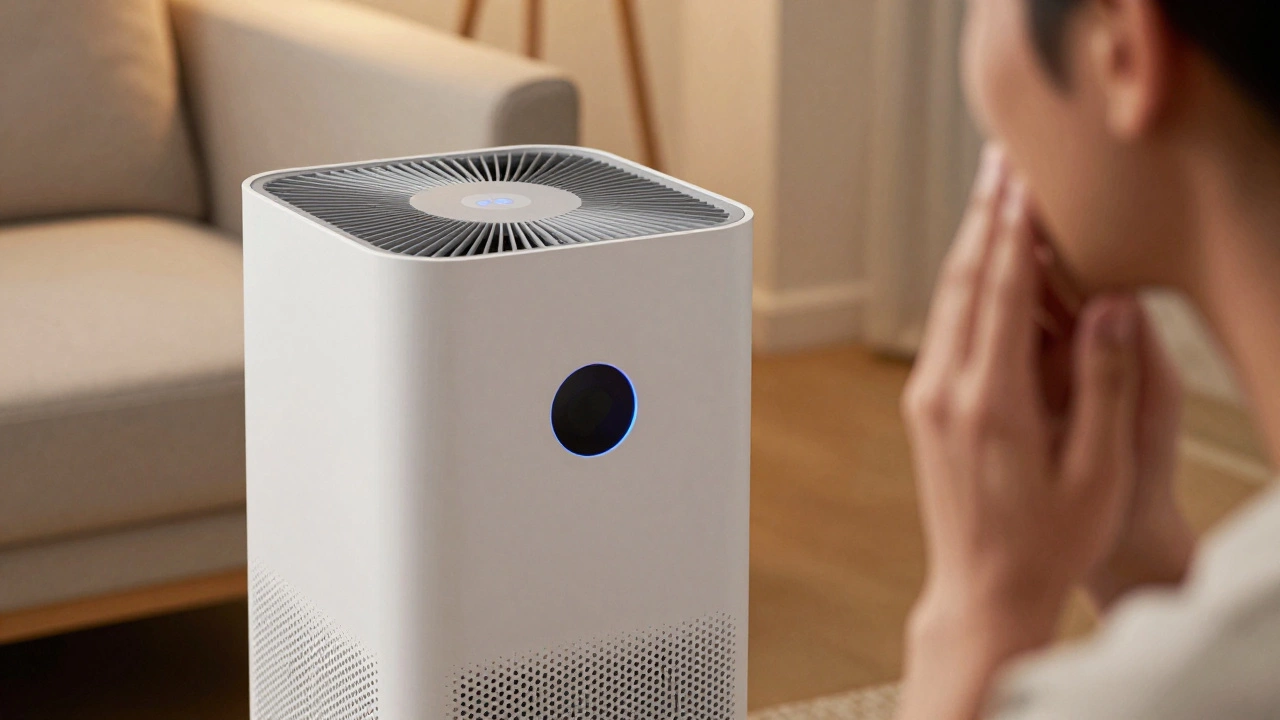
You wake up with a scratchy throat, your skin feels tight, and your nose is stuffy. Your first thought might be that the air purifier running in the corner is sucking all the moisture out of the room. It’s a common worry, especially if you’ve noticed that winter air feels drier than ever. But here is the short answer: no, standard air purifiers do not dry out the air. In fact, they have almost zero impact on the relative humidity levels in your home.
This misconception persists because we often confuse air movement with moisture removal. When a fan blows air across your skin, it evaporates sweat faster, making you feel cooler and sometimes drier. An air purifier works similarly-it moves air through a filter to trap particles like dust, pollen, and pet dander. It does not remove water vapor from the atmosphere. Understanding this distinction is crucial for maintaining healthy indoor air quality without falling into unnecessary anxiety about your equipment.
How Air Purifiers Actually Work
To understand why these devices don’t affect humidity, you need to look at what they are actually doing. Most residential units rely on one of three technologies: mechanical filtration (HEPA), activated carbon, or electrostatic precipitation. Let’s break down the mechanics.
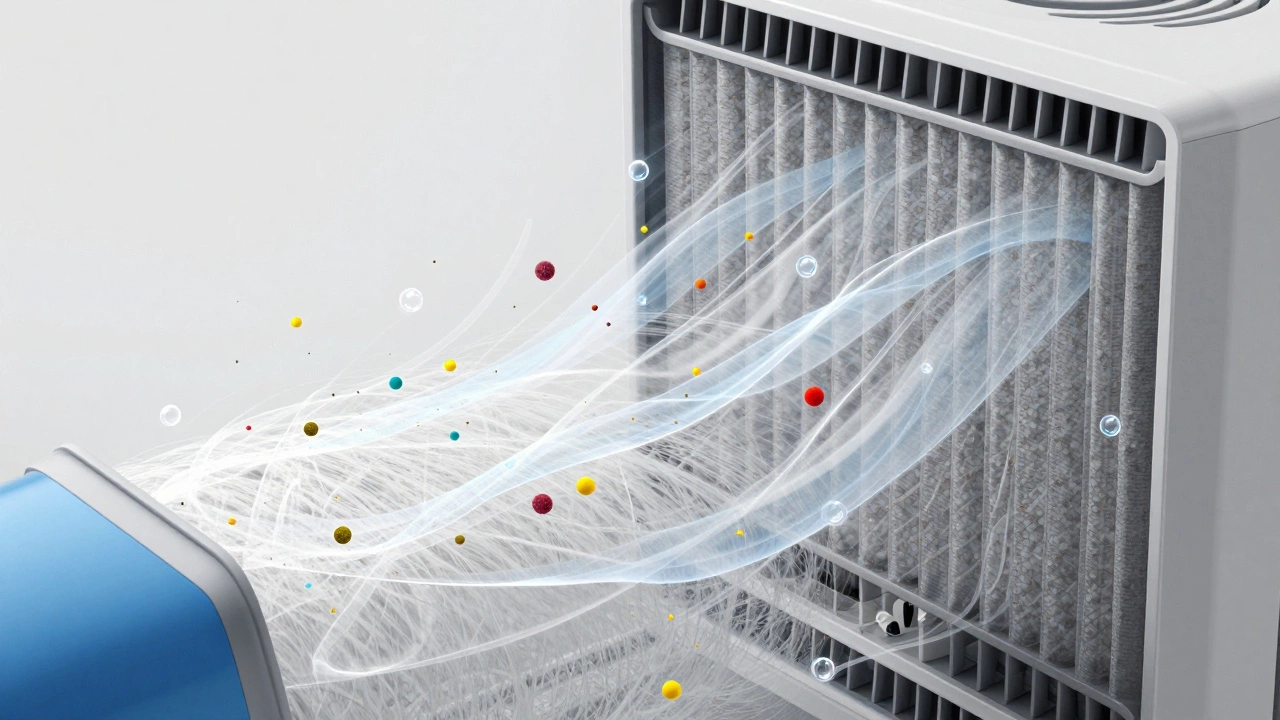
Mechanical filters, particularly True HEPA filters, work by physical entrapment. As air is pulled into the unit by a fan, it passes through a dense mat of fibers. Particles larger than 0.3 microns get stuck in the mesh. Smaller particles are caught via diffusion. Water vapor molecules, however, are incredibly small-about 0.0004 microns. They pass right through the filter media as easily as the oxygen and nitrogen you breathe. The filter captures solids and liquids (like droplets of oil or mold spores), but it cannot capture gaseous water vapor.
Activated carbon filters add another layer. These are designed to absorb gases, odors, and volatile organic compounds (VOCs). While carbon is porous and can hold some moisture if it becomes saturated, its primary job is chemical adsorption, not dehumidification. Even if the carbon gets slightly damp, it doesn’t actively pull significant amounts of humidity from the room air in a way that would lower the overall relative humidity percentage.
Electrostatic precipitators use an electric charge to attract particles to collection plates. Again, this process targets solid particulates. While ionizers-a subset of electrostatic technology-can produce trace amounts of ozone, they still do not strip water vapor from the air. The physics simply don’t support the idea that these machines act as dehumidifiers.
The Real Culprits Behind Dry Indoor Air
If your air purifier isn’t drying out your home, what is? You’re likely blaming the wrong appliance. Several factors contribute to low indoor humidity, and identifying them helps you solve the problem effectively.
| Source | Mechanism | Impact Level |
|---|---|---|
| Heating Systems (Furnaces/Radiators) | Warm air holds more moisture capacity; heating cold outdoor air lowers relative humidity drastically. | High |
| Air Conditioning | AC units condense moisture from warm air to cool it, actively removing water vapor. | Medium-High |
| Ventilation | Bringing in dry outdoor air (common in winter) without humidifying it. | Medium |
| Indoor Plants & Pets | Transpiration and respiration release moisture, but insufficient to counteract heating/cooling. | Low |
| Drafts & Poor Insulation | Loss of conditioned air allows external dry air to infiltrate. | Medium |
During winter, outdoor air is naturally dry. Cold air holds very little moisture. When you bring that air inside and heat it up, the temperature rises, but the absolute amount of water vapor stays the same. Since warm air *can* hold much more moisture than cold air, the relative humidity drops significantly. This is known as the "psychrometric effect." Your furnace or radiator is the main driver here, not the air purifier sitting quietly in the corner.
In summer, air conditioners are the primary offenders. To cool your home, an AC unit must remove heat energy. It does this by passing warm indoor air over cold coils. Moisture in the air condenses on these coils and drains away outside. This process inherently dehumidifies the space. If you run your AC heavily, you will notice drier skin and static electricity, regardless of whether your air purifier is on or off.
Why People Think Air Purifiers Cause Dryness
Psychology plays a big role here. We associate the sensation of dry air with certain symptoms: itchy eyes, dry skin, and respiratory irritation. Ironically, these are also the exact symptoms caused by poor air quality-specifically, airborne irritants like dust mites, pollen, and pet dander.
When you turn on an air purifier, you are removing those irritants. However, if you have been suffering from allergies or asthma, your mucous membranes might already be inflamed and sensitive. Sometimes, the relief from allergens takes time, while the sensation of airflow from the purifier’s fan hits your face immediately. That direct airflow can evaporate natural oils from your skin and dry out your nasal passages locally, even if the room’s overall humidity hasn’t changed.
Consider this scenario: You sit in a chair directly in the path of the purifier’s exhaust vent. The constant stream of air moving past your face will make your skin feel tighter. Move the unit two feet to the left, and the sensation disappears. The humidity in the room remains identical, but your perception changes because the direct wind chill effect is gone.
Measuring Humidity: Don’t Guess, Measure
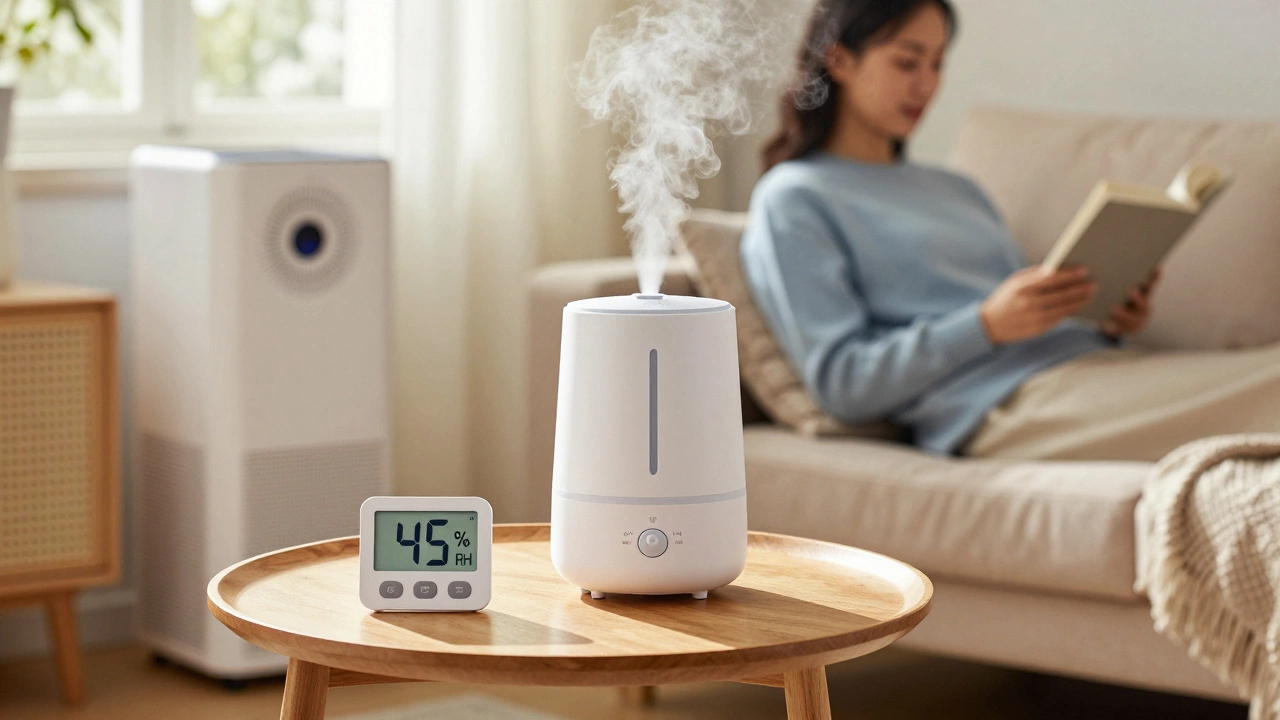
To settle the debate once and for all in your own home, you need data. Human perception of humidity is notoriously unreliable. A hygrometer is an inexpensive tool that measures relative humidity (RH). Ideally, indoor RH should stay between 30% and 50%. Below 30%, you risk respiratory issues and static shock. Above 50%, you invite mold growth and dust mites.
Here is a simple test you can perform:
- Place a digital hygrometer in the center of the room where your air purifier runs.
- Record the humidity level with the purifier turned off for one hour.
- Turn the purifier on to its highest setting and record the level after another hour.
- Compare the readings. You will likely see no change, or a fluctuation of less than 1%, which is within the margin of error for most consumer-grade sensors.
If you notice a drop in humidity, check your HVAC system settings or look for drafts near windows and doors. The air purifier is almost certainly innocent.
Best Practices for Comfortable Air Quality
Since air purifiers don’t control humidity, you need to manage air quality and moisture levels separately. Here is how to keep your home comfortable year-round.
- Use a Whole-Home Humidifier: If you live in a dry climate or use forced-air heating, consider installing a humidifier connected to your HVAC system. This adds moisture evenly throughout the house without creating hot spots of condensation.
- Position Your Purifier Wisely: Place the unit away from seating areas and beds. Aim the exhaust vents toward walls or open spaces rather than directly at people. This prevents the local drying effect of airflow on your skin.
- Maintain Filter Integrity: A clogged filter reduces airflow efficiency. While it won’t dry the air, it makes the fan work harder, potentially increasing noise and reducing purification effectiveness. Replace HEPA filters every 6-12 months, depending on usage.
- Combine Technologies: For optimal health, pair an air purifier with a hygrometer. Monitor both particle counts (if your purifier has a sensor) and humidity levels. Adjust ventilation or humidification based on real-time data, not feelings.
Special Cases: Ionic Purifiers and Ozone
Some older or cheaper air purifiers use ionic technology. These devices emit negative ions to clump particles together so they fall to the floor. A side effect of this process can be the production of ozone, a gas that irritates the lungs. Ozone exposure can cause coughing, throat irritation, and chest pain-symptoms that mimic dry air discomfort.
If you have an ionic purifier and feel respiratory distress, it might not be dryness; it could be ozone irritation. Modern standards strictly limit ozone emissions from air purifiers sold in many regions. Look for certifications from organizations like AHAM (Association of Home Appliance Manufacturers) or CARB (California Air Resources Board) to ensure your device is safe. Avoid unverified ionic generators, especially if you have asthma or other respiratory conditions.
Conclusion: Focus on the Right Tools
Your air purifier is a tool for cleaning the air, not conditioning it. It removes pollutants, allergens, and pathogens, contributing to better long-term health. It does not, however, alter the water content of the air. Blaming it for dry skin or chapped lips is like blaming a vacuum cleaner for a messy kitchen-they serve different purposes.
If you are struggling with dry air, look at your heating and cooling systems. Use a humidifier during winter months and ensure your AC isn’t over-dehumidifying in the summer. Keep your air purifier running to maintain clean air, but position it so the airflow doesn’t blast directly at you. By separating the functions of filtration and humidity control, you can create a home environment that is both clean and comfortably moist.
Can a HEPA filter reduce humidity?
No, a HEPA filter cannot reduce humidity. HEPA filters are designed to trap solid particles like dust, pollen, and smoke. Water vapor molecules are too small to be captured by the filter mesh, so they pass through unchanged.
Why does my skin feel dry when I use an air purifier?
Your skin may feel dry due to the direct airflow from the purifier’s fan, which accelerates evaporation of natural oils on your skin surface. This is a local effect, not a change in the room’s overall humidity. Moving the purifier away from your immediate vicinity usually resolves this sensation.
Do air purifiers help with dry sinuses?
Indirectly, yes. By removing allergens and irritants, air purifiers reduce inflammation in the nasal passages. However, they do not add moisture. For dry sinuses, you should use a saline spray or a humidifier alongside your air purifier for best results.
Is it better to use a humidifier or an air purifier?
They serve different purposes and are not mutually exclusive. Use an air purifier to remove pollutants and allergens. Use a humidifier to add moisture if your indoor relative humidity is below 30%. Many homes benefit from using both devices simultaneously for optimal comfort and health.
Can an air purifier cause static electricity?
Not directly. Static electricity is caused by low humidity. Since air purifiers do not lower humidity, they do not cause static shocks. If you experience more static, it is likely due to seasonal changes, heating systems, or air conditioning, not the purifier itself.