
Headphone Driving Safety & Legality Checker
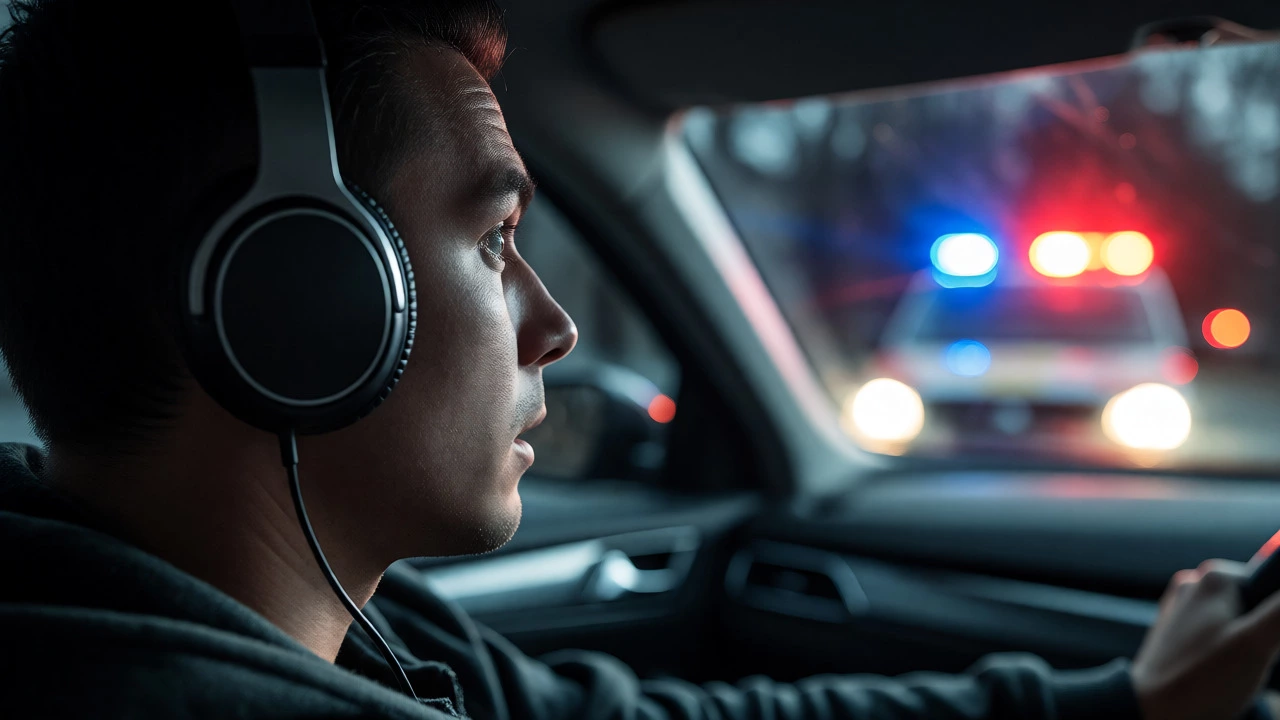
You are cruising down the highway, the engine hum is gone, and your favorite podcast sounds like it is being recorded in a studio. It feels amazing. But then a siren wails somewhere behind you, or a car horn blares at an intersection, and you realize you didn't hear it until it was too late. This scenario raises a critical question for every commuter: can I drive with noise cancelling headphones? The short answer is complicated. While the technology is fantastic for blocking out the drone of a long flight, using it while operating a vehicle introduces significant safety risks and legal gray areas that vary wildly depending on where you live.
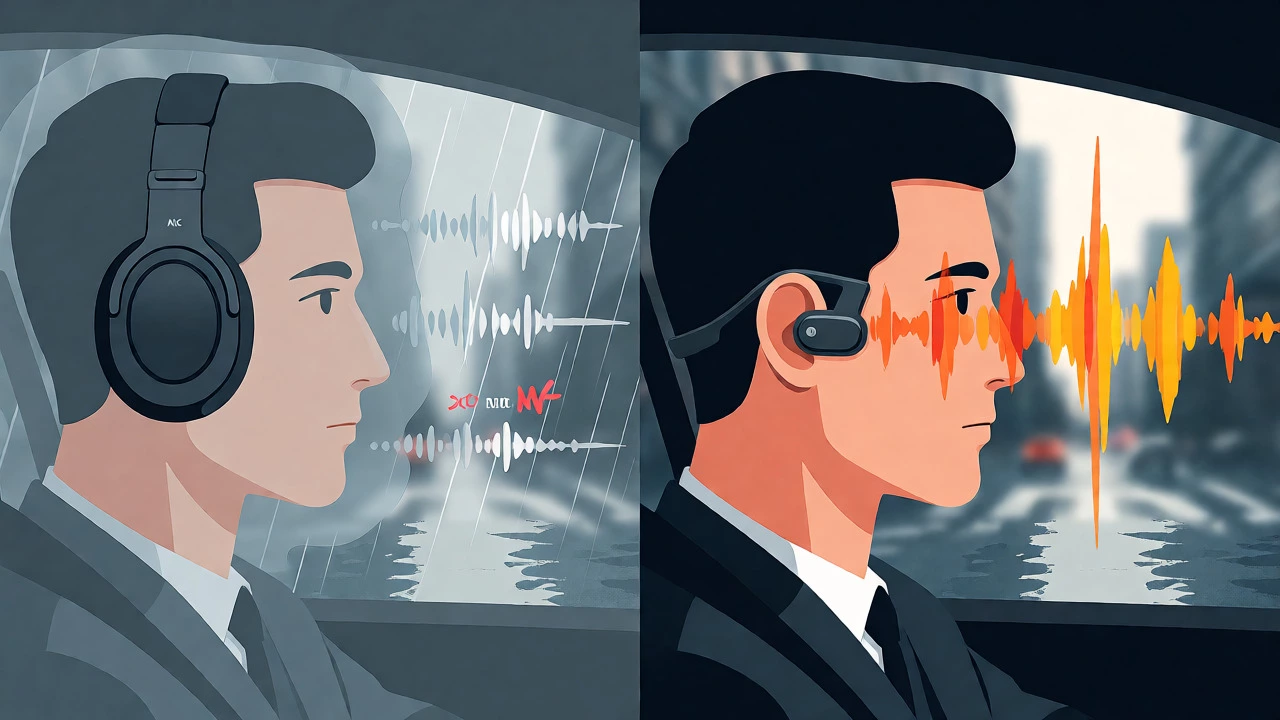
The core issue isn't just about hearing music; it's about Active Noise Cancellation (ANC). Unlike standard passive isolation, which simply muffles sound with physical barriers like foam pads, ANC uses microphones to detect external noise and generate inverse sound waves to cancel it out. While this creates silence, it also removes the auditory cues that keep drivers aware of their surroundings. Emergency vehicles, screeching tires, and pedestrians shouting warnings rely on sound to alert drivers. When you block those frequencies, you are effectively driving with one sense disabled.
The Safety Reality: What You Lose When You Block Sound
Driving is a multi-sensory task. Your eyes handle visual input, but your ears provide crucial spatial awareness. Studies from the National Highway Traffic Safety Administration (NHTSA) have consistently shown that auditory distractions contribute significantly to accidents. When you wear over-ear headphones, especially those with strong ANC, you create an "auditory tunnel vision." You might see a car approaching in your peripheral vision, but you won't hear the engine pitch change as they accelerate toward your blind spot.
Consider a rainy day in Vancouver. The rain itself makes noise, masking other sounds. If you add ANC headphones to that mix, you might not hear a cyclist ringing their bell right next to your window. The risk isn't just missing a song lyric; it's missing the warning signs that prevent collisions. Passive noise isolation is safer than active cancellation because it allows some high-frequency sounds, like sirens, to bleed through, whereas ANC can sometimes dampen them entirely if the frequency matches the noise profile being canceled.
Legal Landscape: Where Is It Illegal?
There is no single global law banning headphones while driving. Instead, regulations depend on your specific location, ranging from strict prohibitions to vague "distracted driving" clauses. As of 2026, here is how different regions approach the issue:
| Region | Legality Status | Potential Penalty | Key Regulation Detail |
|---|---|---|---|
| British Columbia, Canada | Illegal | Fine up to $167 + ICBC surcharge | Explicitly bans wearing earphones/headsets in both ears. |
| California, USA | Illegal | Fine varies by county | Prohibits covering both ears with headphones or earplugs. |
| New York, USA | Illegal | Fine up to $150 | Bans devices covering both ears unless used for hearing aids. |
| United Kingdom | Not explicitly illegal | Discretionary fine / Court penalty | Can be prosecuted under "careless driving" if deemed unsafe. |
| Germany | Generally Permitted | N/A | Allowed if they do not impair traffic safety; police discretion applies. |
In places like British Columbia, where I live, the law is clear: you cannot wear headphones in both ears. One ear must remain open to traffic. In California, similar laws exist. However, in many US states and European countries, there is no explicit ban on headphones themselves. Instead, officers use "distracted driving" or "failure to maintain control" statutes. If you get into an accident while wearing them, the fact that you were listening to music can be used as evidence of negligence, potentially increasing your insurance premiums or liability.
Types of Headphones: Which Are Safest?
Not all audio gear affects your driving ability equally. Understanding the differences between device types helps you make a smarter choice.
- Over-Ear ANC Headphones: These offer the best noise cancellation but the worst situational awareness. They seal off the entire ear canal. If you must use them, ensure they have a "Transparency Mode" or "Ambient Sound" feature that lets outside noise back in.
- In-Ear Monitors (IEMs): Smaller and less isolating than over-ears, but still risky if they fit snugly. Some models allow air passage, which is better for hearing sirens.
- Open-Ear Bone Conduction Headphones: These sit on your cheekbones and transmit sound through vibrations, leaving your ear canal completely open. This is widely considered the safest option for cyclists and runners, and increasingly popular for drivers who want audio without blocking ambient noise.
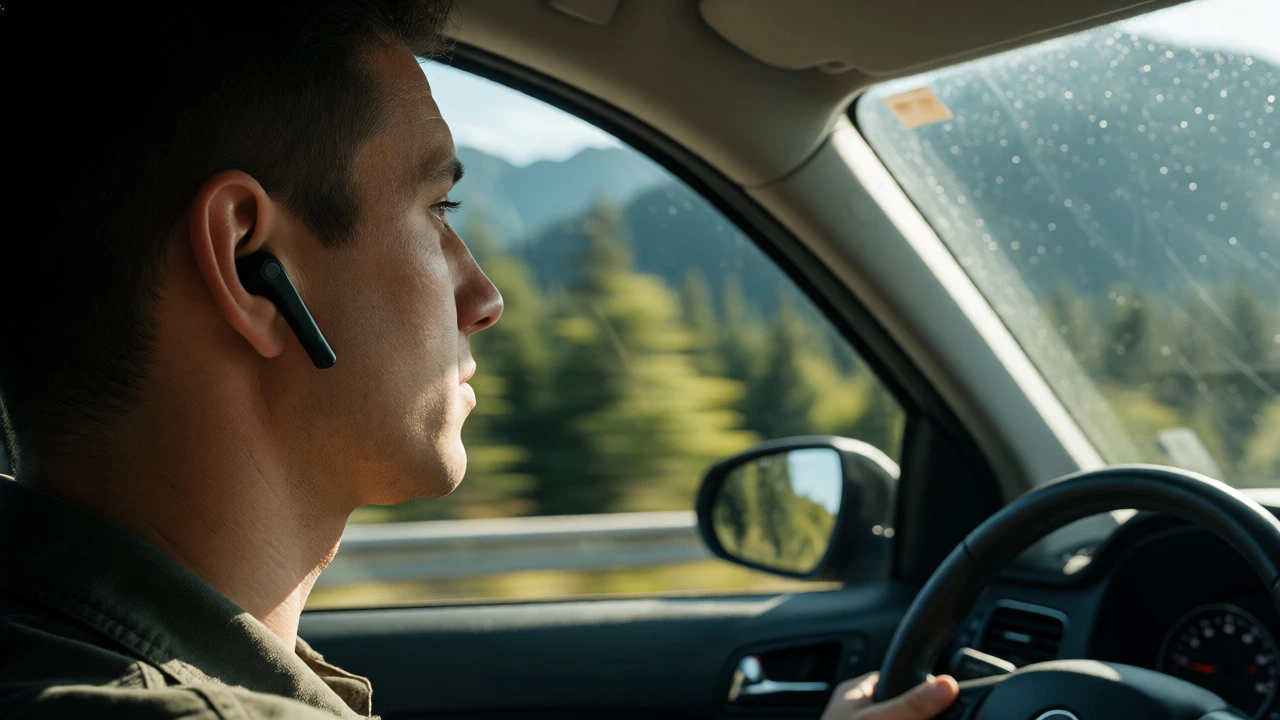
- Single-Ear Bluetooth Devices: Many jurisdictions explicitly allow wearing a headset in one ear. This maintains stereo balance issues (you lose directional audio cues), but it preserves the ability to hear traffic from the uncovered side.
Modern Car Tech vs. Personal Audio
Why would anyone choose headphones over their car's built-in system? Usually, it's about quality or privacy. A driver might want to listen to a complex audio book without disturbing passengers, or perhaps their car's speakers are poor. However, modern infotainment systems are designed for driving. They integrate with navigation prompts and emergency alerts directly into the audio stream.
If you use personal headphones, you disconnect yourself from these integrated alerts. Your phone might tell you to turn left, but if your volume is high, you miss the voice prompt. Worse, if your phone rings, answering it via headphones often requires taking your hands off the wheel or fumbling for buttons, adding another layer of distraction. Voice assistants like Siri or Alexa help, but they aren't perfect in noisy environments-even with ANC, background wind noise can confuse the microphone.
Best Practices for Safe Listening
If you decide to wear headphones while driving, follow these guidelines to minimize risk and stay within legal bounds:
- Use Transparency Mode: Most premium ANC headphones (like Sony WH-1000XM5 or Bose QuietComfort Ultra) have a button to instantly let outside sound in. Use this whenever you approach intersections, construction zones, or heavy traffic.
- Keep Volume Low: Even with noise cancellation, keep the volume low enough that you can hear someone speaking to you normally from outside the car.
- One Ear Only: If local laws permit, wear only one earbud or headphone cup. This preserves binaural hearing, allowing you to locate the source of sounds, which is critical for judging distance and speed of other vehicles.
- Avoid High-Speed Highways: On city streets, you need to hear pedestrians and crosswalk signals. On highways, you need to hear sirens and tire friction. If possible, reserve headphone use for low-speed residential areas or when parked.
- Check Local Laws Regularly: Legislation changes. What was legal last year might be fined today. Always verify current rules in the province or state you are driving in.
FAQ: Common Questions About Driving with Headphones
Is it illegal to drive with one headphone in?
It depends on your location. In many places, including parts of Canada and the UK, wearing one earbud is generally acceptable as long as it doesn't impair your driving. However, in strict jurisdictions like California, even covering one ear might be scrutinized if it leads to an accident. Always check local traffic codes.
Do noise cancelling headphones cause accidents?
They don't cause accidents directly, but they increase the risk by reducing situational awareness. Drivers wearing ANC may react slower to auditory warnings like horns or sirens, leading to delayed braking or steering responses.
Are bone conduction headphones safe for driving?
Yes, they are generally considered safer because they leave your ear canal open, allowing you to hear ambient traffic sounds naturally. However, they still distract your brain by processing audio content, so caution is still required.
Can I get a ticket for wearing AirPods while driving?
Yes, in many jurisdictions, small earbuds like AirPods count as headphones. If you are wearing two, you are likely violating distracted driving or specific headphone bans. Wearing one might be tolerated, but it is not universally legal.
Does noise cancellation affect my ability to hear sirens?
Yes. Active Noise Cancellation is particularly effective at low-frequency droning noises, but it can also dampen mid-frequency sounds like sirens if the algorithm is aggressive. Always use transparency mode when emergency vehicles are nearby.