
Senior Vacuum Finder
Answer a few questions about your needs or your loved one's situation to get personalized vacuum recommendations.
Your Profile
Recommended Category
Safety & Usage Tips
Fill out the profile on the left and click "Find My Best Match" to see recommendations.
For many older adults, the daily chore of vacuuming isn't just annoying-it’s a genuine physical hazard. Heavy uprights strain the lower back, tangled cords create tripping risks on uneven flooring, and complex controls can be frustrating when eyesight or dexterity begins to fade. If you are shopping for your parents, grandparents, or yourself, the goal isn't finding the most powerful suction engine; it is finding a machine that respects physical limitations while still keeping dust at bay.
The best vacuum cleaner for senior citizens balances three critical factors: weight, ease of use, and maintenance simplicity. A device that requires bending down to empty a bin or lifting five pounds of plastic over a head to clean a filter will likely end up in the closet within a month. Instead, we look for lightweight designs, self-emptying features, and intuitive interfaces that don’t require reading tiny manual pages.
Why Standard Vacuums Fail Seniors
Most mainstream vacuums are designed for marketing specs-high air watts, deep carpet penetration, and smart app connectivity. While these sound impressive, they often ignore the ergonomic reality of aging bodies. Traditional upright vacuums typically weigh between 15 and 20 pounds. For someone with arthritis, limited shoulder mobility, or balance issues, pushing that weight across carpet creates unnecessary friction and fatigue.
Corded models present another layer of difficulty. Dragging a 25-foot cord around furniture requires constant stopping, unplugging, and repositioning. This repetitive motion stresses joints and increases the risk of falls if the cord catches on a rug edge. Furthermore, many modern vacuums bury their filters under multiple latches or require specialized tools to access. If changing a filter feels like disassembling an aircraft engine, users are less likely to do it regularly, leading to reduced performance and potential respiratory irritants from dirty exhaust.
Key Features to Prioritize for Elderly Users
When filtering through the market, ignore the horsepower ratings and focus on usability metrics. Here is what actually matters for independent living:
- Weight and Balance: Look for units under 8 pounds. More importantly, check the center of gravity. A front-heavy stick vacuum will pull away from the hand, causing wrist strain. The ideal unit feels balanced in the palm.
- Cordless Freedom: Eliminating the cord removes the biggest trip hazard. However, ensure the battery life exceeds 30 minutes. Older adults may not want to wait for a recharge mid-clean.
- Self-Emptying Capability: This is a game-changer. Robotic vacuums with auto-empty docks allow seniors to avoid the messy, dusty task of opening a canister. If using a handheld, look for "one-touch" emptying mechanisms.
- Large Buttons and Clear Displays: Tiny icons are hard to see. Prioritize devices with large, tactile buttons and clear LED indicators for battery status and error codes.
- Low Maintenance Filters: Washable HEPA filters are excellent because they eliminate recurring costs and trips to buy replacements. Ensure they dry quickly (under 24 hours) to prevent mold smells.
Top Categories: Stick vs. Robot vs. Handheld
There is no single "best" type for every senior, as needs vary based on mobility levels and home layout. Let's break down the three main contenders.
| Feature | Cordless Stick Vacuum | Robot Vacuum | Handheld/Cordless Upright |
|---|---|---|---|
| Physical Effort | Moderate (requires walking/pushing) | Minimal (set and forget) | High (requires bending/standing) |
| Carpet Performance | Excellent (with motorized brush) | Good (limited by height/battery) | Poor to Fair (smaller motors) |
| Maintenance | Manual bin emptying, filter washing | Auto-empty (if dock included), pad washing | Frequent small bin empties |
| Best For | Active seniors who enjoy light activity | Those with limited mobility or joint pain | Spot cleaning spills and quick messes |
Recommendation 1: The Lightweight Cordless Stick
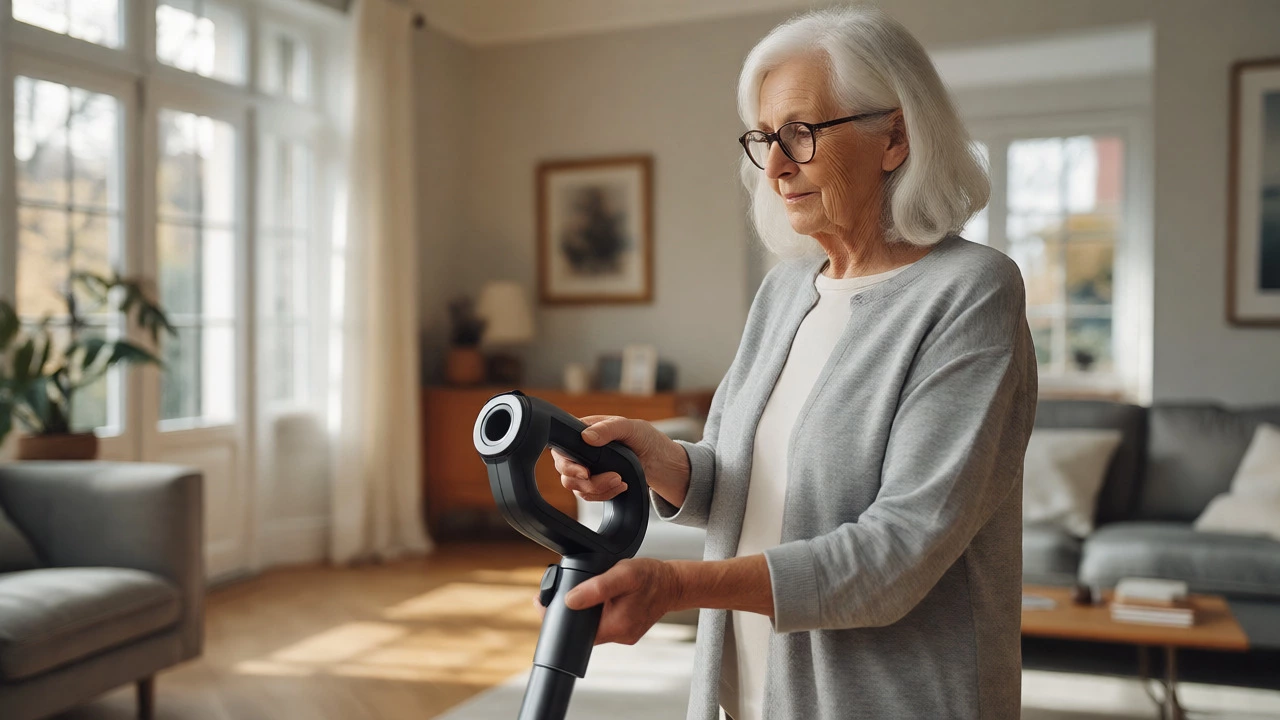
For seniors who still have decent mobility but struggle with heavy machines, a high-quality cordless stick vacuum is the sweet spot. These devices mimic the feel of a broom but offer superior suction. Brands like Dyson and Shark dominate this space, but newer entrants like Tineco offer competitive pricing.
A prime example is the Shark Vertex Pro Lightweight Cordless. It weighs roughly 9 pounds but distributes that weight evenly along the shaft, reducing wrist torque. Its "Clean Sense IQ" technology automatically boosts power when it detects dirt, meaning the user doesn't need to fiddle with settings. The anti-hair wrap brush roll prevents long hair and pet fur from tangling, a common frustration that requires cutting with scissors-a risky task for those with poor vision or shaky hands.
Another strong contender is the Dyson V12 Detect Slim. It is significantly lighter than its predecessors (around 5 pounds). The laser dust detection helps seniors see hidden debris without bending down to inspect shadows. However, note that Dyson bins can sometimes be tricky to empty cleanly. If the user has severe arthritis, the push-to-release mechanism might require more force than preferred.
Recommendation 2: The Self-Emptying Robot
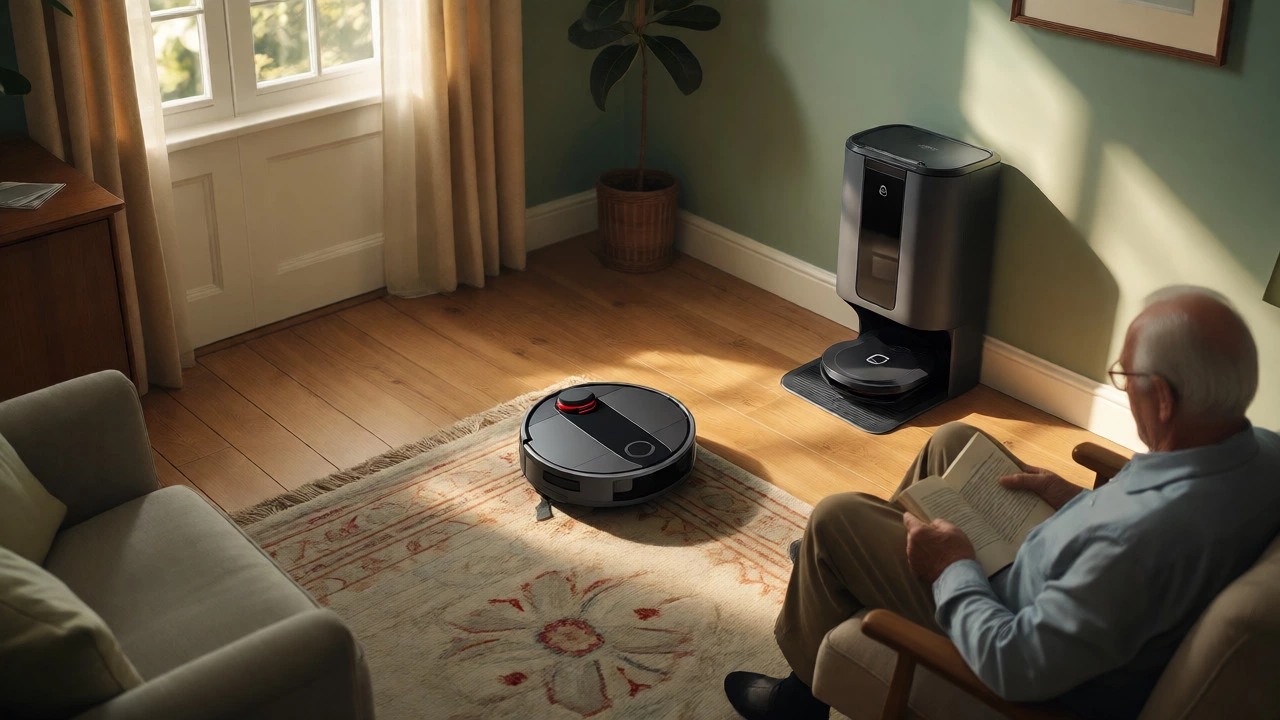
If standing and walking are difficult, or if the senior lives alone and wants minimal intervention, a robot vacuum is arguably the safest choice. Modern robots are far smarter than the bump-and-go models of the past. They map rooms, avoid obstacles like shoes and cables, and return to their docks autonomously.
The iRobot Roomba j7+ stands out for its obstacle avoidance. Unlike older models that got stuck on phone chargers, the j7 uses AI cameras to identify and navigate around specific hazards. This reduces the anxiety of having to rescue a trapped robot. The "Plus" model includes a Clean Base Automatic Dirt Disposal. The robot unloads its own dust into a sealed bag in the dock. The senior only needs to replace this bag once every 60 days. No bending, no dust clouds, no messy handling.
For homes with mostly hard floors, consider the Roborock S8 Pro Ultra. It vacuums and mops simultaneously, then washes and dries its own mop pads. This eliminates the separate task of sweeping and mopping, which is physically demanding. The trade-off is cost and size; these docks are bulky and expensive. But for preserving independence and reducing fall risks, the investment pays off in safety.
Recommendation 3: The Compact Handheld for Spot Cleaning
Sometimes, full-room cleaning isn't necessary. Spills happen. Crumbs fall. For these moments, a dedicated handheld vacuum is essential. Do not rely on the main vacuum for minor messes if it requires moving furniture or navigating tight spaces.
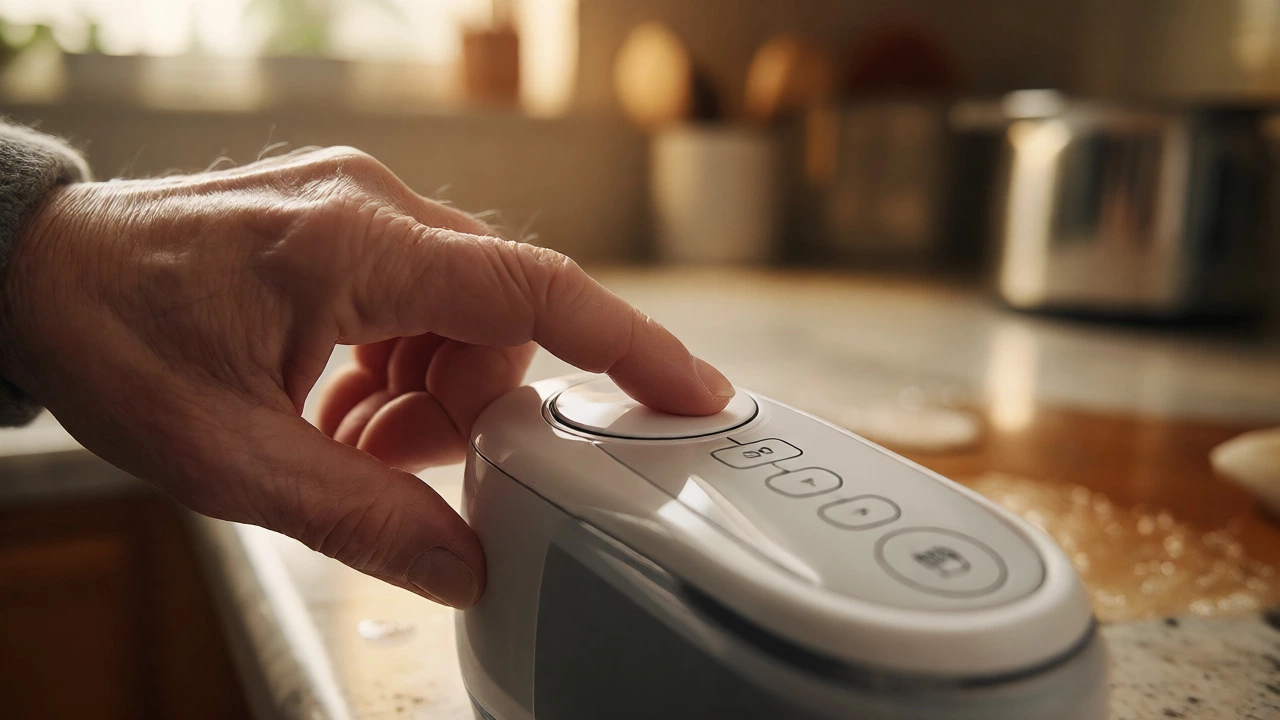
The Black+Decker Dustbuster series remains popular for a reason. It is incredibly light (often under 2 pounds), charges via a simple cradle, and has a transparent bin so users can see when it's full. The crevice tool attaches easily for corners. Pairing a primary stick or robot vacuum with a cheap, reliable handheld ensures that small accidents don't become big chores.
Ergonomic Tips for Safe Vacuuming
Even with the best equipment, technique matters. Encourage seniors to adopt these habits to protect their backs and knees:
- Use Both Hands: Never operate a vacuum with one hand. Two hands provide stability and reduce the twisting motion on the spine.
- Clear the Floor First: Pick up socks, toys, and papers before turning on the machine. This prevents clogs and reduces the time spent bent over picking things up afterward.
- Vacuum During Peak Energy Times: Schedule cleaning for the morning when energy levels are highest, rather than late afternoon when fatigue sets in.
- Take Breaks: Don't try to clean the whole house in one go. Doing one room per day is sustainable and keeps the home consistently tidy without exhaustion.
Common Pitfalls to Avoid
Be wary of "smart" features that add complexity. Wi-Fi connectivity sounds nice, but if the vacuum disconnects from the network and stops working, troubleshooting it can be stressful. For most seniors, physical buttons are superior to app-based controls. Also, avoid vacuums with complex multi-stage filtration systems that require replacing three different types of filters. Simplicity equals consistency.
Finally, check the noise level. Some high-suction models roar at 80 decibels. For seniors with hearing aids, this feedback loop can be painfully loud and disorienting. Look for models rated under 75 dB for a calmer cleaning experience.
Is a robot vacuum enough for a senior citizen?
For maintenance cleaning, yes. A high-end robot with a self-emptying dock can handle daily dust and crumbs effectively. However, for deep cleaning carpets or tackling large spills, a backup stick or handheld vacuum is recommended. Robots excel at consistency, not intensity.
How heavy should a vacuum be for an elderly person?
Ideally, under 8 pounds for a stick vacuum and under 3 pounds for a handheld. Anything heavier than 10 pounds can cause arm fatigue and back strain during prolonged use. Weight distribution is also crucial; a balanced design feels lighter than a top-heavy one.
Are cordless vacuums safe for seniors with pacemakers?
Generally, yes. Most modern cordless vacuums emit low-frequency electromagnetic fields well within safety limits for pacemakers. However, manufacturers usually recommend keeping the vacuum motor at least 6 inches away from the implanted device. Always consult with a cardiologist for specific medical advice.
What is the easiest way to empty a vacuum for someone with arthritis?
Look for "bagless" models with a large trigger button that opens the bin directly over the trash can. Alternatively, choose a robot vacuum with an automatic dirt disposal dock, which seals the waste in a bag inside the dock, requiring no manual contact with dust.
Do I need a HEPA filter for a senior's vacuum?
Yes, especially if the senior suffers from allergies, asthma, or COPD. A HEPA filter traps fine particles like pollen and pet dander, preventing them from being blown back into the air. This improves indoor air quality and reduces respiratory irritation.