
The Reliability Leaderboard
When you look at repair data and owner experiences, a few names consistently rise to the top. You aren't just looking for a brand name; you're looking for a specific design philosophy. Some brands prioritize a "luxury" feel with more tech, while others focus on the basics.| Brand | Average Lifespan | Main Strength | Common Weak Point |
|---|---|---|---|
| LG | 10-12 Years | Energy Efficiency | Linear Compressors |
| Samsung | 9-11 Years | Innovation/Tech | Ice Maker Failures |
| Whirlpool | 12-15 Years | Ease of Repair | Basic Aesthetics |
| GE Appliances | 11-14 Years | Part Availability | Electronics Glitches |
| Miele / Sub-Zero | 20+ Years | Build Quality | Extreme Cost |
Why Some Brands Outlast Others
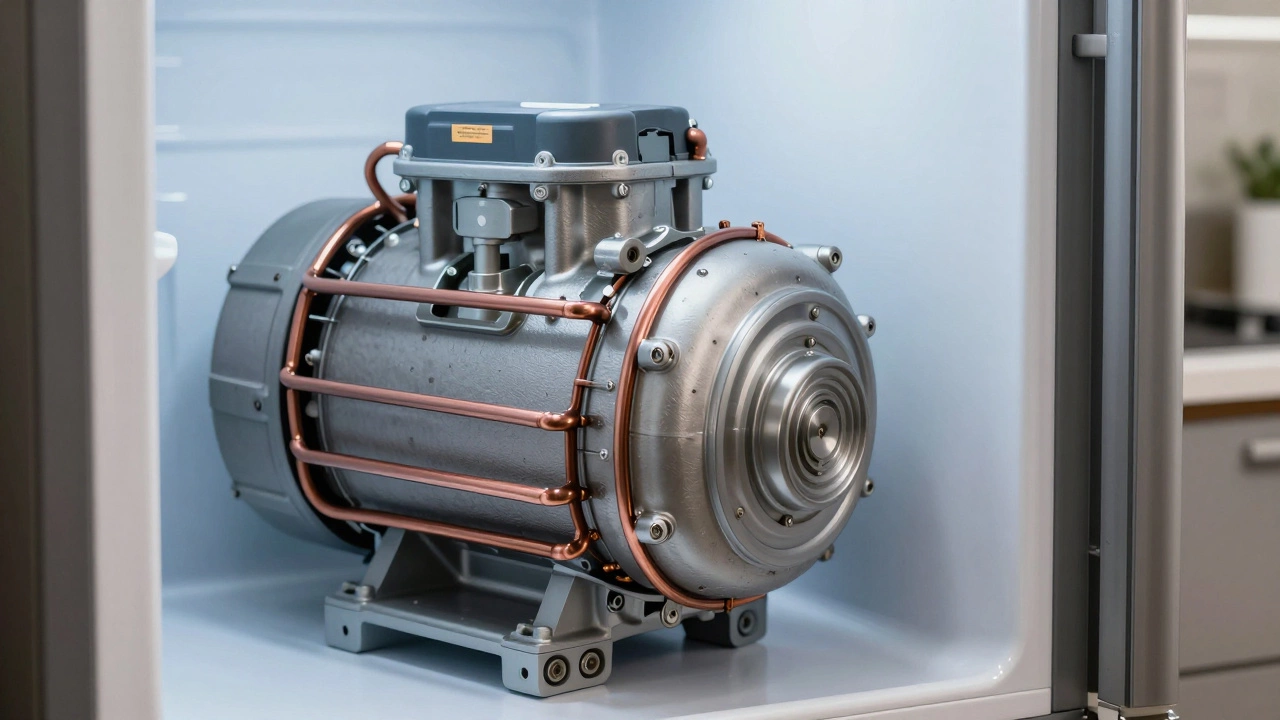
It usually comes down to the Compressor, which is essentially the heart of your fridge. A compressor is the pump that moves refrigerant through the coils to remove heat from the interior. Brands like Whirlpool and GE have spent decades refining basic, robust compressors that aren't as prone to sudden failure as some of the newer, high-efficiency inverter models. If you want a fridge that lasts, avoid the "feature creep." Do you really need a tablet in your door that tells you the weather? Every single electronic component added to a fridge is a potential fuse that can blow or a board that can short-circuit. The simplest models-top-freezer or basic bottom-freezer units-almost always outlast the complex French-door models with dual ice dispensers.The High-End Exception: Sub-Zero and Miele
If budget isn't an issue, Sub-Zero is the gold standard. They don't just make a bigger fridge; they use a completely different architecture. Most consumer fridges have one compressor. Sub-Zero often uses separate refrigeration systems for the freezer and the fridge. This means if one fails, your food doesn't all spoil at once. Similarly, Miele focuses on industrial-grade components. These brands use heavy-duty steel and high-grade plastics that don't crack under the stress of temperature swings. The trade-off is the price tag; you're paying for a machine that is designed to be serviced and repaired over decades, not replaced every seven years.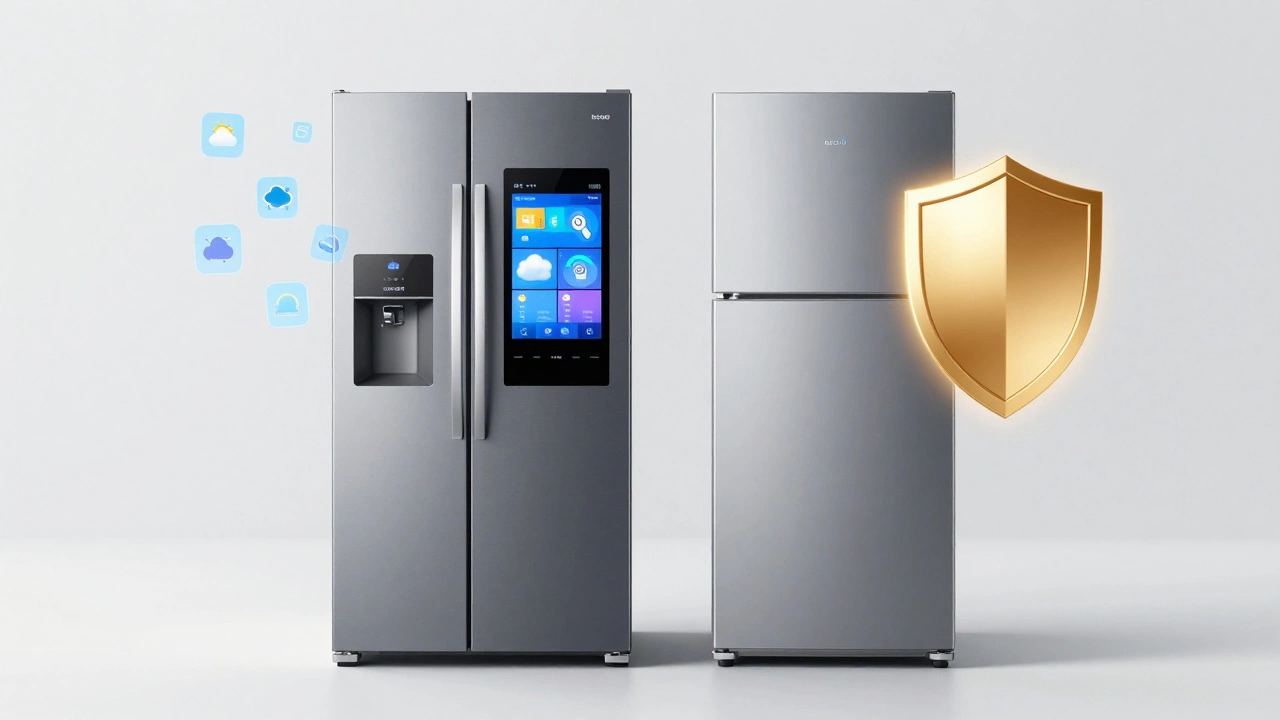
The Energy Efficiency Paradox
There is a weird tension between sustainability and longevity. An energy-efficient fridge, such as those with Energy Star certification, often uses a Linear Compressor. These are designed to run more smoothly and use less power, which is great for your electricity bill. However, some early versions of this tech in brands like LG were notorious for failing prematurely. To get the best of both worlds, look for models that have a proven track record of 3-5 years in the market. Don't be the first person to buy the brand-new "revolutionary" cooling tech. Wait for the real-world data to show that the energy savings don't come at the cost of a shorter lifespan.How to Make Any Brand Last Longer
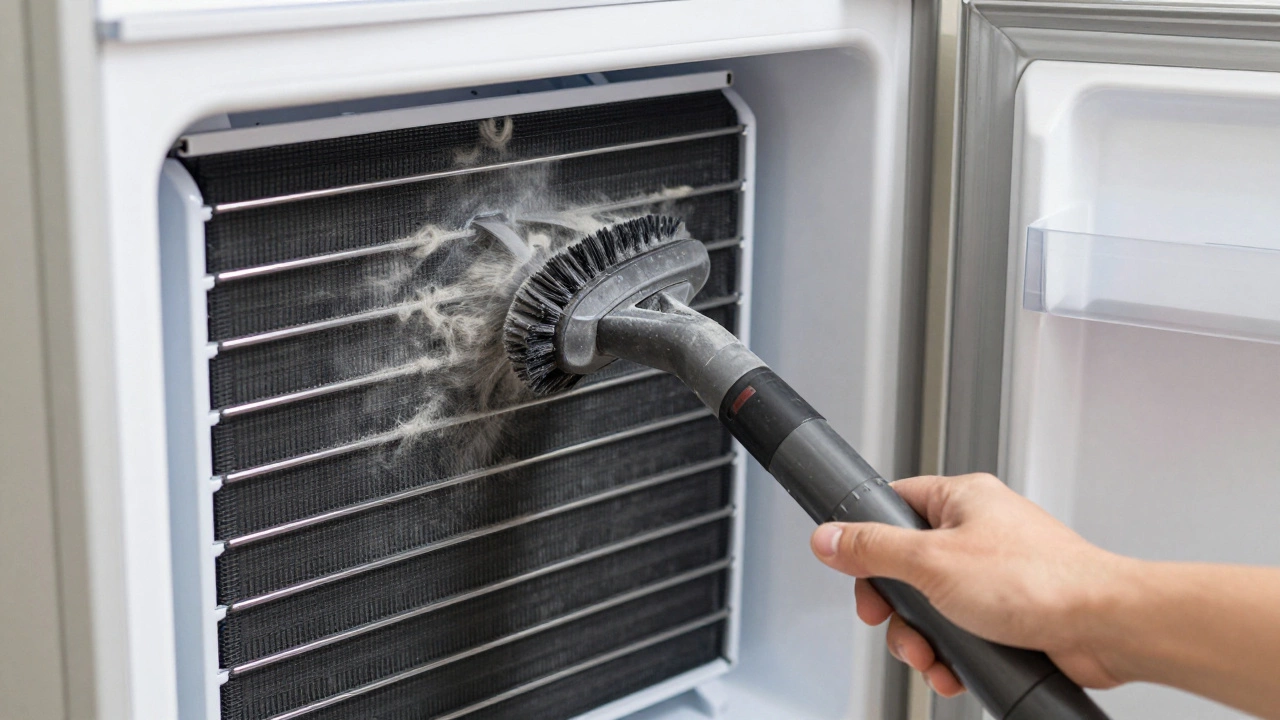
Regardless of the brand you pick, how you treat the machine determines when it dies. Most people ignore the most important part of their fridge: the Condenser Coils. These are the grids (usually on the back or bottom) that release heat. When they get coated in dust and pet hair, the compressor has to work twice as hard to keep the food cold. This extra strain kills the motor years ahead of schedule. Here is a quick maintenance checklist to extend your fridge's life:- Vacuum the coils every six months. Use a brush attachment to get the dust out.
- Check the door gaskets. If the rubber seal is leaking, your fridge is leaking cold air, forcing the compressor to run 24/7.
- Keep the freezer organized. Overfilling a freezer blocks the air vents, which causes the system to overwork.
- Don't lean heavy items against the back of the fridge where the lines are.
Comparing Value vs. Lifespan
If you spend $2,000 on a Samsung that lasts 10 years, your cost is $200/year. If you spend $8,000 on a Sub-Zero that lasts 25 years, your cost is $320/year. You aren't necessarily saving money by going high-end; you're buying peace of mind and reducing the waste sent to landfills. For the average homeowner, Whirlpool and GE offer the best "value-to-lifespan" ratio. Because they are so common, almost every technician in North America has the parts and the knowledge to fix them. There is nothing worse than having a fridge that could be fixed for $100 but is deemed "unrepairable" because the brand doesn't stock the parts anymore.Which brand has the fewest repairs?
In general, brands like Whirlpool and GE tend to have lower repair rates for their basic models compared to high-tech models from Samsung or LG. High-end brands like Sub-Zero have very low failure rates but require specialized (and expensive) technicians when something does go wrong.
Do French-door fridges last as long as top-freezers?
Usually, no. French-door models have more complex door hinges, more electronic sensors, and often more complicated ice/water systems. Top-freezer models are the simplest design and typically have the longest operational lifespan because there is less to break.
Is a 10-year warranty actually worth it?
Be careful. Most "10-year warranties" only cover the part (like the compressor) and not the labor to install it. Labor can often cost more than the part itself. Always check if the warranty is "full coverage" or "limited part-only."
Does the brand of the compressor matter?
Yes. Reciprocating compressors (found in older/simpler brands) are generally more durable. Inverter compressors (found in energy-efficient models) are quieter and cheaper to run but can be more sensitive to power surges and electrical issues.
How do I know if my fridge is about to fail?
Listen for a clicking sound coming from the back, which often indicates a struggling starter relay. Also, if you notice the fridge is running constantly without cycling off, or if you see frost building up on the back wall of the freezer, your seals or compressor may be failing.