
Noise Cancellation Matchmaker
Answer the questions below to see which brand's Active Noise Cancellation (ANC) philosophy matches your lifestyle.
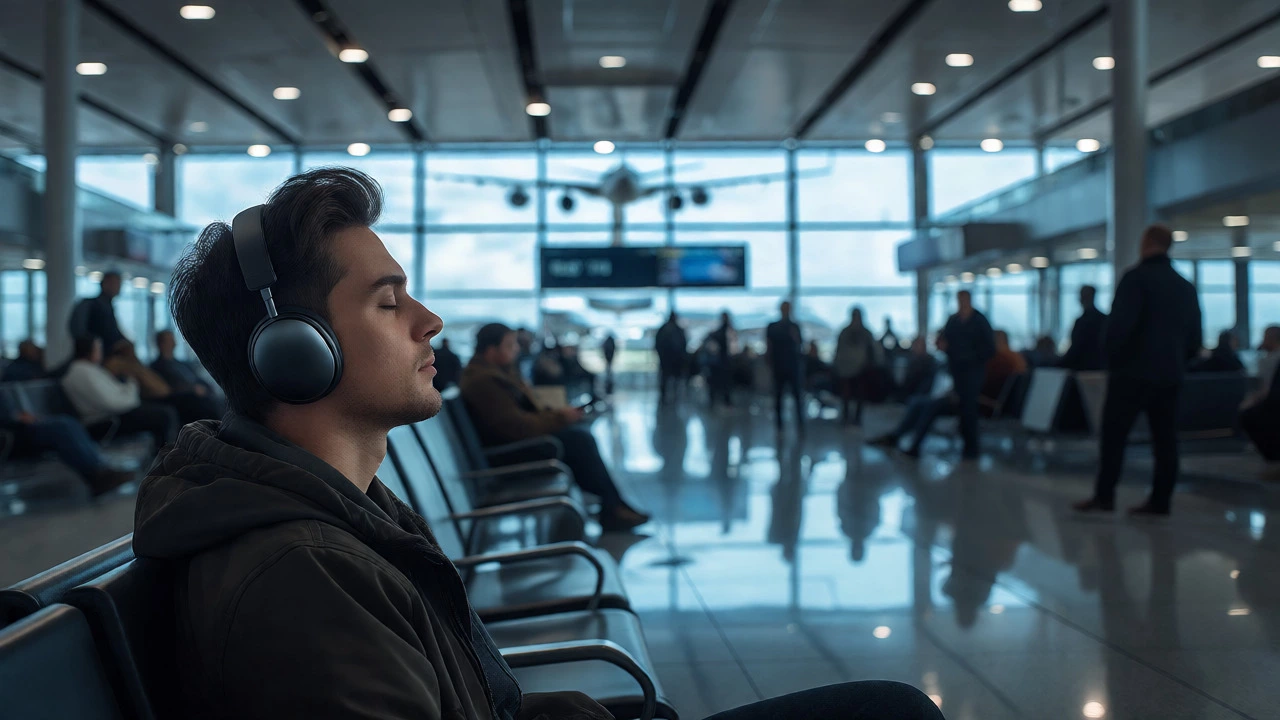
You are sitting in a crowded airport terminal. The announcement for your flight is muffled by the roar of jet engines and the chatter of a hundred people. You put on your headphones, tap the button, and suddenly, silence falls. Or does it? Maybe there’s still that low-frequency hum vibrating in your chest. That difference between "quiet" and "gone" is what separates good noise cancellation from great noise cancellation.
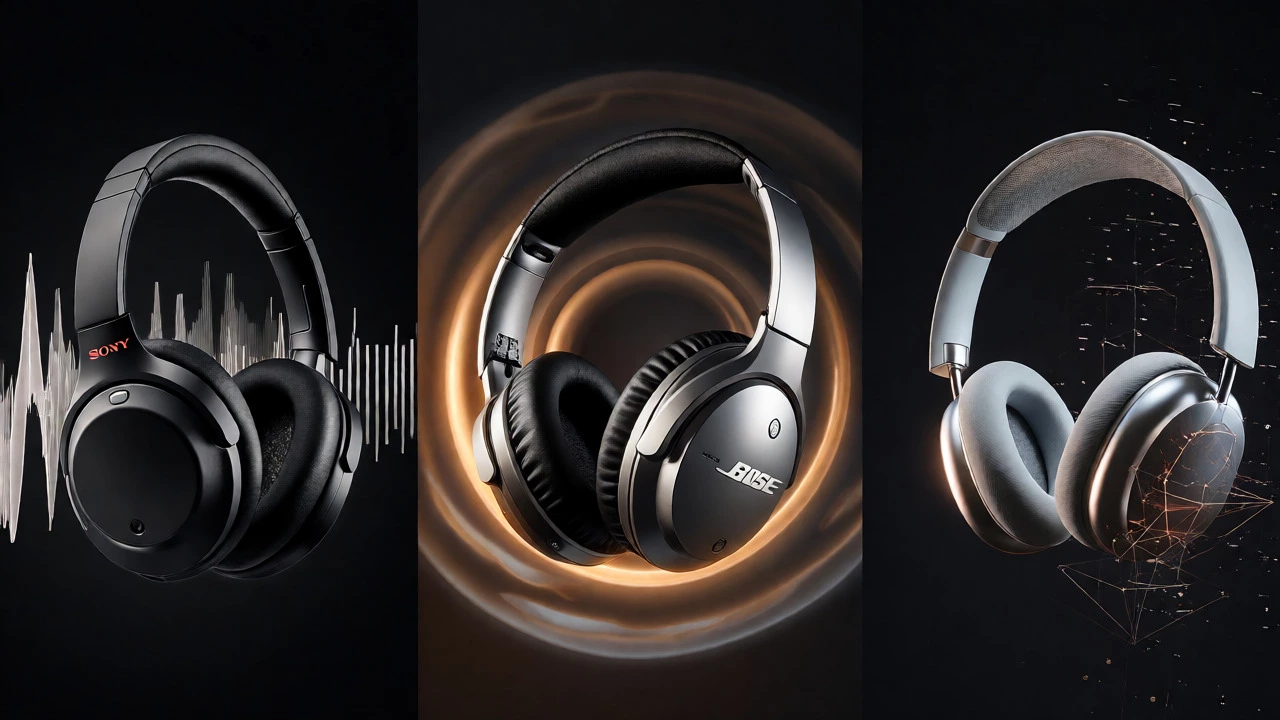
There is no single answer to which company has the best noise cancellation because "best" depends entirely on what you are trying to block out. Are you fighting the drone of an airplane engine? The clatter of office keyboards? Or the sudden bark of a dog next door? In 2026, the market is dominated by three giants-Sony, Bose, and Apple-each with a different philosophy on how to kill sound. Let’s break down who wins where, so you don’t waste money on the wrong tech.
The Big Three: A Reality Check
If you look at the current landscape, three names keep popping up in every serious review. These aren’t just marketing gimmicks; they have the R&D budgets to actually solve physics problems.
Sony is currently widely regarded as the king of raw technical performance. Their latest flagship, the WH-1000XM5, uses eight microphones and two processors to analyze ambient sound. It doesn’t just block noise; it adapts to your environment in real-time. If you step onto a train, the ANC ramps up. If you start talking, it drops out instantly. This is Adaptive Sound Control, and it’s brilliant for dynamic environments.
Bose has been the benchmark for comfort and consistent quiet since the early 2000s. Their QuietComfort Ultra Headphones focus less on flashy features and more on pure, unadulterated silence. Bose’s algorithm is tuned specifically for human voices and mid-frequency noises, which makes them superior for open-plan offices or cafes. They also introduced Immersive Audio, which adds spatial depth while keeping the world out.
Apple entered the game late but changed the rules. The AirPods Max (and the newer USB-C revisions) offer computational audio that integrates seamlessly with the Apple ecosystem. While their passive isolation is heavy due to the metal build, their Active Noise Cancellation (ANC) is surprisingly effective at blocking low-frequency rumbles. However, they struggle slightly more with high-pitched, irregular sounds compared to Sony.
Understanding How ANC Actually Works
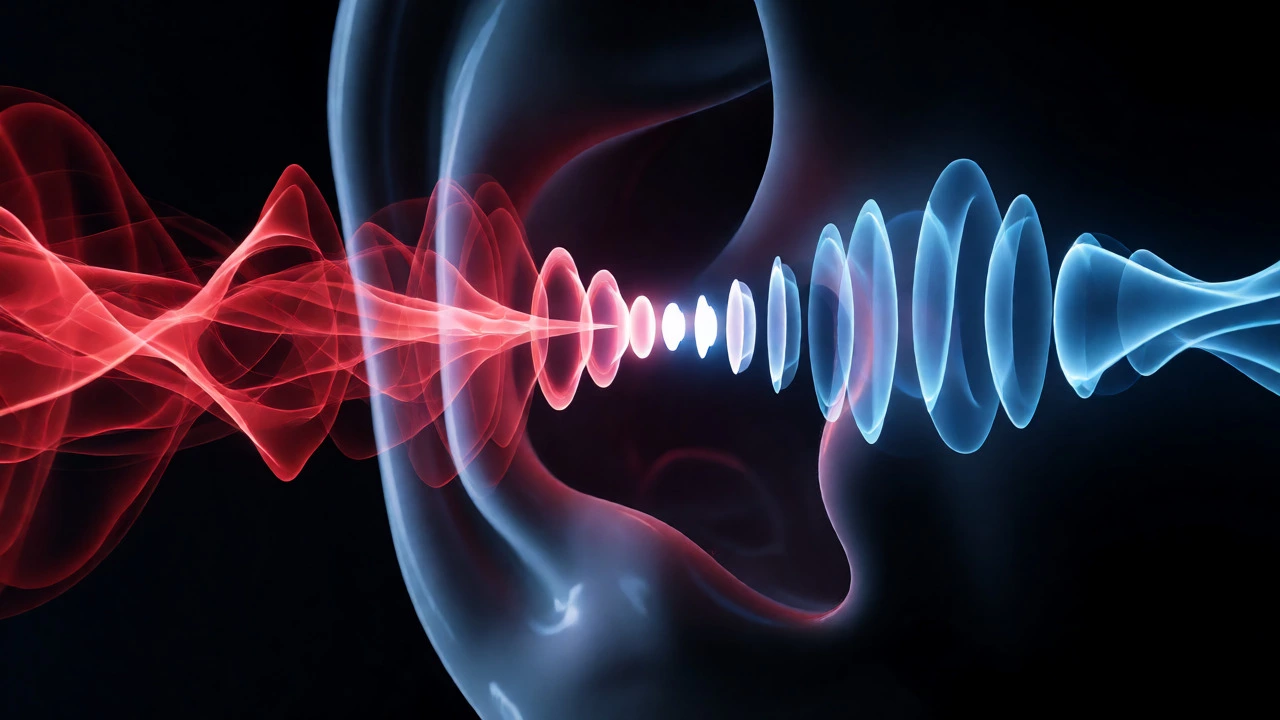
To understand who is best, you need to know what these companies are actually doing. Active Noise Cancellation isn’t magic; it’s destructive interference. Your headphones have external microphones that listen to the outside world. They generate a sound wave that is the exact inverse of the incoming noise. When the two waves meet, they cancel each other out.
This works perfectly for constant, predictable noises like airplane engines, air conditioners, or train tracks. It struggles with sudden, sharp sounds like a baby crying or a glass breaking. Why? Because the system needs a few milliseconds to process the sound and create the anti-noise. By the time the anti-noise arrives, the crash is already over.
| Scenario | Sony WH-1000XM5 | Bose QC Ultra | Apple AirPods Max |
|---|---|---|---|
| Airplane Engine Drone | Excellent | Excellent | Very Good |
| Office Chatter | Good | Excellent | Fair |
| Subway Rumble | Excellent | Very Good | Excellent |
| Sudden Noises | Adaptive | Consistent | Reactive |
Sony: The Tech Enthusiast’s Choice
If you want the most feature-rich experience, Sony is hard to beat. The integration of the V1 processor with the QN1 chip allows for faster processing speeds than previous generations. This means less latency and better handling of wind noise, which used to be a major pain point for ANC headphones.
Sony’s app is also superior. It lets you fine-tune the EQ and adjust the level of transparency mode. Want to hear only announcements at the station? You can set it to pick up human voices while suppressing background hum. This level of control is unmatched by Bose or Apple. For frequent travelers who deal with varying noise profiles, Sony’s adaptability is its killer feature.
Bose: The Comfort King
Bose loses points on battery life and price, but they win on usability. Their ear cups are deeper and use softer synthetic leather that doesn’t heat up as quickly during long flights. More importantly, their ANC tuning is smoother. Some users report that aggressive ANC (like older Sony models) can cause a "pressure feeling" in the ears, leading to headaches. Bose minimizes this effect through careful acoustic engineering.
If you work in an environment with constant human speech, Bose’s focus on mid-range frequencies makes a noticeable difference. Voices become distant whispers rather than intrusive interruptions. This makes them the top choice for remote workers and students studying in libraries.
Apple: The Ecosystem Play
Do not buy AirPods Max for pure noise cancellation if you are an Android user. You lose key features like Transparency Mode customization and seamless switching. But if you live in the Apple ecosystem, the convenience factor often outweighs slight technical deficits.
Apple’s strength lies in Computational Audio. The H1 chips in the ear cups work together to optimize sound based on head position and movement. While this is primarily for audio quality, it enhances the stability of the ANC. Also, the build quality is premium. Aluminum and stainless steel feel durable, though they are heavier than plastic competitors. If you prioritize durability and brand synergy over absolute silence, Apple holds its own.
Honorable Mentions: Who Else Is Trying?
Don’t ignore the challengers. Sennheiser’s Momentum 4 offers incredible sound quality with decent ANC, but it lags behind the big three in pure noise suppression. JBL’s Tour One M3 is a dark horse candidate, offering 70 hours of battery life and solid ANC for a lower price point. If budget is your primary constraint, JBL delivers 80% of the performance for 60% of the cost.
Also, consider in-ear options. The Sony WF-1000XM5 earbuds now rival over-ear headphones in terms of low-frequency blocking. Thanks to foam tips that seal the ear canal tightly, they provide excellent passive isolation combined with active processing. For commuters who hate bulky headphones, this is a viable alternative.
How to Choose Your Winner
So, who should you buy? Here is a simple decision tree:
- Choose Sony if: You travel frequently across different modes of transport (train, plane, bus). You love tweaking settings via an app. You want the best balance of tech and price.
- Choose Bose if: You wear headphones for 8+ hours a day. You are sensitive to pressure changes in your ears. You mostly deal with human voices and office noise.
- Choose Apple if: You own an iPhone, iPad, and Mac. You value build quality and resale value. You don’t mind carrying a heavier device.
- Choose JBL/Sennheiser if: You are on a budget or prioritize audio fidelity over maximum silence.
Remember, no headphone blocks 100% of sound. Even the best systems leave about 20-30 decibels of leakage for very loud noises. Managing expectations is part of the buying process.
Is expensive always better for noise cancellation?
Not necessarily. Mid-range models like the Sony WH-CH720N or Bose QuietComfort Earbuds II offer 90% of the ANC performance of flagships for half the price. You pay extra for premium materials, better microphones, and advanced software features, not just silence.
Why do I get headaches when using noise-canceling headphones?
This is often caused by the "occlusion effect" or perceived pressure changes. Some brains interpret the lack of low-frequency sound as altitude change. Try adjusting the ANC level if possible, or switch to brands like Bose that tune their algorithms to reduce this sensation. Taking breaks every hour also helps.
Do noise-canceling headphones work on voices?
They reduce voice volume significantly but rarely eliminate it completely. Human speech has complex frequencies that vary rapidly. Over-ear headphones with good passive isolation (like AirPods Max) block more voice noise than earbuds because they physically cover the entire ear.
Can I use ANC without playing music?
Yes. Most modern headphones allow you to turn on ANC without playing any audio. This is useful for sleeping or focusing in noisy environments. Just ensure your battery is charged, as ANC consumes power even when idle.
Which is better for sleep: Sony or Bose?
Neither is ideal for side-sleeping due to size. However, Bose’s softer padding makes them more comfortable for short naps. For actual sleep, consider dedicated sleep buds like the Soundcore Sleep A20, which are smaller and designed to stay in place while lying down.