
Vacuum Cleaner Matchmaker
Answer these questions to see if a vintage heavy-duty vacuum or a modern lightweight model is the right fit for your home.
1. What type of flooring do you have?
2. How much weight are you willing to carry?
3. Do you enjoy DIY repairs?
4. Do you have pets with shedding hair?
5. What is your priority?
6. Do you have severe allergies?
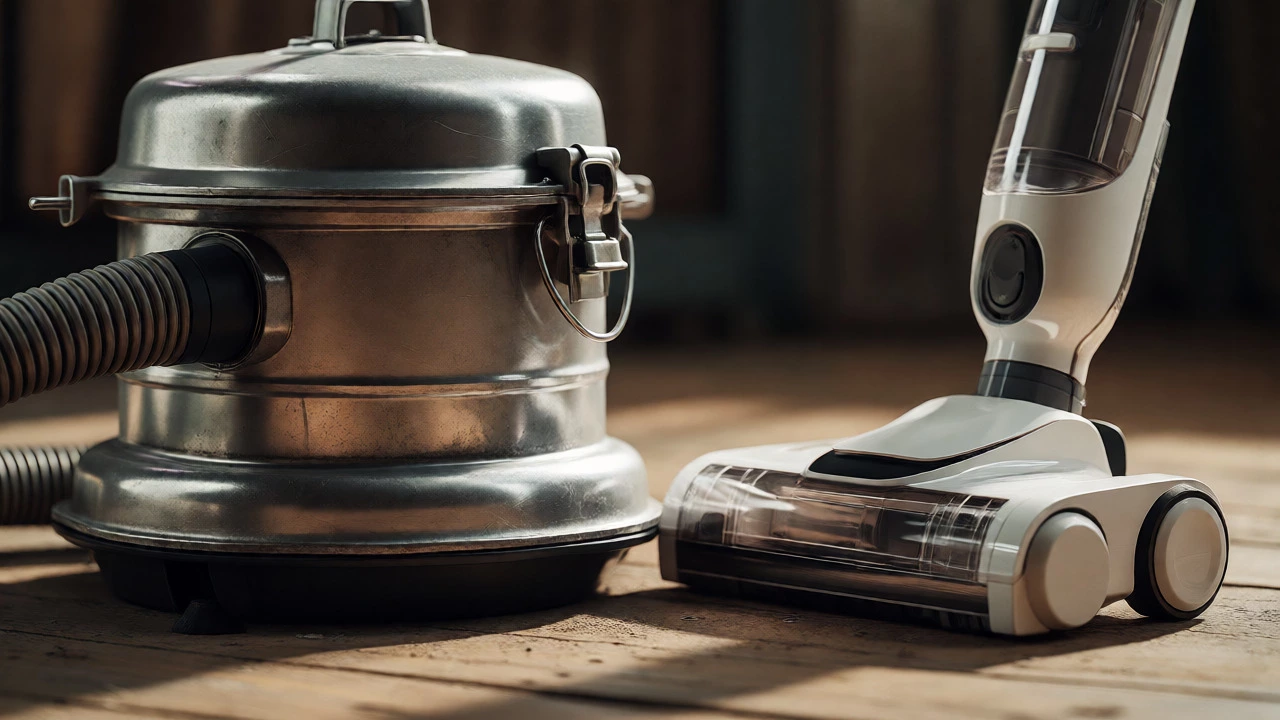
You probably have that one dusty unit in the garage or basement. It’s heavy, maybe a bit loud, and looks like it survived a war. But when you plug it in, it still sucks up dirt with terrifying efficiency. Meanwhile, your shiny new robot vacuum gets stuck on a single sock, and your lightweight stick model loses suction after three months. This leads to a frustrating question many homeowners ask: are older vacuum cleaners better than the modern machines we buy today?
The short answer is yes, but not for every part of cleaning. If you are looking at raw suction power, build quality, and longevity, the industrial-grade machines from the 1970s and 80s often crush modern consumer appliances. However, if you value convenience, weight, and smart features, they are a nightmare to use. Let’s break down why this perception exists, where old tech wins, and where it fails miserably.
The Build Quality Gap
Walk into a hardware store today, and you will see vacuum cleaners made primarily of plastic. The casing snaps together. The wheels are small plastic discs. The hose is thin rubber that cracks over time. Now, look at a classic Hoover Constellation or a Kirby Sentria. These were built during an era when appliances were expected to last decades, not just through the warranty period.
Older vacuum cleaners typically featured metal chassis, ball-bearing motors, and heavy-duty electrical components. They didn’t rely on proprietary plastic clips that snap off when you try to change a filter. Instead, they used screws and robust latches. This difference in materials isn’t just about aesthetics; it directly impacts durability. A metal-bodied vacuum can survive being knocked over by a dog or dropped from a car trunk. Modern polycarbonate shells often shatter under the same stress.
| Component | Vintage (Pre-2000) | Modern (Post-2015) |
|---|---|---|
| Main Body | Metal or high-impact ABS | Lightweight Plastic |
| Motor Housing | Casted Aluminum | Plastic Casing |
| Hose | Reinforced Rubber/Metal Coil | Foam-lined Plastic |
| Wheels | Rubber Tires/Ball Bearings | Hard Plastic Discs |
Suction Power and Filtration
Here is the counter-intuitive truth: air watts don’t always equal cleaning performance. Modern marketing loves to throw big numbers around-"400 Air Watts!" "Powerful Cyclone Technology!" But how much of that power actually reaches the carpet fibers? In many modern uprights, the airflow path is convoluted, designed to make the machine look sleek rather than function efficiently. You lose pressure in tight bends and narrow nozzles.
Older canister vacuum cleaners often had simpler, more direct airflow paths. A classic Miele S Series from the 1990s, for example, prioritized consistent airflow over compact design. Because they weren’t trying to fit everything into a slim stick profile, they could use larger diameter hoses and brushes. This means less resistance and more actual grit removal from deep-pile carpets.
Furthermore, filtration has changed. Many older units used simple paper bags or washable foam filters. While not as fine as modern HEPA filters, they were easy to maintain. Today, if you clog a modern multi-stage cyclonic system, you might need to disassemble the entire bin, wash multiple plastic parts, and let them dry for 24 hours before using it again. With a vintage bagged vacuum, you swap the bag, and you’re done. For people with severe allergies, modern HEPA is superior, but for general household dust, the simplicity of older systems is surprisingly effective.
The Repairability Factor
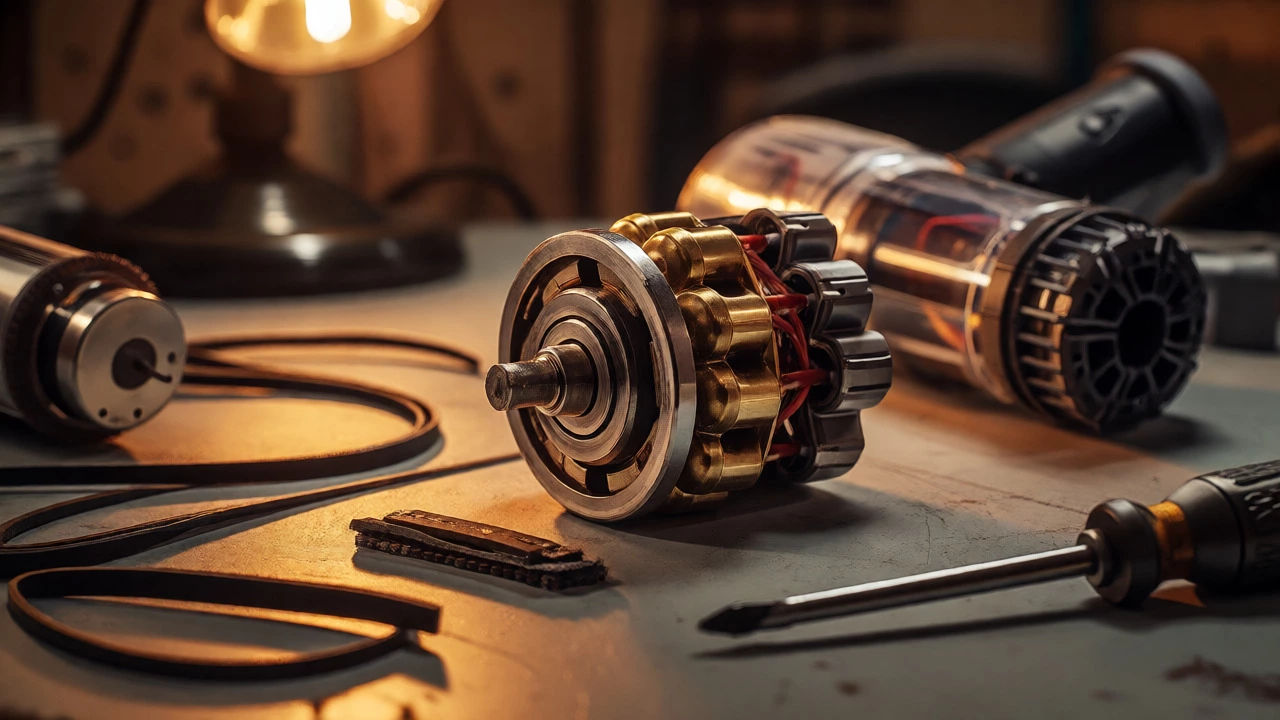
This is arguably the biggest advantage of older machines. Try finding a replacement motor for a two-year-old Dyson V11. Good luck. Often, the battery is glued in, the casing is snapped shut, and the manufacturer doesn’t sell individual internal parts. When these machines break, they are frequently thrown away because repair costs exceed the price of a new unit.
In contrast, vintage vacuum cleaners were designed with serviceability in mind. Brands like Electrolux and Zelmer published detailed schematics. Replacement belts, carbon brushes, and switches were widely available. You could open the unit with a standard screwdriver, replace a worn belt in ten minutes, and keep it running for another decade. This "right to repair" culture meant that owning a vacuum was a long-term investment, not a disposable purchase.
There is a thriving community of restorers who buy broken units for $20, clean them up, replace the capacitors and brushes, and sell them for hundreds. That economic reality speaks volumes about the intrinsic value of the original engineering.
Where Modern Tech Wins
If older vacuums are so great, why did we stop making them? Because technology evolved, and our lifestyles changed. We don’t want to drag a 30-pound metal box across hardwood floors anymore. The weight factor is massive. A typical 1980s upright weighs between 15 and 25 pounds. A modern cordless stick weighs 6 to 8 pounds. For someone with back issues or arthritis, the older models are physically punishing to use.
Additionally, modern vacuums excel in specific niches that older ones couldn’t handle:
- Hard Floors: Older brush rolls were often too aggressive for delicate wood or tile, scratching surfaces. Modern soft rollers are safer.
- Convenience: Cordless freedom allows you to clean a car or stairs without hunting for outlets.
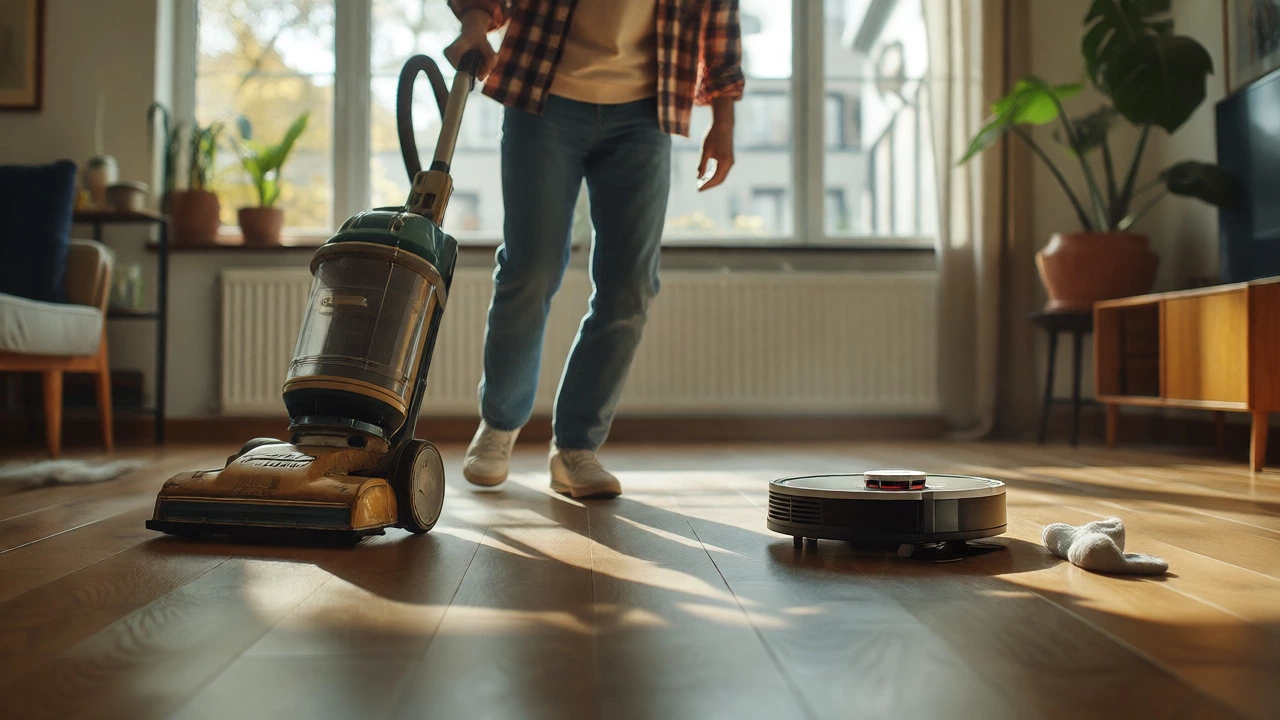
- Smart Features: Robot vacuums map homes and clean autonomously. An old Hoover can’t do that.
- Allergen Containment: Sealed HEPA systems prevent dust from blowing back out the exhaust, a common issue with leaky vintage seals.
If you live in a small apartment with mostly hard floors, an old monster vacuum is overkill and inconvenient. If you have large, carpeted rooms and pets, the old-school power is tempting.
The Hidden Costs of Buying Used
Before you rush to eBay to buy a 1975 Kirby, consider the risks. These machines are not cheap to restore. A full service might cost $150-$300, including labor and parts. You also need to check the electrical safety. Wiring insulation degrades over time. Capacitors can leak. A quick test is essential before plugging in any antique appliance.
Also, spare parts aren’t infinite. While belts are easy to find, specific custom-molded plastic pieces or original hoses may be discontinued. If you break the main handle on a rare model, you might never fix it. Modern brands guarantee parts availability for at least five years. Vintage brands offer zero guarantees.
Verdict: Should You Switch Back?
So, are older vacuum cleaners better? They are better at being durable, powerful, and repairable. They are worse at being light, convenient, and energy-efficient. The "better" choice depends entirely on your definition of value.
If you view a vacuum as a tool you should own for 20 years, invest in maintenance, and hate throwing things away, then yes, go for a refurbished high-end vintage model. Look for German or American-made units from the 70s and 80s. Avoid obscure European brands unless you know their parts supply chain.
If you value your time and physical comfort, stick with modern tech. Buy a mid-range model with good reviews, plan to replace it every 5-7 years, and enjoy the ease of use. The nostalgia for old vacuums is real, but don’t let romance blind you to the ergonomic reality of hauling heavy iron around your house.
Why do old vacuum cleaners seem to have stronger suction?
Older vacuums often had larger motors and simpler airflow designs that lost less pressure. Modern machines prioritize energy efficiency and noise reduction, which can limit peak suction. Additionally, older models didn't have complex multi-stage filtration that restricts airflow as much as modern HEPA systems do.
Is it safe to use a 30-year-old vacuum cleaner?
Generally yes, but it requires inspection. Check the power cord for fraying, ensure the plug is grounded correctly, and listen for unusual motor noises. Old wiring insulation can become brittle, posing a fire risk if damaged. It is wise to have an electrician check the internal wiring of very old units.
Which vintage vacuum brands are worth restoring?
Kirby, Hoover (specifically the Constellation and Model F series), Miele (S-series), and Electrolux are top choices. These brands have active restoration communities, meaning parts like belts, brushes, and hoses are still manufactured or easily sourced. Avoid obscure brands with no online support.
Do modern vacuums really wear out faster?
Statistically, yes. Consumer Reports and other studies indicate that average lifespan for modern uprights is 8 years, while well-maintained vintage units can last 20+ years. This is due to planned obsolescence, cheaper plastics, and non-replaceable batteries in cordless models.
Can I use a vintage vacuum on hardwood floors?
It depends on the brush roll. Many old uprights have stiff bristles that can scratch finished wood. Some models allow you to turn off the brush roll or switch to a soft floor setting. Always test in an inconspicuous area first. Canister vacuums with adjustable suction are generally safer for hard floors.