
Air Purifier Worth It Calculator
Enter your details below to determine if an air purifier is a practical necessity or an unnecessary expense for your specific situation.
Your Living Conditions
Awaiting Input
Fill out the form on the left and click calculate to see if an air purifier is right for you.
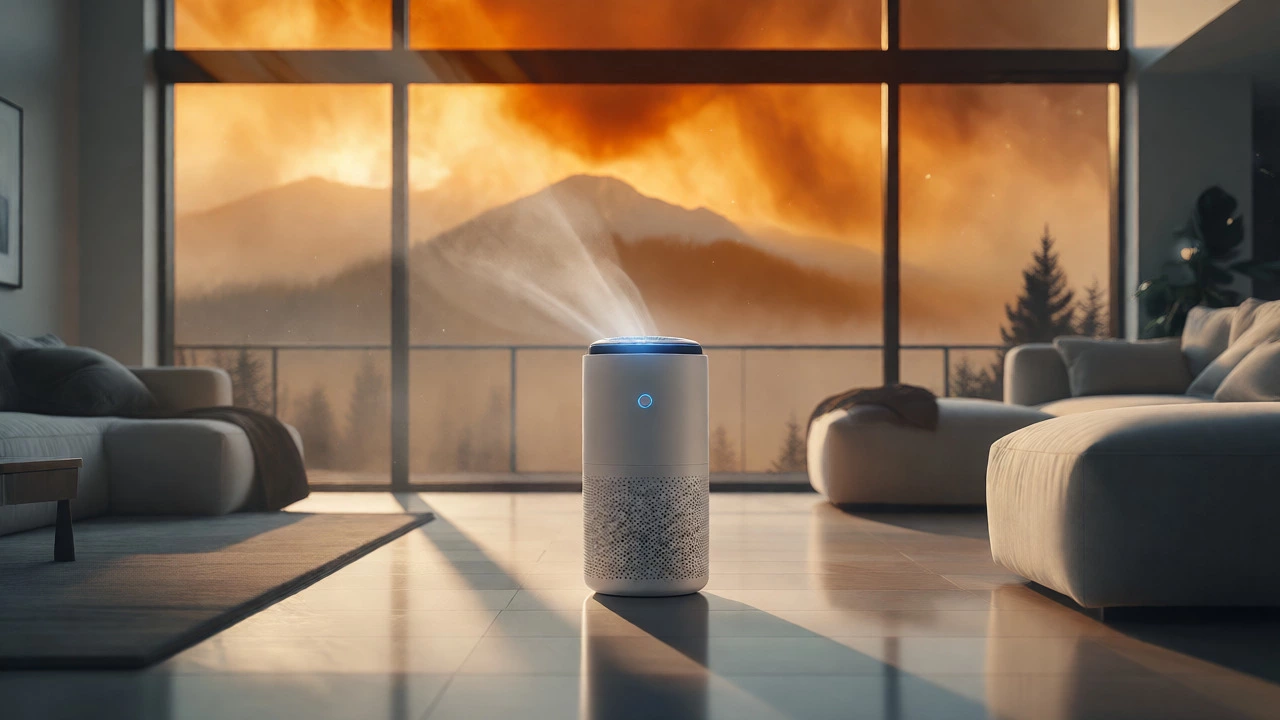
You stare at the glowing red light on your phone’s weather app. The Air Quality Index (AQI) is spiking again. Maybe it’s wildfire smoke drifting down from the north, or perhaps it’s just that persistent layer of city smog settling over Vancouver. You think about buying an air purifier, but then you hesitate. Is this device actually going to help, or is it just another expensive gadget collecting dust in the corner?
The short answer? It depends entirely on what you’re breathing and where you live. But here’s the uncomfortable truth: most people underestimate how dirty their indoor air really is. We spend nearly 90% of our time indoors, yet we rarely consider that the air inside might be two to five times more polluted than the air outside. So, are air purifiers worth getting? Let’s break down the real-world value, cut through the marketing hype, and figure out if your lungs will thank you.
The Real Reason Indoor Air Needs Help
We tend to assume that closing the windows keeps us safe from pollution. That’s a dangerous assumption. While outdoor pollutants like pollen and car exhaust stay out, indoor sources thrive. Think about cooking fumes, off-gassing from new furniture, pet dander, mold spores, and even volatile organic compounds (VOCs) from cleaning sprays. In tightly sealed modern homes, these particles accumulate because there’s nowhere for them to go.
This is where mechanical ventilation fails. Most residential HVAC systems aren’t designed to scrub fine particulate matter; they’re designed to move heat. If you have allergies, asthma, or chronic respiratory issues, this stagnant, particle-heavy air can trigger symptoms daily. An air purifier isn’t magic-it doesn’t remove gases like carbon monoxide-but it does physically trap solid particles before you inhale them. For anyone sensitive to allergens, that distinction matters.
How They Actually Work (And Why Filter Type Matters)
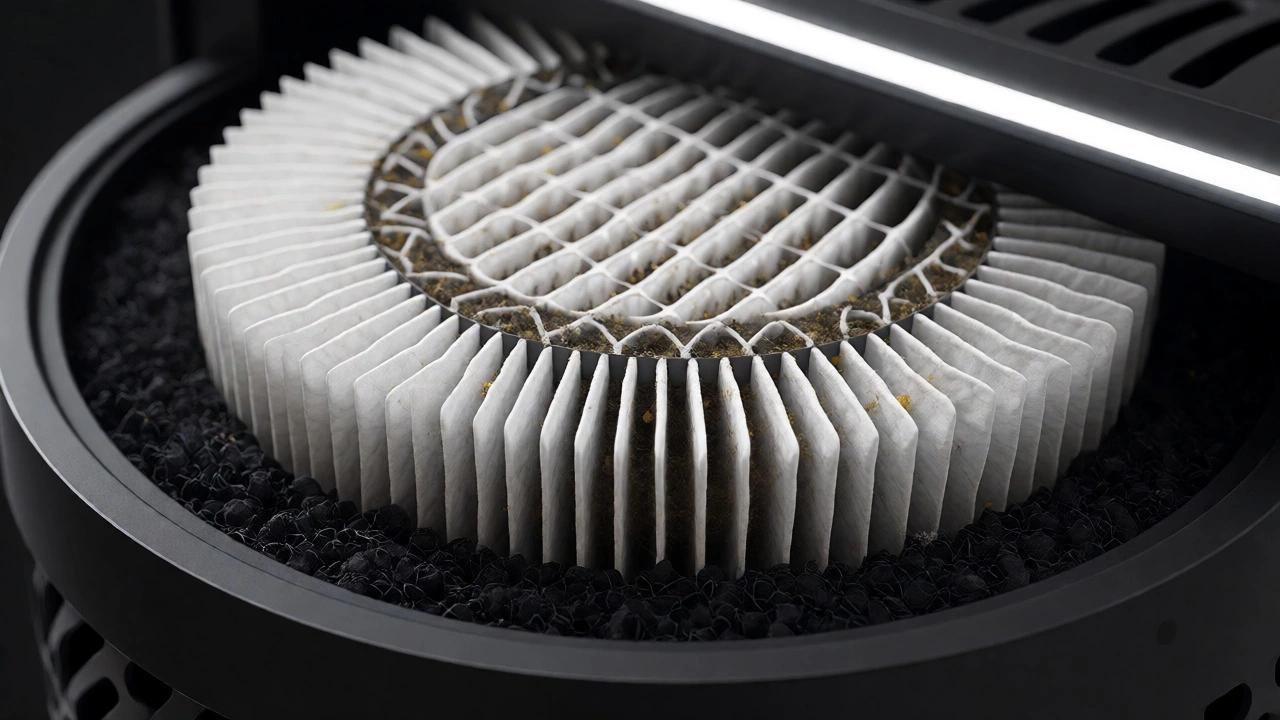
Not all purifiers are created equal. If you buy the wrong type, you’re essentially paying for a fan with a prettier case. The gold standard remains HEPA filtration. High-Efficiency Particulate Air filters capture 99.97% of particles that are 0.3 microns in size. To put that in perspective, a human hair is about 50-70 microns wide. These filters catch dust mites, pollen, mold spores, and bacteria.
However, some units use ionizers or UV-C lights instead. Ionizers charge particles so they stick to surfaces (including your walls), which sounds cool until you realize you now have to wipe down your entire room to clean it. UV-C kills germs but doesn’t remove dead cell debris, which can still cause allergic reactions. Stick to true HEPA filters combined with activated carbon if you want to tackle odors and VOCs alongside particulates.
| Technology | Best For | Effectiveness Against PM2.5 | Maintenance Cost |
|---|---|---|---|
| True HEPA + Carbon | Allergies, Smoke, Dust | High (99.97%) | Medium ($50-$100/year) |
| Ionizer/Electrostatic | Light dust reduction | Low-Medium | Low (Washable plates) |
| UV-C Light | Bacteria/Viruses (surface) | None (doesn't trap) | Low (Bulb replacement) |
| Ozone Generators | Strong Odors (unoccupied rooms) | N/A | Low (No filters) |
When It’s Definitely Worth the Money
If you fall into one of these categories, stop debating and start shopping. First, if you suffer from seasonal allergies or year-round rhinitis, the relief is often immediate. Users frequently report sleeping better within days of running a unit in the bedroom. Second, if you live near a major highway, industrial zone, or in an area prone to wildfires, the reduction in PM2.5 levels is measurable and significant. Third, if you have pets, especially cats or dogs that shed, the amount of floating fur and dander captured by a good purifier is grossly satisfying-and health-saving.
Consider the context of 2026. With climate change intensifying wildfire seasons across North America, having a dedicated clean-air zone in your home has shifted from a luxury to a practical necessity for many households. During heavy smoke events, opening windows is impossible. Without a purifier, your indoor AQI mirrors the outdoor disaster. With one, you maintain a breathable sanctuary.
When You Can Probably Skip It
Conversely, don’t waste money if your environment is already pristine. If you live in a rural area with low traffic density, no pets, and you open your windows regularly for fresh cross-breeze, the marginal benefit might not justify the $200+ upfront cost plus ongoing filter replacements. Also, if your primary concern is humidity control, remember that air purifiers do not humidify or dehumidify. Buying a purifier to fix dry skin or mold caused by excess moisture is a mismatched solution. You need a hygrometer first to diagnose the actual problem.
Another pitfall: under-sizing the unit. Manufacturers rate purifiers based on Clean Air Delivery Rate (CADR). If you buy a small desk unit for a large living room, it will run constantly without ever significantly improving air quality. Always check the recommended square footage and aim for a unit rated slightly larger than your actual room size to ensure adequate turnover rates.
The Hidden Costs Nobody Talks About
The sticker price is just the entry fee. The real commitment is maintenance. HEPA filters clog. When they get saturated, airflow drops, efficiency plummets, and the motor works harder. Depending on usage and local air quality, you’ll likely replace filters every 6 to 12 months. This adds up to $50-$150 per year per unit. Some brands lock you into proprietary filters that are pricier than generic alternatives. Check availability before you buy.
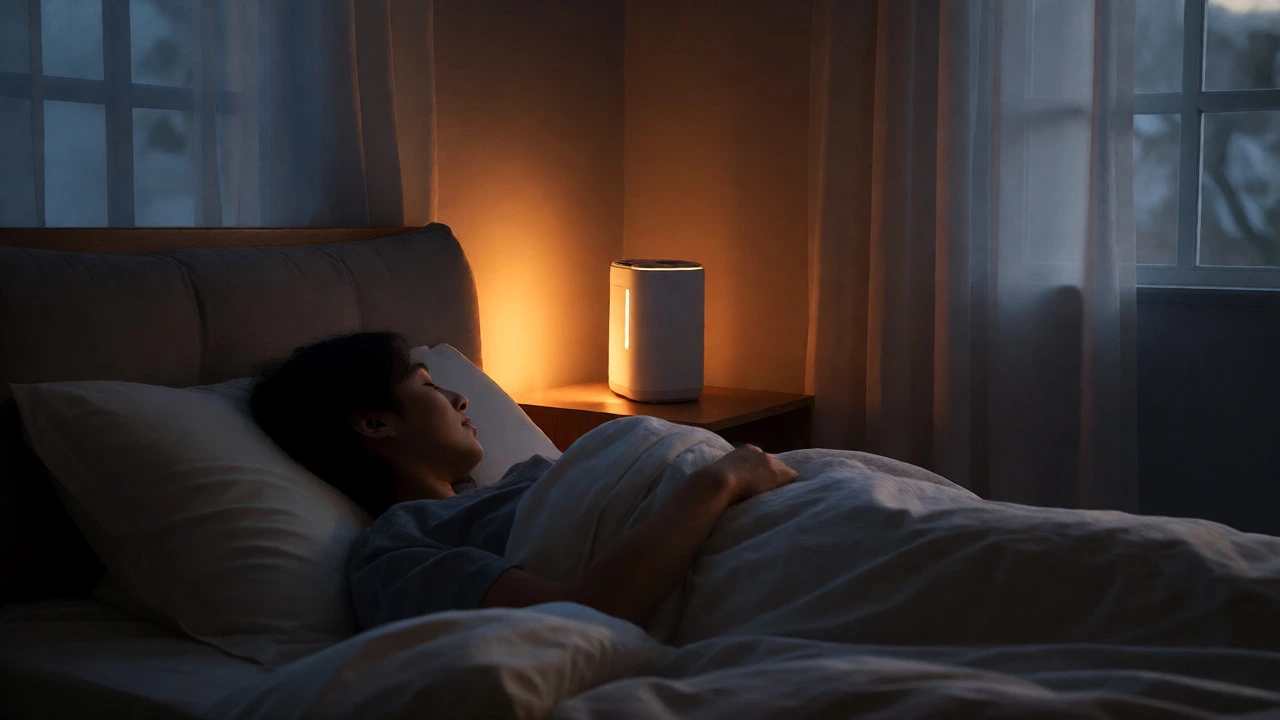
Energy consumption is minor-most units draw less power than a laptop-but it’s not zero. More importantly, noise matters. A loud white-noise machine might annoy you during sleep or work. Look for models with "sleep mode" or certified quiet operation ratings (below 30 dB). If you can hear it humming from across the room, it might disturb your rest, negating the health benefits of better sleep.
How to Maximize Your Investment
To get your money’s worth, placement is key. Don’t shove the purifier behind the couch. It needs unobstructed access to room air. Place it centrally or near common seating areas. Keep doors closed to create contained zones of clean air. Running it 24/7 on auto-mode is usually more efficient than turning it on and off, as restarting the cycle takes energy and time to clear accumulated particles.
Use an independent air quality monitor to verify performance. Many smart purifiers have built-in sensors, but they can be inaccurate due to proximity to the intake. A separate laser-scattering sensor gives you objective data. Seeing the numbers drop from 50 µg/m³ to 5 µg/m³ provides tangible proof that the device is working, reinforcing the psychological comfort of knowing you’re breathing cleaner air.
Frequently Asked Questions
Do air purifiers remove viruses?
Yes, HEPA filters can capture viral particles, though viruses themselves are smaller than 0.3 microns. However, viruses often attach to larger droplets or aerosols, which are easily trapped. While not a guarantee against infection, reducing airborne load helps lower transmission risk in enclosed spaces.
Is it safe to run an air purifier all night?
Absolutely. In fact, continuous operation is recommended for consistent air quality. Ensure the model you choose has a quiet sleep mode so noise doesn’t disrupt rest. Just remember to keep the intake vents clear of bedding or curtains.
Can air purifiers help with mold?
They capture airborne mold spores, preventing them from circulating and causing allergic reactions. However, they do not kill existing mold growing on walls or surfaces. You must address the source of moisture and clean visible mold separately; the purifier only handles the spores released into the air.
What is CADR and why does it matter?
Clean Air Delivery Rate measures how quickly a purifier removes specific types of pollutants (dust, pollen, smoke) from a room. Higher CADR means faster cleaning. Match the CADR rating to your room size using the AHAM rule: divide the CADR by 2.5 to find the maximum effective square footage.
Do I need multiple air purifiers for my whole house?
Most portable units are designed for single rooms. Unless you have a central HVAC system with high-grade filtration, you generally need one unit per main living area (bedroom, living room) to see significant benefits. Whole-house solutions exist but require professional installation and higher upfront costs.