
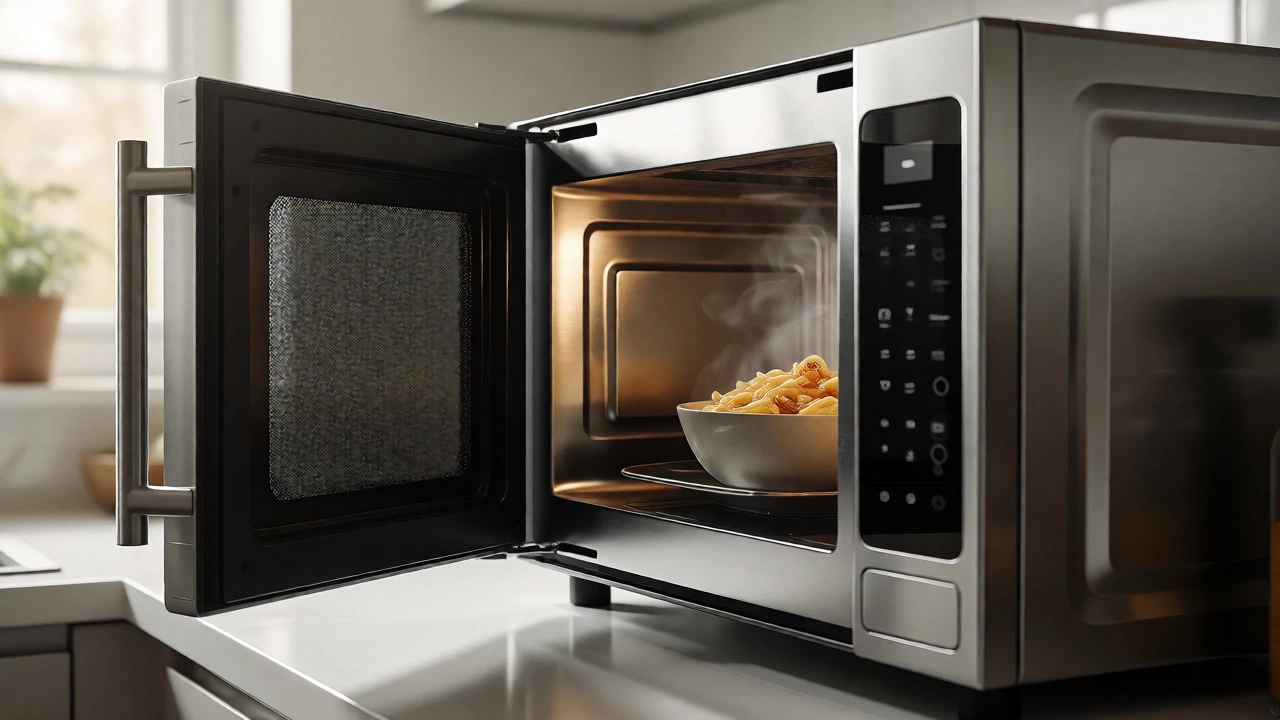
Microwave Efficiency & Savings Calculator
Compare traditional cooking methods with microwave usage to see how much time and money you could save on your daily meals.
Select a task and click calculate to see your potential savings.
Why This Matters
- Speed: Microwaves heat water molecules directly, bypassing the need to heat surrounding air or containers.
- Efficiency: Conventional ovens waste up to 70% of energy heating empty space. Microwaves direct energy straight to food.
- Nutrients: Shorter cook times and less water usage help retain water-soluble vitamins like C and B.
You probably have one sitting on your counter right now. It hums quietly, heats up leftovers in seconds, and sometimes explodes when you forget to cover the sauce. Yet, despite its reputation as a lazy cook’s shortcut, the microwave oven is arguably the most efficient tool in modern kitchens for specific tasks. We often overlook it because we associate "real cooking" with ovens and stovetops, but that bias ignores some hard facts about physics and time management.
If you’ve ever wondered why this box remains a staple in over 90% of households, it’s not just because it defrosts ice cream (though it does that too well). There are tangible, practical reasons why swapping traditional methods for microwave use makes sense. Let’s break down the three biggest advantages that might change how you view that humming rectangle.
Unmatched Speed and Time Efficiency
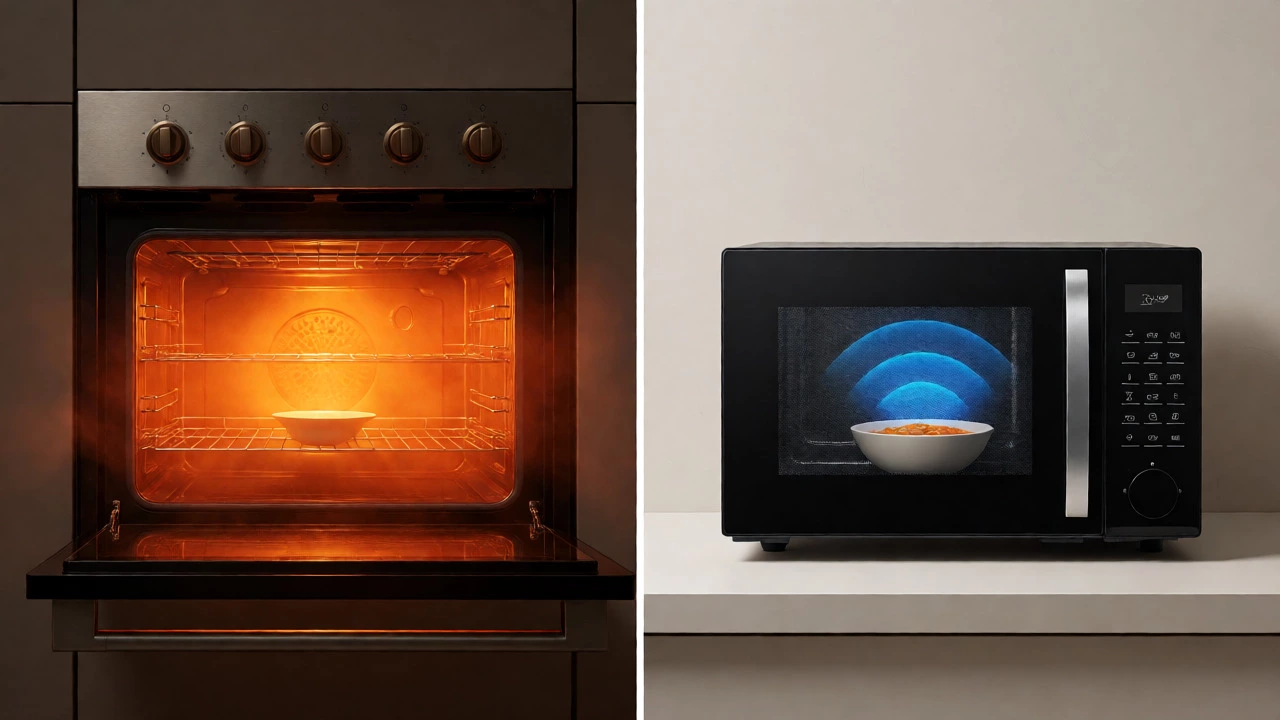
The first and most obvious benefit is speed. But let’s be clear: it’s not just "faster." It’s fundamentally different in how it transfers heat. Traditional ovens heat the air around the food, which then slowly conducts heat into the center. This process takes time. A microwave uses non-ionizing radiation to excite water molecules directly inside the food. The heat generates from within, not from the outside in.
This distinction matters when you’re hungry or short on time. Boiling potatoes for dinner can take 15-20 minutes on a stove plus prep time. In a microwave, they’re ready in 5-7 minutes. Reheating coffee? Seconds. Cooking steamed vegetables? Three minutes versus ten on the stovetop. For busy parents, students, or anyone working from home, this time saving compounds daily. You aren’t just saving minutes; you’re reclaiming hours every week.
- Rapid Defrosting: Thawing frozen meat in the fridge takes overnight. A microwave does it in minutes without compromising texture if done correctly.
- Quick Reheating: Leftovers lose moisture in an oven. Microwaves retain more moisture due to shorter exposure times.
- Instant Beverages: Heating water for tea or instant soup bypasses the wait for a kettle to boil.
Superior Energy Efficiency
Here’s where many people get it wrong. They assume microwaves use less electricity than ovens simply because they run for shorter periods. While true, the real advantage lies in energy conversion rates. A conventional electric oven wastes significant energy heating empty space, racks, and walls before the food even starts warming. A microwave directs nearly all its energy toward the food itself.
According to data from the U.S. Department of Energy, using a microwave instead of a conventional oven for small meals can cut energy consumption by up to 70%. Think about heating a single bowl of soup. Running a 2,000-watt oven for 15 minutes uses far more power than running a 1,000-watt microwave for two minutes. If you’re conscious of your utility bills-or your carbon footprint-this efficiency adds up quickly.
| Task | Microwave Energy Use | Conventional Oven Energy Use | Savings |
|---|---|---|---|
| Reheat Soup (1 cup) | ~0.02 kWh | ~0.15 kWh | 86% |
| Cook Potatoes (4 medium) | ~0.15 kWh | ~0.50 kWh | 70% |
| Defrost Chicken (1 lb) | ~0.10 kWh | ~0.40 kWh (oven method) | 75% |
Notice the trend? For smaller portions and quick tasks, the microwave wins decisively. It’s not about replacing your oven entirely-it’s about choosing the right tool for the job.
Nutrient Retention and Safety
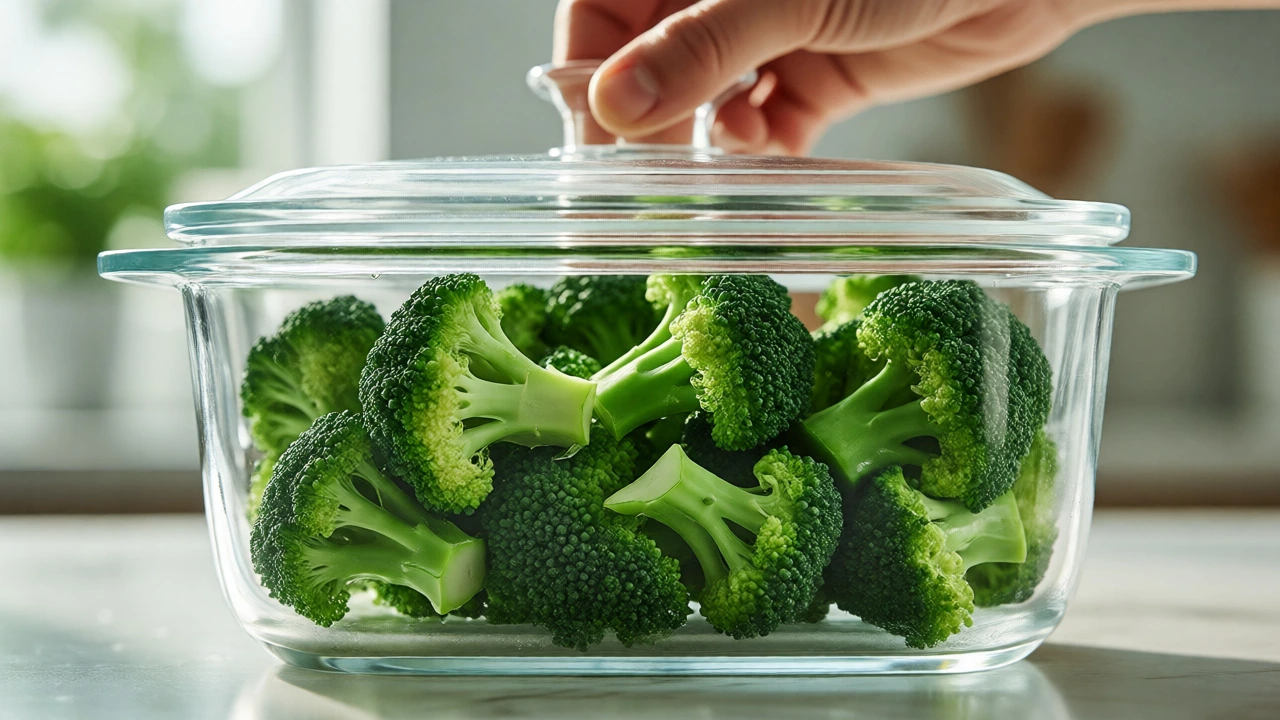
You might think boiling vegetables strips them of nutrients, and you’d be right. Water-soluble vitamins like C and B leach out into the cooking water. Since microwaving requires little to no added water, fewer nutrients escape. Studies published in the Journal of Food Science have shown that broccoli retains significantly more vitamin C when microwaved compared to boiled versions.
Beyond nutrition, there’s the safety angle. No open flames means no risk of gas leaks or burns from splattering oil. For elderly users or children learning to cook, the microwave offers a controlled environment. Many models come with child-lock features and automatic shut-offs, reducing accidents. Plus, since the exterior stays relatively cool (compared to a glowing hot oven door), it’s safer for curious hands.
| Method | Water Usage | Vitamin C Retention |
|---|---|---|
| Boiling | High | Low (leaches into water) |
| Steaming | Moderate | Moderate-High |
| Microwaving | Minimal | High |
When Not to Use Your Microwave
Despite these advantages, microwaves aren’t magic boxes. They struggle with browning and crisping. If you want a crispy pizza crust or a golden-brown roast, stick to the oven. Microwaves tend to make bread rubbery and fried foods soggy. Understanding these limitations helps you integrate the microwave effectively rather than relying on it exclusively.
Also, avoid microwaving metal containers or sealed jars, which can cause sparks or explosions. Always use microwave-safe glass or ceramic dishes. And remember: uneven heating is common. Stirring halfway through ensures consistent temperature and prevents cold spots where bacteria might survive.
Final Thoughts
The microwave oven isn’t a replacement for culinary skill-it’s a force multiplier. It saves time, cuts energy costs, and preserves nutrients better than boiling. By recognizing its strengths, you stop viewing it as a lesser appliance and start leveraging it as a strategic kitchen partner. Next time you reach for the stove to reheat yesterday’s pasta, pause. Ask yourself: do I really need to wait twenty minutes? Probably not.
Does microwaving destroy nutrients?
No, microwaving often preserves more nutrients than boiling because it uses less water and shorter cooking times. Heat-sensitive vitamins like C and B remain intact better in microwaved foods.
Is microwave radiation dangerous?
Microwaves use non-ionizing radiation, which doesn’t damage DNA like X-rays. As long as the door seal is intact and the unit is undamaged, leakage levels are well below safety standards set by organizations like the FDA.
Can I put any container in the microwave?
Only use containers labeled "microwave-safe." Avoid metal, styrofoam, and some plastics that can melt or leach chemicals. Glass and ceramic are generally safe options.
Why does my food heat unevenly?
Microwaves create standing waves that don’t distribute heat uniformly. Most ovens have rotating trays to help, but stirring food halfway through cooking ensures even temperature distribution.
How much money can I save using a microwave?
Savings vary by usage, but switching small meal reheats from oven to microwave can reduce electricity costs by 50-70% per task. Over a year, frequent users may see noticeable reductions in their utility bills.