
When you put on a pair of noise-cancelling headphones, electronic devices that reduce outside sound using microphones and opposite sound waves. Also known as active noise cancellation headphones, they’re not just for blocking out chatter—they help you focus, sleep better, and enjoy music without turning up the volume to dangerous levels. This isn’t magic. It’s physics. Microphones pick up ambient noise, then the headphones generate an opposite signal to cancel it out. The result? A quiet bubble around your ears, even on a busy train or near a barking dog.
But not all noise-cancelling headphones are the same. Some crush traffic noise like a rock concert, but let through a baby crying. Others handle voices well but drain battery in two hours. The best ones balance active noise cancellation, the technology that fights external sound with digital signals, solid battery life, how long the headphones last on a single charge, and comfort you can wear for hours. You don’t need the most expensive pair to get real value—just the right one for how you use them. Are you commuting? Working from home? Flying often? Each use case changes what matters most.
What you’ll find below aren’t just product lists. These are real stories from people who bought these headphones, used them for months, and learned what works—and what doesn’t. One person saved £200 by waiting for a Black Friday deal on a model that still beats new releases. Another discovered their cheap headphones didn’t block low-frequency hums like air conditioners or planes, and switched to a different tech. There’s advice on how to test noise cancellation in-store, why some brands lie about battery claims, and which models actually last longer than a year. You’ll also see how these headphones stack up against cheaper wireless options, and why sometimes, skipping noise cancellation altogether makes more sense.

Noise cancelling headphones offer peace but come with hidden downsides - from dizziness and hearing risks to reduced situational awareness. Learn the real cons you won't find in ads.
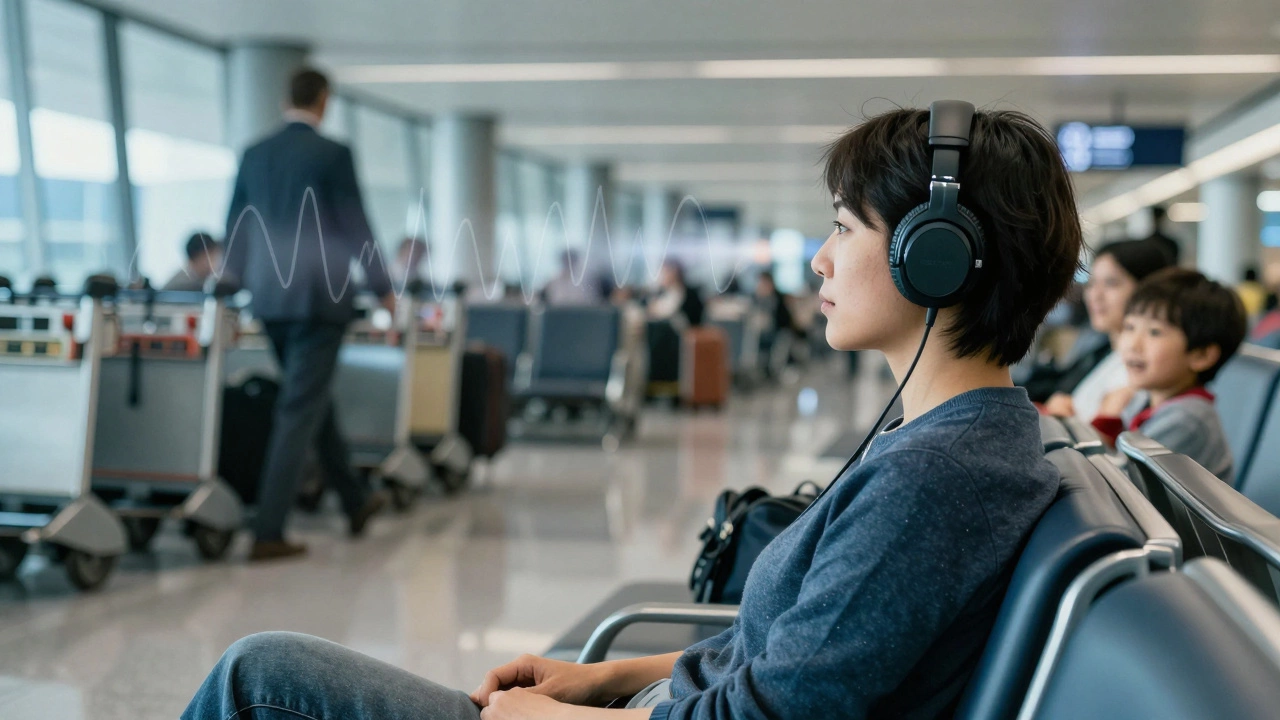
Noise cancelling headphones don’t block all sound - and that’s by design. Learn why you can still hear speech, breathing, and sudden noises, and how ANC really works in real-world conditions.